Institute of Neurological Diseases, Xuzhou Medical University, Xuzhou, China.
Department of Human Anatomy, Kangda College of Nanjing Medical University, Lianyungang, China.
Alzheimers Res Ther. 2023 Feb 16;15(1):33. doi: 10.1186/s13195-023-01186-w.
Toll-like receptor 3 (TLR3) plays an important role in the immune/inflammatory response in the nervous system and is a main pathological feature of Alzheimer's disease (AD). This study investigates the role of early activation of TLR3 in the pathophysiological process of AD.
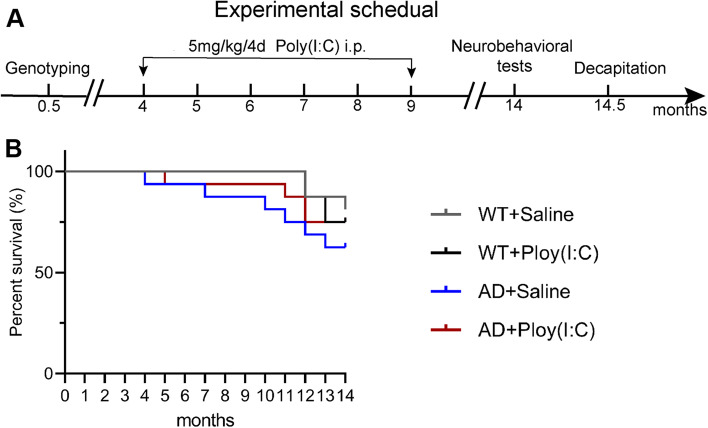
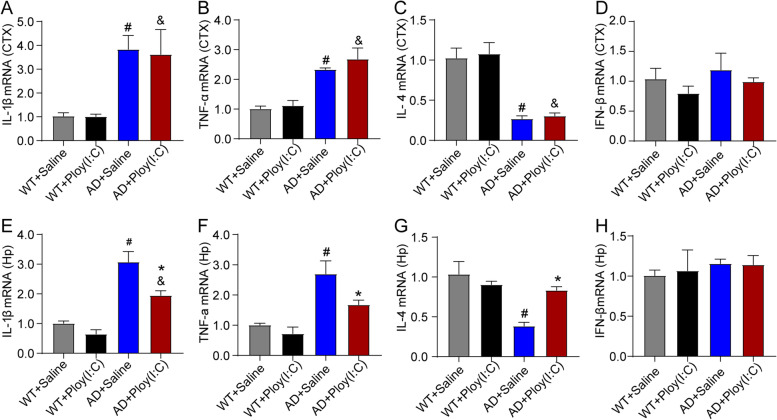
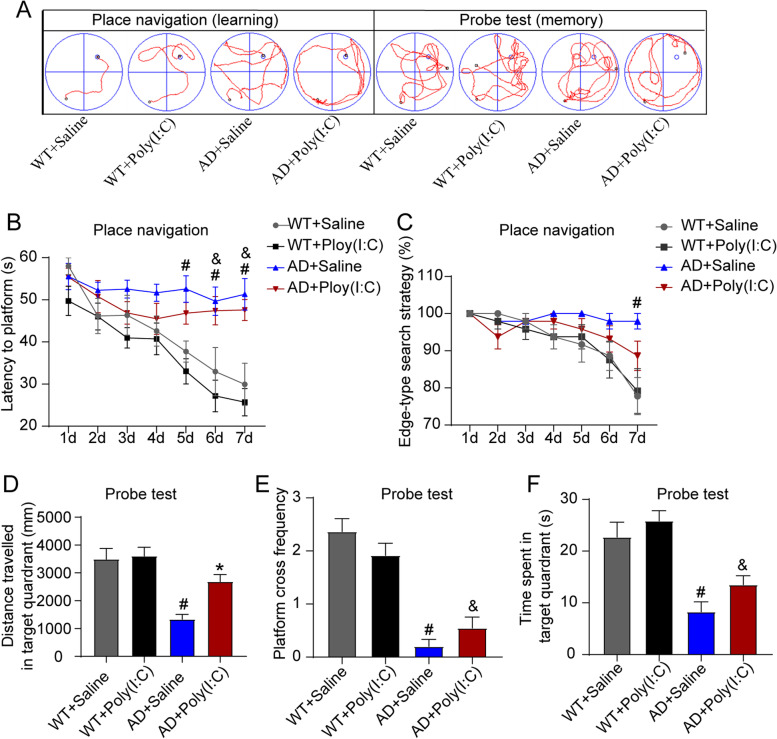
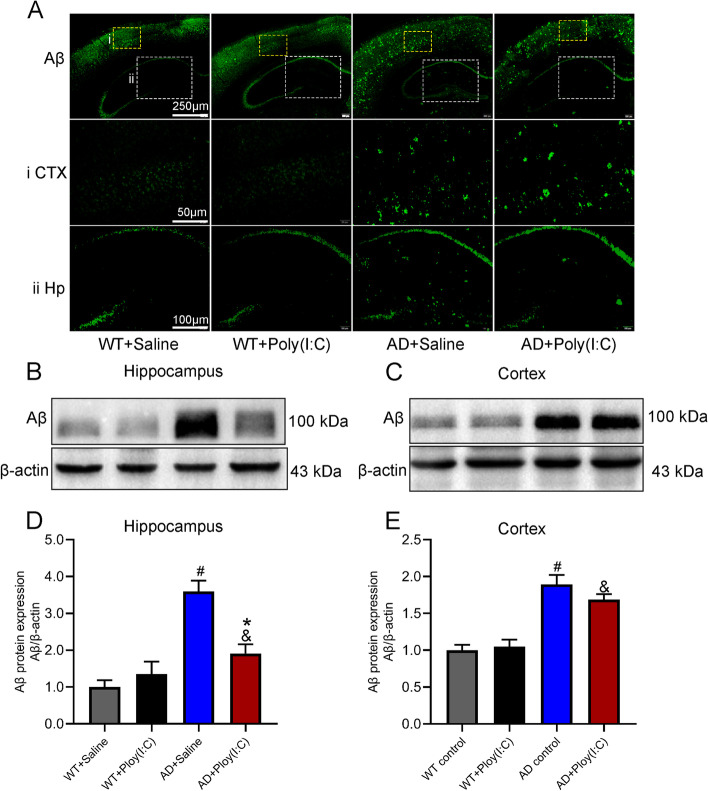
In the experiment, the agonist of TLR3, Poly(I:C), was intraperitoneally injected into the APP/PS1 mouse model of AD and wild-type control mice starting from the age of 4 to 9 months. At the age of 14 months, behavioral tests were conducted. Western blot and immunohistochemistry staining were used to evaluate the level of amyloid β-protein (Aβ), the activation of inflammatory cells, and neuron loss. In addition, the levels of inflammatory cytokines were measured using a quantitative polymerase chain reaction.
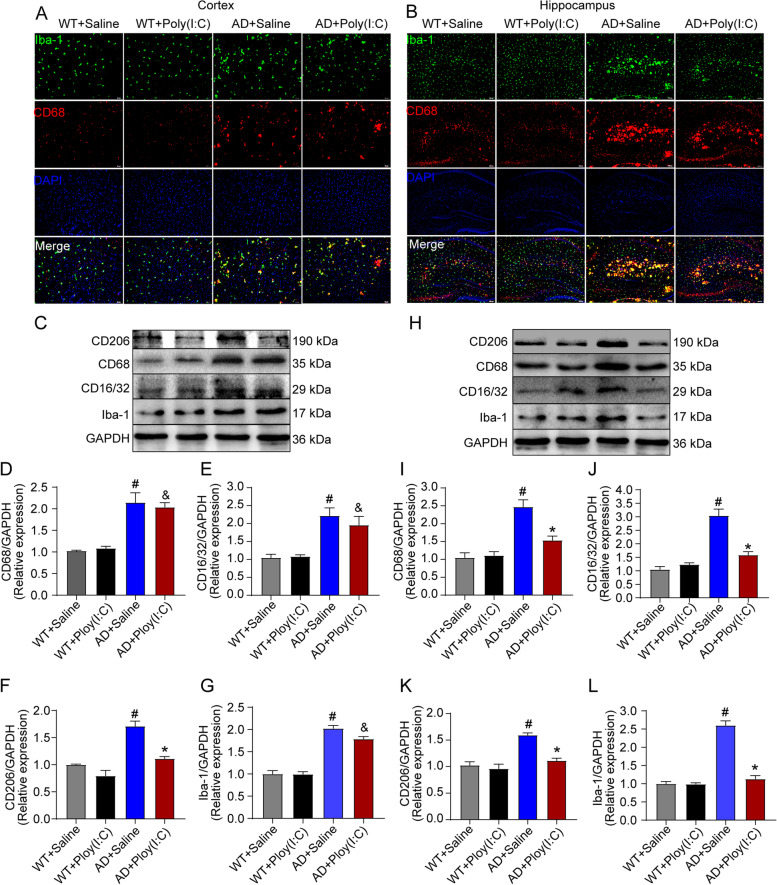
The results demonstrated that the early activation of TLR3 attenuated neuronal loss and neurobehavioral dysfunction. Moreover, the early activation of TLR3 reduced Aβ deposition, inhibited the activation of microglia and astrocytes, and decreased the transcription of pro-inflammatory factors in the hippocampus.
The results indicated that the activation of TLR3 by Poly (I:C) in the early stage of development of AD in a mouse model attenuated neuron loss and improved neurobehavioral functions. The underlying mechanisms could be attributed to its role in Aβ clearance, the inhibition of glial cells, and the regulation of neuroinflammation in the hippocampus.
Toll 样受体 3(TLR3)在神经系统的免疫/炎症反应中发挥重要作用,是阿尔茨海默病(AD)的主要病理特征。本研究探讨了 TLR3 的早期激活在 AD 病理生理过程中的作用。
在实验中,从 4 月龄到 9 月龄,TLR3 的激动剂 Poly(I:C)通过腹腔注射到 AD 的 APP/PS1 小鼠模型和野生型对照小鼠中。在 14 月龄时,进行行为测试。使用 Western blot 和免疫组织化学染色来评估淀粉样β蛋白(Aβ)、炎症细胞激活和神经元丢失的水平。此外,使用定量聚合酶链反应测量炎症细胞因子的水平。
结果表明,TLR3 的早期激活减轻了神经元丢失和神经行为功能障碍。此外,TLR3 的早期激活减少了 Aβ 沉积,抑制了小胶质细胞和星形胶质细胞的激活,并降低了海马体中促炎因子的转录。
结果表明,在 AD 小鼠模型的早期发育阶段,Poly(I:C)激活 TLR3 减轻了神经元丢失并改善了神经行为功能。其潜在机制可能与其在 Aβ 清除、胶质细胞抑制和海马体神经炎症调节中的作用有关。