Program of Biomedical Science, Graduate School of Integrated Sciences for Life, Hiroshima University, 1-7-1, Kagamiyama, Higashi-Hiroshima, Hiroshima, 739-8521, Japan.
Laboratory for Pharmacotherapy and Experimental Neurology, Kagawa School of Pharmaceutical Sciences, Tokushima Bunri University, Sanuki, Kagawa, 769-2101, Japan.
Part Fibre Toxicol. 2023 Feb 16;20(1):6. doi: 10.1186/s12989-023-00517-x.
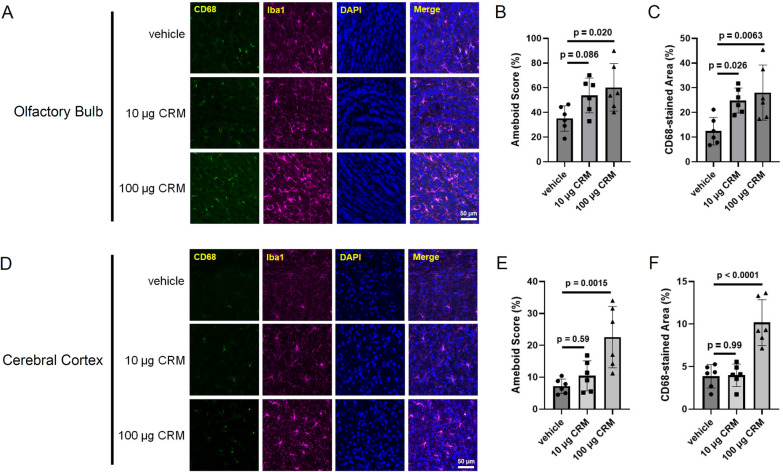
A recent epidemiological study showed that air pollution is closely involved in the prognosis of ischemic stroke. We and others have reported that microglial activation in ischemic stroke plays an important role in neuronal damage. In this study, we investigated the effects of urban aerosol exposure on neuroinflammation and the prognosis of ischemic stroke using a mouse photothrombotic model.
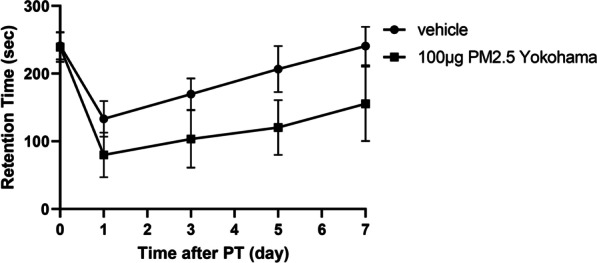
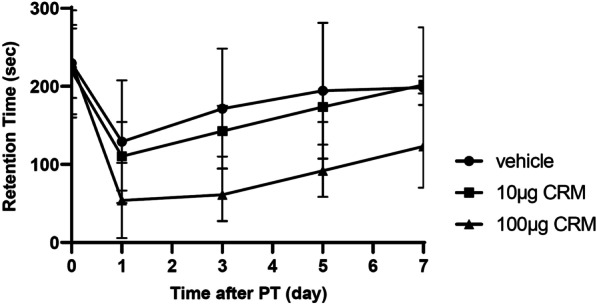
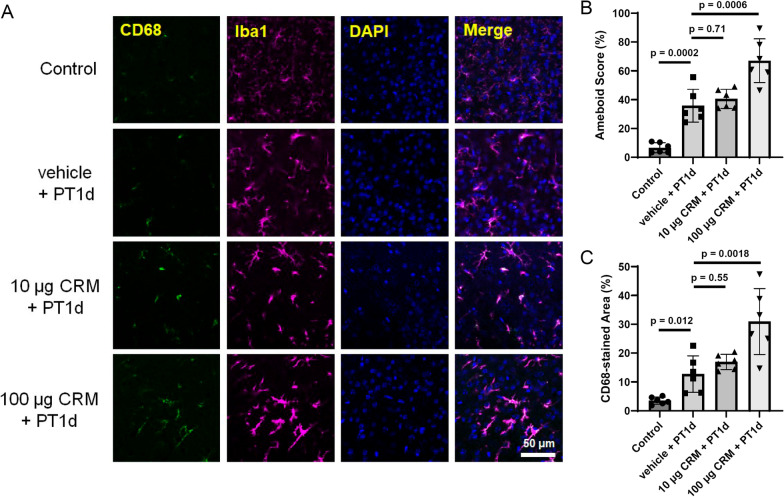
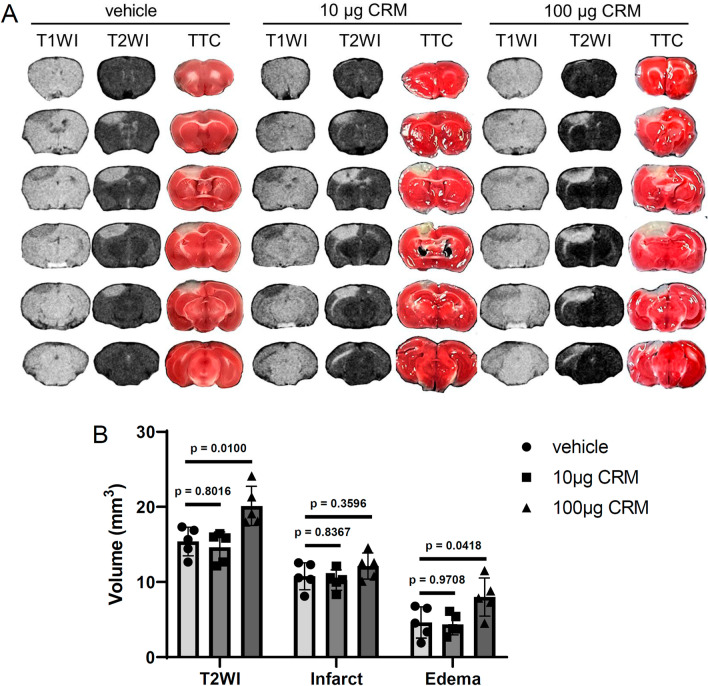
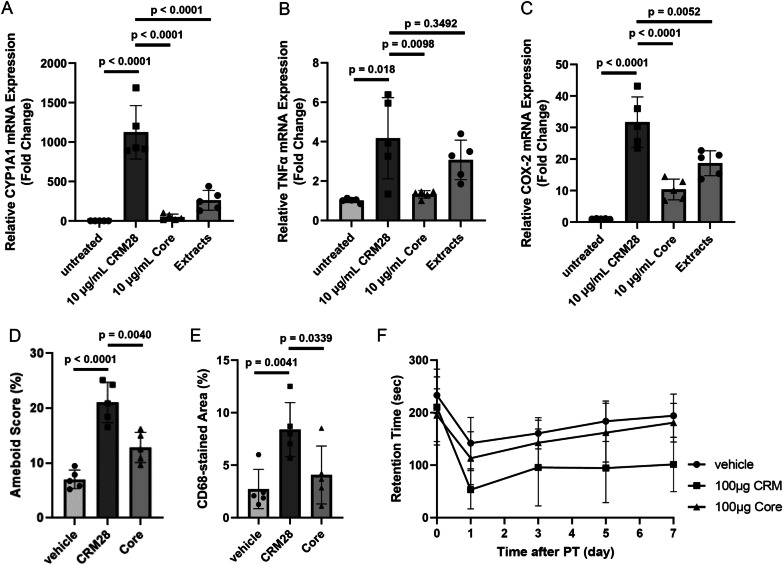
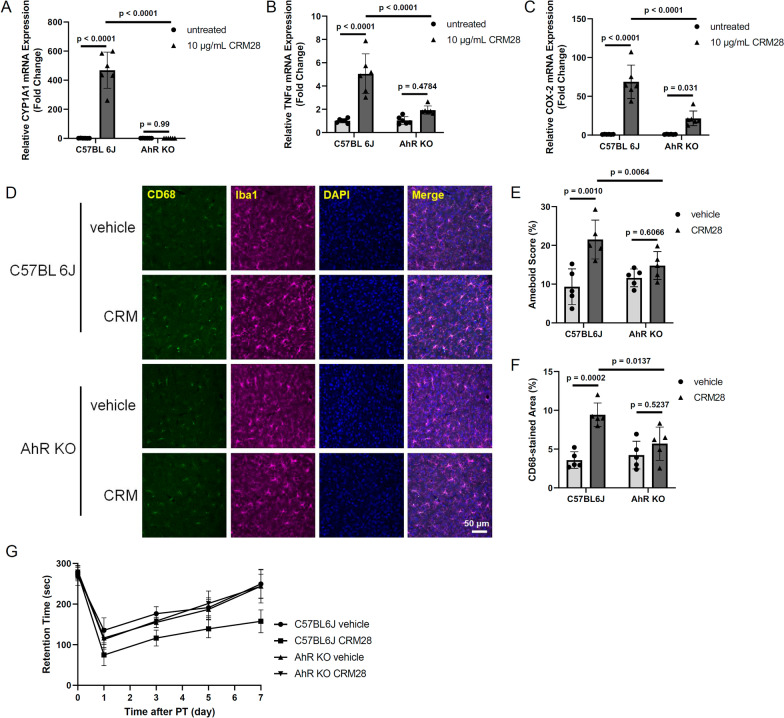
When mice were intranasally exposed to CRM28, urban aerosols collected in Beijing, China, for 7 days, microglial activation was observed in the olfactory bulb and cerebral cortex. Mice exposed to CRM28 showed increased microglial activity and exacerbation of movement disorder after ischemic stroke induction. Administration of core particles stripped of attached chemicals from CRM28 by washing showed less microglial activation and suppression of movement disorder compared with CRM28-treated groups. CRM28 exposure did not affect the prognosis of ischemic stroke in null mice for aryl hydrocarbon receptor, a polycyclic aromatic hydrocarbon (PAH) receptor. Exposure to PM2.5 collected at Yokohama, Japan also exacerbated movement disorder after ischemic stroke.
Particle matter in the air is involved in neuroinflammation and aggravation of the prognosis of ischemic stroke; furthermore, PAHs in the particle matter could be responsible for the prognosis exacerbation.
最近的一项流行病学研究表明,空气污染与缺血性脑卒中的预后密切相关。我们和其他人已经报道了缺血性脑卒中中小胶质细胞的激活在神经元损伤中起重要作用。在这项研究中,我们使用小鼠光血栓模型研究了城市气溶胶暴露对神经炎症和缺血性脑卒中预后的影响。
当小鼠连续 7 天经鼻腔暴露于中国北京采集的城市气溶胶 CRM28 时,在嗅球和大脑皮层观察到小胶质细胞激活。与诱导缺血性脑卒中后,CRM28 暴露的小鼠表现出小胶质细胞活性增加和运动障碍加重。与 CRM28 处理组相比,用洗涤去除 CRM28 附着化学物质的核心颗粒处理的小鼠显示出较少的小胶质细胞激活和运动障碍抑制。在芳烃受体(一种多环芳烃(PAH)受体)缺失的小鼠中,CRM28 暴露并不影响缺血性脑卒中的预后。从日本横滨采集的 PM2.5 暴露也加重了缺血性脑卒中后的运动障碍。
空气中的颗粒物参与了神经炎症和缺血性脑卒中预后的恶化;此外,颗粒物中的 PAHs 可能是导致预后恶化的原因。