Ding Yanfei, Zhou Mei, Wang Ke, Qu Aili, Hu Shanshan, Jiang Qiong, Yi Keke, Wang Feijuan, Cai Chong, Zhu Cheng, Chen Zhixiang
Key Laboratory of Specialty Agri-product Quality and Hazard Controlling Technology of Zhejiang Province, College of Life Sciences, China Jiliang University, Hangzhou, China.
School of Biological and Chemical Engineering, Ningbo Institute of Technology, Ningbo, China.
Front Plant Sci. 2023 Jan 31;14:1068296. doi: 10.3389/fpls.2023.1068296. eCollection 2023.
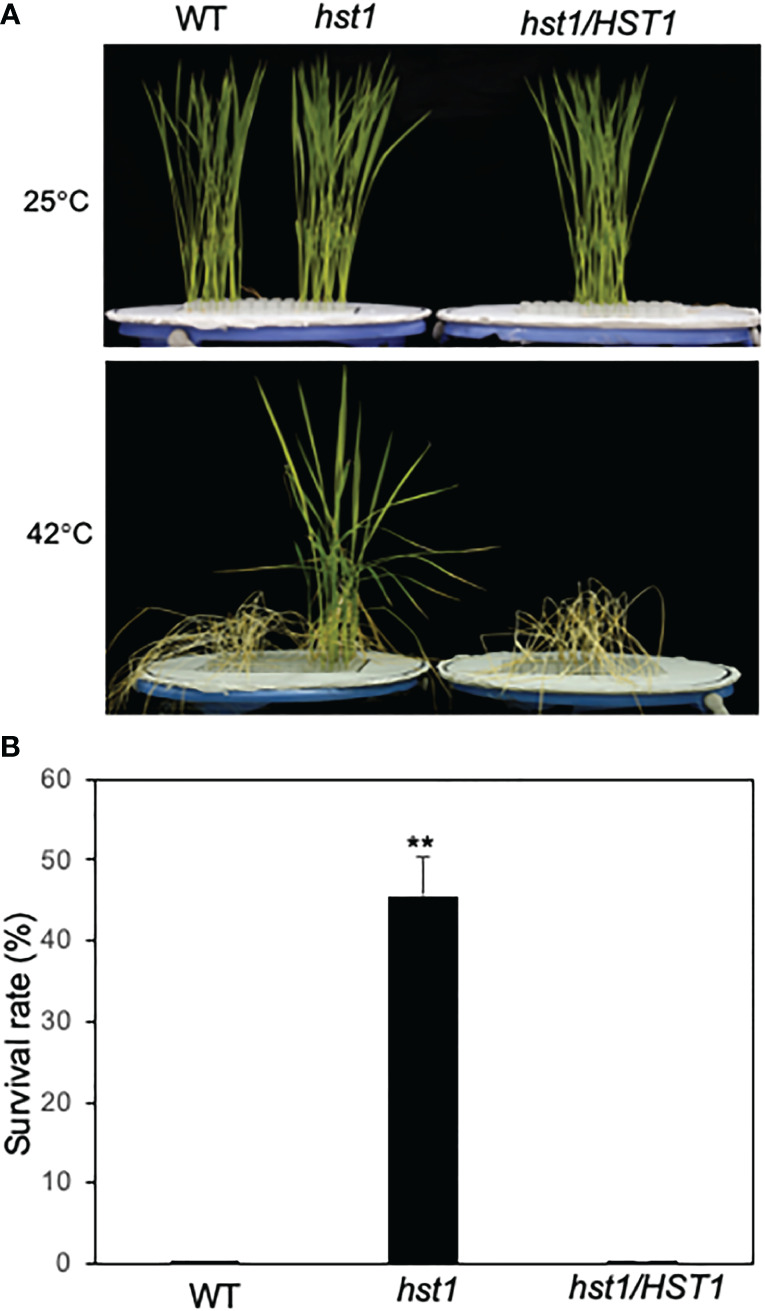
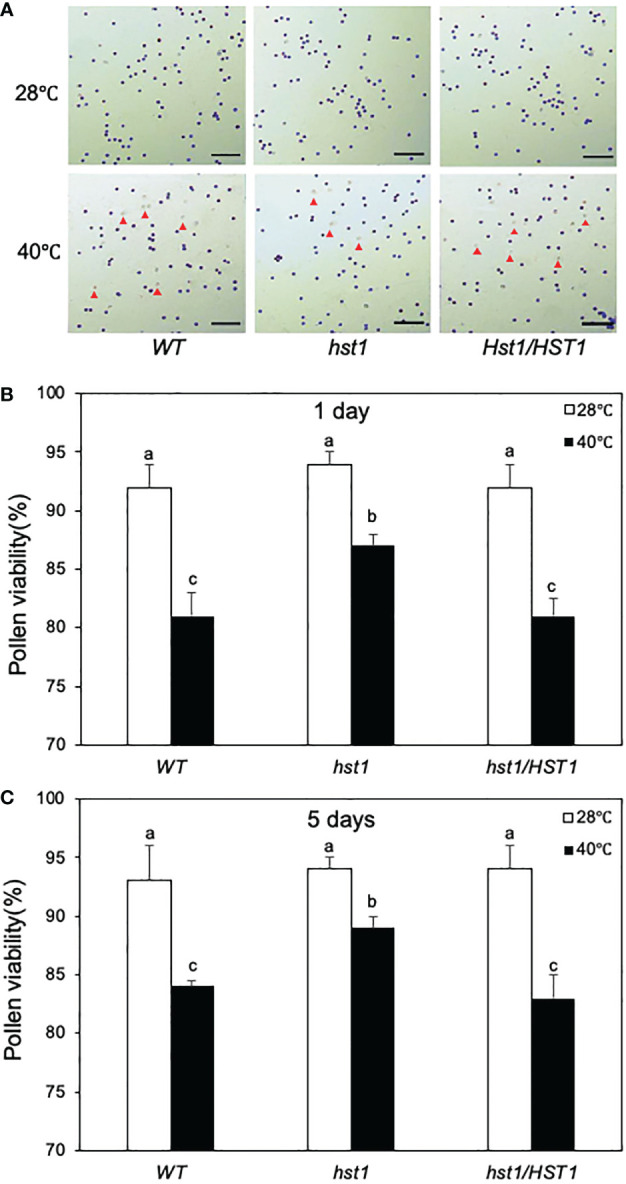
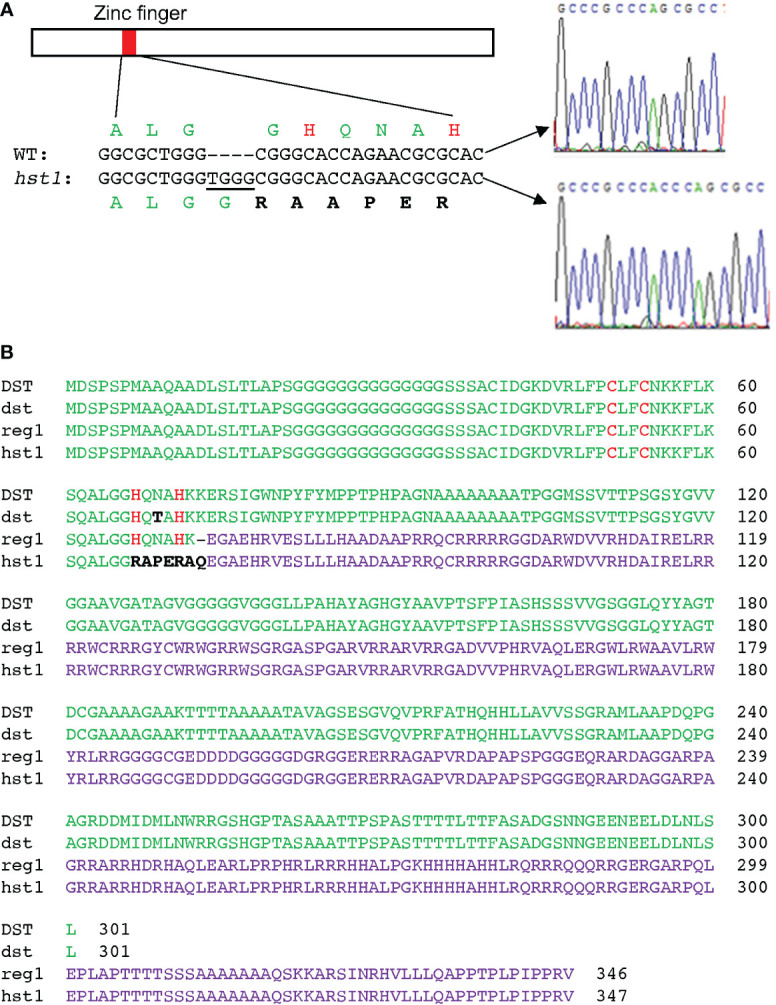
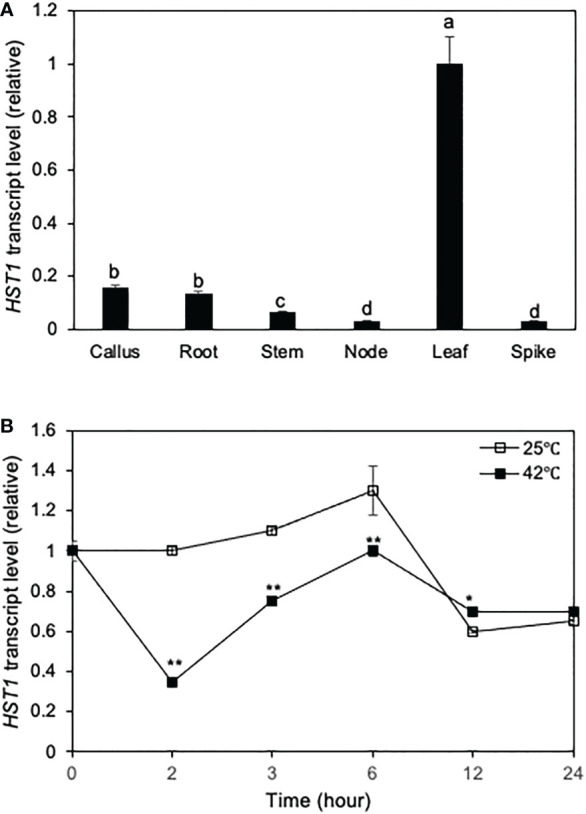
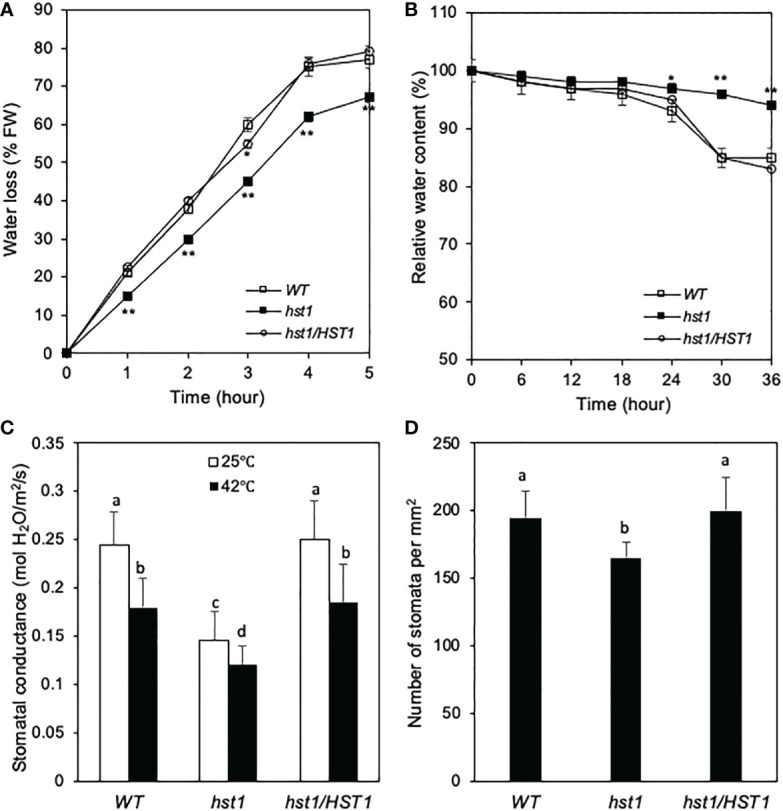
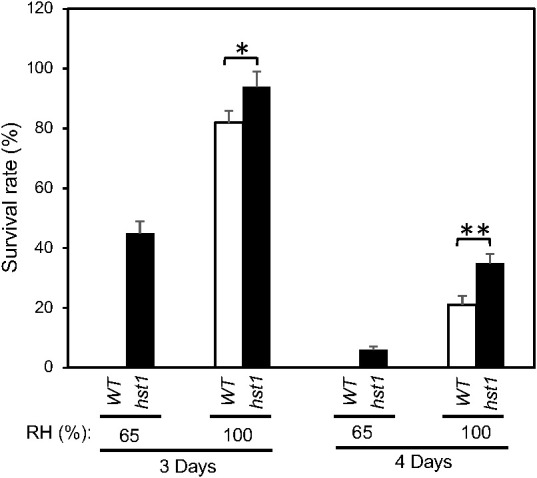
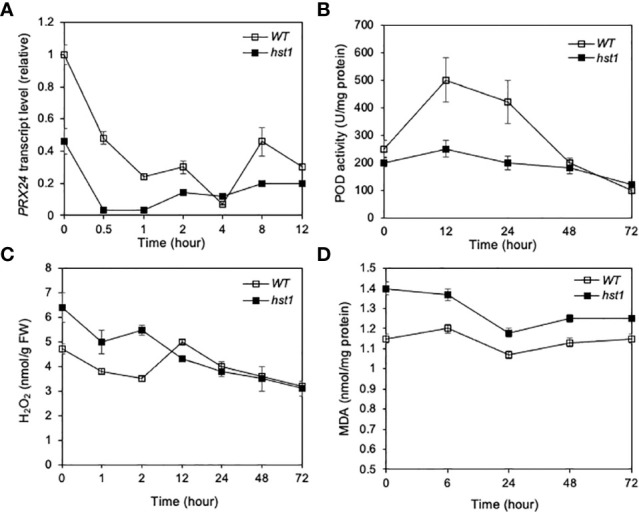
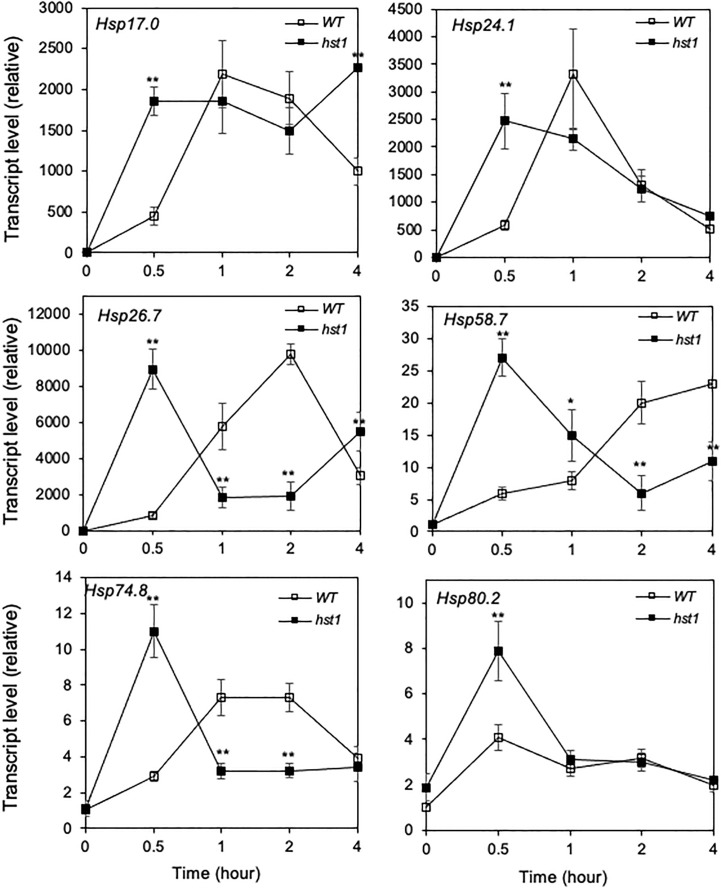
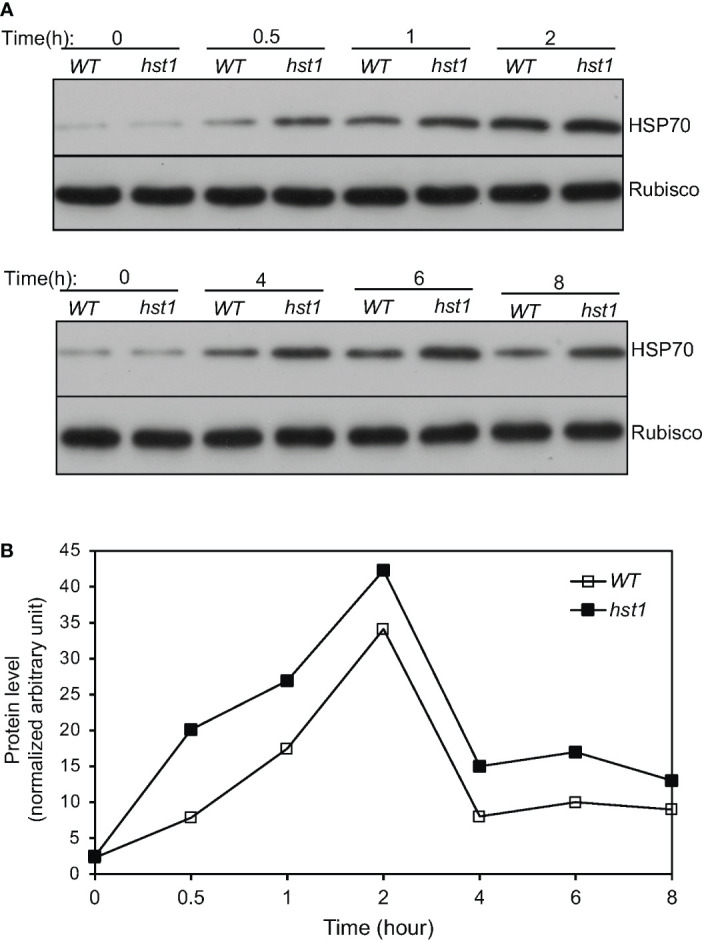
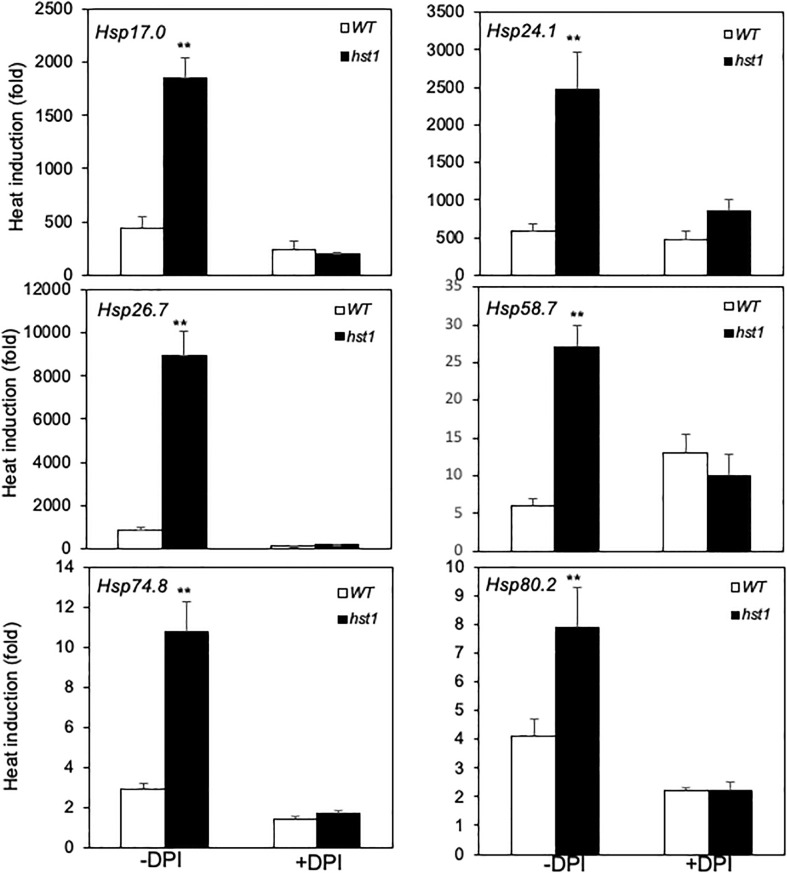
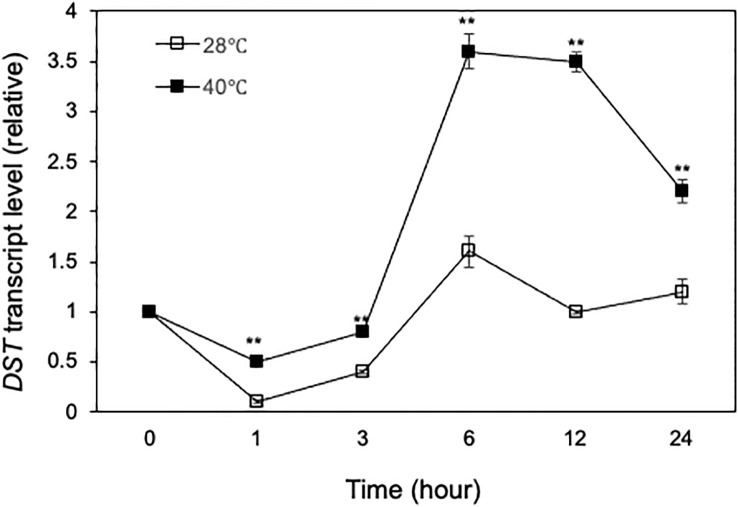
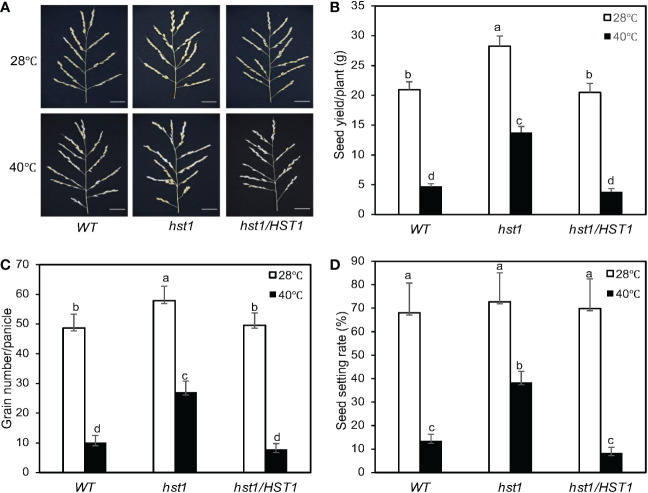
Plants are frequently subjected to a broad spectrum of abiotic stresses including drought, salinity and extreme temperatures and have evolved both common and stress-specific responses to promote fitness and survival. Understanding the components and mechanisms that underlie both common and stress-specific responses can enable development of crop plants tolerant to different stresses. Here, we report a rice () mutant with increased heat tolerance. encodes the DST transcription factor, which also regulates drought and salinity tolerance. Increased heat tolerance of was associated with suppressed expression of reactive oxygen species (ROS)-scavenging peroxidases and increased ROS levels, which reduced water loss by decreasing stomatal aperture under heat stress. In addition, increased ROS levels enhanced expression of genes encoding heat shock protein (HSPs) including HSP80, HSP74, HSP58 and small HSPs. HSPs promote stabilization of proteins and protein refolding under heat stress and accordingly mutation of also improved reproductive traits including pollen viability and seed setting under high temperature. These results broaden the negative roles of DST in abiotic stress tolerance and provide important new insights into DST-regulated tolerance to diverse abiotic stresses through both shared and stress-specific mechanisms.
植物经常遭受包括干旱、盐度和极端温度在内的多种非生物胁迫,并进化出了共同的和特定胁迫的反应来促进适应性和生存。了解共同反应和特定胁迫反应背后的成分和机制,有助于培育耐受不同胁迫的作物。在此,我们报道了一个耐热性增强的水稻()突变体。编码DST转录因子,该因子也调节干旱和盐度耐受性。的耐热性增强与活性氧(ROS)清除过氧化物酶的表达受抑制以及ROS水平升高有关,这通过在热胁迫下减小气孔孔径减少了水分流失。此外,ROS水平升高增强了包括HSP80、HSP74、HSP58和小热激蛋白在内的热激蛋白(HSPs)编码基因的表达。HSPs在热胁迫下促进蛋白质的稳定和蛋白质重折叠,因此的突变也改善了生殖性状,包括高温下的花粉活力和结实率。这些结果拓宽了DST在非生物胁迫耐受性中的负面作用,并通过共同机制和特定胁迫机制为DST调节的对多种非生物胁迫的耐受性提供了重要的新见解。