Behavioral Neuroscience Branch, National Institute on Drug Abuse - Intramural Research Program, National Institutes of Health, DHHS, Baltimore, MD, 21224, USA.
Behavioral Neuroscience Branch, National Institute on Drug Abuse - Intramural Research Program, National Institutes of Health, DHHS, Baltimore, MD, 21224, USA.
Neuropharmacology. 2023 May 1;228:109465. doi: 10.1016/j.neuropharm.2023.109465. Epub 2023 Feb 18.
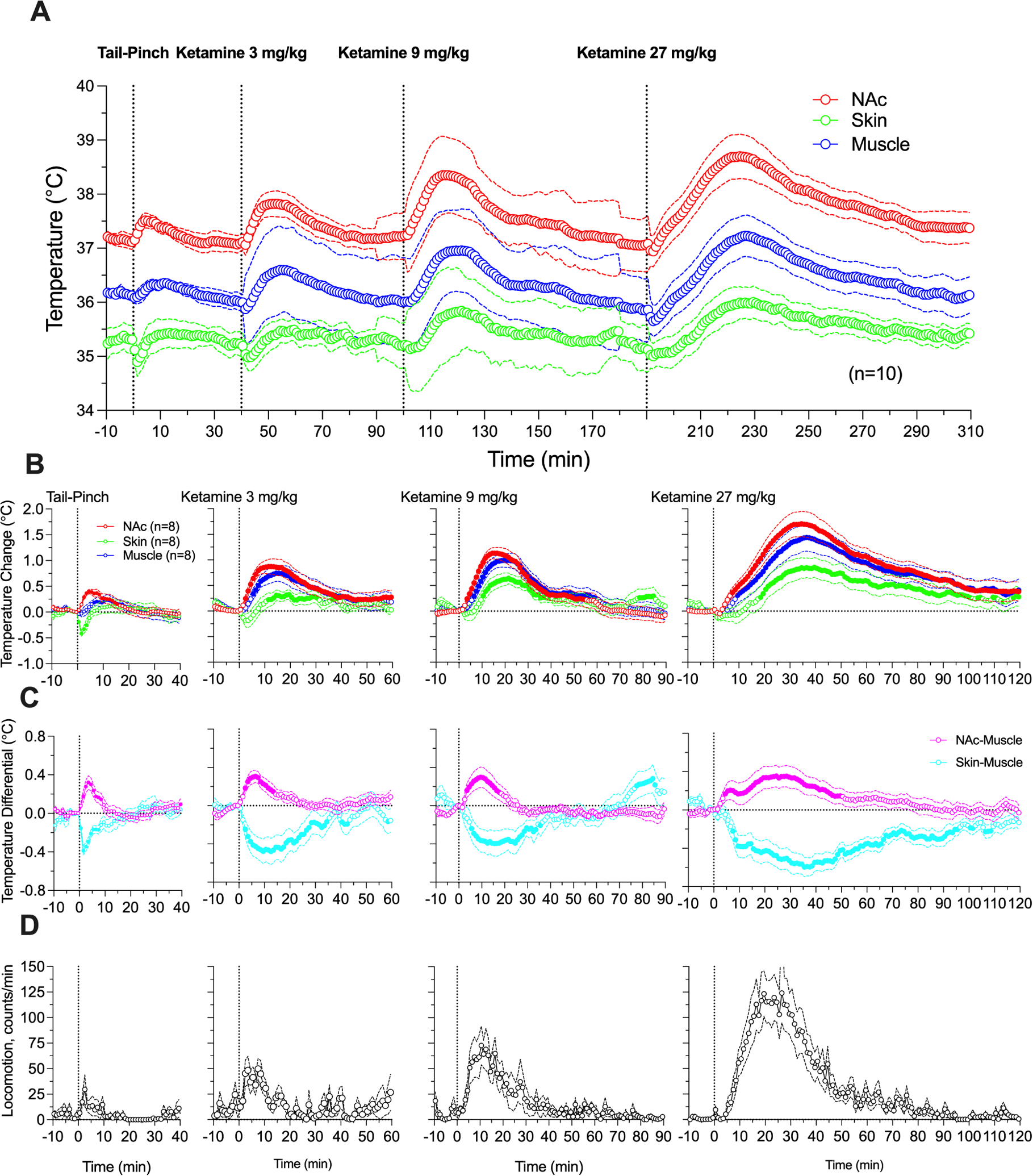
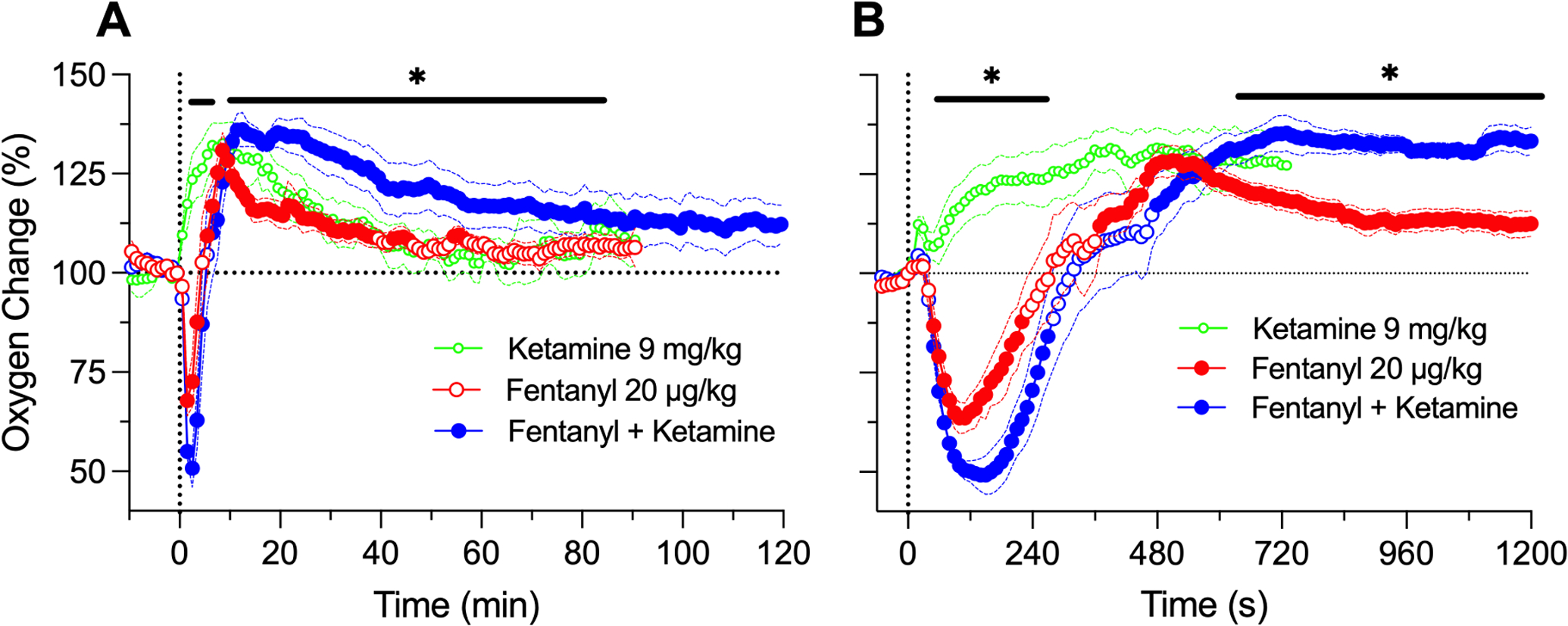
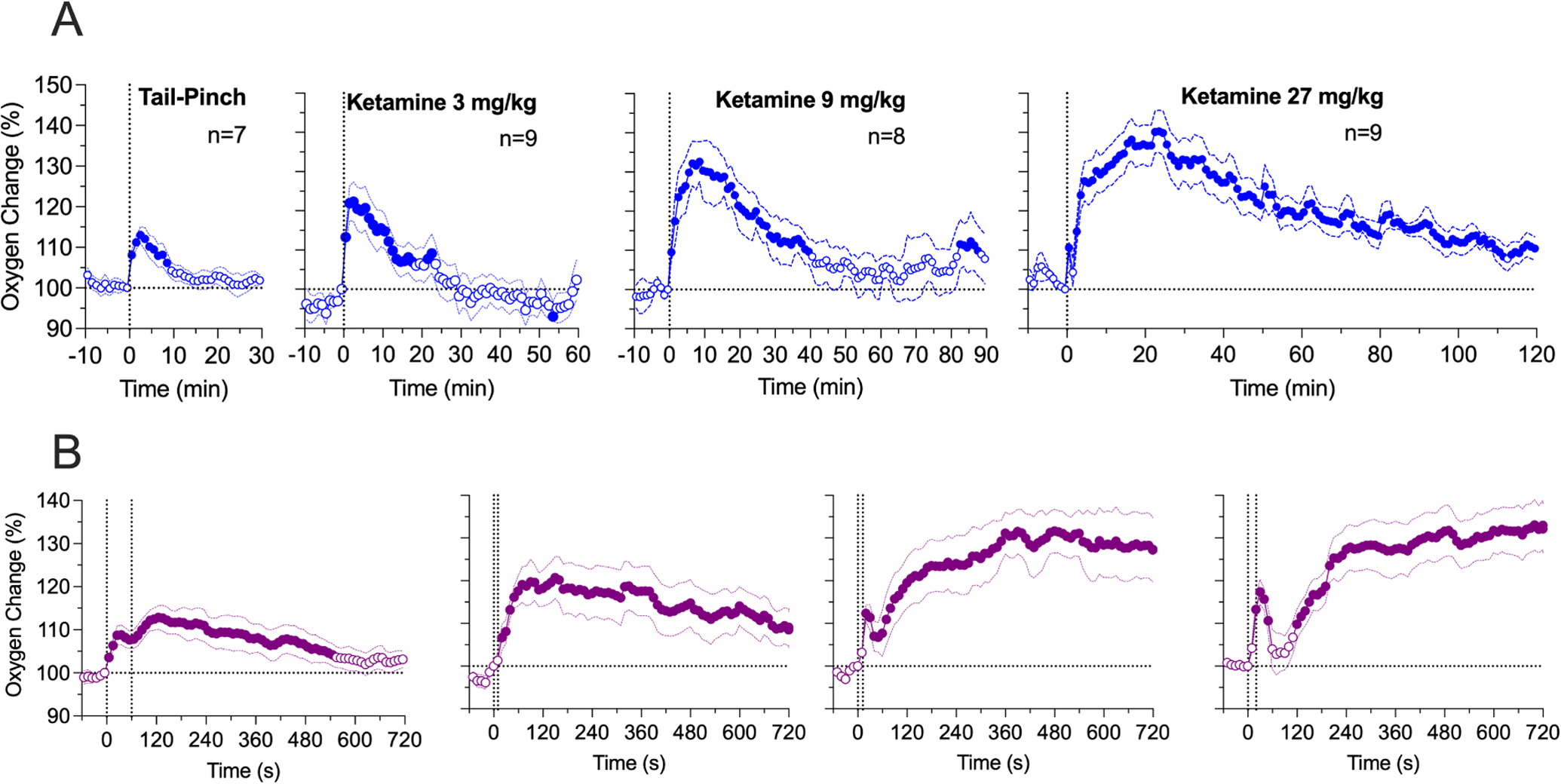
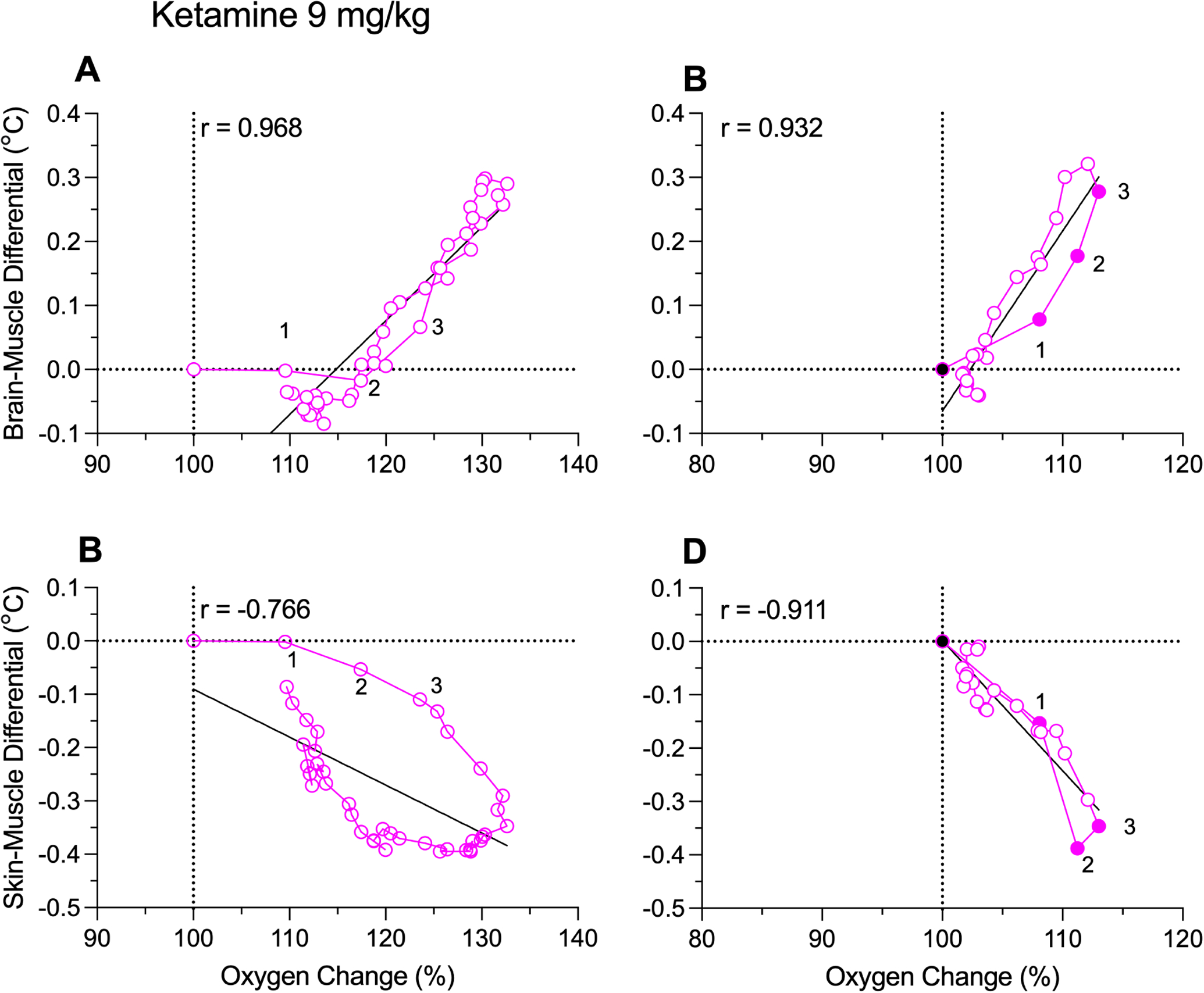
Ketamine is a short-acting general anesthetic with hallucinogenic, analgesic, and amnestic properties. In addition to its anesthetic use, ketamine is commonly abused in rave settings. While safe when used by medical professionals, uncontrolled recreational use of ketamine is dangerous, especially when mixed with other sedative drugs, including alcohol, benzodiazepines, and opioid drugs. Since synergistic antinociceptive interactions between opioids and ketamine were demonstrated in both preclinical and clinical studies, such an interaction could exist for the hypoxic effects of opioid drugs. Here, we focused on the basic physiological effects of ketamine as a recreational drug and its possible interactions with fentanyl-a highly potent opioid that induces strong respiratory depression and robust brain hypoxia. By using multi-site thermorecording in freely-moving rats, we showed that intravenous ketamine at a range of human relevant doses (3, 9, 27 mg/kg) dose-dependently increases locomotor activity and brain temperature, as assessed in the nucleus accumbens (NAc). By determining temperature differentials between the brain, temporal muscle, and skin, we showed that the brain hyperthermic effect of ketamine results from increased intracerebral heat production, an index of metabolic neural activation, and decreased heat loss due to peripheral vasoconstriction. By using oxygen sensors coupled with high-speed amperometry we showed that ketamine at the same doses increases NAc oxygen levels. Finally, co-administration of ketamine with intravenous fentanyl results in modest enhancement of fentanyl-induced brain hypoxia also enhancing the post-hypoxic oxygen increase. Therefore, in contrast to fentanyl, ketamine increases brain oxygenation but potentiates brain hypoxia induced by fentanyl.
氯胺酮是一种具有致幻、镇痛和失忆作用的短效全身麻醉剂。除了作为麻醉剂使用外,氯胺酮在狂欢场所也常被滥用。虽然在医疗专业人员使用时是安全的,但不受控制的娱乐性使用氯胺酮是危险的,特别是当与其他镇静药物(包括酒精、苯二氮䓬类药物和阿片类药物)混合使用时。由于阿片类药物和氯胺酮之间的协同镇痛作用在临床前和临床研究中都得到了证明,因此这种相互作用可能存在于阿片类药物的缺氧效应中。在这里,我们专注于氯胺酮作为一种娱乐性药物的基本生理作用及其与芬太尼(一种能引起强烈呼吸抑制和强烈脑缺氧的高活性阿片类药物)的可能相互作用。通过在自由活动的大鼠中使用多部位热敏记录,我们表明静脉内给予不同剂量的氯胺酮(3、9、27mg/kg)与剂量呈依赖性地增加运动活动和大脑温度,这是在伏隔核(NAc)中评估的。通过确定大脑、颞肌和皮肤之间的温度差,我们表明氯胺酮的脑升温效应是由于脑内产热增加,这是代谢性神经激活的指标,以及由于外周血管收缩导致散热减少。通过使用氧传感器结合高速安培法,我们表明氯胺酮在相同剂量下增加 NAc 中的氧水平。最后,氯胺酮与静脉内芬太尼共同给药导致芬太尼诱导的脑缺氧适度增强,同时增强缺氧后的氧增加。因此,与芬太尼相反,氯胺酮增加脑氧合作用,但增强芬太尼诱导的脑缺氧。