School of Public Health, University of Zambia, Box 50110, Lusaka, Zambia.
Ministry of Health, Lusaka, Zambia.
BMC Health Serv Res. 2023 Feb 20;23(1):170. doi: 10.1186/s12913-023-09086-3.
Zambia experienced a major decline in under-five mortality rates (U5MR), with one of the fastest declines in socio-economic disparities in sub-Saharan Africa in the last two decades. We aimed to understand the extent to which, and how, Zambia has reduced socio-economic inequalities in U5MR since 2000.
Using nationally-representative data from Zambia Demographic Health Surveys (2001/2, 2007, 2013/14 and 2018), we examined trends and levels of inequalities in under-five mortality, intervention coverage, household water and sanitation, and fertility. This analysis was integrated with an in-depth review of key policy and program documents relevant to improving child survival in Zambia between 1990 and 2020.
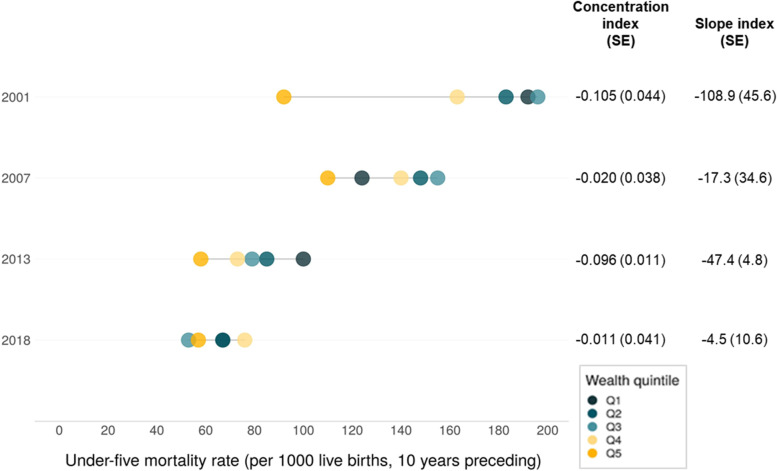
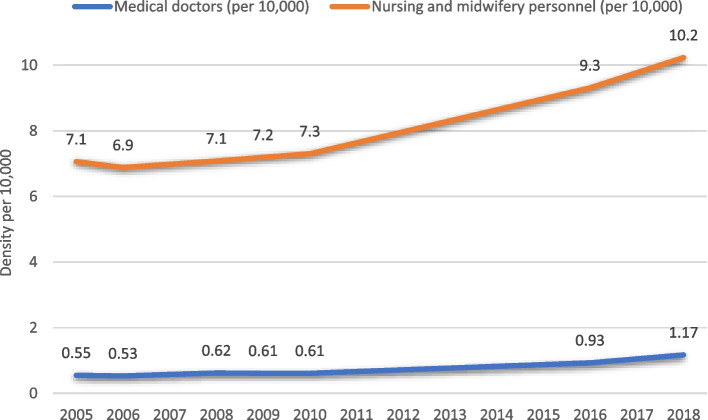
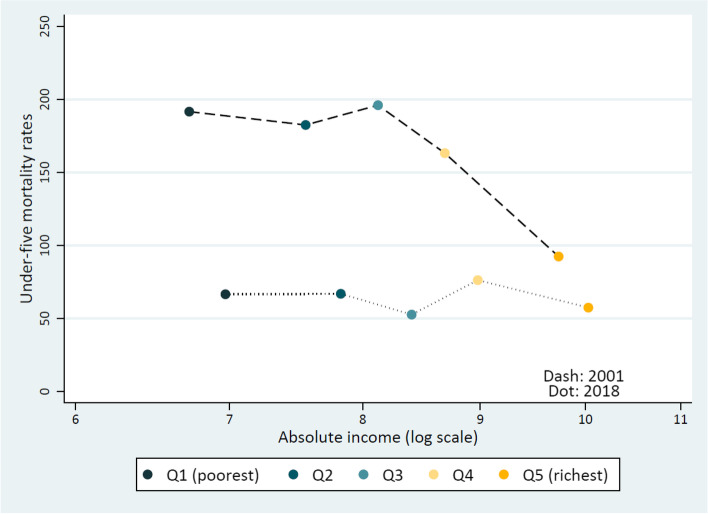
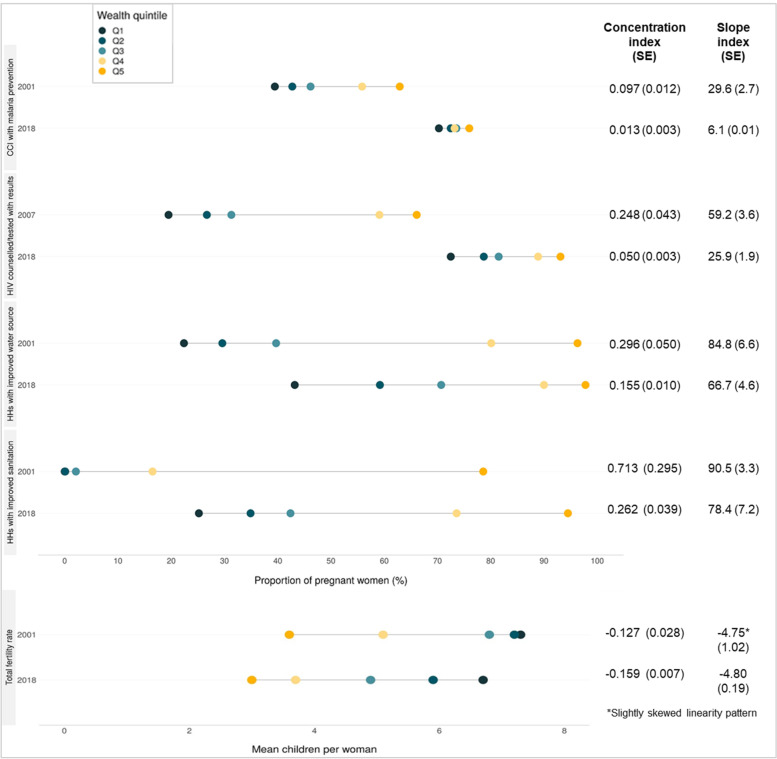
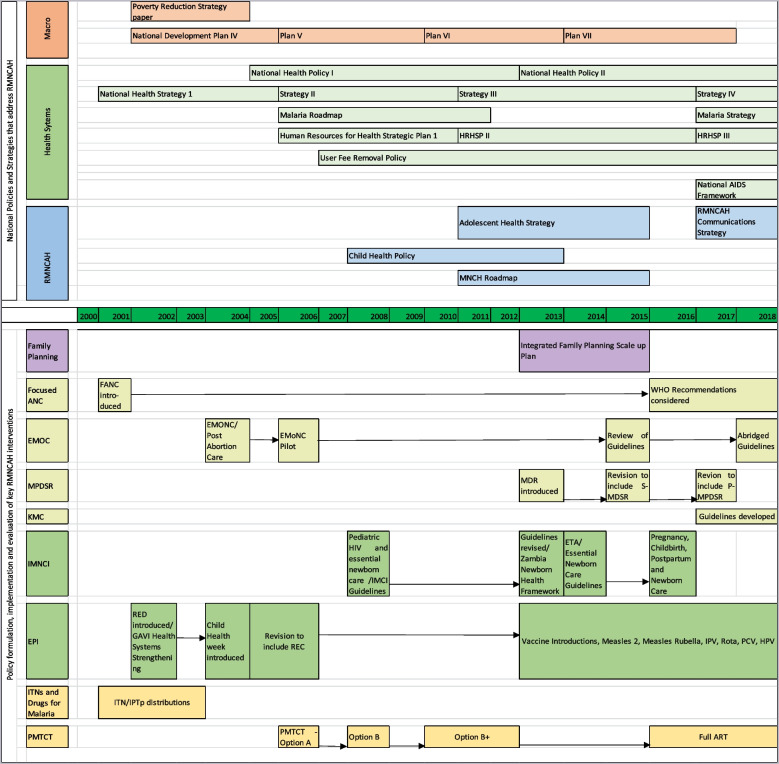
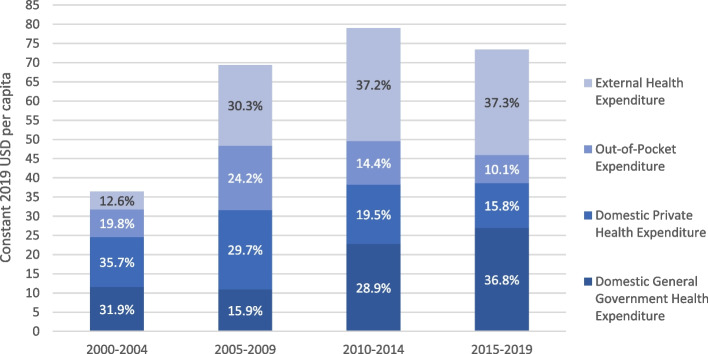
The under-five mortality rate (U5MR) declined from 168 to 64 deaths per 1000 live births between 2001/2 and 2018 ZDHS rounds, particularly in the post-neonatal period. There were major reductions in U5MR inequalities between wealth, education and urban-rural residence groups. Yet reduced gaps between wealth groups in estimated absolute income or education levels did not simultaneously occur. Inequalities reduced markedly for coverage of reproductive, maternal, newborn and child health (RMNCH), malaria and human immunodeficiency virus interventions, but less so for water or sanitation and fertility levels. Several policy and health systems drivers were identified for reducing RMNCH inequalities: policy commitment to equity in RMNCH; financing with a focus on disadvantaged groups; multisectoral partnerships and horizontal programming; expansion of infrastructure and human resources for health; and involvement of community stakeholders and service providers.
Zambia's major progress in reducing inequalities in child survival between the poorest and richest people appeared to be notably driven by government policies and programs that centrally valued equity, despite ongoing gaps in absolute income and education levels. Future work should focus on sustaining these gains, while targeting families that have been left behind to achieve the sustainable development goal targets.
赞比亚五岁以下儿童死亡率(U5MR)大幅下降,是过去二十年撒哈拉以南非洲社会经济差异缩小最快的国家之一。我们旨在了解自 2000 年以来,赞比亚在多大程度上以及如何减少 U5MR 的社会经济不平等。
利用来自赞比亚人口与健康调查(2001/2、2007、2013/14 和 2018 年)的全国代表性数据,我们检查了五岁以下儿童死亡率、干预措施覆盖范围、家庭用水和卫生以及生育率方面的不平等趋势和水平。这项分析与对 1990 年至 2020 年期间与改善儿童生存相关的关键政策和方案文件的深入审查相结合。
U5MR 在 2001/2 年至 2018 年 ZDHS 调查期间从每 1000 例活产儿 168 例死亡下降至 64 例死亡,尤其是在新生儿后期。在财富、教育和城乡居住群体之间,U5MR 不平等现象大幅减少。然而,财富群体之间估计的绝对收入或教育水平差距并没有同时缩小。在生殖、孕产妇、新生儿和儿童健康(RMNCH)、疟疾和人类免疫缺陷病毒干预措施方面,不平等现象显著减少,但在用水或卫生设施以及生育率方面则减少较少。确定了一些减少 RMNCH 不平等的政策和卫生系统驱动因素:在 RMNCH 方面对公平的政策承诺;关注弱势群体的融资;多部门伙伴关系和横向规划;扩大基础设施和人力资源;以及社区利益攸关方和服务提供者的参与。
尽管绝对收入和教育水平仍存在差距,但赞比亚在减少最贫困和最富裕人群之间儿童生存不平等方面取得的重大进展似乎主要是由政府政策和方案推动的,这些政策和方案高度重视公平。未来的工作应侧重于维持这些成果,同时针对那些落后的家庭,以实现可持续发展目标的指标。