Department of Infectious Diseases, St Jude Children's Research Hospital, Memphis, Tennessee, USA.
Department of Infectious Diseases, St Jude Children's Research Hospital, Memphis, Tennessee, USA.
J Biol Chem. 2023 Apr;299(4):103036. doi: 10.1016/j.jbc.2023.103036. Epub 2023 Feb 16.
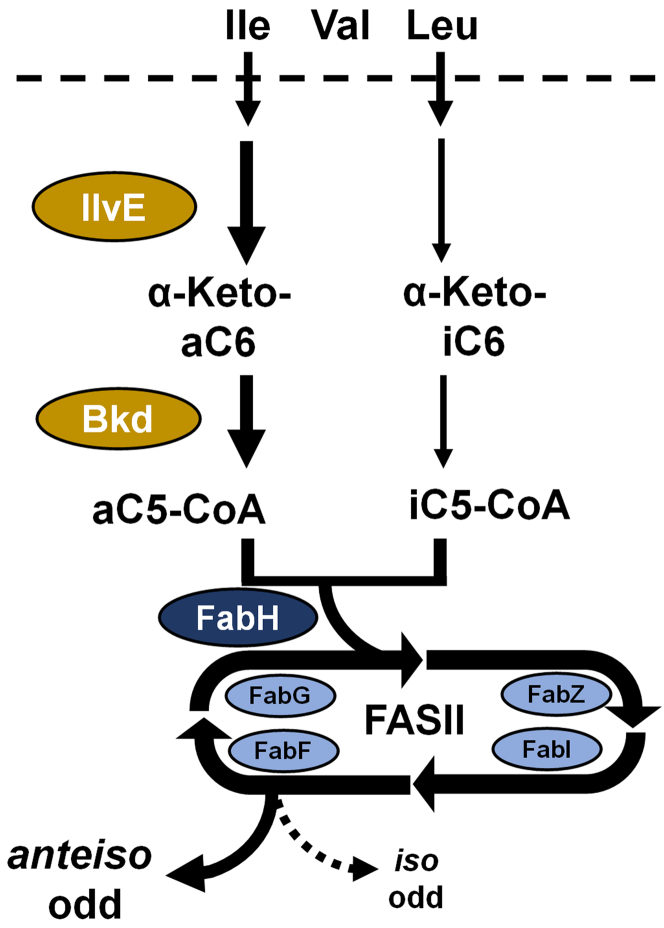
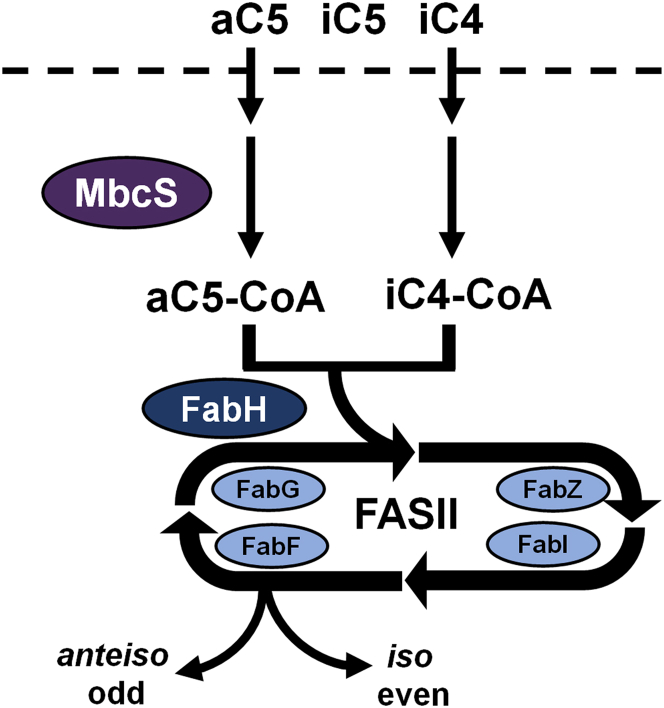
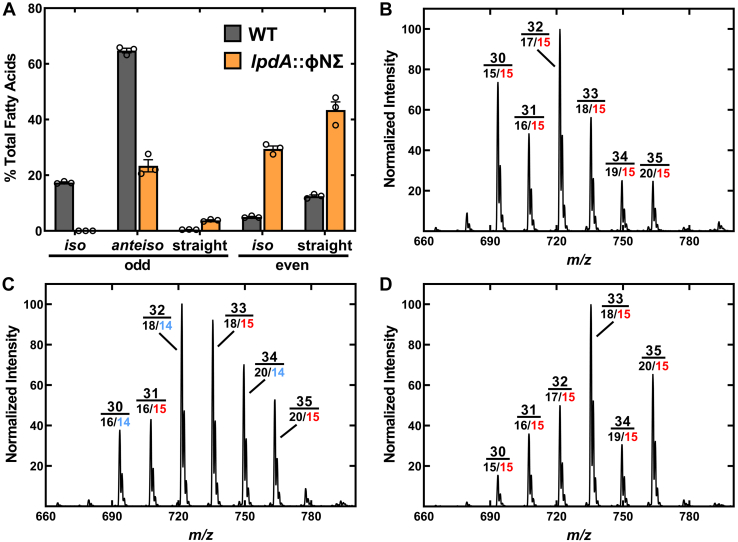
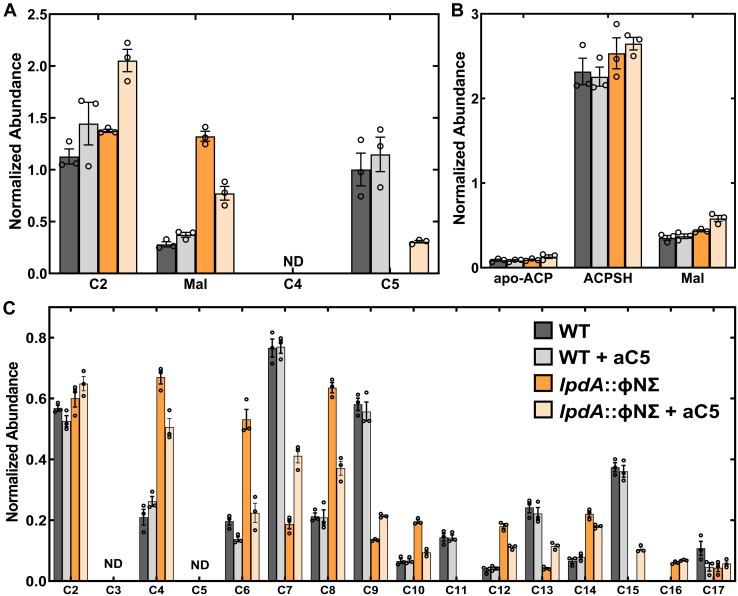
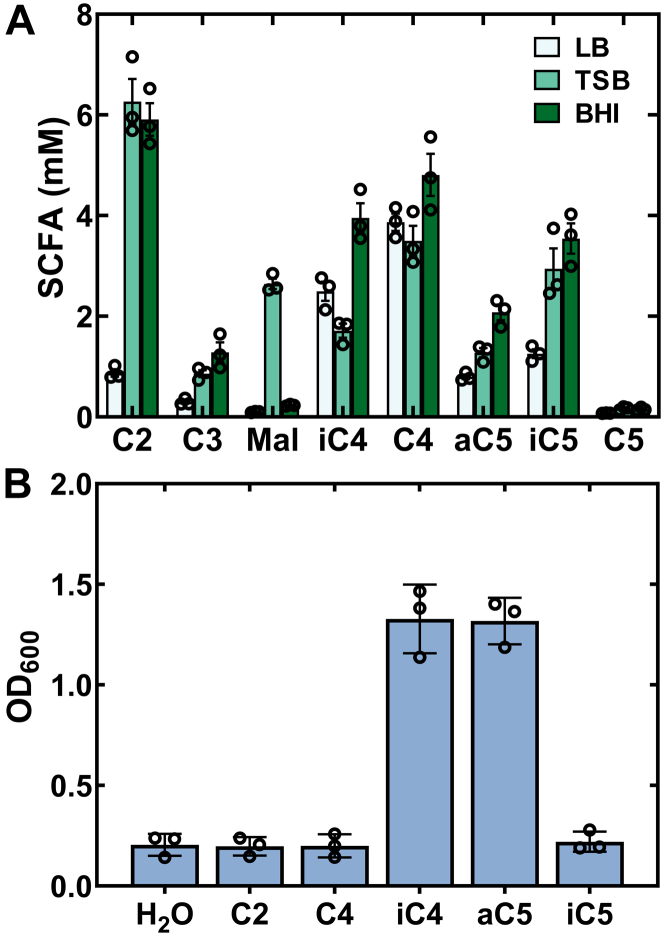
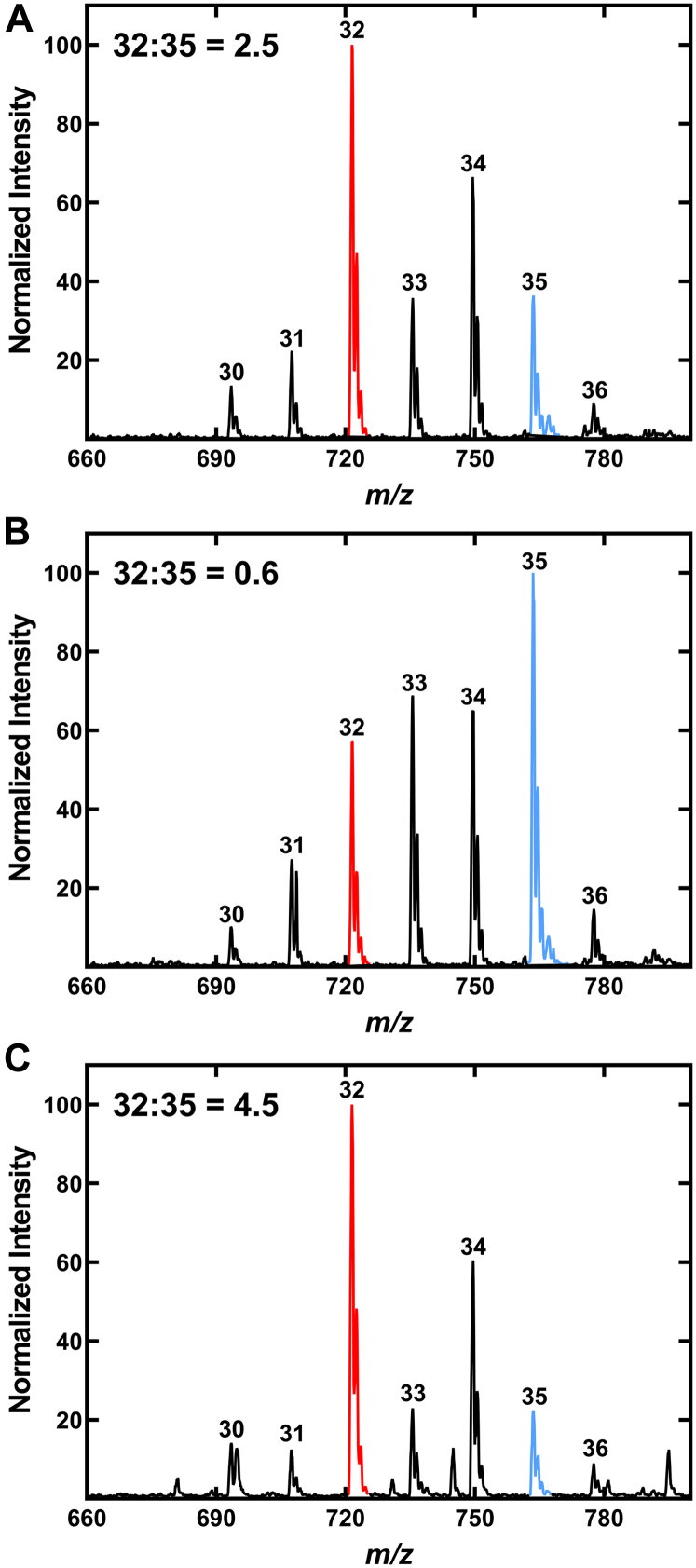
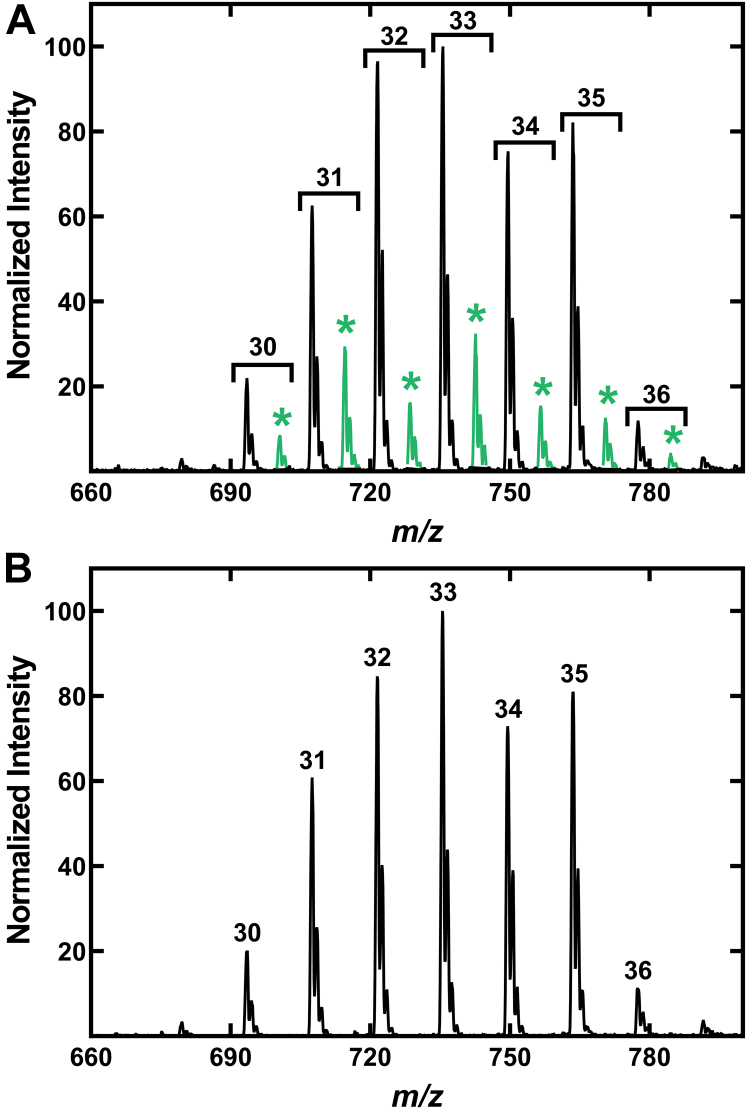
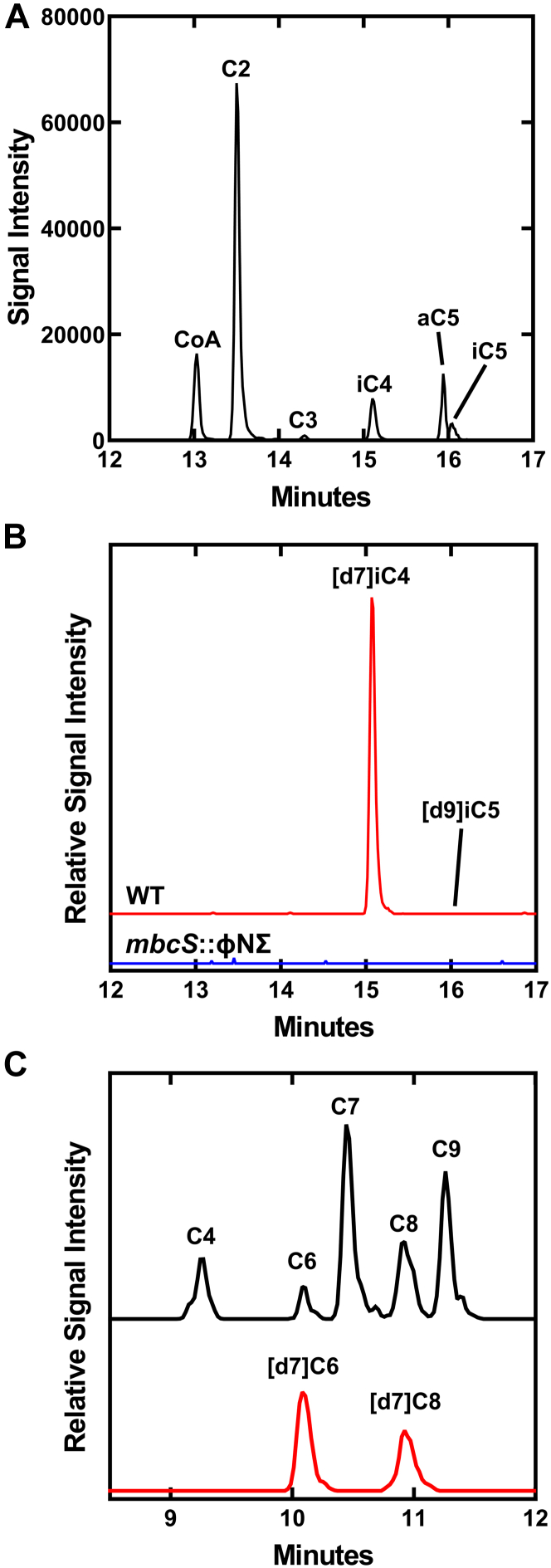
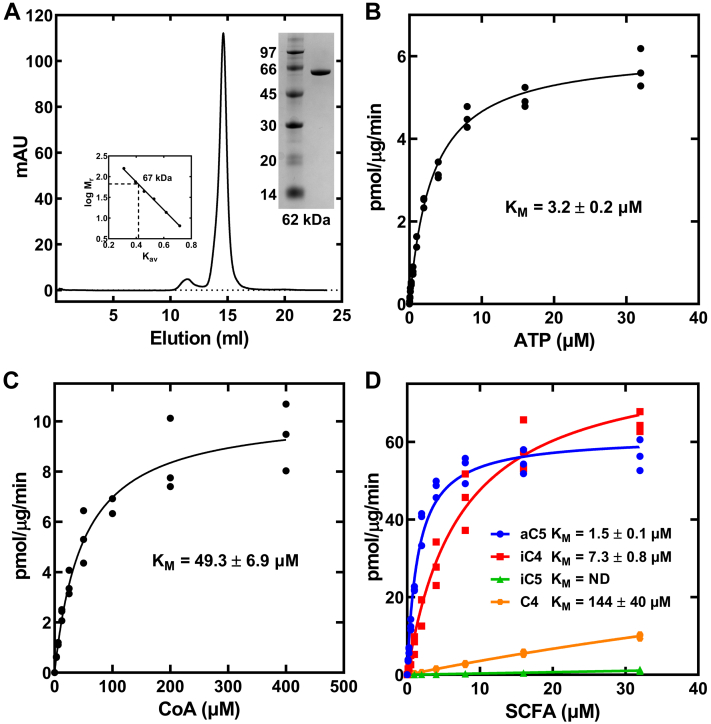
Staphylococcus aureus controls its membrane biophysical properties using branched-chain fatty acids (BCFAs). The branched-chain acyl-CoA precursors, utilized to initiate fatty acid synthesis, are derived from branched-chain ketoacid dehydrogenase (Bkd), a multiprotein complex that converts α-keto acids to their corresponding acyl-CoAs; however, Bkd KO strains still contain BCFAs. Here, we show that commonly used rich medias contain substantial concentrations of short-chain acids, like 2-methylbutyric and isobutyric acids, that are incorporated into membrane BCFAs. Bkd-deficient strains cannot grow in defined medium unless it is supplemented with either 2-methylbutyric or isobutyric acid. We performed a screen of candidate KO strains and identified the methylbutyryl-CoA synthetase (mbcS gene; SAUSA300_2542) as required for the incorporation of 2-methylbutyric and isobutyric acids into phosphatidylglycerol. Our mass tracing experiments show that isobutyric acid is converted to isobutyryl-CoA that flows into the even-chain acyl-acyl carrier protein intermediates in the type II fatty acid biosynthesis elongation cycle. Furthermore, purified MbcS is an ATP-dependent acyl-CoA synthetase that selectively catalyzes the activation of 2-methylbutyrate and isobutyrate. We found that butyrate and isovalerate are poor MbcS substrates and activity was not detected with acetate or short-chain dicarboxylic acids. Thus, MbcS functions to convert extracellular 2-methylbutyric and isobutyric acids to their respective acyl-CoAs that are used by 3-ketoacyl-ACP synthase III (FabH) to initiate BCFA biosynthesis.
金黄色葡萄球菌使用支链脂肪酸 (BCFA) 来控制其膜生物物理特性。支链酰基辅酶 A 前体,用于启动脂肪酸合成,来自支链酮酸脱氢酶 (Bkd),这是一种多蛋白复合物,将 α-酮酸转化为其相应的酰基辅酶 A;然而,Bkd KO 菌株仍含有 BCFA。在这里,我们表明常用的丰富培养基含有大量的短链酸,如 2-甲基丁酸和异丁酸,这些酸被掺入膜 BCFA 中。Bkd 缺陷菌株不能在限定培养基中生长,除非补充 2-甲基丁酸或异丁酸。我们进行了候选 KO 菌株的筛选,并确定了甲基丁酰基辅酶 A 合成酶 (mbcS 基因;SAUSA300_2542) 是将 2-甲基丁酸和异丁酸掺入磷脂酰甘油所必需的。我们的示踪实验表明,异丁酸被转化为异丁酰基辅酶 A,然后流入 II 型脂肪酸生物合成延伸循环中的偶数链酰基酰基载体蛋白中间体。此外,纯化的 MbcS 是一种依赖于 ATP 的酰基辅酶 A 合成酶,它选择性地催化 2-甲基丁酸和异丁酸的激活。我们发现丁酸盐和异戊酸盐是较差的 MbcS 底物,并且没有检测到乙酸盐或短链二羧酸的活性。因此,MbcS 的功能是将细胞外的 2-甲基丁酸和异丁酸转化为它们各自的酰基辅酶 A,然后由 3-酮酰基-ACP 合酶 III (FabH) 将其用于启动 BCFA 生物合成。