Azab Mohammad Y, Hameed Mohamed Farhat O, Obayya Salah S A
Mathematics and Engineering Physics Department, Faculty of Engineering, University of Mansoura, Mansoura 35516, Egypt.
Center for Photonics and Smart Materials, Zewail City of Science and Technology, October Gardens, 6th of October City, Giza 12578, Egypt.
Biology (Basel). 2023 Feb 1;12(2):232. doi: 10.3390/biology12020232.
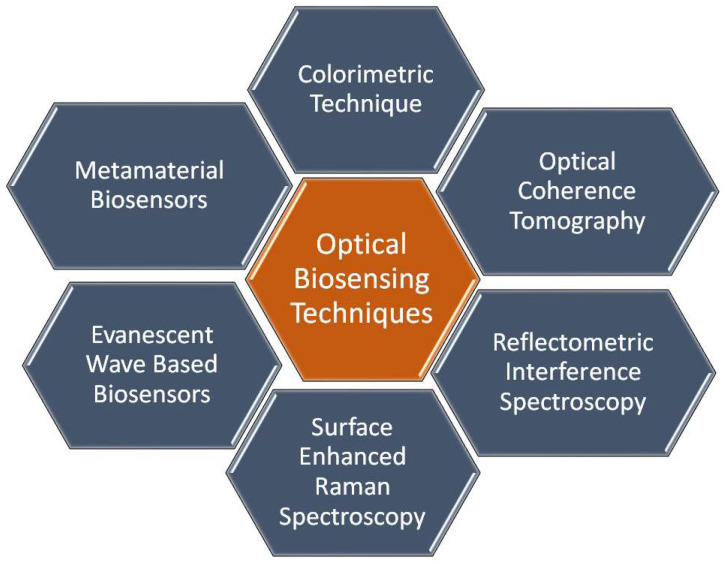
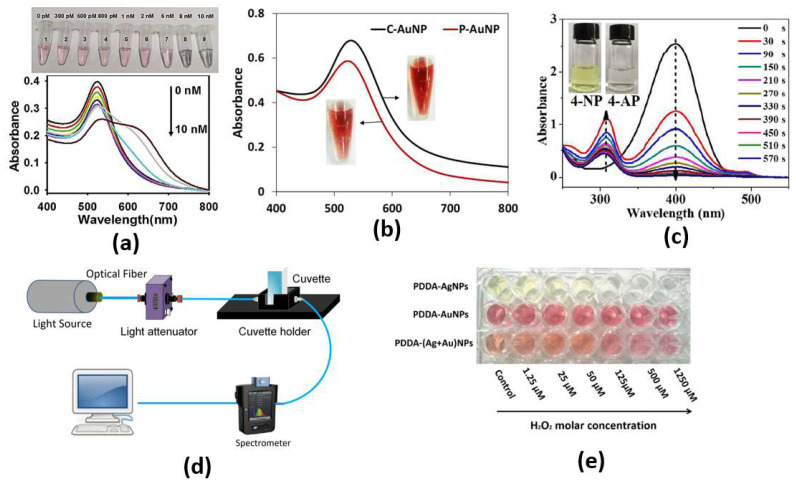
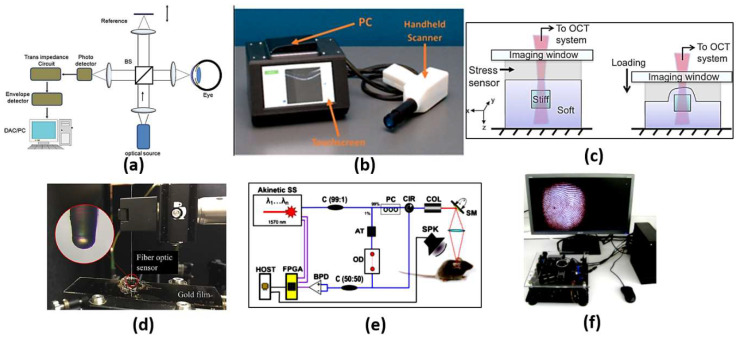
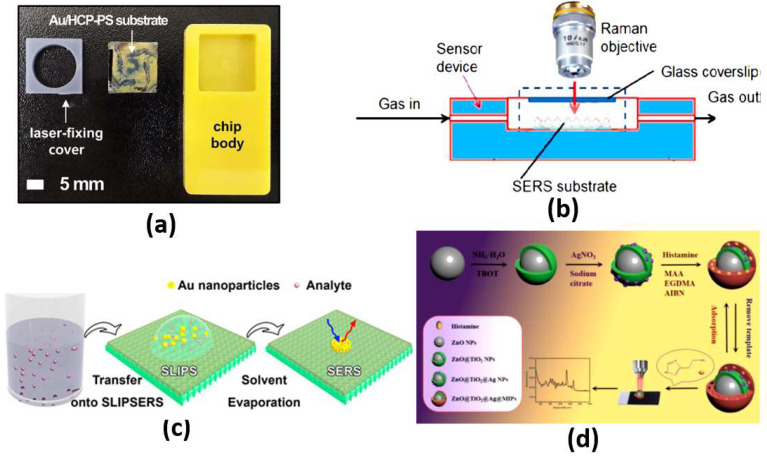
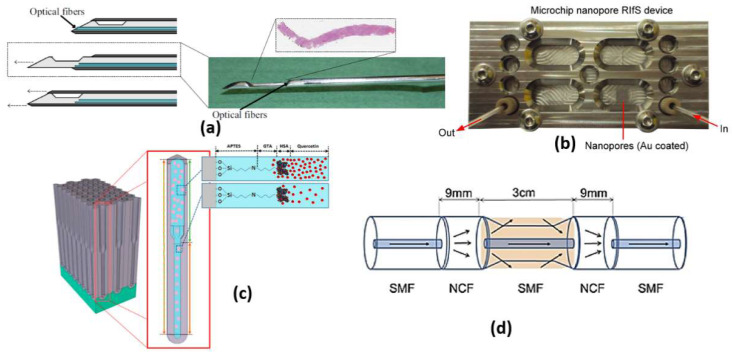
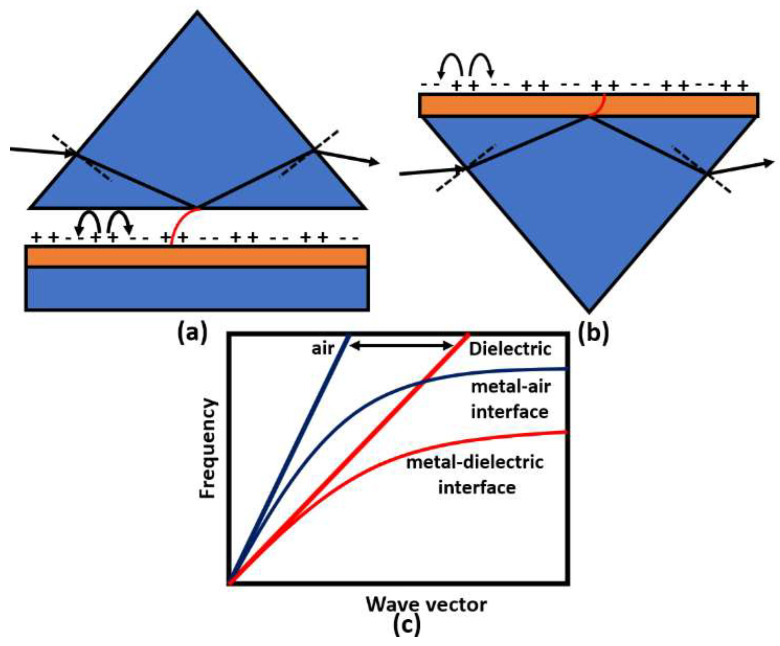
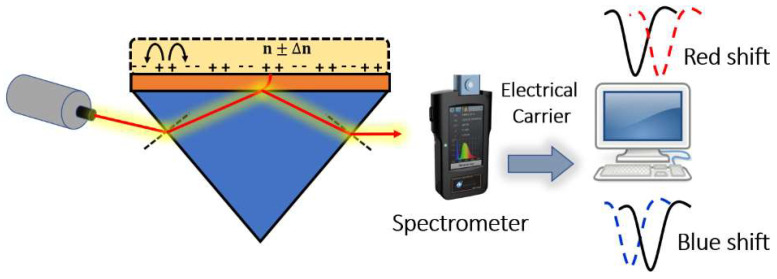
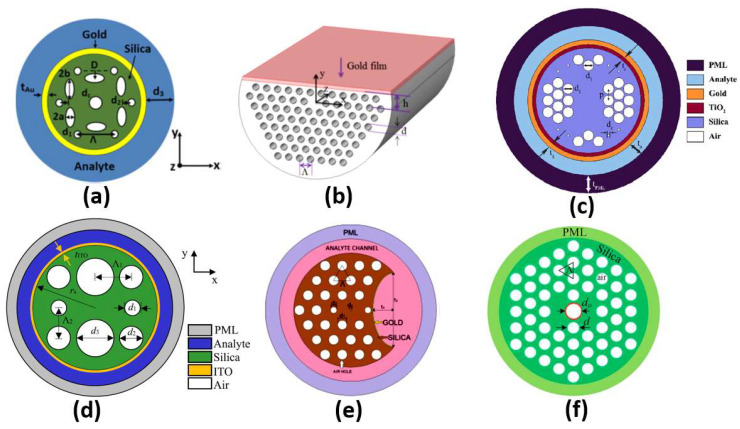
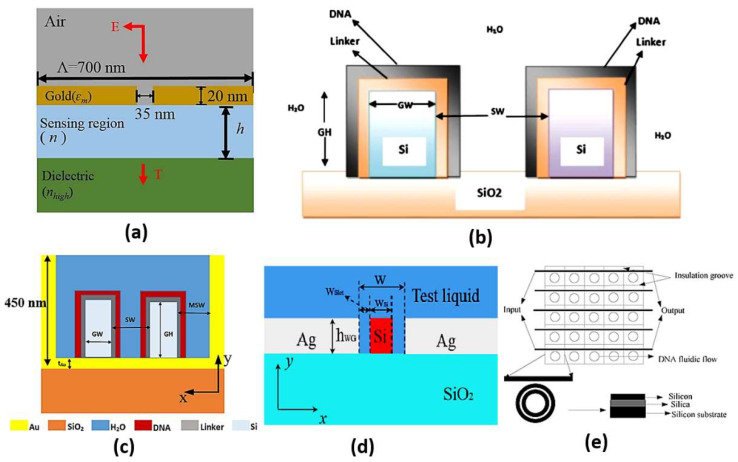
Conventional cancer detection and treatment methodologies are based on surgical, chemical and radiational processes, which are expensive, time consuming and painful. Therefore, great interest has been directed toward developing sensitive, inexpensive and rapid techniques for early cancer detection. Optical biosensors have advantages in terms of high sensitivity and being label free with a compact size. In this review paper, the state of the art of optical biosensors for early cancer detection is presented in detail. The basic idea, sensitivity analysis, advantages and limitations of the optical biosensors are discussed. This includes optical biosensors based on plasmonic waveguides, photonic crystal fibers, slot waveguides and metamaterials. Further, the traditional optical methods, such as the colorimetric technique, optical coherence tomography, surface-enhanced Raman spectroscopy and reflectometric interference spectroscopy, are addressed.
传统的癌症检测和治疗方法基于手术、化学和放射过程,这些方法昂贵、耗时且痛苦。因此,人们对开发用于早期癌症检测的灵敏、廉价且快速的技术产生了浓厚兴趣。光学生物传感器在高灵敏度、无需标记且尺寸紧凑方面具有优势。在这篇综述论文中,详细介绍了用于早期癌症检测的光学生物传感器的现状。讨论了光学生物传感器的基本原理、灵敏度分析、优点和局限性。这包括基于表面等离子体波导、光子晶体光纤、狭缝波导和超材料的光学生物传感器。此外,还讨论了传统的光学方法,如比色技术、光学相干断层扫描、表面增强拉曼光谱和反射干涉光谱。