Tain You-Lin, Yang Hung-Wei, Hou Chih-Yao, Chang-Chien Guo-Ping, Lin Sufan, Hsu Chien-Ning
Division of Pediatric Nephrology, Kaohsiung Chang Gung Memorial Hospital, Kaohsiung 833, Taiwan.
College of Medicine, Chang Gung University, Taoyuan 333, Taiwan.
Antioxidants (Basel). 2023 Feb 17;12(2):513. doi: 10.3390/antiox12020513.
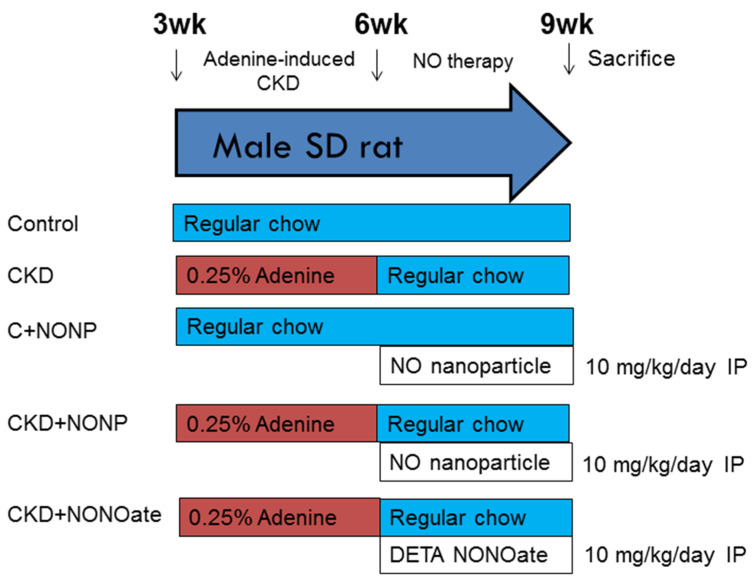
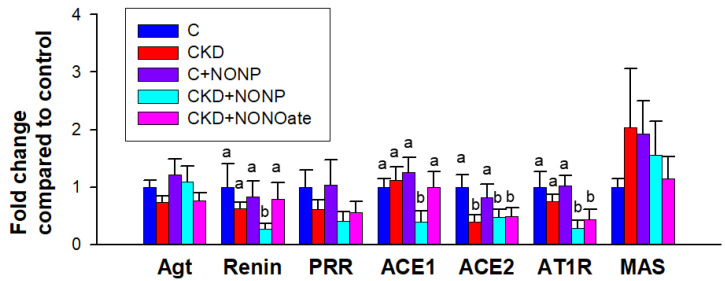
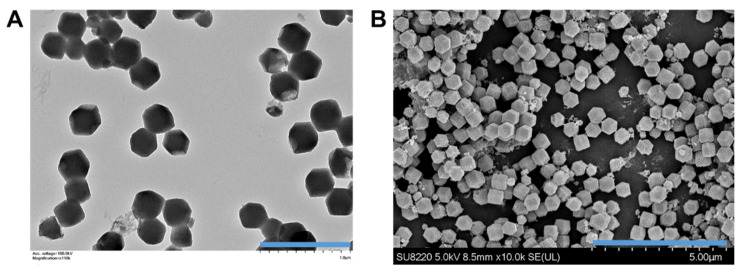
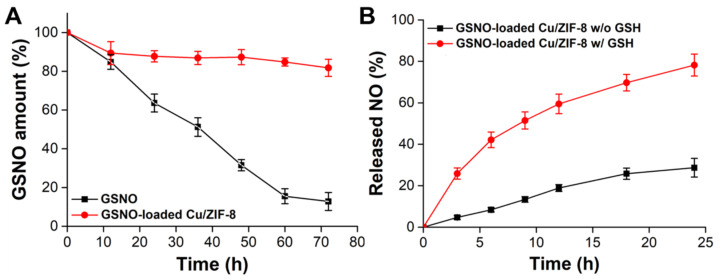
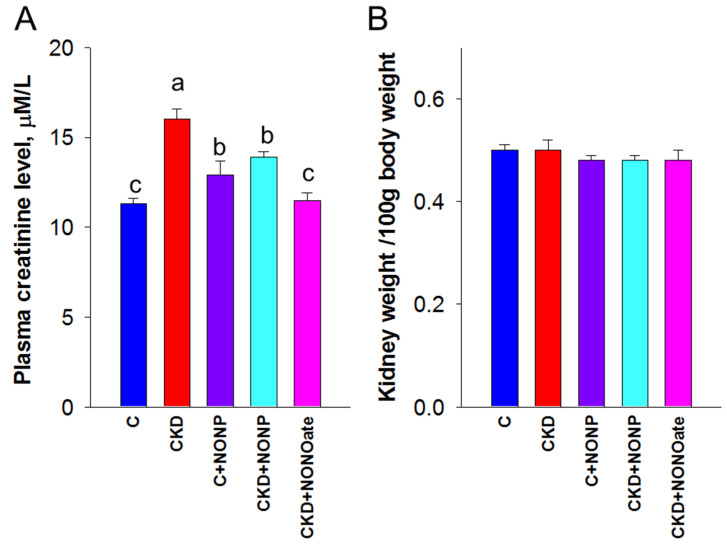
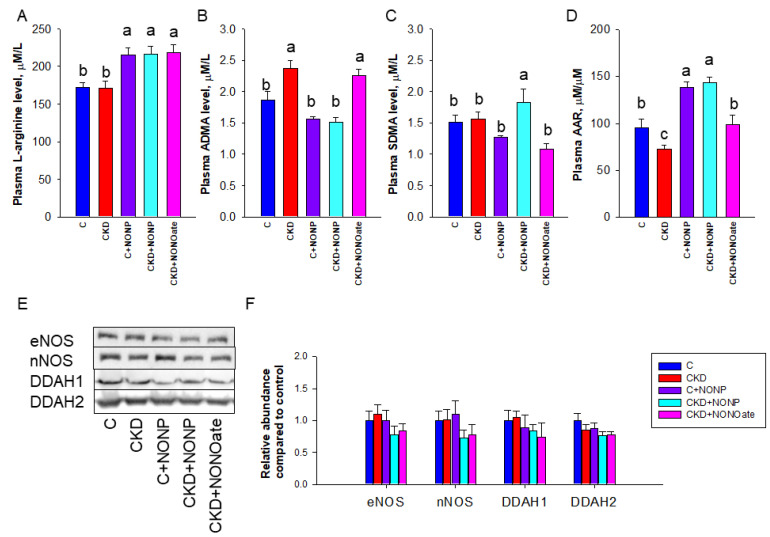
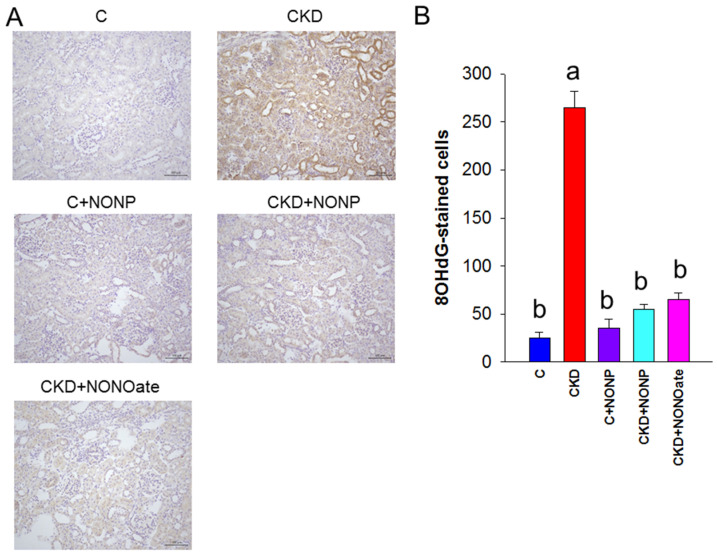
Hypertension is the most common complication of chronic kidney disease (CKD) in children but is still poorly controlled. Nitric oxide (NO) deficiency plays a pivotal role in CKD and hypertension. NO is known to have health benefits, while NO typically has a short half-life and is not specifically targeted. In this study, we used a pediatric CKD model, which was induced in young rats by feeding them 0.25% adenine. We investigated two different NO donors, namely S-nitrosoglutathione (GSNO) and diethylenetriamine/NO adduct (DETA NONOate) via intraperitoneal injection at 10 mg/kg/day daily for 3 weeks. GSNO was delivered by Cu-doped zeolitic imidazolate framework (Cu/ZIF-8) nanoparticles to generate NO. As a result, we observed Cu/ZIF-8 nanoparticles were successfully loaded with GSNO and were able to release NO. Young rats fed with adenine displayed kidney dysfunction and hypertension at 9 weeks of age, which were prevented by GSNO-loaded nanoparticle or DETA NONOate treatment. GSNO-loaded nanoparticles reduced CKD-induced hypertension, which was related to an enhanced endogenous NO-generating system, reduced renal oxidative stress, and downregulated several components belonging to the classic renin-angiotensin (RAS) system. Our results cast new light on targeting NO delivery through the use of nanoparticles aiming to improve child-focused outcomes related to CKD worthy of clinical translation.
高血压是儿童慢性肾脏病(CKD)最常见的并发症,但控制效果仍然不佳。一氧化氮(NO)缺乏在CKD和高血压中起关键作用。已知NO对健康有益,然而NO通常半衰期较短且缺乏特异性靶向性。在本研究中,我们使用了一种儿科CKD模型,通过给幼鼠喂食0.25%腺嘌呤来诱导该模型。我们通过腹腔注射,以每天10 mg/kg的剂量,连续3周研究了两种不同的NO供体,即S-亚硝基谷胱甘肽(GSNO)和二乙三胺/NO加合物(DETA NONOate)。GSNO由铜掺杂的沸石咪唑框架(Cu/ZIF-8)纳米颗粒递送以产生NO。结果,我们观察到Cu/ZIF-8纳米颗粒成功负载了GSNO并能够释放NO。喂食腺嘌呤的幼鼠在9周龄时出现肾功能障碍和高血压,而负载GSNO的纳米颗粒或DETA NONOate治疗可预防这些情况。负载GSNO的纳米颗粒减轻了CKD诱导的高血压,这与内源性NO生成系统增强、肾脏氧化应激降低以及经典肾素-血管紧张素(RAS)系统的几个成分下调有关。我们的研究结果为通过使用纳米颗粒靶向递送NO以改善与CKD相关的儿童相关结局提供了新的思路,值得临床转化。