Ahn Chae Ryeong, Kim Hyo In, Kim Jai-Eun, Ha In Jin, Ahn Kwang Seok, Park Jinbong, Kim Young Woo, Baek Seung Ho
Department of Science in Korean Medicine, Graduate School, Kyung Hee University, Seoul 02447, Republic of Korea.
Department of Surgery, Beth Israel Deaconess Medical Center, Harvard Medical School, Boston, MA 02215, USA.
Biomedicines. 2023 Jan 30;11(2):405. doi: 10.3390/biomedicines11020405.
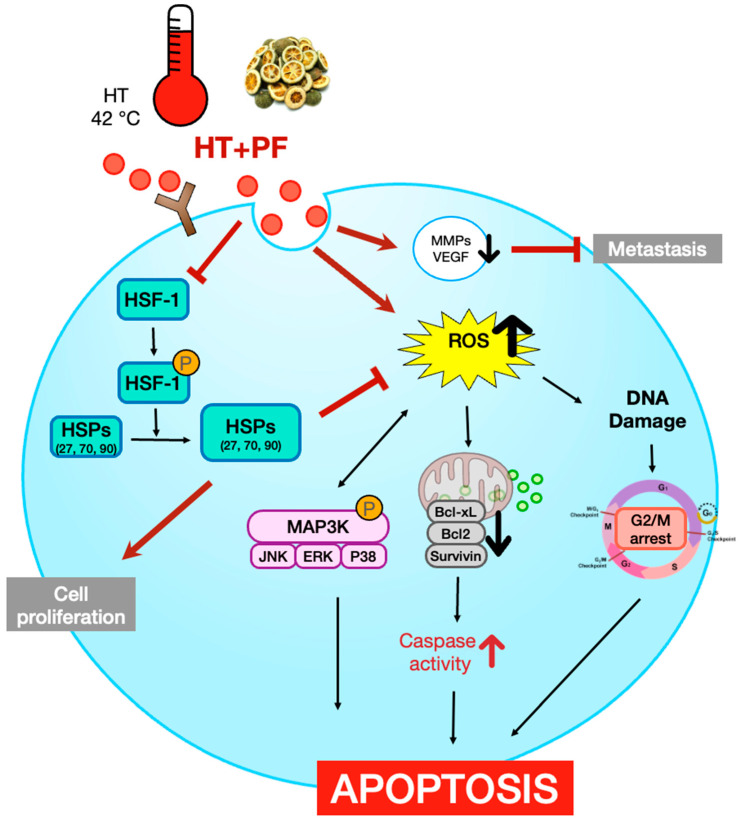
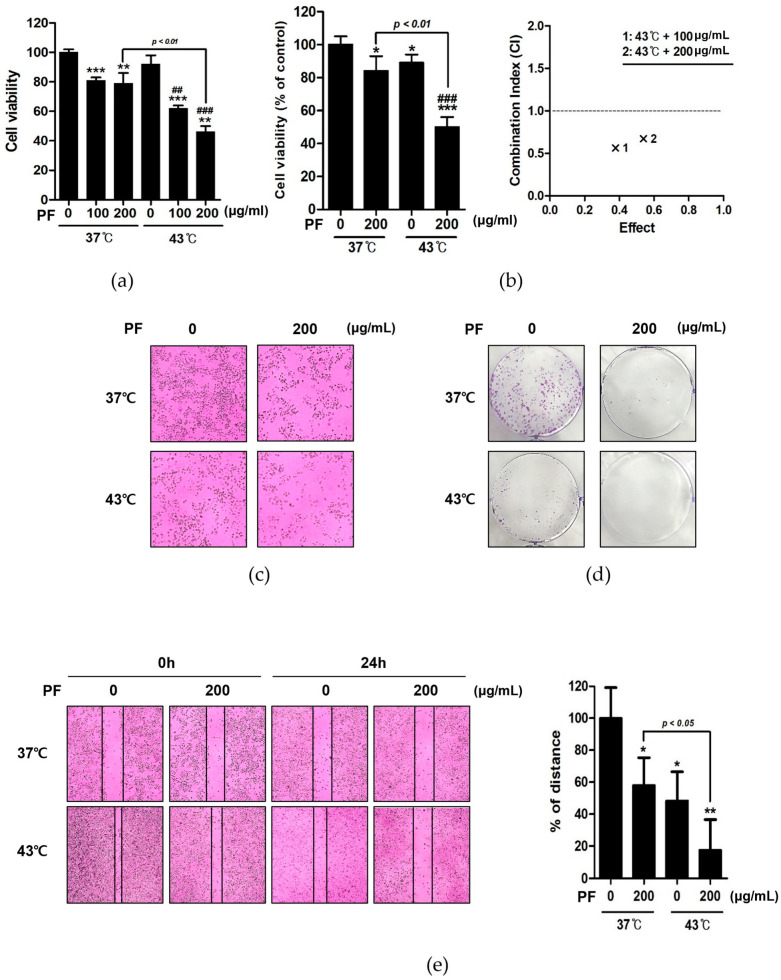
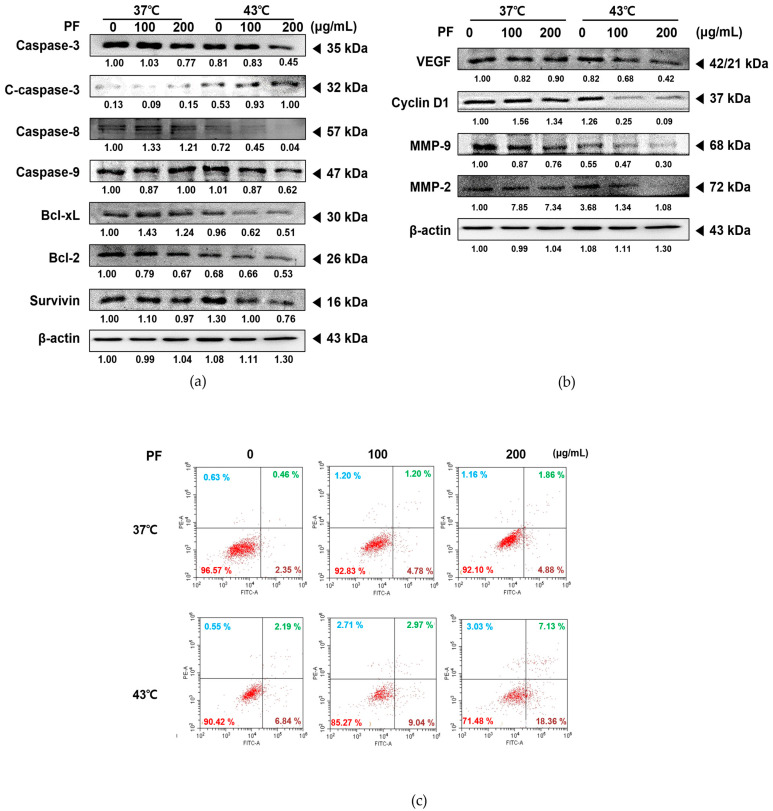
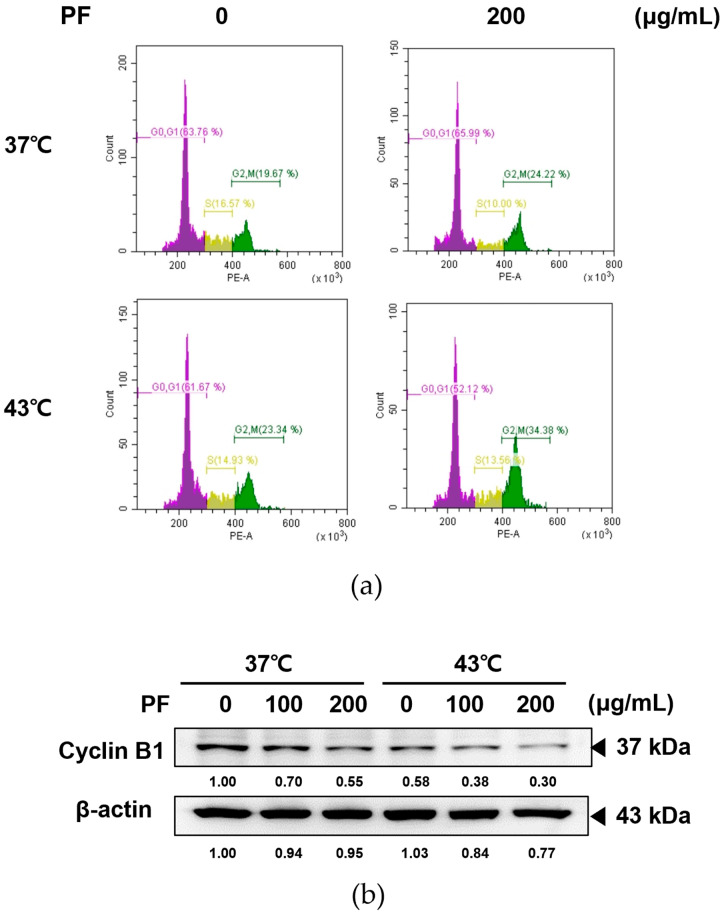
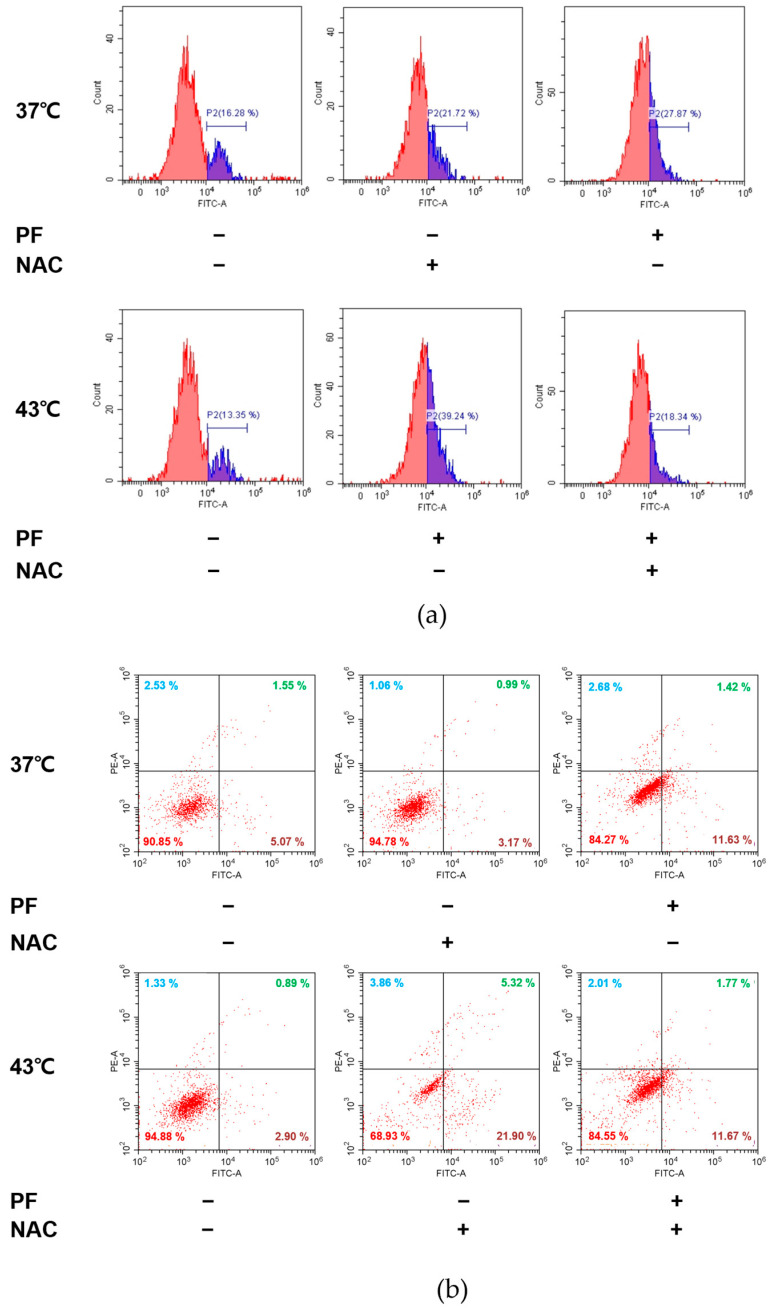
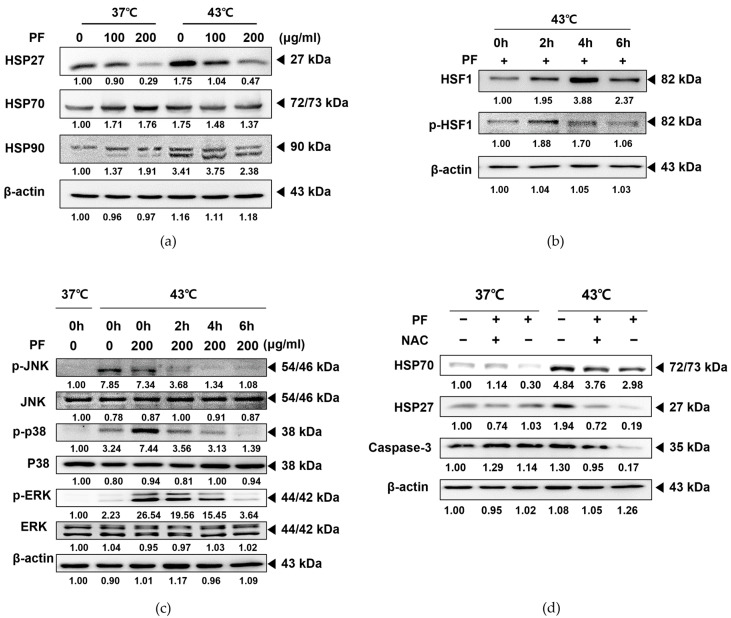
Gastric cancer has been associated with a high incidence and mortality, accompanied by a poor prognosis. Given the limited therapeutic options to treat gastric cancer, alternative treatments need to be urgently developed. Hyperthermia therapy is a potentially effective and safe treatment option for cancer; however, certain limitations need to be addressed. We applied 43 °C hyperthermia to AGS gastric cancer cells combined with Ponciri Fructus Immaturus (PF) to establish their synergistic effects. Co-treatment with PF and hyperthermia synergistically suppressed AGS cell proliferation by inducing extrinsic and intrinsic apoptotic pathways. Additionally, PF and hyperthermia suppressed factors related to metastasis. Cell cycle arrest was determined by flow cytometry, revealing that co-treatment induced arrest at the G2/M phase. As reactive oxygen species (ROS) are critical in hyperthermia therapy, we next examined changes in ROS generation. Co-treatment with PF and hyperthermia increased ROS levels, and apoptotic induction mediated by this combination was partially dependent on ROS generation. Furthermore, heat shock factor 1 and heat shock proteins (HSPs) were notably suppressed following co-treatment with PF and hyperthermia. The HSP-regulating effect was also dependent on ROS generation. Overall, these findings suggest that co-treatment with PF and hyperthermia could afford a promising anticancer therapy for gastric cancer.
胃癌具有高发病率和死亡率,且预后较差。鉴于治疗胃癌的选择有限,迫切需要开发替代疗法。热疗是一种对癌症潜在有效且安全的治疗选择;然而,某些局限性需要解决。我们将43℃热疗应用于AGS胃癌细胞,并联合枳实(PF)以确定它们的协同作用。PF与热疗联合处理通过诱导外源性和内源性凋亡途径协同抑制AGS细胞增殖。此外,PF和热疗抑制与转移相关的因子。通过流式细胞术确定细胞周期停滞,结果显示联合处理诱导细胞停滞于G2/M期。由于活性氧(ROS)在热疗中至关重要,接下来我们检测了ROS生成的变化。PF与热疗联合处理增加了ROS水平,并且这种联合介导的凋亡诱导部分依赖于ROS生成。此外,PF与热疗联合处理后热休克因子1和热休克蛋白(HSPs)显著受到抑制。HSP调节作用也依赖于ROS生成。总体而言,这些发现表明PF与热疗联合处理可为胃癌提供一种有前景的抗癌疗法。