Department of Oncology, Guangdong Second Provincial General Hospital, Guangzhou, China.
Department of Radiation Oncology, Affiliated Cancer Hospital and Institute of Guangzhou Medical University, Guangzhou, China.
Front Immunol. 2022 Oct 27;13:968165. doi: 10.3389/fimmu.2022.968165. eCollection 2022.
Gastric cancer (GC) represents a major global clinical problem with very limited therapeutic options and poor prognosis. Necroptosis, a recently discovered inflammatory form of cell death, has been implicated in carcinogenesis and inducing necroptosis has also been considered as a therapeutic strategy.
We aim to evaluate the role of this pathway in gastric cancer development, prognosis and immune aspects of its tumor microenvironment.
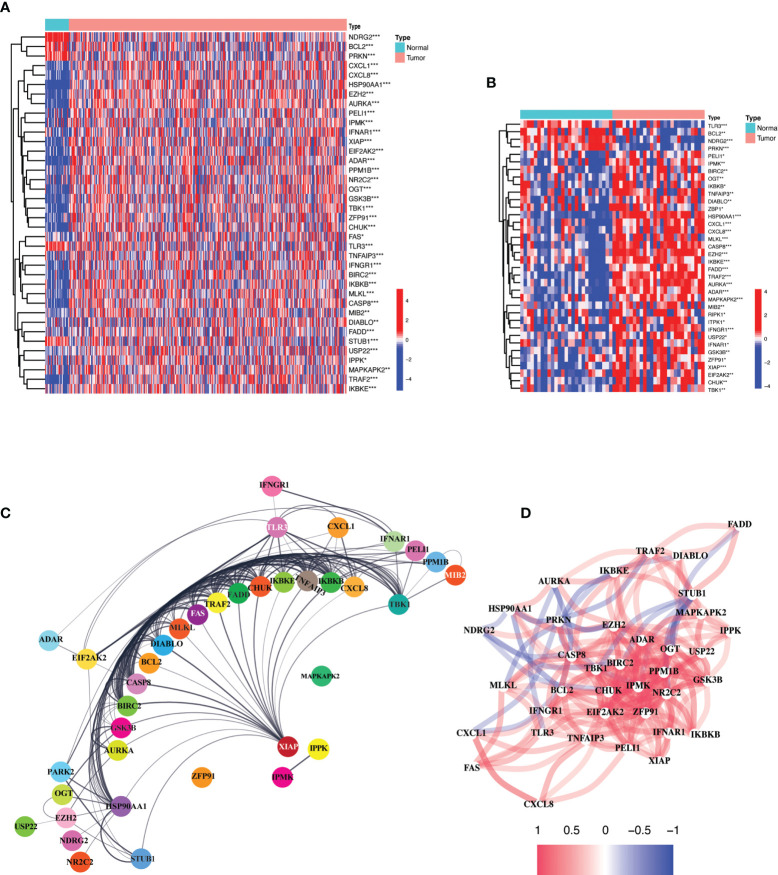
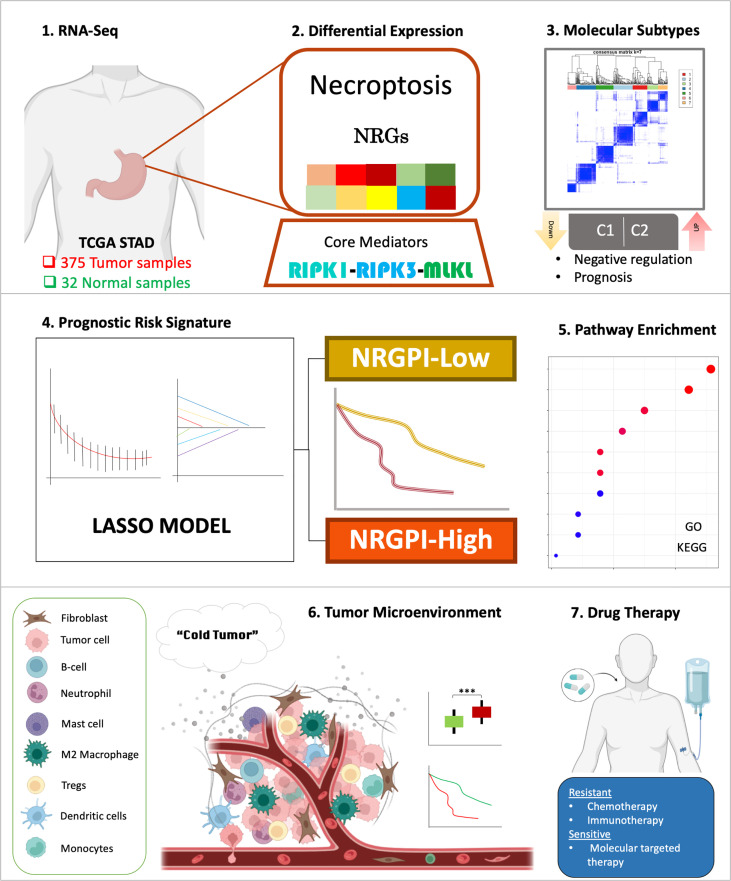
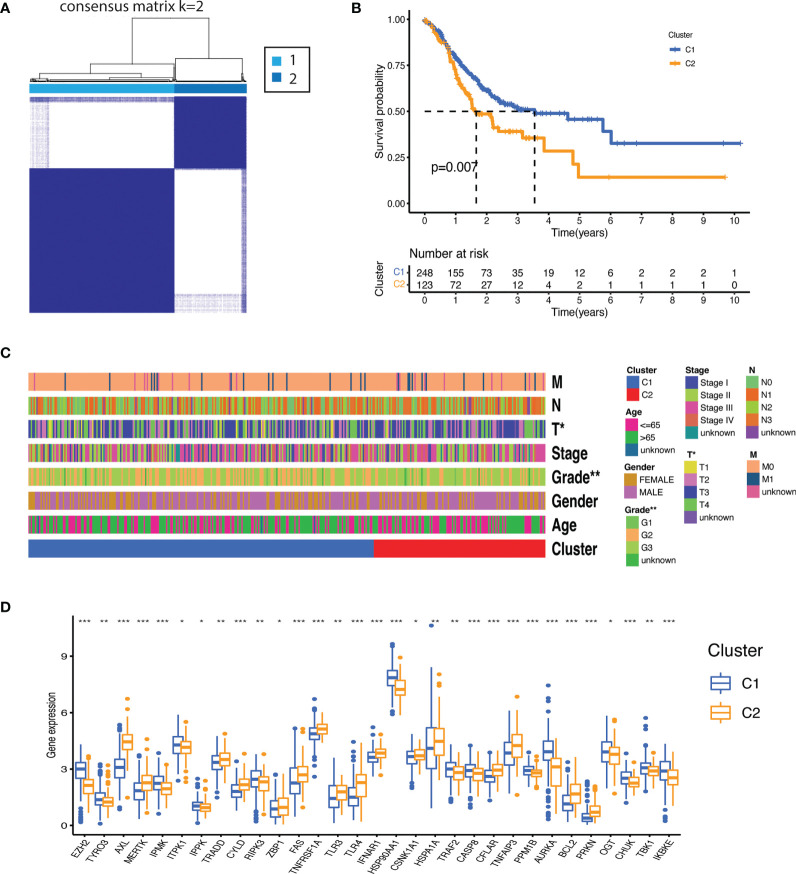
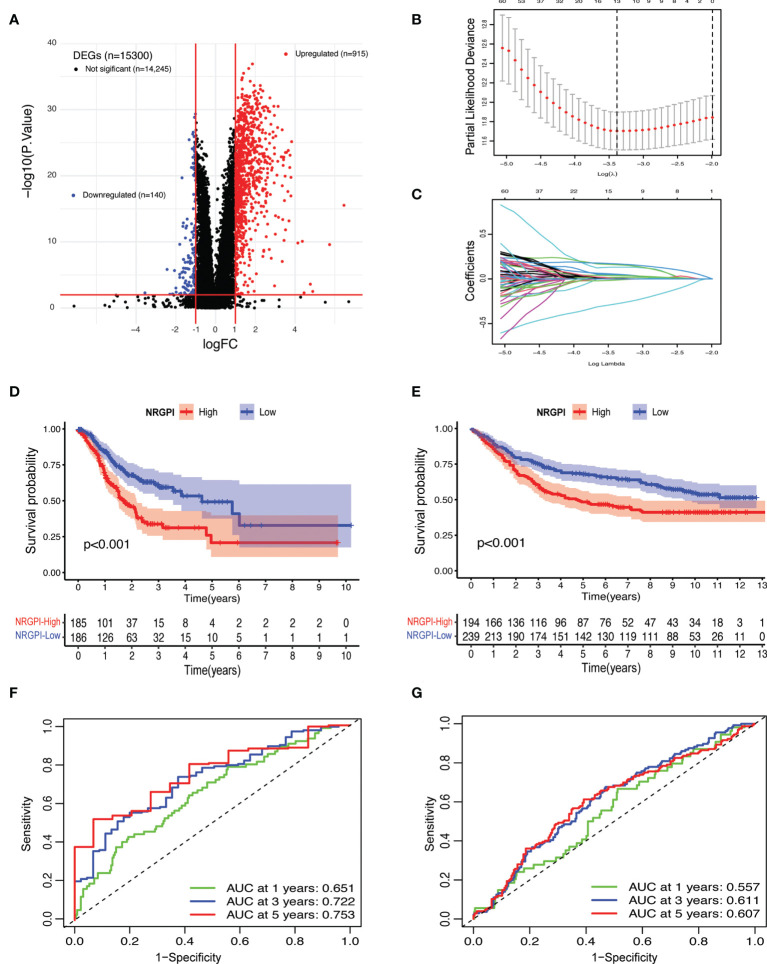
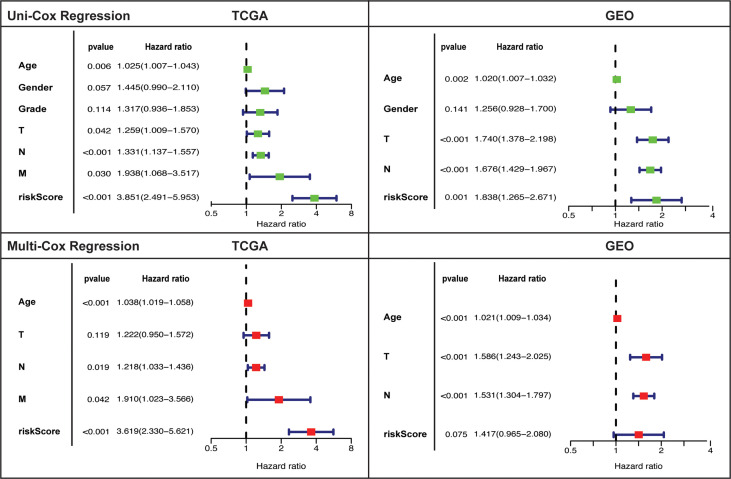
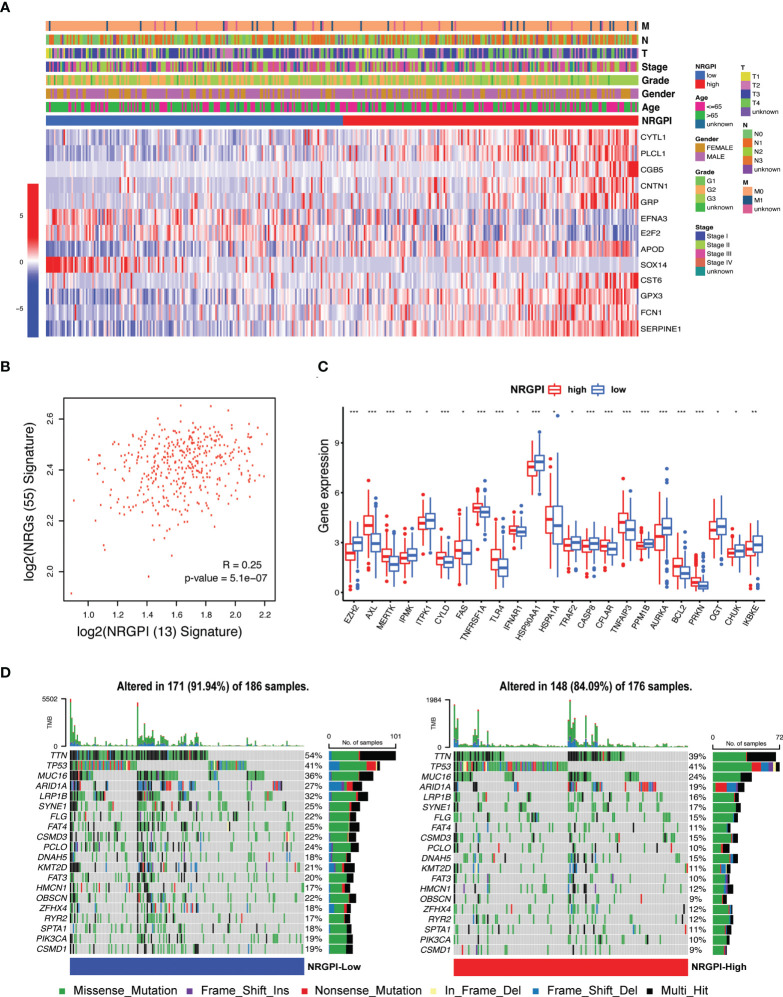
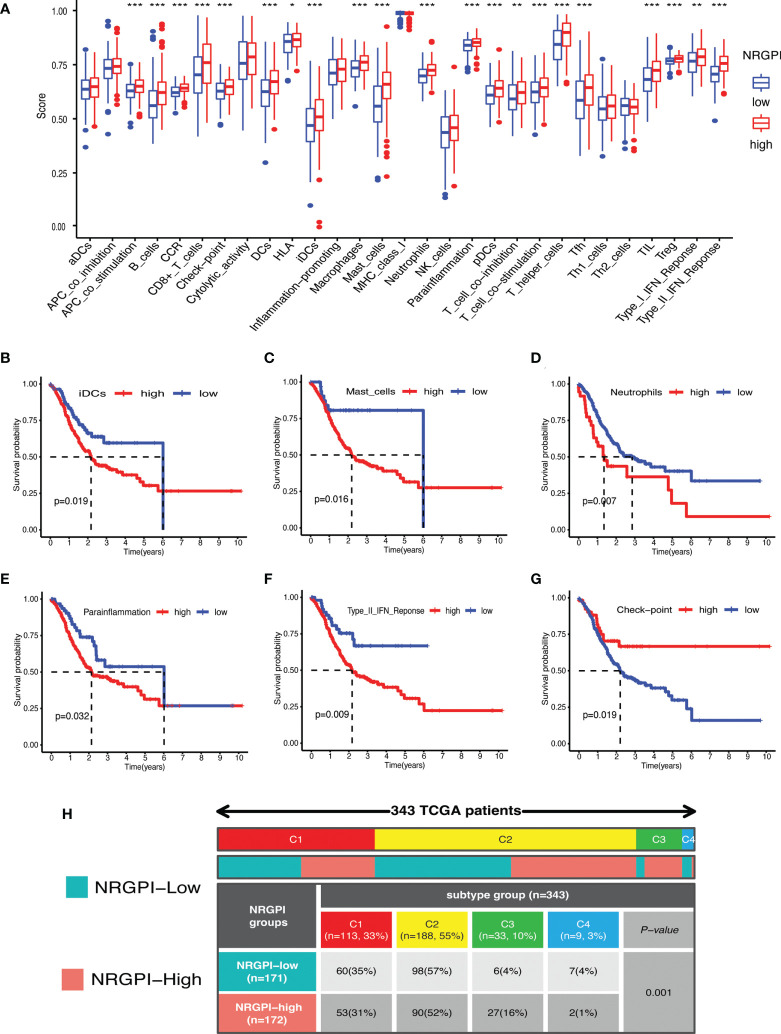
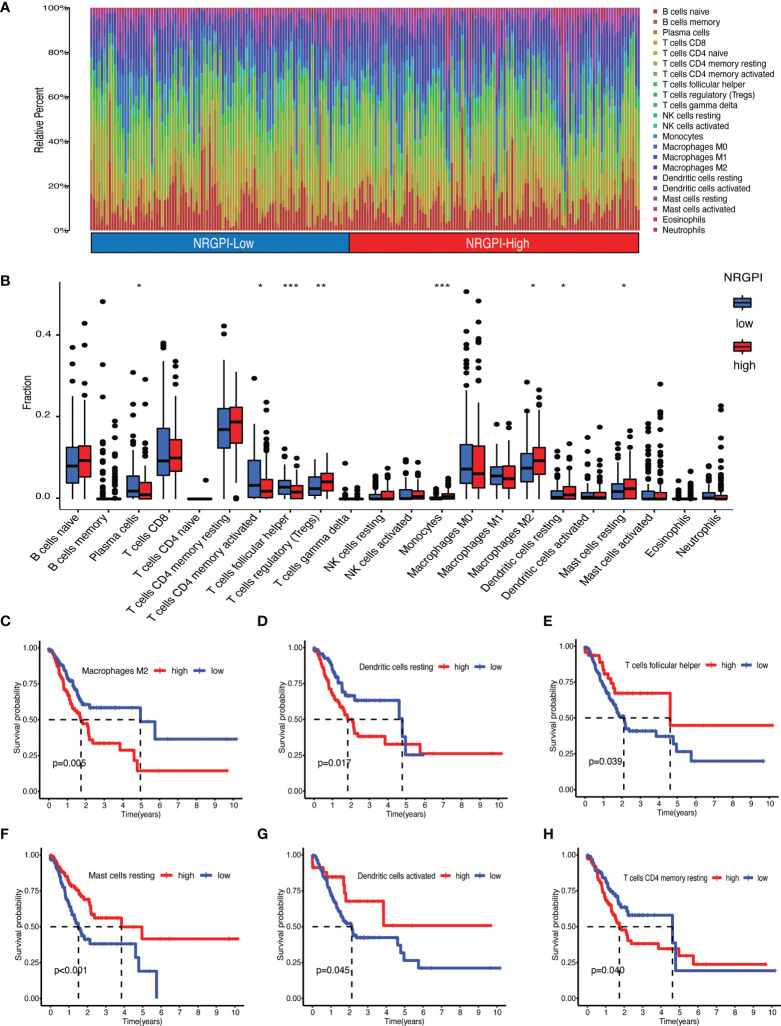
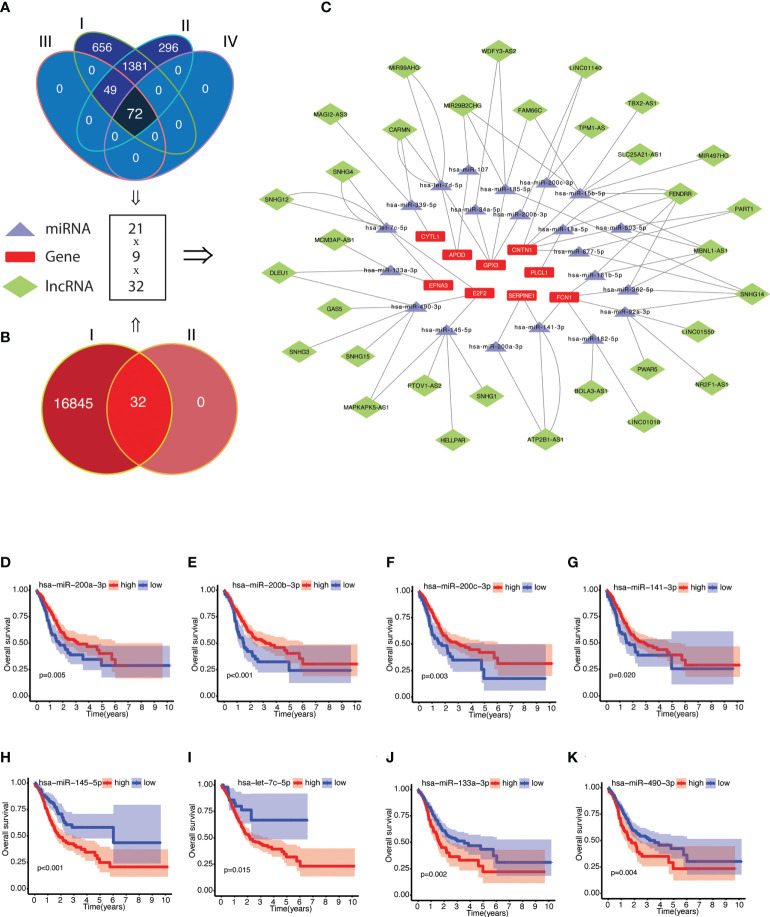
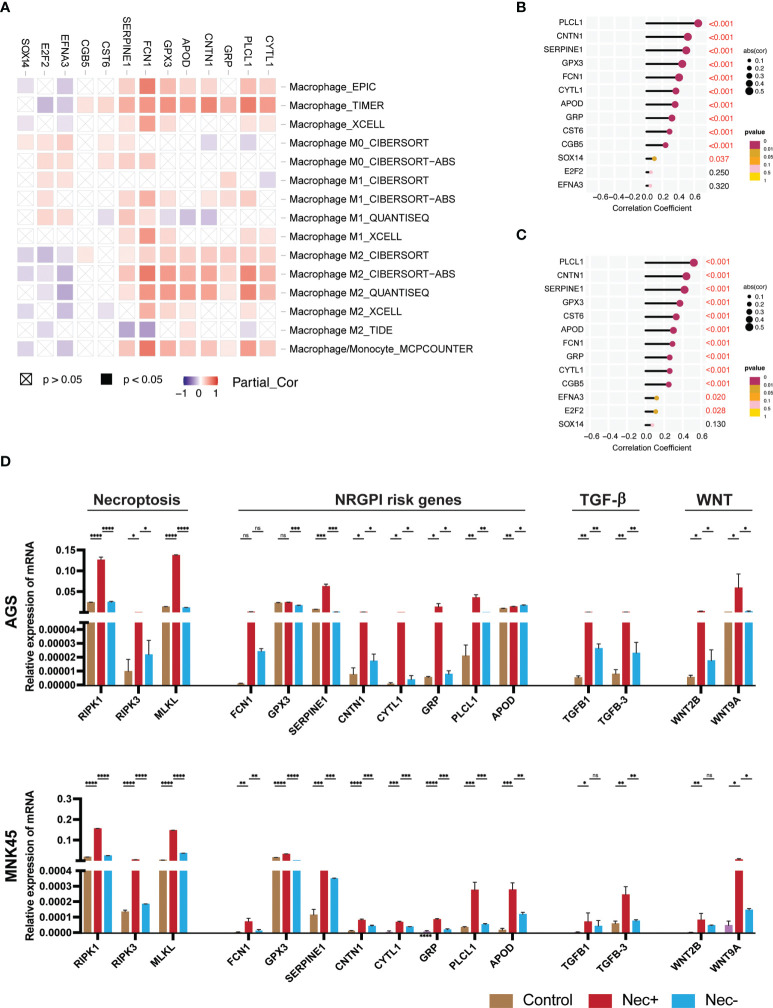
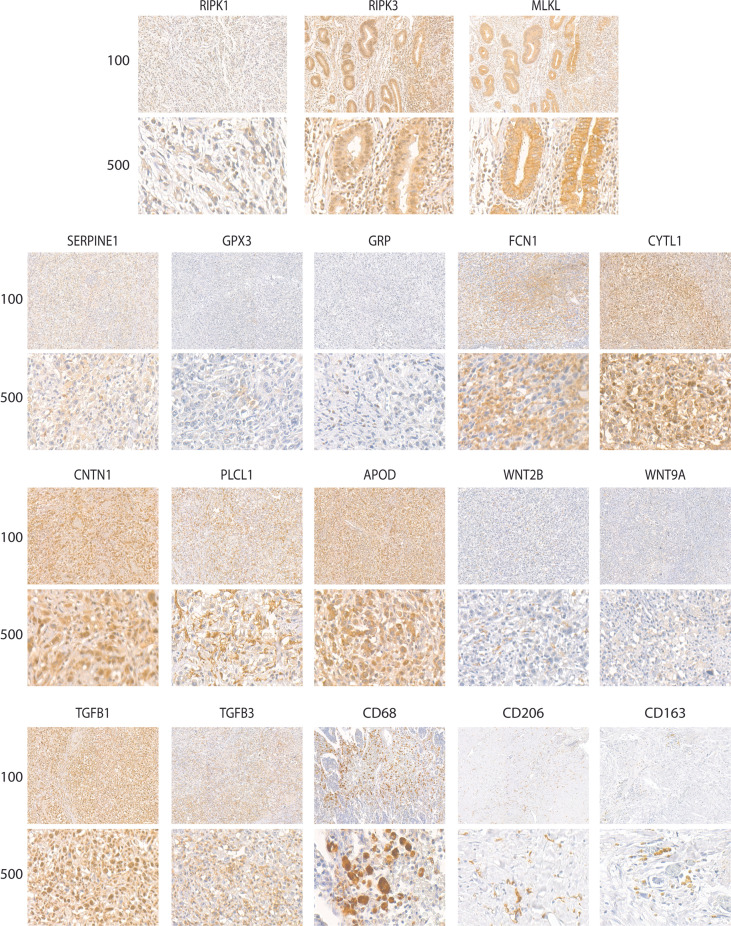
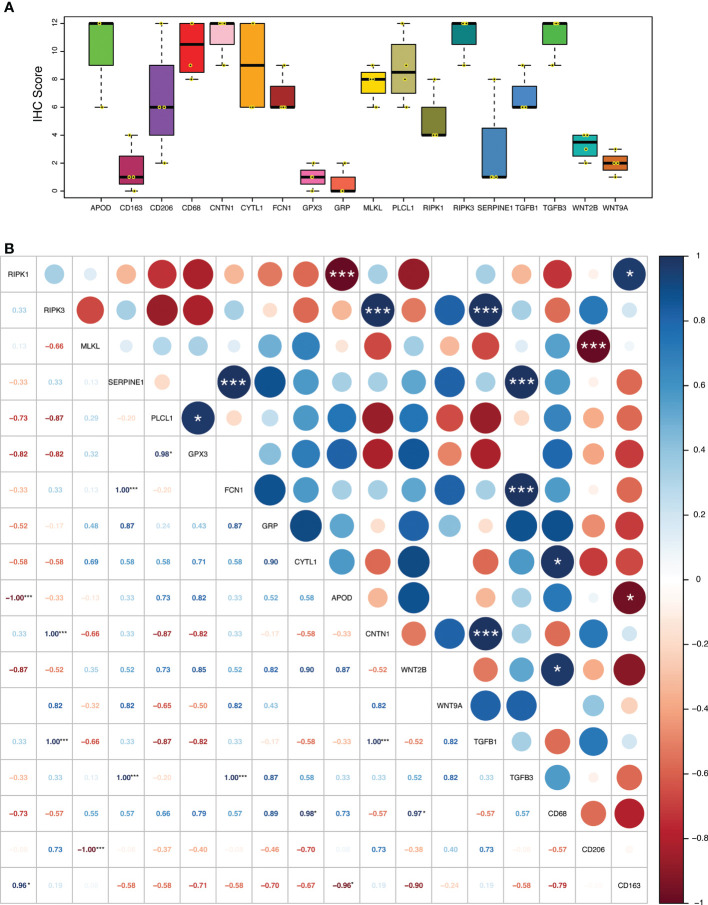
In this study, we evaluated the gene expression of 55 necroptosis-related genes (NRGs) that were identified carrying out a comprehensive review of the medical literature. Necroptosis pathway was deregulated in gastric cancer samples (n=375) as compared to adjacent normal tissues (n=32) obtained from the "The Cancer Genome Atlas (TCGA)". Based on the expression of these NRGs, two molecular subtypes were obtained through consensus clustering that also showed significant prognostic difference. Differentially expressed genes between these two clusters were retrieved and subjected to prognostic evaluation univariate cox regression analysis and LASSO cox regression analysis. A 13-gene risk signature, termed as necroptosis-related genes prognostic index (NRGPI), was constructed that comprehensively differentiated the gastric cancer patients into high- and low-risk subgroups. The prognostic significance of NRGPI was validated in the GEO cohort (GSE84437: n=408). The NRGPI-high subgroup was characterized by upregulation of 10 genes (CYTL1, PLCL1, CGB5, CNTN1, GRP, APOD, CST6, GPX3, FCN1, SERPINE1) and downregulation of 3 genes (EFNA3, E2F2, SOX14). Further dissection of these two risk groups by differential gene expression analysis indicated involvement of signaling pathways associated with cancer cell progression and immune suppression such as WNT and TGF-β signaling pathway. Para-inflammation and type-II interferon pathways were activated in NRGPI-high patients with an increased infiltration of Tregs and M2 macrophage indicating an exhausted immune phenotype of the tumor microenvironment. These molecular characteristics were mainly driven by the eight NRGPI oncogenes (CYTL1, PLCL1, CNTN1, GRP, APOD, GPX3, FCN1, SERPINE1) as validated in the gastric cancer cell lines and clinical samples. NRGPI-high patients showed sensitivity to a number of targeted agents, in particular, the tyrosine kinase inhibitors.
Necroptosis appears to play a critical role in the development of gastric cancer, prognosis and shaping of its tumor immune microenvironment. NRGPI can be used as a promising prognostic biomarker to identify gastric cancer patients with a cold tumor immune microenvironment and poor prognosis who may response to selected molecular targeted therapy.
胃癌(GC)是一个全球性的重大临床问题,治疗选择非常有限,预后较差。细胞程序性坏死(Necroptosis)是一种新发现的炎症形式的细胞死亡,它与癌症的发生有关,诱导细胞程序性坏死也被认为是一种治疗策略。
我们旨在评估该途径在胃癌发展、预后以及肿瘤微环境免疫方面的作用。
在这项研究中,我们评估了 55 个与细胞程序性坏死相关的基因(NRGs)的基因表达,这些基因是通过对医学文献进行全面综述确定的。与从“癌症基因组图谱(TCGA)”获得的 32 个相邻正常组织相比,胃癌样本中细胞程序性坏死途径被下调。基于这些 NRGs 的表达,通过共识聚类获得了两个分子亚型,这些亚型也显示出显著的预后差异。对这两个聚类之间差异表达的基因进行了检索,并进行了预后评估的单因素 cox 回归分析和 LASSO cox 回归分析。构建了一个由 13 个基因组成的风险签名,称为与细胞程序性坏死相关的基因预后指数(NRGPI),它可以全面区分胃癌患者的高风险和低风险亚组。NRGPI 在 GEO 队列(GSE84437:n=408)中进行了验证。NRGPI 高分组的特征是 10 个基因(CYTL1、PLCL1、CGB5、CNTN1、GRP、APOD、CST6、GPX3、FCN1、SERPINE1)上调和 3 个基因(EFNA3、E2F2、SOX14)下调。通过差异基因表达分析进一步剖析这两个风险组表明,与癌症细胞进展和免疫抑制相关的信号通路(如 WNT 和 TGF-β 信号通路)参与其中。在 NRGPI 高分组中,发现了副炎症和 II 型干扰素途径的激活,伴随着 Treg 和 M2 巨噬细胞的浸润增加,表明肿瘤微环境中的免疫表型衰竭。这些分子特征主要由 NRGPI 中的 8 个致癌基因(CYTL1、PLCL1、CNTN1、GRP、APOD、GPX3、FCN1、SERPINE1)驱动,这在胃癌细胞系和临床样本中得到了验证。NRGPI 高分组的患者对多种靶向药物敏感,特别是酪氨酸激酶抑制剂。
细胞程序性坏死似乎在胃癌的发生、预后和肿瘤免疫微环境的形成中起着关键作用。NRGPI 可作为一种有前途的预后生物标志物,用于识别具有冷肿瘤免疫微环境和预后不良的胃癌患者,这些患者可能对选定的分子靶向治疗有反应。