State Key Laboratory of Virology and Hubei Province Key Laboratory of Allergy and Immunology, Department of Medical Microbiology, School of Basic Medical Sciences, Wuhan University, Wuhan 430071, China.
Int J Mol Sci. 2023 Feb 7;24(4):3263. doi: 10.3390/ijms24043263.
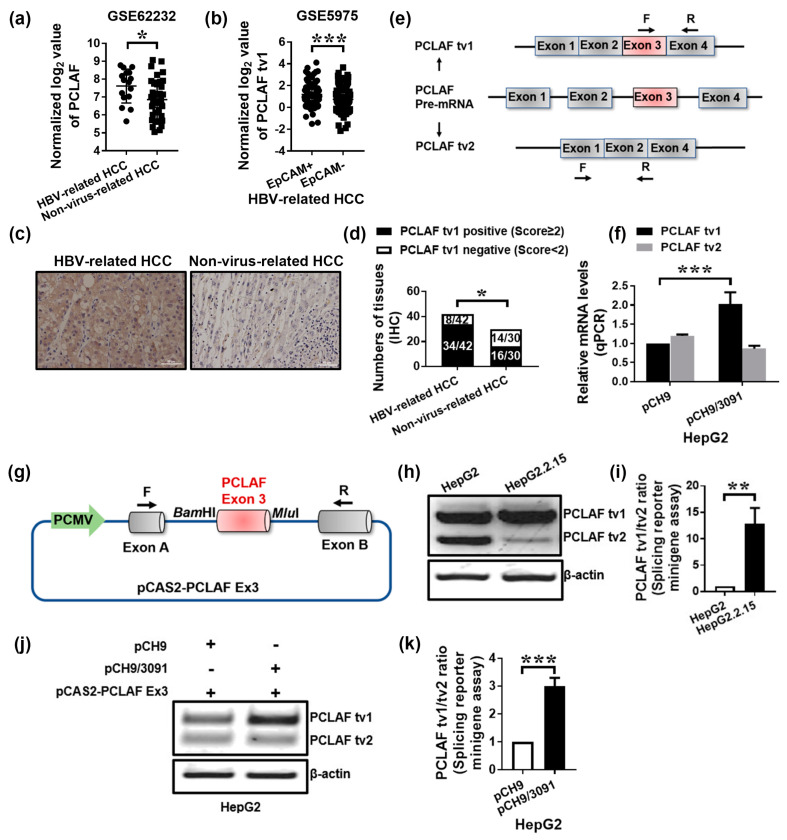
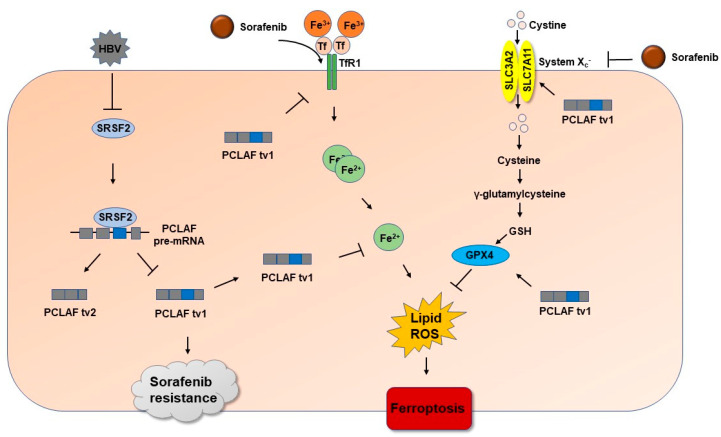
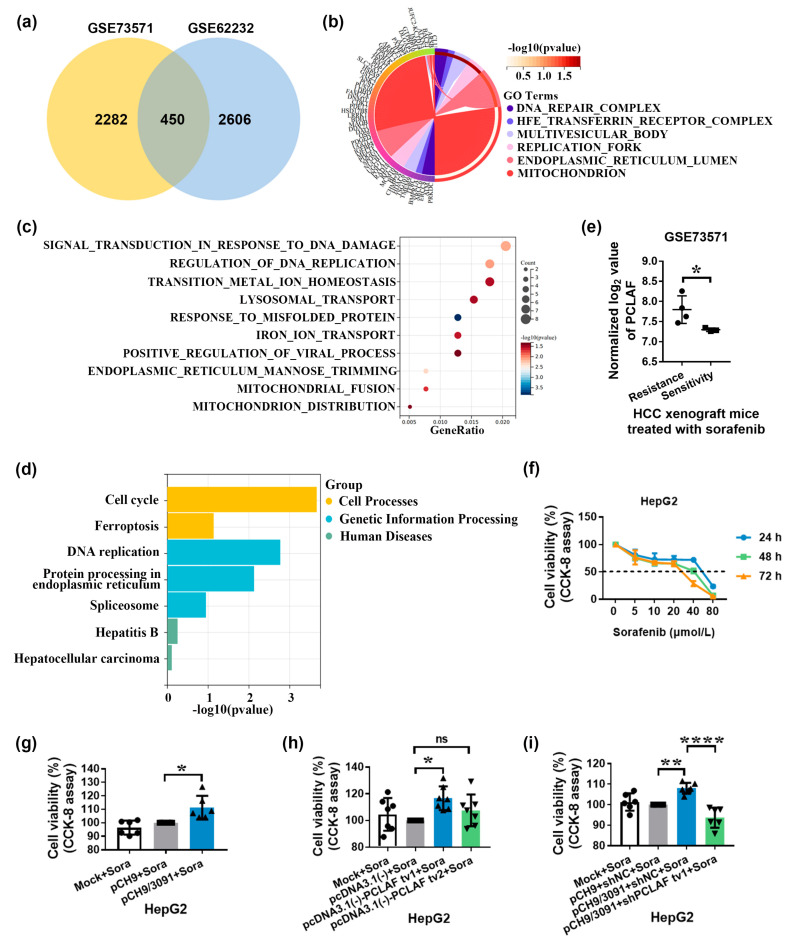
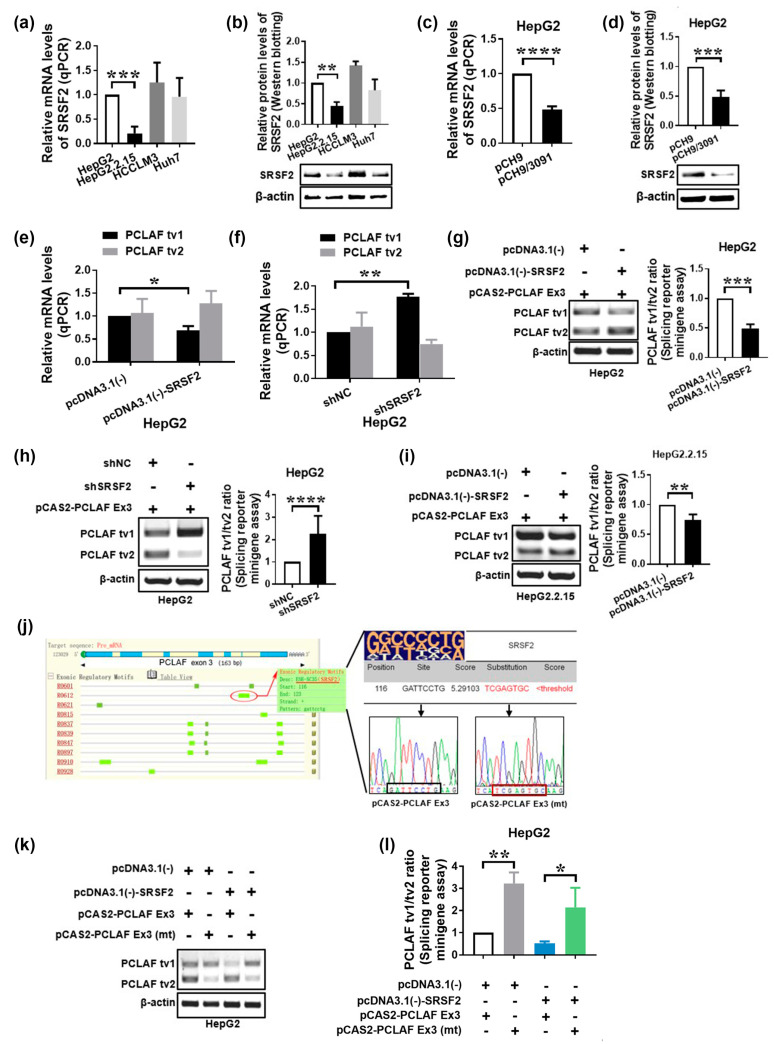
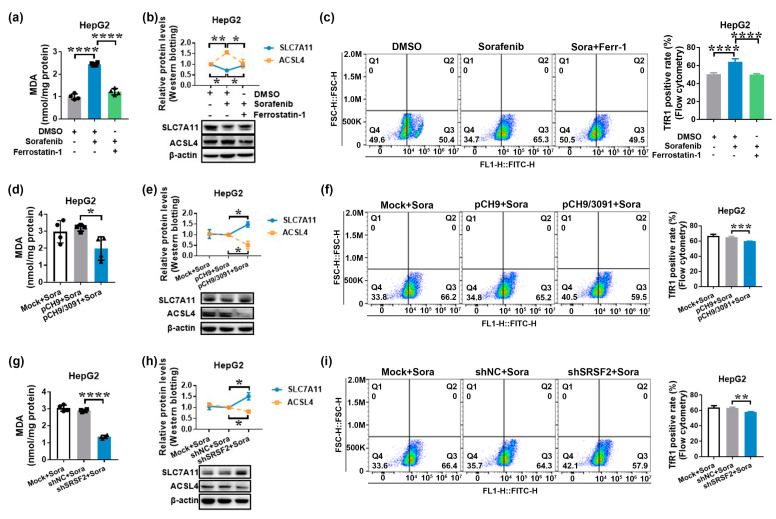
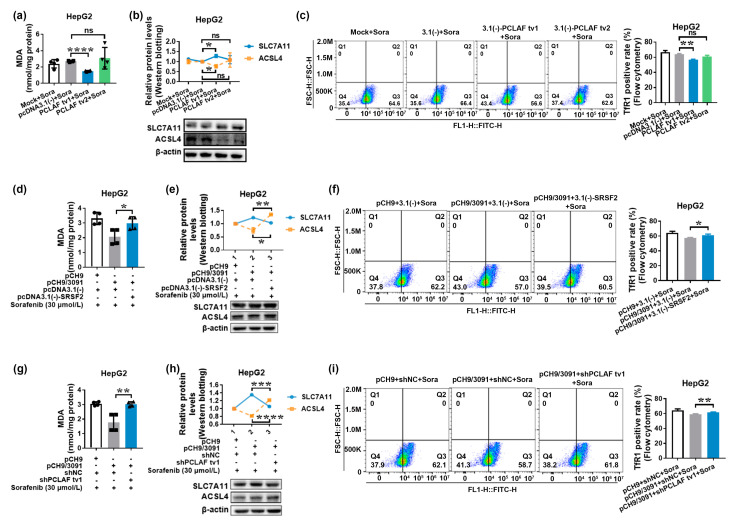
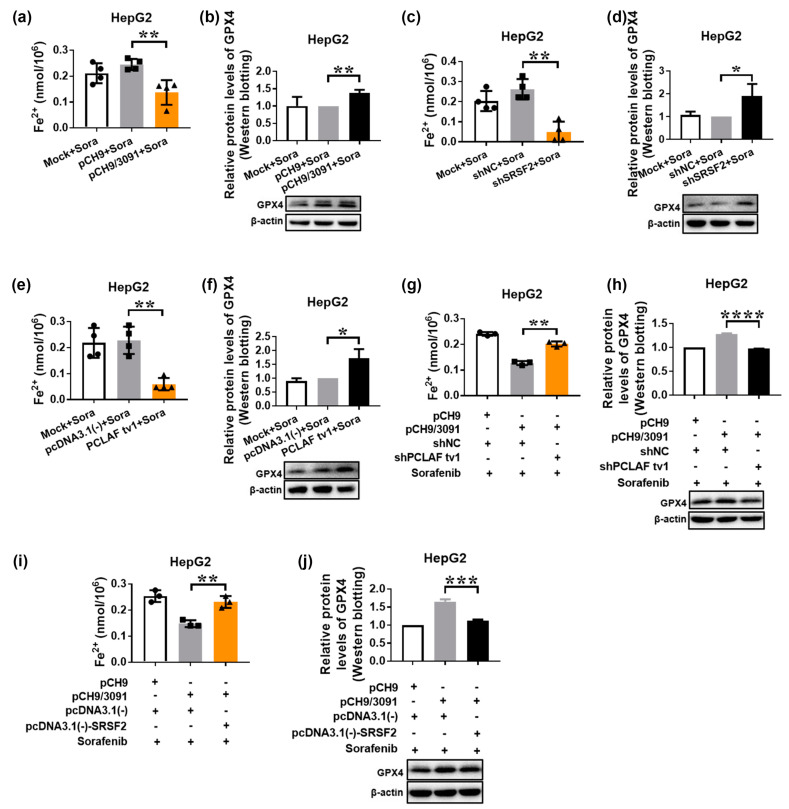
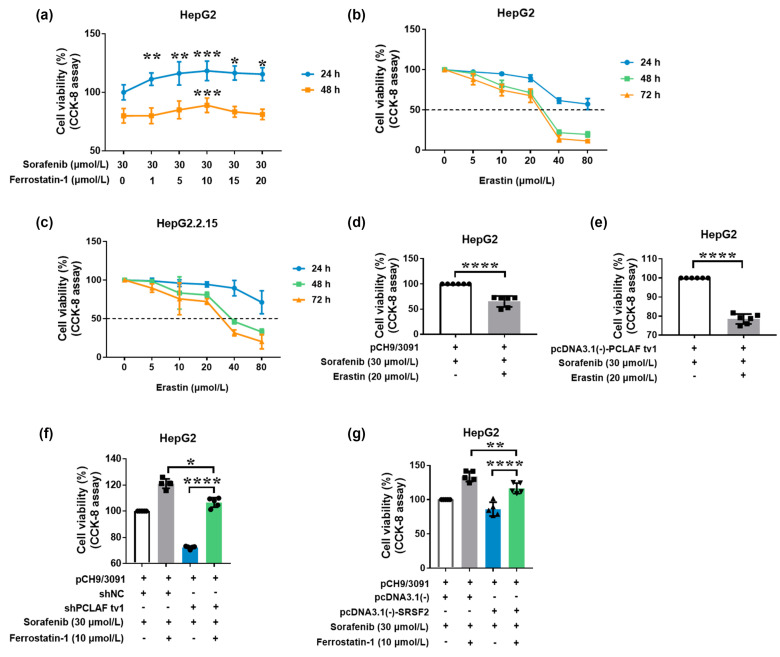
Hepatocellular carcinoma (HCC) is one of the most lethal human cancers. Hepatitis B virus (HBV) infection accounts for nearly 50% of HCC cases. Recent studies indicate that HBV infection induces resistance to sorafenib, the first-line systemic treatment for advanced HCC for more than a decade, from 2007 to 2020. Our previous research shows that variant 1 (tv1) of proliferating cell nuclear antigen clamp-associated factor (PCLAF), overexpressed in HCC, protects against doxorubicin-induced apoptosis. However, there are no reports on the relevance of PCLAF in sorafenib resistance in HBV-related HCC. In this article, we found that PCLAF levels were higher in HBV-related HCC than in non-virus-related HCC using bioinformatics analysis. Immunohistochemistry (IHC) staining of clinical samples and the splicing reporter minigene assay using HCC cells revealed that PCLAF tv1 was elevated by HBV. Furthermore, HBV promoted the splicing of PCLAF tv1 by downregulating serine/arginine-rich splicing factor 2 (SRSF2), which hindered the inclusion of PCLAF exon 3 through a putative -element (116-123), "". The CCK-8 assay showed that HBV decreased cell susceptibility to sorafenib through SRSF2/PCLAF tv1. HBV reduced ferroptosis by decreasing intracellular Fe levels and activating GPX4 expression via the SRSF2/PCLAF tv1 axis, according to a mechanism study. Suppressed ferroptosis, on the other hand, contributed to HBV-mediated sorafenib resistance through SRSF2/PCLAF tv1. These data suggested that HBV regulated PCLAF abnormal alternative splicing by suppressing SRSF2. HBV caused sorafenib resistance by reducing ferroptosis via the SRSF2/PCLAF tv1 axis. As a result, the SRSF2/PCLAF tv1 axis may be a prospective molecular therapeutic target in HBV-related HCC, as well as a predictor of sorafenib resistance. The inhibition of the SRSF2/PCLAF tv1 axis may be crucial in the emergence of systemic chemotherapy resistance in HBV-associated HCC.
肝细胞癌(HCC)是人类最致命的癌症之一。乙型肝炎病毒(HBV)感染占 HCC 病例的近 50%。最近的研究表明,HBV 感染导致索拉非尼耐药,索拉非尼是 2007 年至 2020 年十多年来晚期 HCC 的一线系统治疗药物。我们之前的研究表明,在 HCC 中过度表达的增殖细胞核抗原夹相关因子(PCLAF)变体 1(tv1)可保护细胞免受阿霉素诱导的细胞凋亡。然而,目前尚无关于 PCLAF 在 HBV 相关 HCC 中与索拉非尼耐药相关的报道。在本文中,我们通过生物信息学分析发现,HBV 相关 HCC 中的 PCLAF 水平高于非病毒相关 HCC。对临床样本的免疫组织化学(IHC)染色和 HCC 细胞的拼接报告基因 minigene 测定显示,HBV 上调了 PCLAF tv1。此外,HBV 通过下调丝氨酸/精氨酸丰富剪接因子 2(SRSF2)促进 PCLAF tv1 的剪接,该因子通过“-element(116-123)”阻止 PCLAF 外显子 3 的包含。CCK-8 测定显示,HBV 通过 SRSF2/PCLAF tv1 降低细胞对索拉非尼的敏感性。通过 SRSF2/PCLAF tv1 轴降低细胞内 Fe 水平并激活 GPX4 表达,HBV 减少铁死亡。根据机制研究,另一方面,通过 SRSF2/PCLAF tv1 抑制铁死亡,有助于 HBV 介导的索拉非尼耐药。这些数据表明,HBV 通过抑制 SRSF2 调节 PCLAF 异常剪接。HBV 通过 SRSF2/PCLAF tv1 轴减少铁死亡引起索拉非尼耐药。因此,SRSF2/PCLAF tv1 轴可能是 HBV 相关 HCC 的有前途的分子治疗靶点,也是索拉非尼耐药的预测因子。抑制 SRSF2/PCLAF tv1 轴可能在 HBV 相关 HCC 中出现全身化疗耐药中起关键作用。