Research and Development Department, IMG Pharma Biotech S.L., 48160 Derio, Spain.
Instituto de Biología y Genética Molecular (IBGM), Unidad de Excelencia, Universidad de Valladolid-CSIC, 47011 Valladolid, Spain.
Int J Mol Sci. 2023 Feb 14;24(4):3837. doi: 10.3390/ijms24043837.
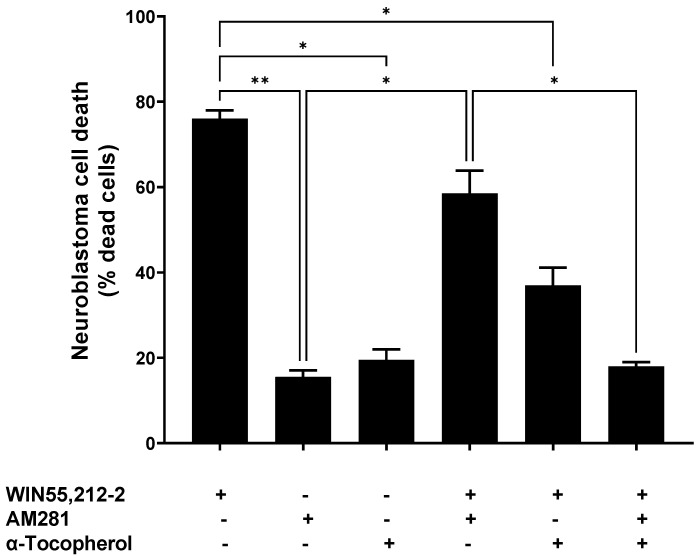
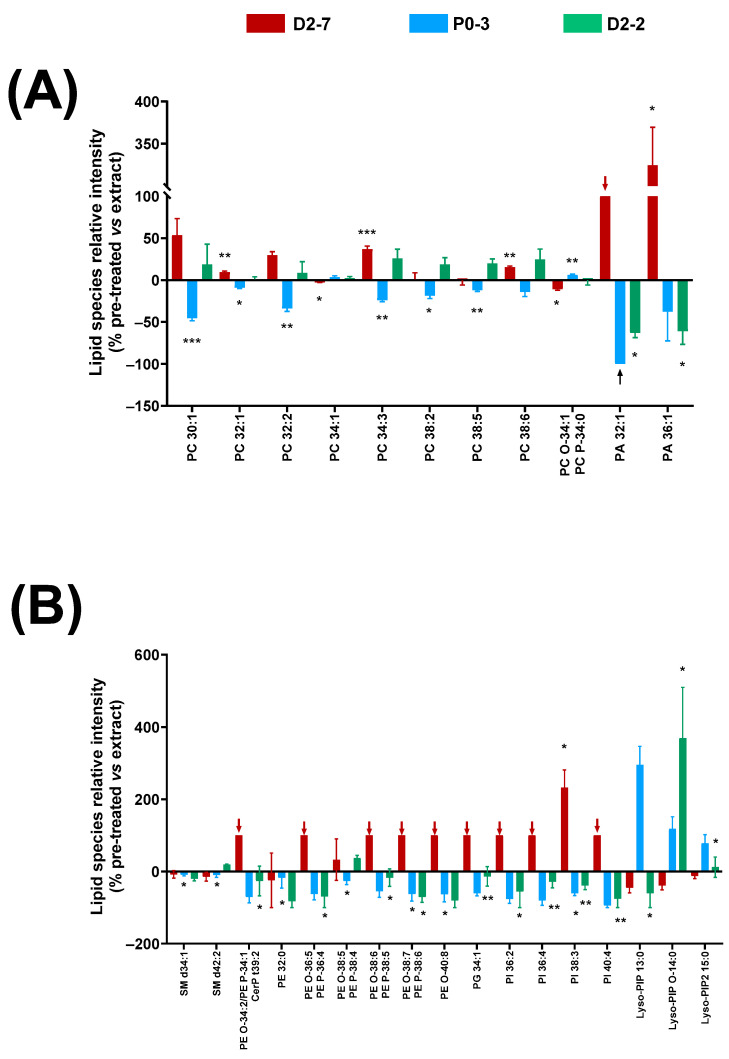
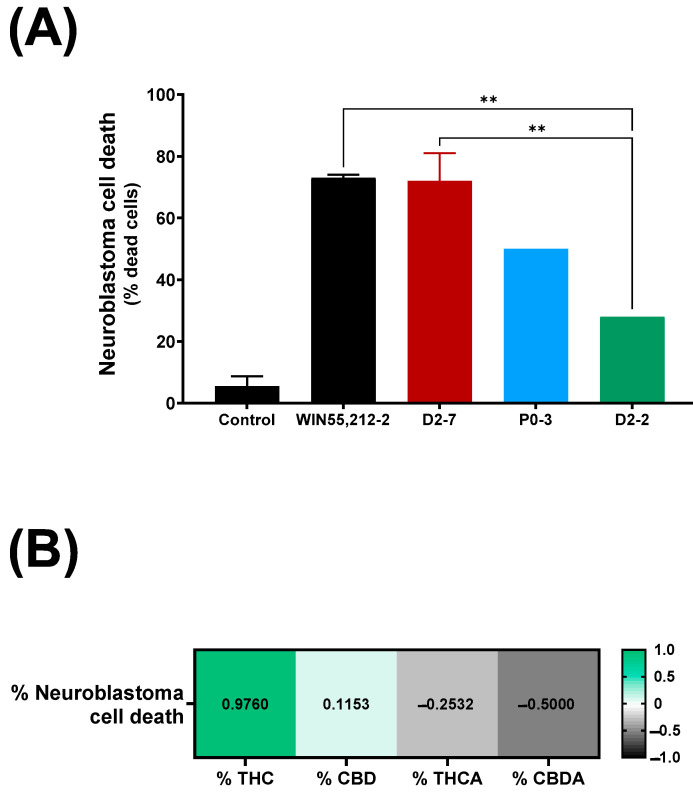
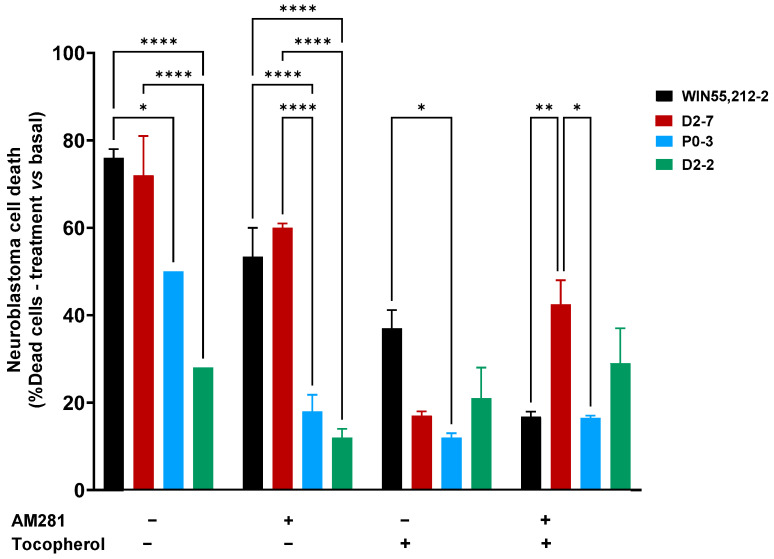
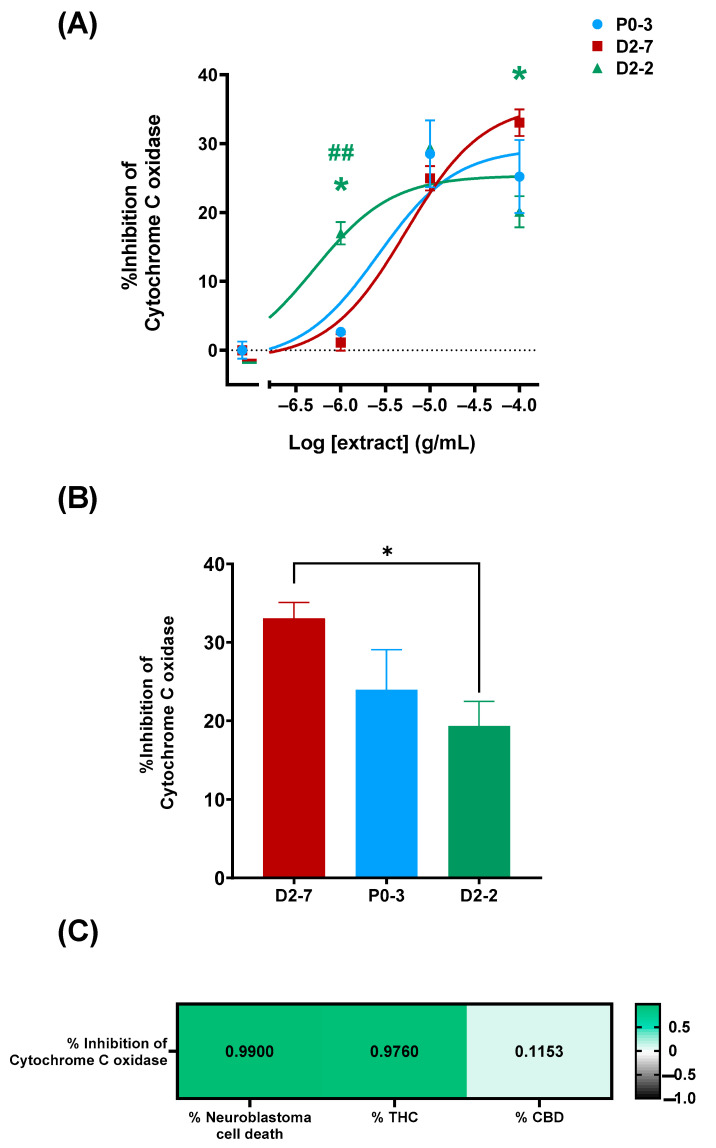
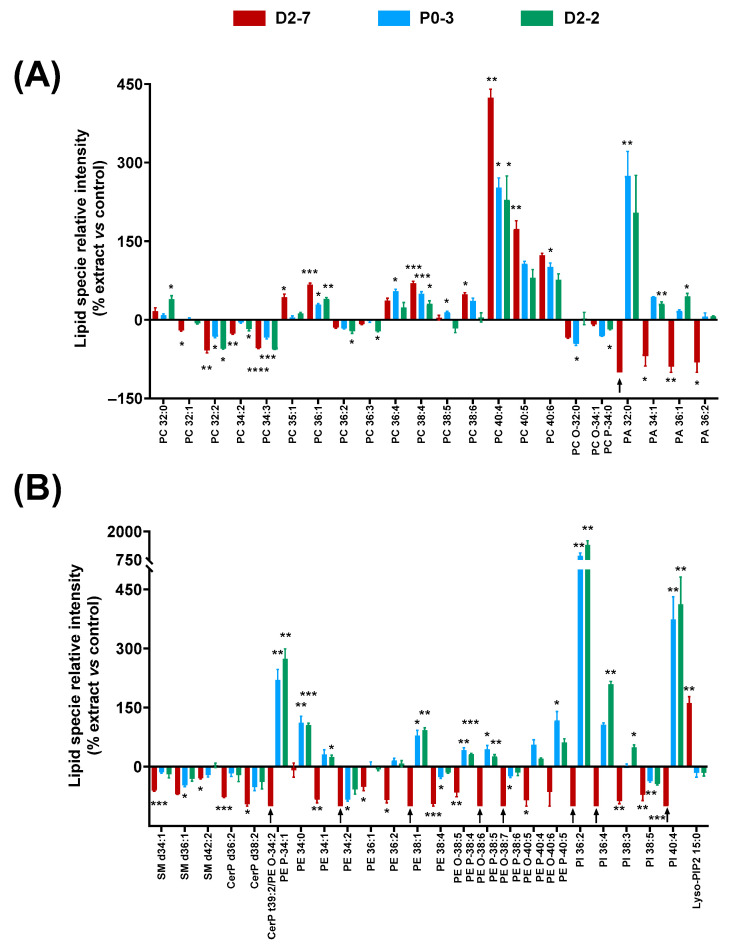
Cannabis has been used for decades as a palliative therapy in the treatment of cancer. This is because of its beneficial effects on the pain and nausea that patients can experience as a result of chemo/radiotherapy. Tetrahydrocannabinol and cannabidiol are the main compounds present in , and both exert their actions through a receptor-mediated mechanism and through a non-receptor-mediated mechanism, which modulates the formation of reactive oxygen species. These oxidative stress conditions might trigger lipidic changes, which would compromise cell membrane stability and viability. In this sense, numerous pieces of evidence describe a potential antitumor effect of cannabinoid compounds in different types of cancer, although controversial results limit their implementation. In order to further investigate the possible mechanism involved in the antitumoral effects of cannabinoids, three extracts isolated from strains with high cannabidiol content were analyzed. Cell mortality, cytochrome c oxidase activity and the lipid composition of SH-SY5Y cells were determined in the absence and presence of specific cannabinoid ligands, with and without antioxidant pre-treatment. The cell mortality induced by the extracts in this study appeared to be related to the inhibition of the cytochrome c oxidase activity and to the THC concentration. This effect on cell viability was similar to that observed with the cannabinoid agonist WIN55,212-2. The effect was partially blocked by the selective CB1 antagonist AM281, and the antioxidant α-tocopherol. Moreover, certain membrane lipids were affected by the extracts, which demonstrated the importance of oxidative stress in the potential antitumoral effects of cannabinoids.
大麻已被用作癌症治疗中的姑息疗法数十年。这是因为它对化疗/放疗引起的疼痛和恶心有有益的作用。四氢大麻酚和大麻二酚是大麻中的主要化合物,它们通过受体介导的机制和非受体介导的机制发挥作用,调节活性氧的形成。这些氧化应激条件可能引发脂质变化,从而损害细胞膜的稳定性和活力。从这个意义上说,大量证据描述了大麻素化合物在不同类型的癌症中具有潜在的抗肿瘤作用,尽管有争议的结果限制了它们的应用。为了进一步研究大麻素化合物抗肿瘤作用中涉及的可能机制,分析了三种从高大麻二酚含量的 菌株中分离出的提取物。在不存在和存在特定大麻素配体的情况下,以及在没有抗氧化预处理的情况下,测定了 SH-SY5Y 细胞的细胞死亡率、细胞色素 c 氧化酶活性和脂质组成。本研究中提取物诱导的细胞死亡率似乎与细胞色素 c 氧化酶活性和 THC 浓度的抑制有关。这种对细胞活力的影响类似于观察到的大麻素激动剂 WIN55,212-2 的作用。这种作用被选择性 CB1 拮抗剂 AM281 和抗氧化剂 α-生育酚部分阻断。此外,提取物还影响了某些膜脂质,这表明氧化应激在大麻素的潜在抗肿瘤作用中很重要。