Institute of Integrative Neuroanatomy, Charité-Universitätsmedizin Berlin, Corporate Member of Freie Universität Berlin, Humboldt-Universität zu Berlin, and Berlin Institute of Health, 10115 Berlin, Germany.
NeuroMuscular System & Signaling Group, Center of Space Medicine and Extreme Environments, 10115 Berlin, Germany.
Int J Mol Sci. 2023 Feb 17;24(4):4095. doi: 10.3390/ijms24044095.
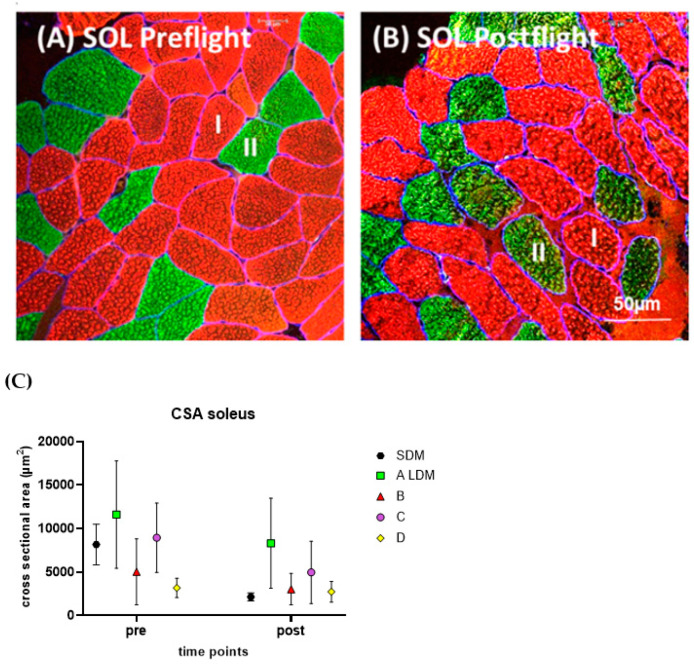
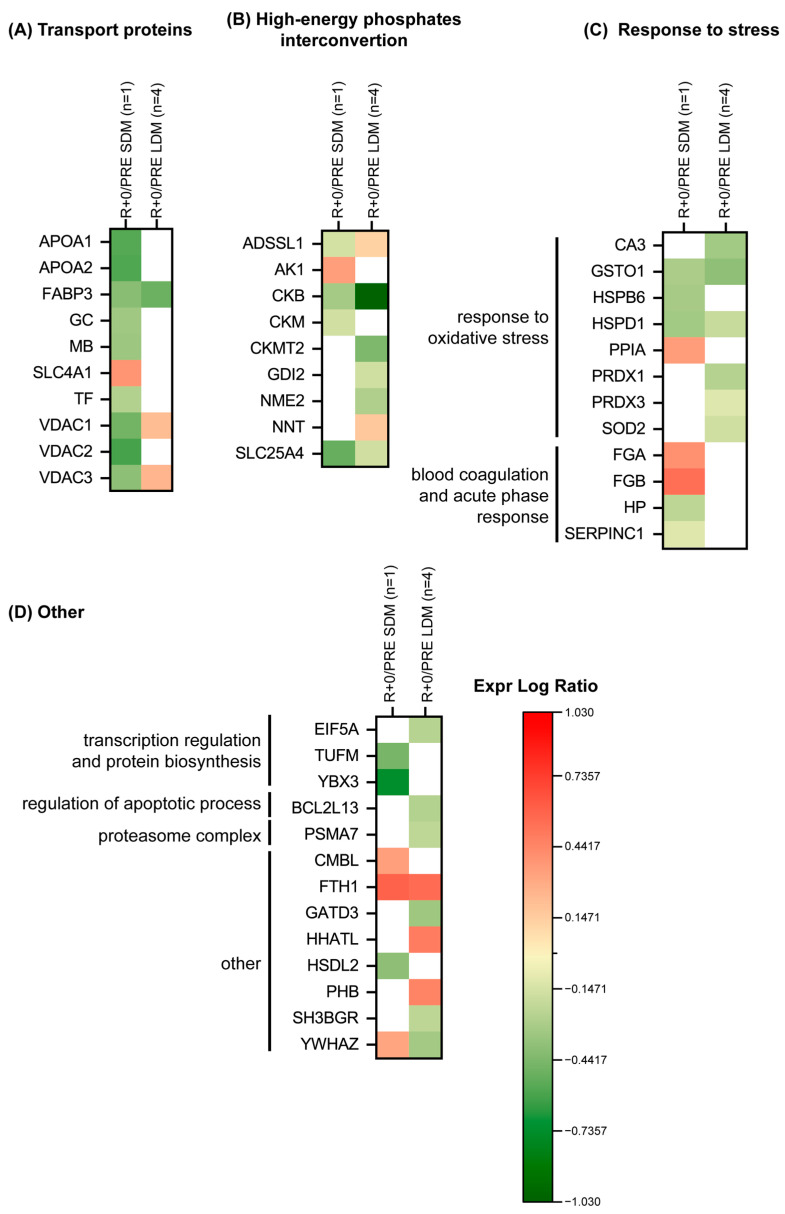
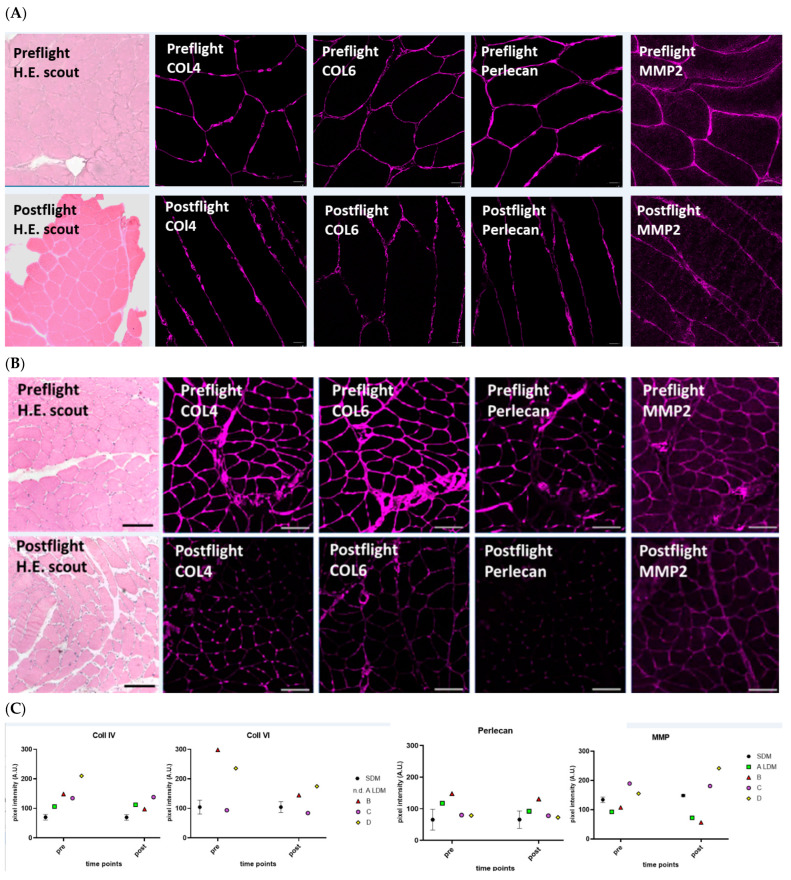
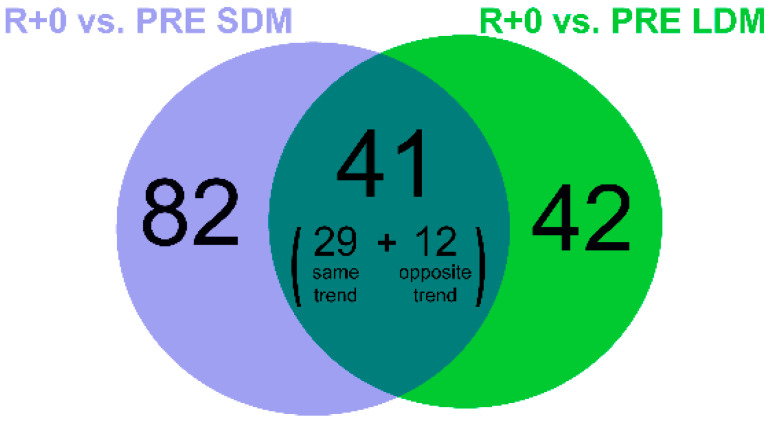
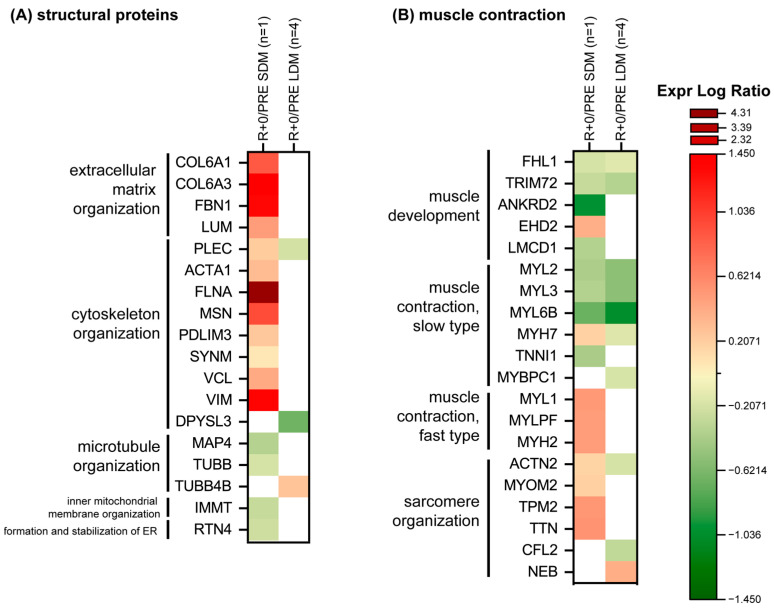
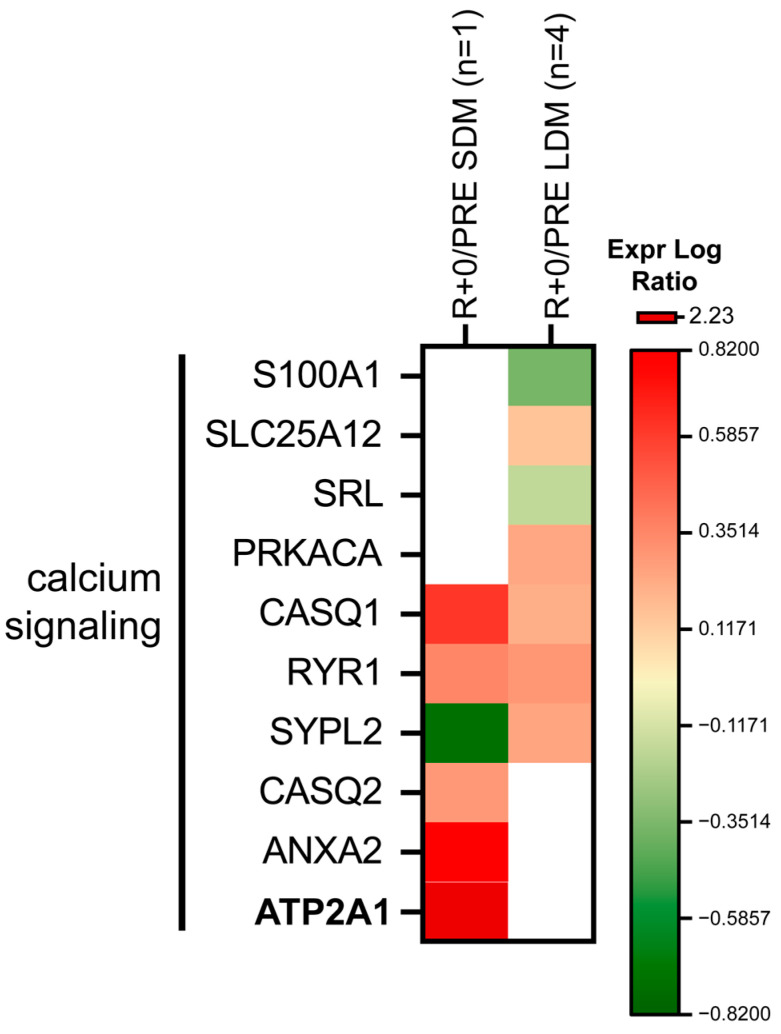
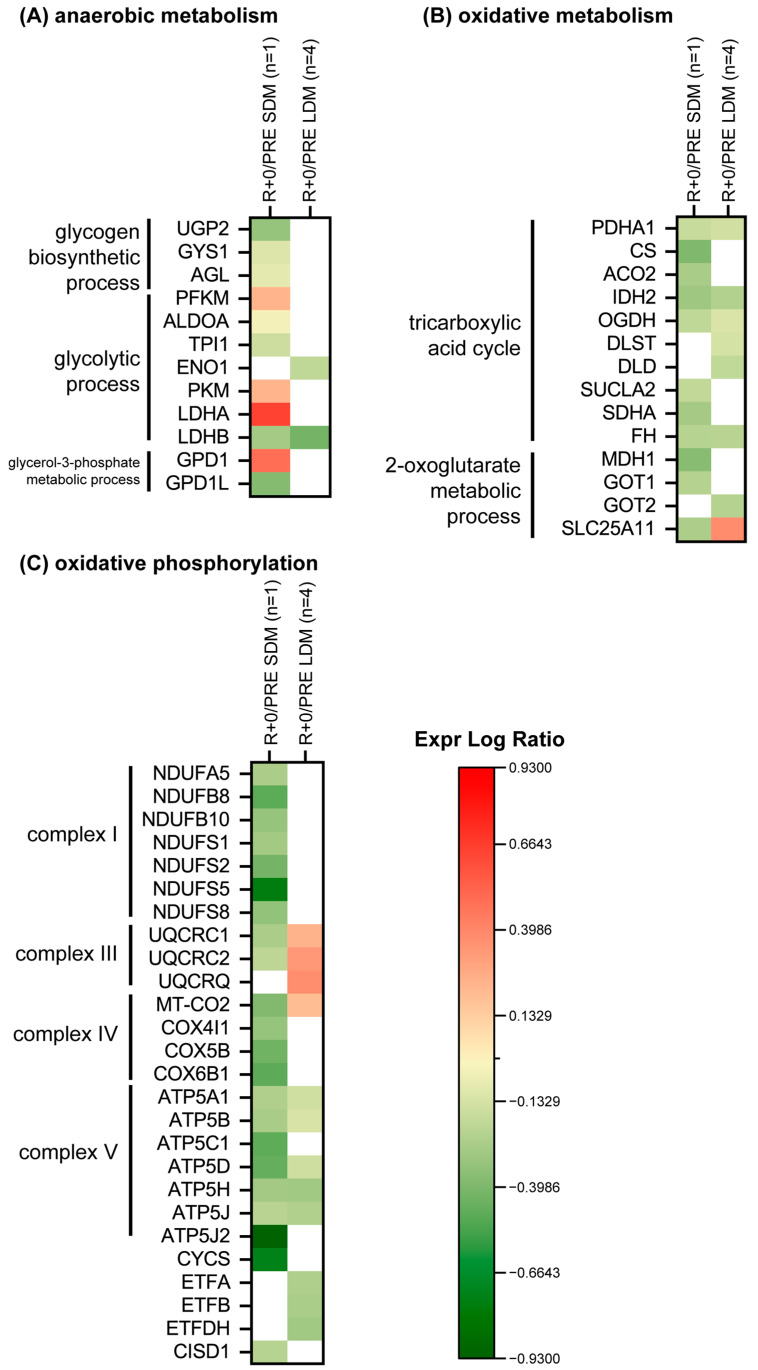
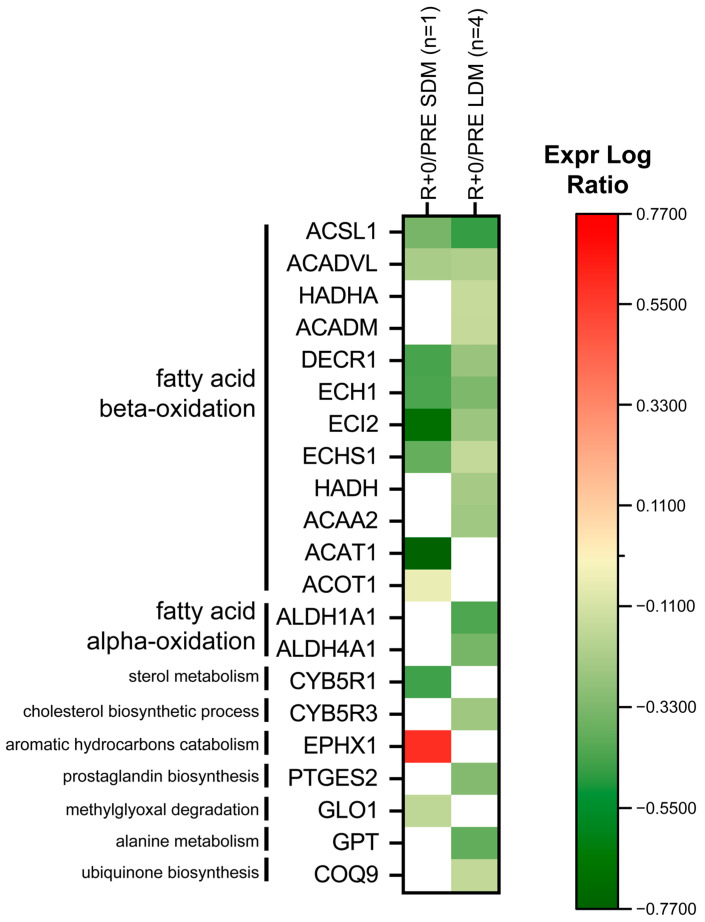
The molecular mechanisms of skeletal muscle adaptation to spaceflight are as yet not fully investigated and well understood. The MUSCLE BIOPSY study analyzed pre and postflight deep calf muscle biopsies (m. soleus) obtained from five male International Space Station (ISS) astronauts. Moderate rates of myofiber atrophy were found in long-duration mission (LDM) astronauts (~180 days in space) performing routine inflight exercise as countermeasure (CM) compared to a short-duration mission (SDM) astronaut (11 days in space, little or no inflight CM) for reference control. Conventional H&E scout histology showed enlarged intramuscular connective tissue gaps between myofiber groups in LDM post vs. preflight. Immunoexpression signals of extracellular matrix (ECM) molecules, collagen 4 and 6, COL4 and 6, and perlecan were reduced while matrix-metalloproteinase, MMP2, biomarker remained unchanged in LDM post vs. preflight suggesting connective tissue remodeling. Large scale proteomics (space omics) identified two canonical protein pathways associated to muscle weakness (necroptosis, GP6 signaling/COL6) in SDM and four key pathways (Fatty acid β-oxidation, integrin-linked kinase ILK, Rho A GTPase RHO, dilated cardiomyopathy signaling) explicitly in LDM. The levels of structural ECM organization proteins COL6A1/A3, fibrillin 1, FBN1, and lumican, LUM, increased in postflight SDM vs. LDM. Proteins from tricarboxylic acid, TCA cycle, mitochondrial respiratory chain, and lipid metabolism mostly recovered in LDM vs. SDM. High levels of calcium signaling proteins, ryanodine receptor 1, RyR1, calsequestrin 1/2, CASQ1/2, annexin A2, ANXA2, and sarco(endo)plasmic reticulum Ca(2+)-ATPase (SERCA1) pump, ATP2A, were signatures of SDM, and decreased levels of oxidative stress peroxiredoxin 1, PRDX1, thioredoxin-dependent peroxide reductase, PRDX3, or superoxide dismutase [Mn] 2, SOD2, signatures of LDM postflight. Results help to better understand the spatiotemporal molecular adaptation of skeletal muscle and provide a large scale database of skeletal muscle from human spaceflight for the better design of effective CM protocols in future human deep space exploration.
骨骼肌适应太空飞行的分子机制尚未完全研究清楚。MUSCLE BIOPSY 研究分析了来自五名国际空间站 (ISS) 男宇航员的小腿深肌活检(比目鱼肌)在飞行前和飞行后的样本。与短期任务(SDM)宇航员(在太空停留 11 天,几乎没有或没有飞行期间的对策)相比,进行常规飞行对策(CM)的长期任务(LDM)宇航员(在太空停留 180 天)的肌纤维萎缩速度适中。常规 H&E 侦察组织学显示,LDM 飞行后与飞行前相比,肌纤维组之间的肌内结缔组织间隙增大。LDM 飞行后与飞行前相比,细胞外基质 (ECM) 分子、胶原蛋白 4 和 6、COL4 和 6、以及蛋白聚糖的免疫表达信号减少,而基质金属蛋白酶 MMP2 生物标志物保持不变,表明结缔组织重塑。大规模蛋白质组学(太空组学)在 SDM 中鉴定出与肌肉无力相关的两个经典蛋白途径(坏死性凋亡、GP6 信号/COL6),在 LDM 中明确鉴定出四个关键途径(脂肪酸 β-氧化、整合素连接激酶 ILK、Rho A GTPase RHO、扩张型心肌病信号)。SDM 中飞行后与 LDM 相比,结构 ECM 组织蛋白 COL6A1/A3、原纤维蛋白 1、FBN1 和亮氨酸蛋白 LUM 的水平增加。三羧酸 (TCA) 循环、线粒体呼吸链和脂质代谢的蛋白质大多在 LDM 中恢复,而在 SDM 中没有。钙信号蛋白、肌质网钙释放通道 1 受体、RyR1、钙结合蛋白 1/2、CASQ1/2、膜联蛋白 A2、ANXA2 和肌浆(内)内质网 Ca2+-ATP 酶(SERCA1)泵 ATP2A 的高水平是 SDM 的特征,而氧化应激过氧化物还原酶 1、PRDX1、硫氧还蛋白依赖性过氧化物还原酶、PRDX3 或超氧化物歧化酶 [Mn]2、SOD2 的水平降低是 LDM 飞行后的特征。结果有助于更好地理解骨骼肌的时空分子适应,并为人类太空飞行的骨骼肌提供大规模数据库,以便更好地设计未来人类深空探索的有效对策。