Barathikannan Kaliyan, Tyagi Akanksha, Shan Lingyue, Kim Nam-Hyeon, Lee Deuk-Sik, Park Jong-Soon, Chelliah Ramachandran, Oh Deog-Hwan
Department of Food Science and Biotechnology, College of Agriculture and Life Sciences, Kangwon National University, Chuncheon 200701, Republic of Korea.
Agricultural and Life Science Research Institute, Kangwon National University, Chuncheon 24341, Republic of Korea.
Life (Basel). 2023 Jan 29;13(2):374. doi: 10.3390/life13020374.
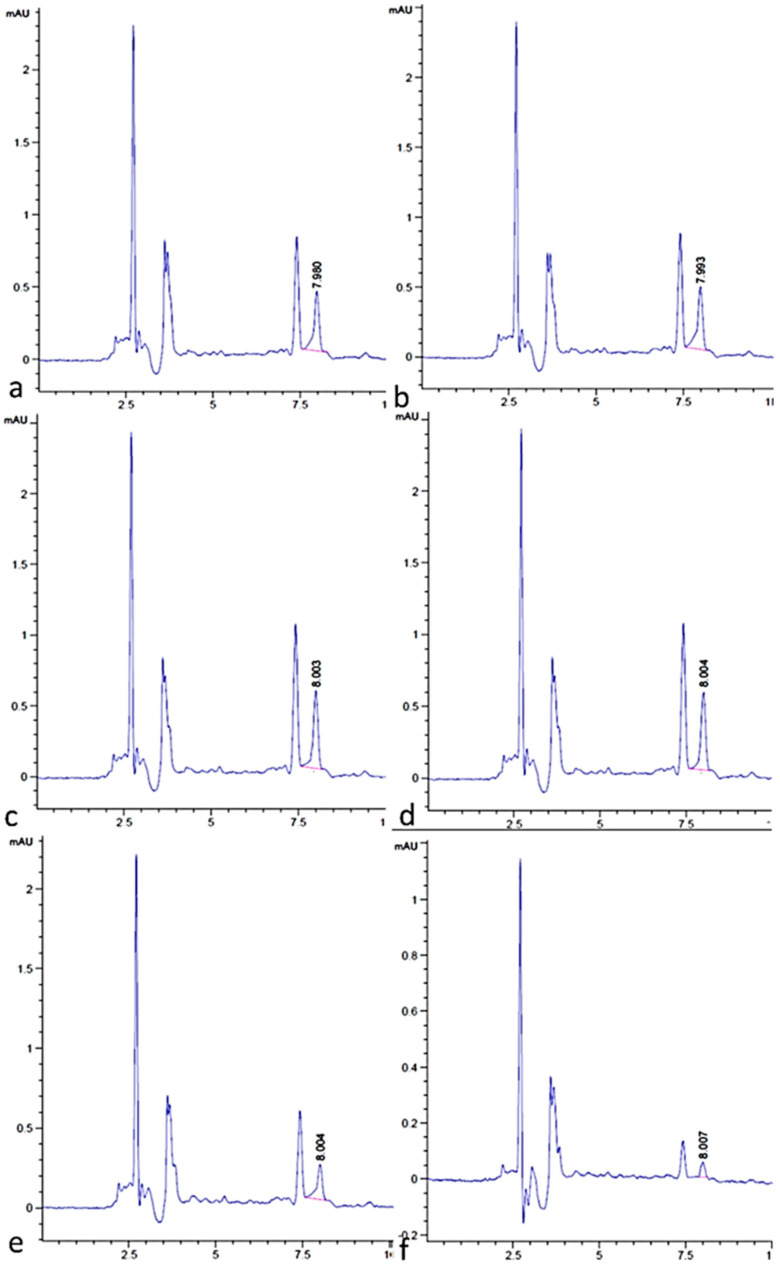
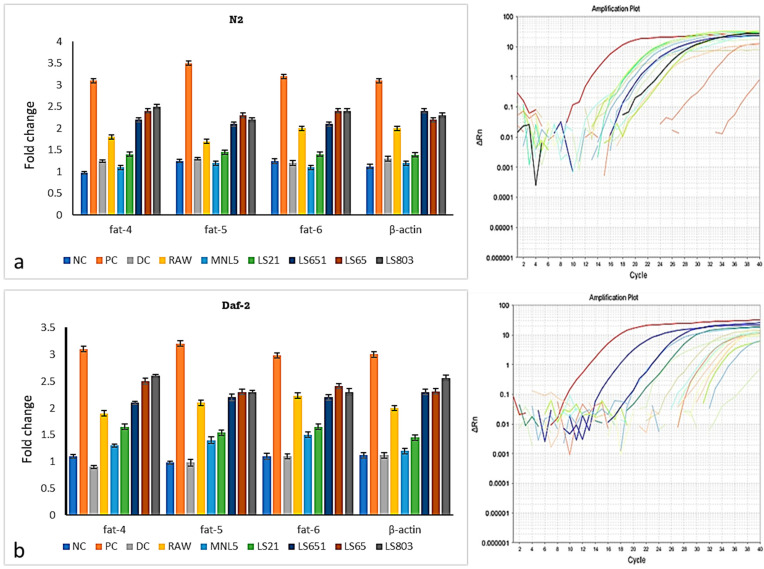
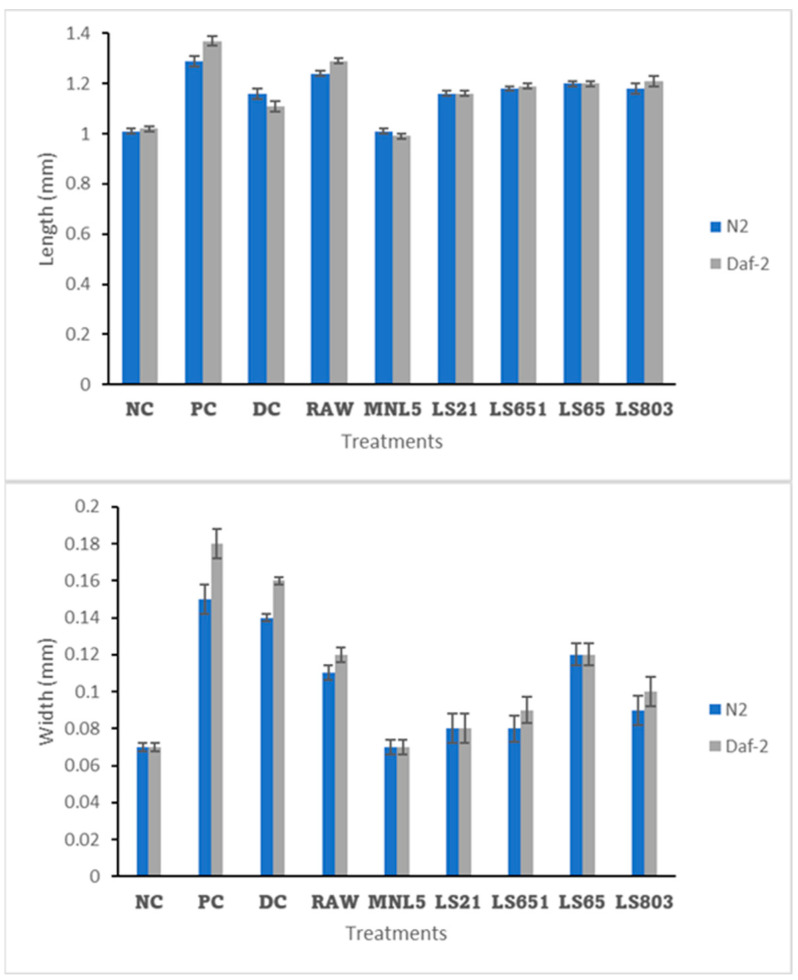
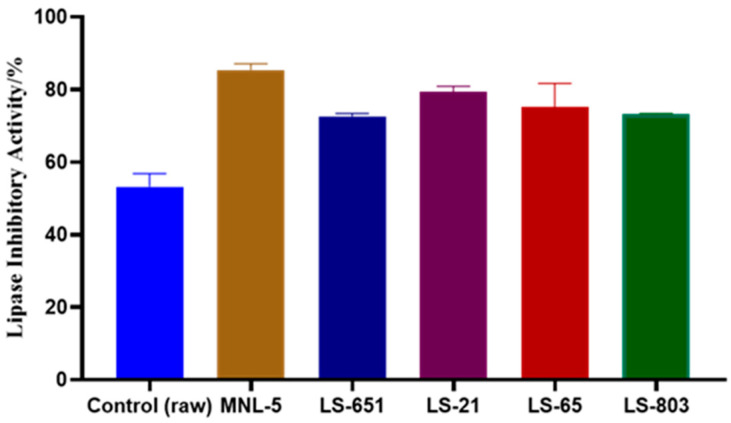
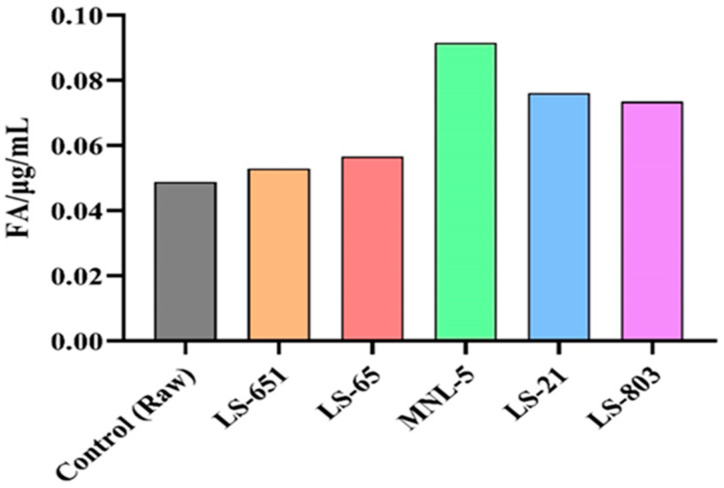
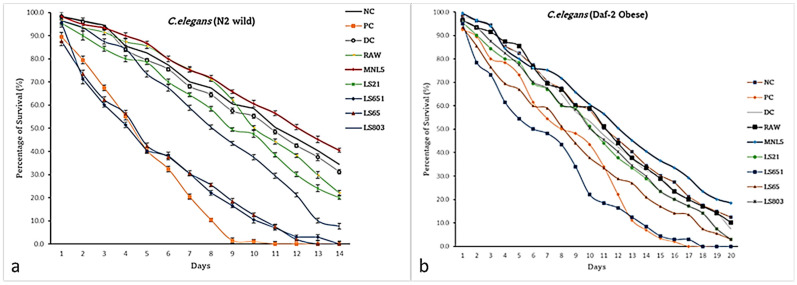
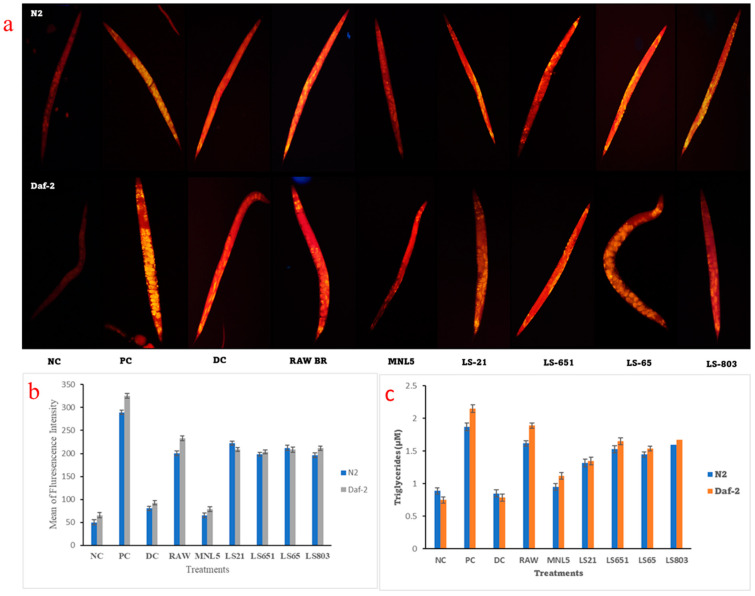
Naturally occurring phytochemicals from plants or grains are crucial in reducing various metabolic disorders. Bioactive phytonutrients are abundant in the Asian dietary staple, brown rice. This research evaluated the impact of lactic acid bacteria (LABs) bioconversion and fermentation on antioxidant and antiobesity activities and ferulic acid content in brown rice. The combination of bioconversion with MNL5 among all LABs used showed a synergistic impact with 24 h of solid-state brown rice fermentation. The 24-h MNL5 fermented brown rice (FBR) demonstrated the most potent pancreatic lipase inhibitory activity (85.5 ± 1.25%) compared to raw brown rice (RBR) (54.4 ± 0.86%). The antioxidant potential of MNL5-FBR was also found to be highest in the DPPH assay (124.40 ± 2.40 mg Trolox Equiv./100 g, DW), ABTS assay (130.52 ± 2.32 mg Trolox Equiv./100 g, DW), and FRAP assay (116.16 ± 2.42 mg Trolox Equiv./100 g, DW). Based on higher antioxidant and antiobesity activities, samples were quantified for ferulic acid content using the HPLC-MS/MS approach. Furthermore, supplementation with FBR showed enhanced life span and lipid reduction in fluorescence microscope analysis compared to the control. Our results indicate that the expression study using the model (N2 and Daf-2 models) fat gene was conducted, showing a lowering of obesity ability in FBR-fed worms. Our study indicates that FBR has improved antioxidant and antiobesity actions, especially in MNL5-FBR, and can be employed to develop functional foods that combat obesity.
来自植物或谷物的天然植物化学物质在减少各种代谢紊乱方面至关重要。生物活性植物营养素在亚洲主食糙米中含量丰富。本研究评估了乳酸菌(LABs)生物转化和发酵对糙米抗氧化和抗肥胖活性以及阿魏酸含量的影响。在所有使用的LABs中,生物转化与MNL5的组合在24小时固态糙米发酵中显示出协同作用。与未发酵糙米(RBR)(54.4±0.86%)相比,24小时MNL5发酵糙米(FBR)表现出最强的胰脂肪酶抑制活性(85.5±1.25%)。在DPPH测定(124.40±2.40毫克Trolox当量/100克,干重)、ABTS测定(130.52±2.32毫克Trolox当量/100克,干重)和FRAP测定(116.16±2.42毫克Trolox当量/100克,干重)中,还发现MNL5-FBR的抗氧化潜力最高。基于更高的抗氧化和抗肥胖活性,使用HPLC-MS/MS方法对样品中的阿魏酸含量进行了定量。此外,与对照组相比,荧光显微镜分析显示补充FBR可延长寿命并降低脂质。我们的结果表明,使用模型(N2和Daf-2模型)脂肪基因进行了表达研究,结果显示喂食FBR的蠕虫肥胖能力降低。我们的研究表明,FBR具有改善的抗氧化和抗肥胖作用,尤其是MNL5-FBR,可用于开发对抗肥胖的功能性食品。