Department of Ophthalmology, Aalborg University Hospital, 9000 Aalborg, Denmark.
Department of Clinical Biochemistry, Aalborg University Hospital, 9000 Aalborg, Denmark.
Medicina (Kaunas). 2023 Jan 27;59(2):243. doi: 10.3390/medicina59020243.
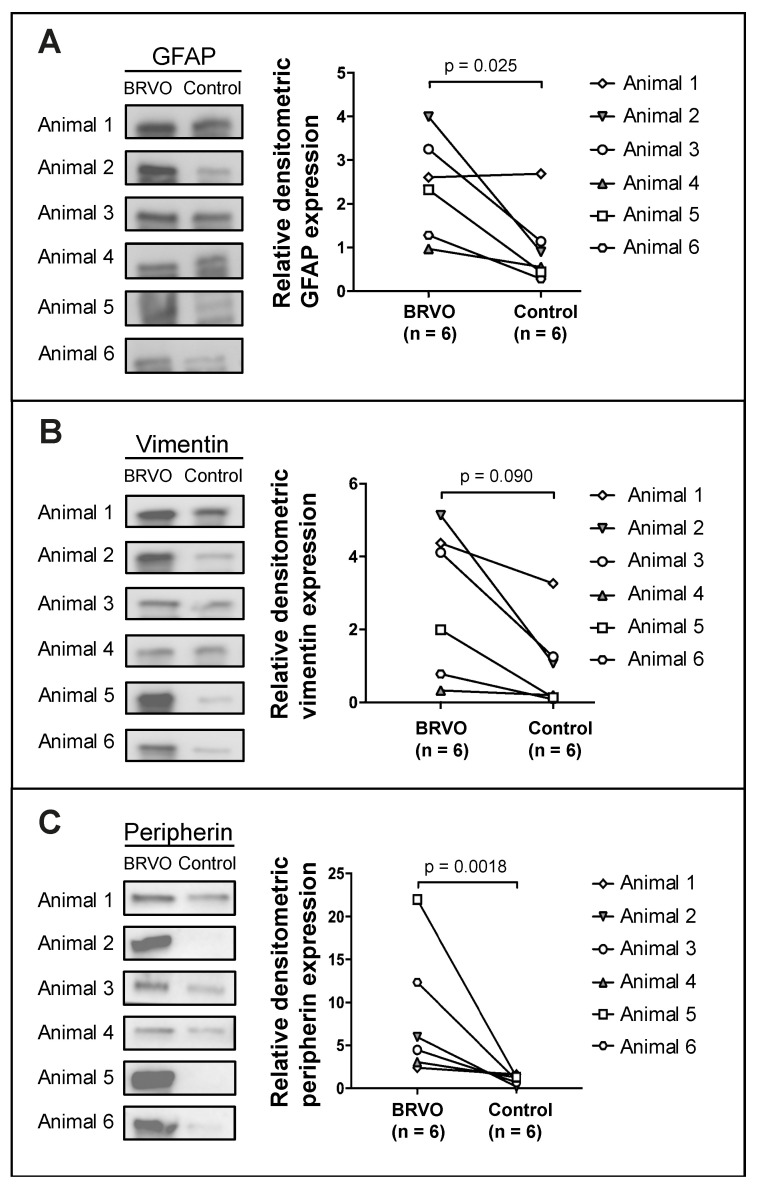
Retinal vein occlusion (RVO) is a frequent visually disabling condition. The management of RVO continues to challenge clinicians. Macular edema secondary to RVO is often recurrent, and patients typically require intravitreal injections for several years. Understanding molecular mechanisms in RVO is a key element in improving the treatment of the condition. Studying the molecular mechanisms in RVO at the retinal level is possible using animal models of experimental RVO. Most studies of experimental RVO have been sporadic, using only a few animals per experiment. Here, we report on 10 years of experience of the use of argon laser-induced experimental RVO in 108 porcine eyes from 65 animals, including 65 eyes with experimental branch retinal vein occlusion (BRVO) and 43 eyes with experimental central retinal vein occlusion (CRVO). Reproducibility and methods for evaluating and controlling ischemia in experimental RVO are reviewed. Methods for studying protein changes in RVO are discussed in detail, including proteomic analysis, Western blotting, and immunohistochemistry. Experimental RVO has brought significant insights into molecular changes in RVO. Testing intravitreal interventions in experimental RVO may be a significant step in developing personalized therapeutic approaches for patients with RVO.
视网膜静脉阻塞(RVO)是一种常见的致盲性疾病。RVO 的治疗仍然是临床医生面临的挑战。继发于 RVO 的黄斑水肿通常反复发作,患者通常需要数年的玻璃体腔内注射治疗。了解 RVO 中的分子机制是改善该疾病治疗的关键要素。使用实验性 RVO 的动物模型可以在视网膜水平上研究 RVO 的分子机制。大多数实验性 RVO 的研究都是零星的,每个实验仅使用少数几只动物。在这里,我们报告了使用氩激光诱导的实验性 RVO 在 65 只动物的 108 只猪眼中进行了 10 年的经验,包括 65 只实验性分支视网膜静脉阻塞(BRVO)和 43 只实验性中央视网膜静脉阻塞(CRVO)。我们回顾了评估和控制实验性 RVO 缺血的重现性和方法。详细讨论了研究 RVO 中蛋白质变化的方法,包括蛋白质组学分析、Western 印迹和免疫组织化学。实验性 RVO 为 RVO 中的分子变化带来了重要的见解。在实验性 RVO 中测试玻璃体腔内干预措施可能是为 RVO 患者开发个性化治疗方法的重要步骤。