Scientific and Medical Affairs, Abbott Nutrition, 2900 Easton Square Place, Columbus, OH 43219, USA.
Department of Kinesiology and Community Health, University of Illinois, Urbana-Champaign, IL 61801, USA.
Nutrients. 2023 Feb 6;15(4):838. doi: 10.3390/nu15040838.
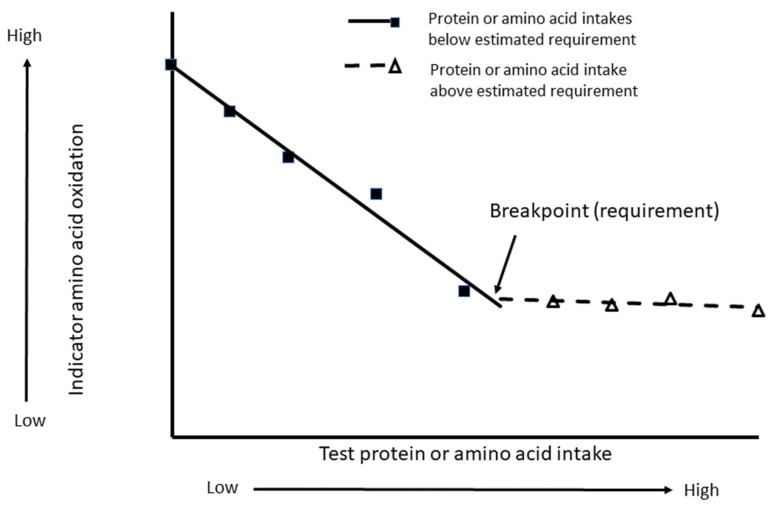
Since the U.S. Institute of Medicine's recommendations on protein and amino acid intake in 2005, new information supports the need to re-evaluate these recommendations. New lines of evidence include: (1) re-analysis/re-interpretation of nitrogen balance data; (2) results from indicator amino acid oxidation studies; (3) studies of positive functional outcomes associated with protein intakes higher than recommended; (4) dietary guidance and protein recommendations from some professional nutrition societies; and (5) recognition that the synthesis of certain dispensable amino acids may be insufficient to meet physiological requirements more often than previously understood. The empirical estimates, theoretical calculations and clinical functional outcomes converge on a similar theme, that recommendations for intake of protein and some amino acids may be too low in several populations, including for older adults (≥65 years), pregnant and lactating women, and healthy children older than 3 years. Additional influential factors that should be considered are protein quality that meets operational sufficiency (adequate intake to support healthy functional outcomes), interactions between protein and energy intake, and functional roles of amino acids which could impact the pool of available amino acids for use in protein synthesis. Going forward, the definition of "adequacy" as it pertains to protein and amino acid intake recommendations must take into consideration these critical factors.
自 2005 年美国医学研究所(IOM)关于蛋白质和氨基酸摄入量的建议以来,新的信息支持重新评估这些建议的必要性。新的证据包括:(1)对氮平衡数据的重新分析/重新解释;(2)指示性氨基酸氧化研究的结果;(3)与推荐摄入量以上的蛋白质摄入相关的积极功能结果的研究;(4)一些专业营养学会的膳食指导和蛋白质建议;以及(5)认识到某些非必需氨基酸的合成可能不足以满足生理需求的情况比以前认为的更为常见。实证估计、理论计算和临床功能结果都得出了一个相似的主题,即某些人群(包括老年人(≥65 岁)、孕妇和哺乳期妇女以及 3 岁以上的健康儿童)的蛋白质和某些氨基酸的摄入建议可能过低。还应考虑其他一些有影响力的因素,包括符合操作充足性的蛋白质质量(足以支持健康的功能结果的摄入量)、蛋白质和能量摄入之间的相互作用,以及氨基酸的功能作用,这些作用可能会影响用于蛋白质合成的可用氨基酸池。今后,与蛋白质和氨基酸摄入量建议相关的“充足性”定义必须考虑到这些关键因素。