Wang Liqing, Peng Hao-Yun, Pham Aspen, Villazana Eber, Ballard Darby J, Das Jugal Kishore, Kumar Anil, Xiong Xiaofang, Song Jianxun
Department of Microbial Pathogenesis and Immunology, Texas A&M University Health Science Center, Bryan, TX 77807, USA.
Department of Biochemistry and Biophysics, Texas A&M University, College Station, TX 77843, USA.
Pathogens. 2023 Feb 15;12(2):321. doi: 10.3390/pathogens12020321.
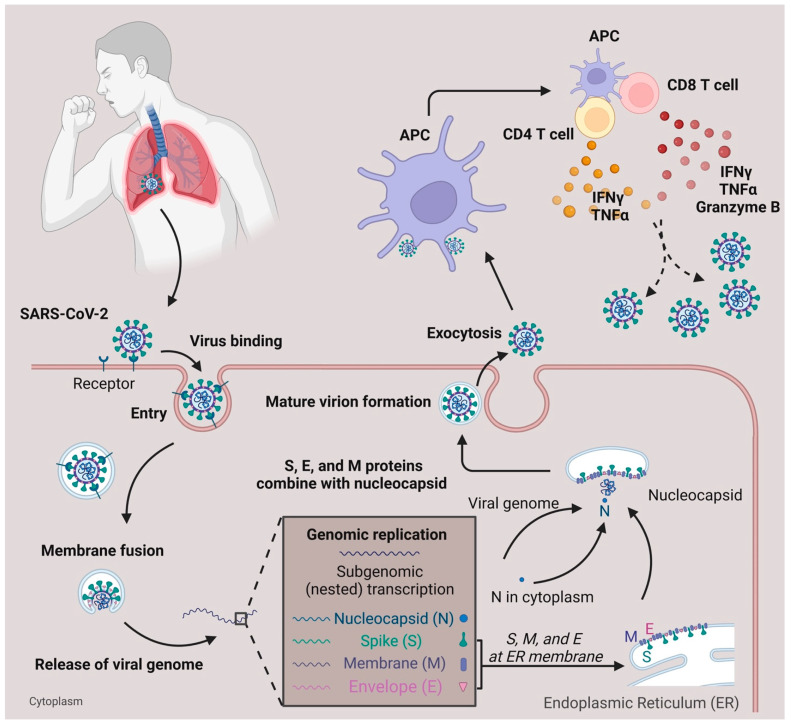
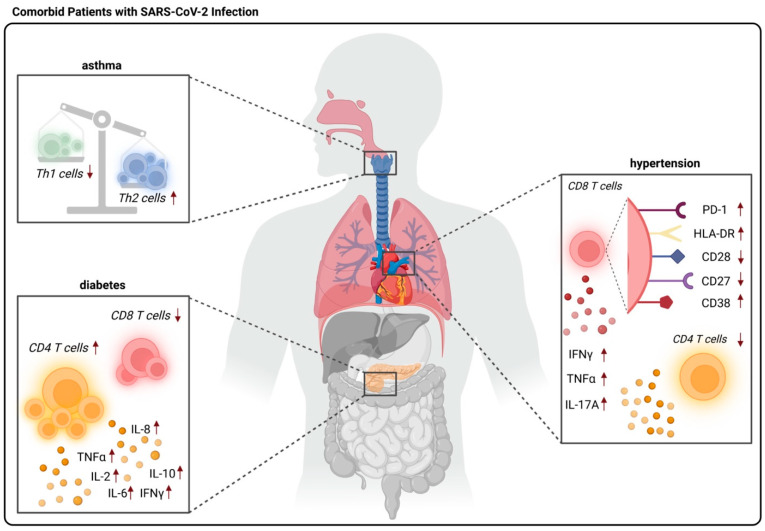
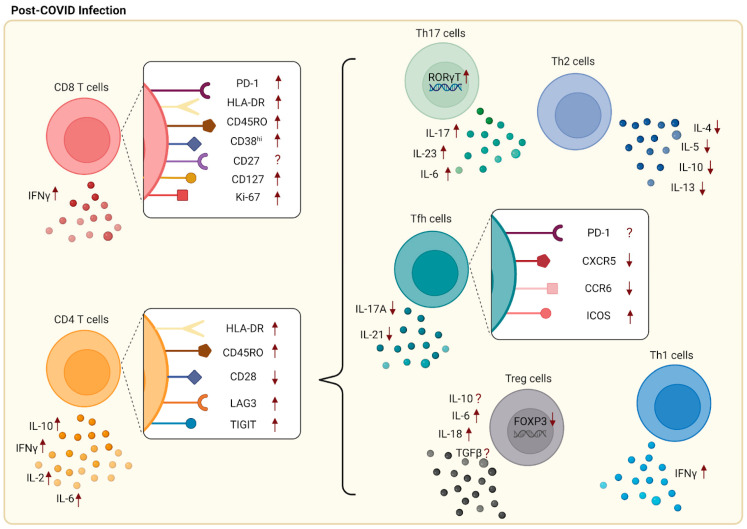
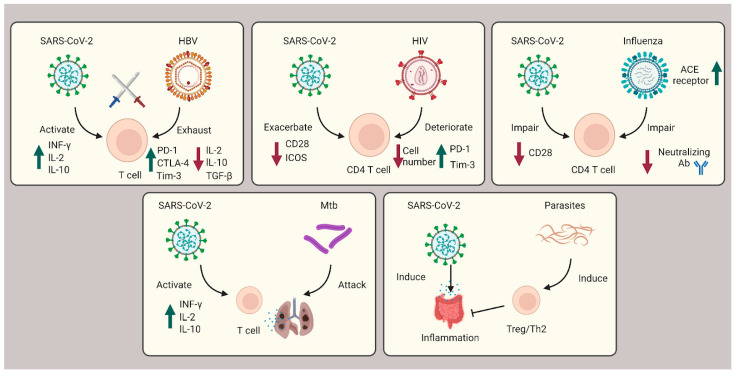
For the past three years, COVID-19 has become an increasing global health issue. Adaptive immune cells, especially T cells, have been extensively investigated in regard to SARS-CoV-2 infection. However, human health and T cell responses are also impacted by many other pathogens and chronic diseases. We have summarized T cell performance during SARS-CoV-2 coinfection with other viruses, bacteria, and parasites. Furthermore, we distinguished if those altered T cell statuses under coinfection would affect their clinical outcomes, such as symptom severity and hospitalization demand. T cell alteration in diabetes, asthma, and hypertension patients with SARS-CoV-2 infection was also investigated in our study. We have summarized whether changes in T cell response influence the clinical outcome during comorbidities.
在过去三年里,新冠病毒已成为一个日益严重的全球健康问题。针对严重急性呼吸综合征冠状病毒2(SARS-CoV-2)感染,人们对适应性免疫细胞,尤其是T细胞进行了广泛研究。然而,人类健康和T细胞反应也受到许多其他病原体和慢性病的影响。我们总结了SARS-CoV-2与其他病毒、细菌和寄生虫合并感染期间T细胞的表现。此外,我们还区分了合并感染时那些改变的T细胞状态是否会影响其临床结果,如症状严重程度和住院需求。我们的研究还调查了感染SARS-CoV-2的糖尿病、哮喘和高血压患者的T细胞变化。我们总结了T细胞反应的变化是否会影响合并症期间的临床结果。