Pola Robert, Vícha Matěj, Trousil Jiří, Grosmanová Eliška, Pechar Michal, Rumlerová Anna, Studenovský Martin, Kučerová Emilie, Ulbrich Pavel, Vokatá Barbora, Etrych Tomáš
Institute of Macromolecular Chemistry, Czech Academy of Sciences, Heyrovského nám. 2, 162 00 Prague, Czech Republic.
Department of Biochemistry and Microbiology, University of Chemistry and Technology Prague, Technická 3, 166 28 Prague, Czech Republic.
Pharmaceutics. 2023 Jan 25;15(2):406. doi: 10.3390/pharmaceutics15020406.
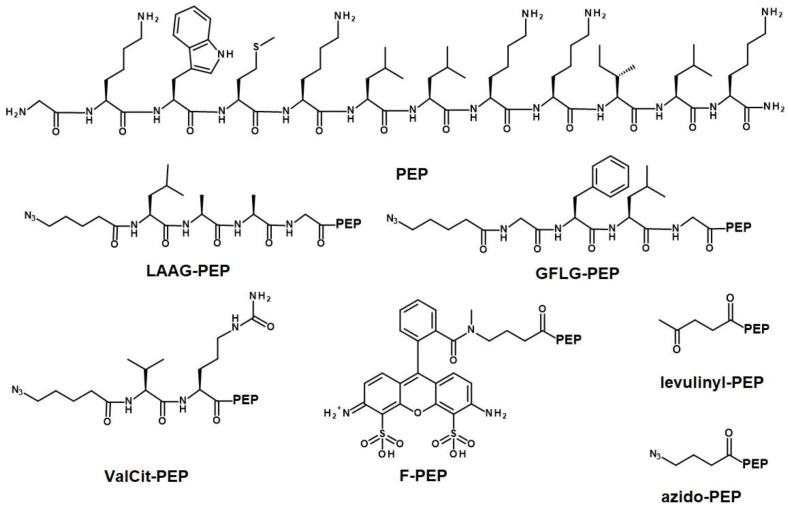
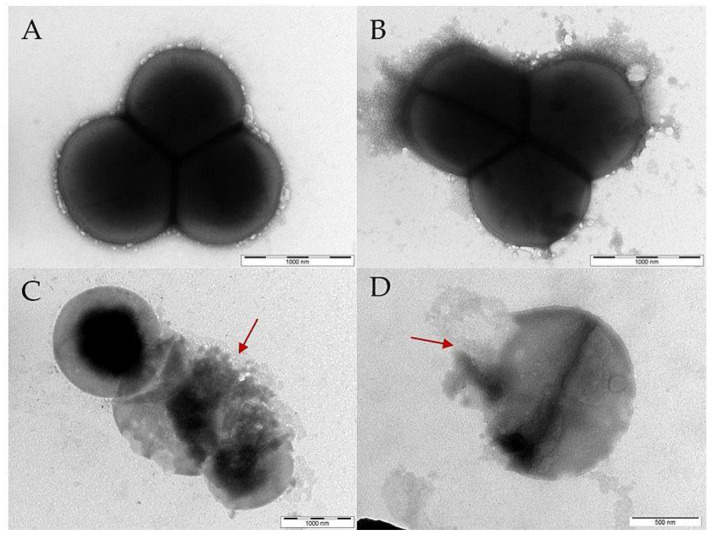
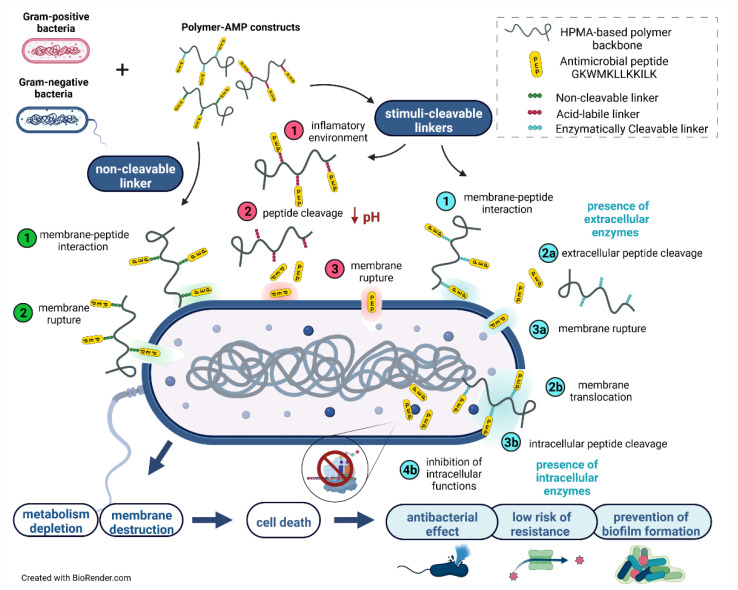
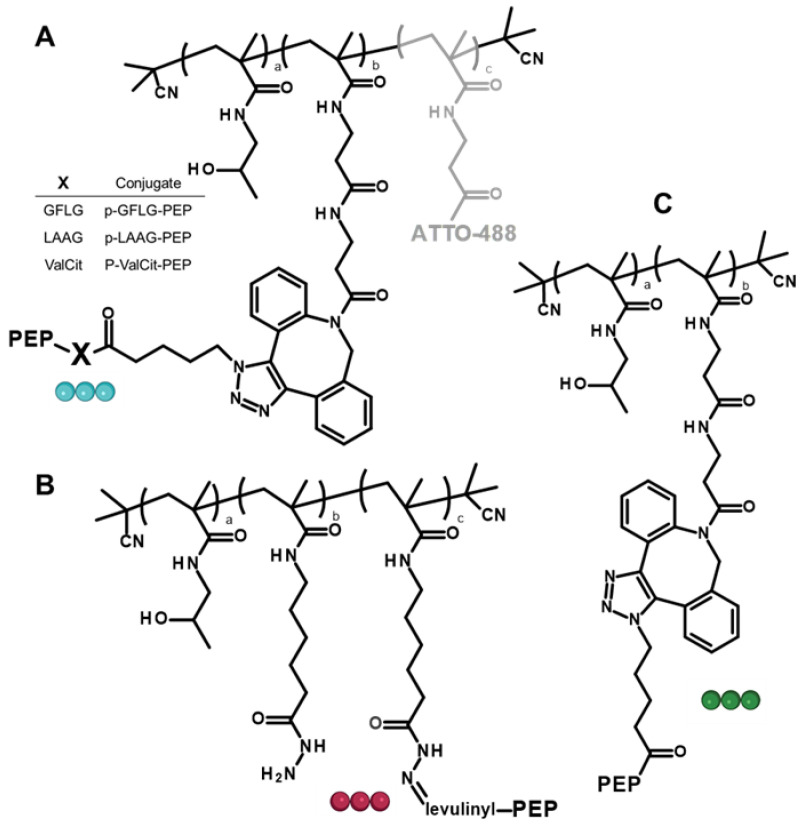
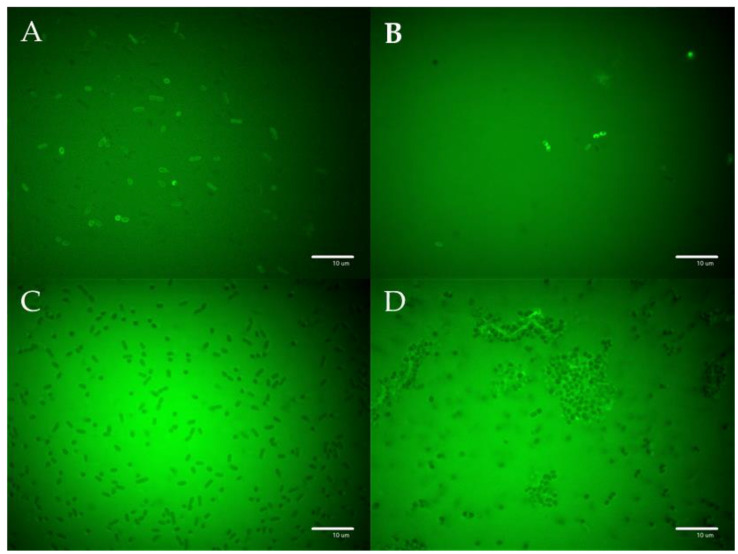
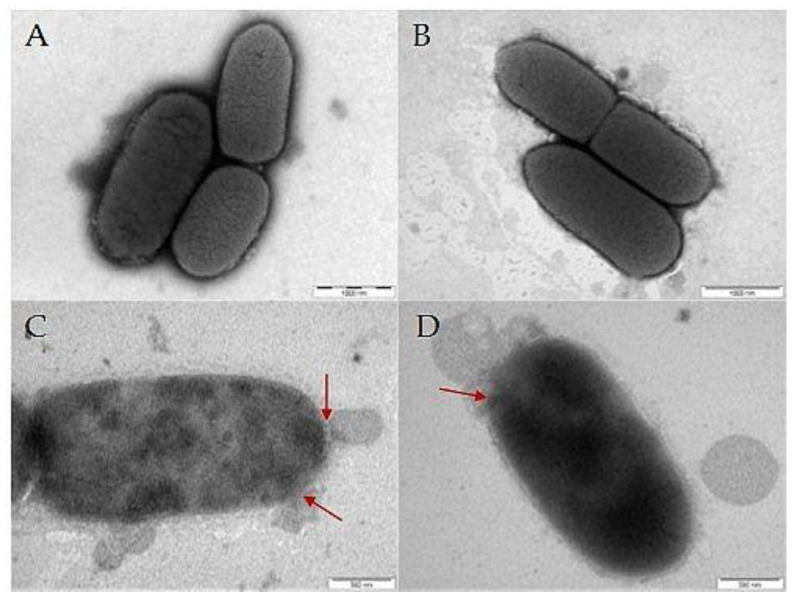
Microbial resistance is one of the main problems of modern medicine. Recently, antimicrobial peptides have been recognized as a novel approach to overcome the microbial resistance issue, nevertheless, their low stability, toxicity, and potential immunogenic response in biological systems have limited their clinical application. Herein, we present the design, synthesis, and preliminary biological evaluation of polymer-antibacterial peptide constructs. The antimicrobial GKWMKLLKKILK-NH oligopeptide (PEP) derived from halictine, honey bee venom, was bound to a polymer carrier via various biodegradable spacers employing the pH-sensitive or enzymatically-driven release and reactivation of the PEP's antimicrobial activity. The antibacterial properties of the polymer-PEP constructs were assessed by a determination of the minimum inhibitory concentrations, followed by fluorescence and transmission electron microscopy. The PEP exerted antibacterial activity against both, gram-positive and negative bacteria, via disruption of the bacterial cell wall mechanism. Importantly, PEP partly retained its antibacterial efficacy against , , and even though it was bound to the polymer carrier. Indeed, to observe antibacterial activity similar to the free PEP, the peptide has to be released from the polymer carrier in response to a pH decrease. Enzymatically-driven release and reactivation of the PEP antimicrobial activity were recognized as less effective when compared to the pH-sensitive release of PEP.
微生物耐药性是现代医学的主要问题之一。近来,抗菌肽已被视为克服微生物耐药性问题的一种新方法,然而,它们在生物系统中的低稳定性、毒性以及潜在的免疫原性反应限制了其临床应用。在此,我们展示了聚合物-抗菌肽构建体的设计、合成及初步生物学评估。源自卤虫素(一种蜜蜂毒液)的抗菌寡肽GKWMKLLKKILK-NH(PEP),通过各种可生物降解的间隔物与聚合物载体结合,利用pH敏感或酶驱动的方式实现PEP抗菌活性的释放和再激活。通过测定最低抑菌浓度,随后进行荧光和透射电子显微镜观察,评估聚合物-PEP构建体的抗菌性能。PEP通过破坏细菌细胞壁机制对革兰氏阳性菌和阴性菌均发挥抗菌活性。重要的是,即使PEP与聚合物载体结合,它对金黄色葡萄球菌、大肠杆菌和铜绿假单胞菌仍部分保留其抗菌效力。实际上,为了观察到与游离PEP相似的抗菌活性,该肽必须响应pH降低而从聚合物载体中释放出来。与PEP的pH敏感释放相比,酶驱动的PEP抗菌活性释放和再激活被认为效果较差。