Zouboulis Christos C, Hou Xiaoxiao, von Waldthausen Henriette, Zouboulis Konstantin C, Hossini Amir M
Departments of Dermatology, Venereology, Allergology, and Immunology, Staedtisches Klinikum Dessau, Brandenburg Medical School Theodor Fontane and Faculty of Health Sciences Brandenburg, 06847 Dessau, Germany.
European Hidradenitis Suppurativa Foundation e.V., 06847 Dessau, Germany.
Pharmaceutics. 2023 Feb 12;15(2):619. doi: 10.3390/pharmaceutics15020619.
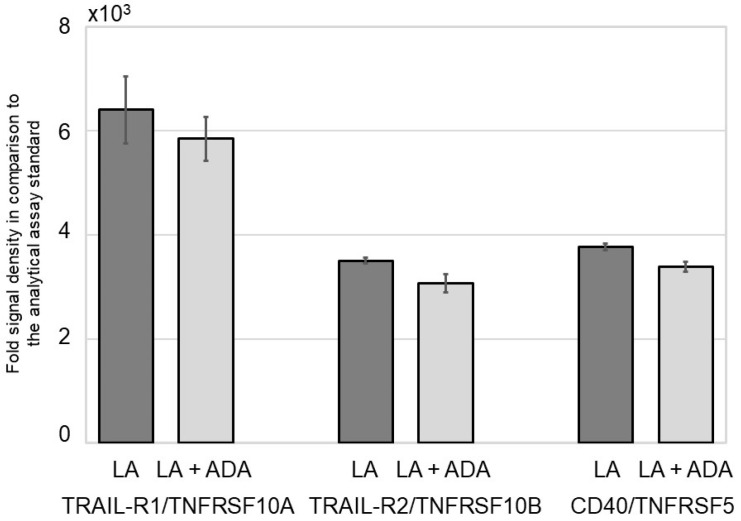
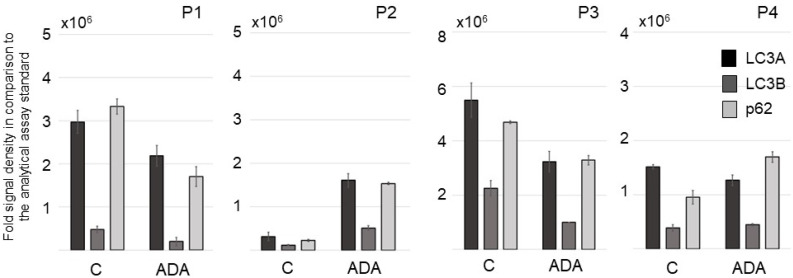
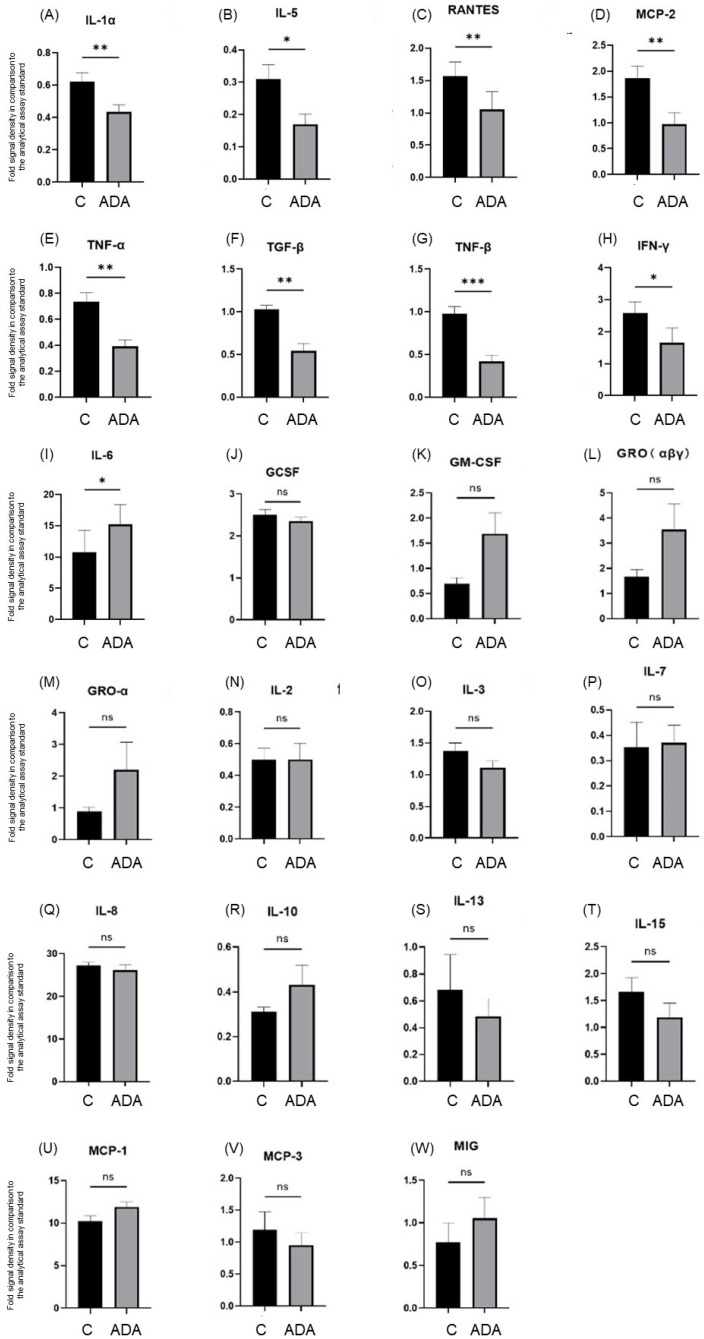
Despite the rapid development in hidradenitis suppurativa (HS) research, the immediate introduction of potent therapeutic compounds in clinical trials and the lack of definitive outcome measures have led to the discontinuation of potential therapeutic compound studies. HS is a solely human disease, and therefore, the search for preclinical human models has been given priority. The 3D-SeboSkin model, a co-culture of human skin explants with human SZ95 sebocytes as a feeder layer, has been shown to prevent the rapid degeneration of human skin in culture and has been validated for HS preclinical studies. In this work, the HS 3D-SeboSkin model has been employed to characterize cellular and molecular effects of the EMA- and FDA-approved biologic adalimumab. Adalimumab, a tumor necrosis factor-α inhibitor, was shown to target inflammatory cells present in HS lesions, inducing a prominent anti-inflammatory response and contributing to tissue regeneration through a wound healing mechanism. Adalimumab inhibited the lesional tissue expression of TNF-α, IL-3, IL-15, and MCP-3 and downregulated the secretion of IL-1α, IL-5, RANTES, MCP-2, TNF-α, TNF-β, TGF-β, and IFN-γ. In contrast, IL-6 was stimulated. The compound failed to modify abnormal epithelial cell differentiation present in the HS lesions. Patients with Hurley stage II lesions exhibited stronger expression of autophagy proteins in perilesional than in lesional skin. Adalimumab modified the levels of the pro-apoptotic proteins LC3A, LC3B, and p62 in an individual, patient-dependent manner. Finally, adalimumab did not modify the NFκB signal proteins in SZ95 sebocytes and NHK-19 keratinocytes, used to study this specific pathway. The administration of the validated HS 3D-SeboSkin model in ex vivo studies prior to clinical trials could elucidate the individual pathogenetic targets of therapeutic candidates and, therefore, increase the success rates of clinical studies, minimizing HS drug development costs.
尽管化脓性汗腺炎(HS)研究发展迅速,但在临床试验中强效治疗化合物的迅速引入以及缺乏明确的结局指标导致了潜在治疗化合物研究的中断。HS是一种仅在人类中发生的疾病,因此,寻找临床前人类模型一直是优先事项。3D-SeboSkin模型是一种将人类皮肤外植体与人类SZ95皮脂腺细胞作为饲养层进行共培养的模型,已被证明可防止培养中的人类皮肤快速退化,并已在HS临床前研究中得到验证。在这项工作中,HS 3D-SeboSkin模型已被用于表征欧洲药品管理局(EMA)和美国食品药品监督管理局(FDA)批准的生物制剂阿达木单抗的细胞和分子效应。阿达木单抗是一种肿瘤坏死因子-α抑制剂,已被证明可靶向HS病变中存在的炎症细胞,诱导显著的抗炎反应,并通过伤口愈合机制促进组织再生。阿达木单抗抑制了TNF-α、IL-3、IL-15和MCP-3在病变组织中的表达,并下调了IL-1α、IL-5、RANTES、MCP-2、TNF-α、TNF-β、TGF-β和IFN-γ的分泌。相比之下,IL-6受到刺激。该化合物未能改变HS病变中存在的异常上皮细胞分化。Hurley II期病变患者病变周围皮肤中自噬蛋白的表达比病变皮肤中更强。阿达木单抗以个体、患者依赖的方式改变了促凋亡蛋白LC3A、LC3B和p62的水平。最后,阿达木单抗并未改变用于研究该特定途径的SZ95皮脂腺细胞和NHK-19角质形成细胞中的NFκB信号蛋白。在临床试验之前进行的体外研究中使用经过验证的HS 3D-SeboSkin模型可以阐明治疗候选药物的个体致病靶点,因此提高临床研究的成功率,将HS药物开发成本降至最低。