Department of Psychiatry & Behavioral Neuroscience, Oregon Health & Science University, USA.
Department of Psychological Sciences, Purdue University, USA.
Dev Cogn Neurosci. 2023 Apr;60:101222. doi: 10.1016/j.dcn.2023.101222. Epub 2023 Feb 24.
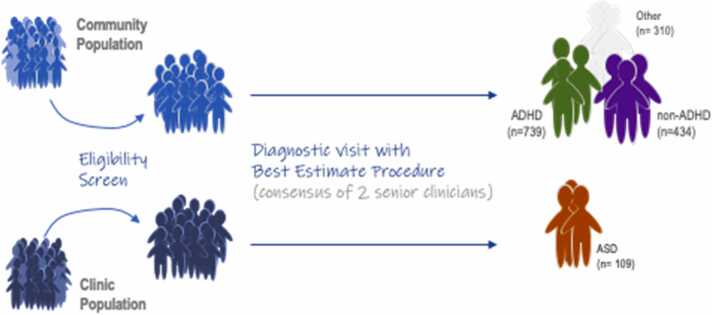
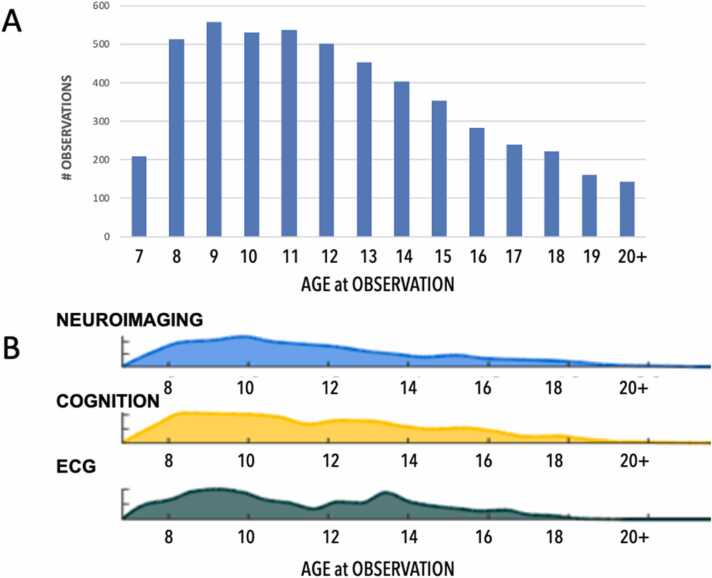
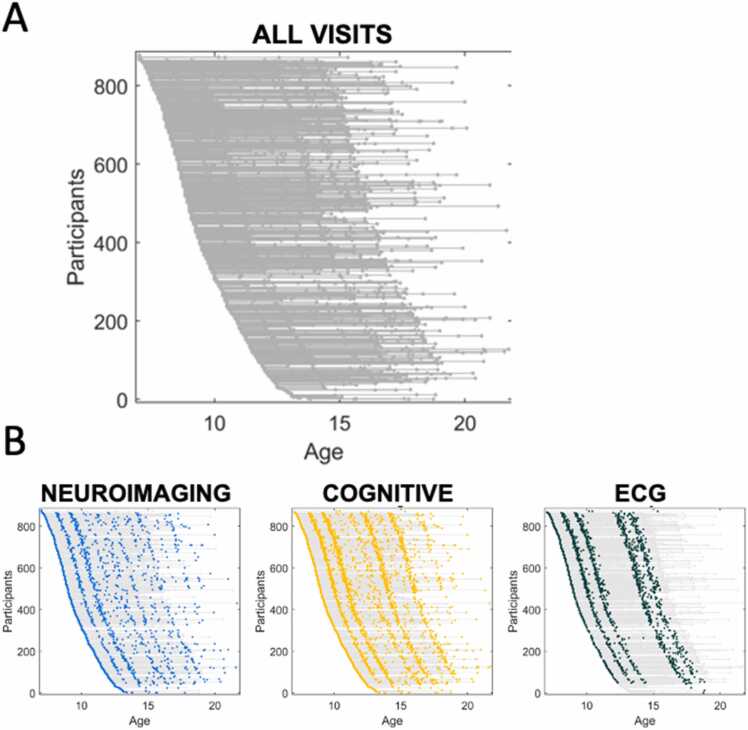
The fields of developmental psychopathology, developmental neuroscience, and behavioral genetics are increasingly moving toward a data sharing model to improve reproducibility, robustness, and generalizability of findings. This approach is particularly critical for understanding attention-deficit/hyperactivity disorder (ADHD), which has unique public health importance given its early onset, high prevalence, individual variability, and causal association with co-occurring and later developing problems. A further priority concerns multi-disciplinary/multi-method datasets that can span different units of analysis. Here, we describe a public dataset using a case-control design for ADHD that includes: multi-method, multi-measure, multi-informant, multi-trait data, and multi-clinician evaluation and phenotyping. It spans > 12 years of annual follow-up with a lag longitudinal design allowing age-based analyses spanning age 7-19 + years with a full age range from 7 to 21. Measures span genetic and epigenetic (DNA methylation) array data; EEG, functional and structural MRI neuroimaging; and psychophysiological, psychosocial, clinical and functional outcomes data. The resource also benefits from an autism spectrum disorder add-on cohort and a cross sectional case-control ADHD cohort from a different geographical region for replication and generalizability. Datasets allowing for integration from genes to nervous system to behavior represent the "next generation" of researchable cohorts for ADHD and developmental psychopathology.
发展心理病理学、发展神经科学和行为遗传学领域越来越倾向于采用数据共享模式,以提高研究结果的可重复性、稳健性和通用性。这种方法对于理解注意力缺陷/多动障碍(ADHD)尤为关键,因为它具有独特的公共卫生重要性,其发病早、患病率高、个体差异大,并与同时发生和随后发展的问题存在因果关系。另一个优先事项涉及可以跨越不同分析单位的多学科/多方法数据集。在这里,我们描述了一个使用 ADHD 病例对照设计的公共数据集,其中包括:多方法、多测量、多来源、多特征数据,以及多临床医生评估和表型。它跨越了> 12 年的年度随访,采用滞后纵向设计,允许基于年龄的分析跨越 7-19 岁+年龄,年龄范围从 7 岁到 21 岁。测量包括遗传和表观遗传(DNA 甲基化)阵列数据;EEG、功能和结构 MRI 神经影像学;以及心理生理学、心理社会、临床和功能结果数据。该资源还受益于自闭症谱系障碍附加队列和来自不同地理区域的横断面病例对照 ADHD 队列,用于复制和推广。允许从基因到神经系统再到行为进行整合的数据集代表了 ADHD 和发展心理病理学的“下一代”可研究队列。