Section of Orthodontics and Dentofacial Orthopedics, Division of Oral Health, Growth and Development, Kyushu University Faculty of Dental Science, Fukuoka, Japan.
Dento-Craniofacial Development and Regeneration Research Center, Kyushu University Faculty of Dental Science, Fukuoka, Japan.
Sci Rep. 2023 Feb 27;13(1):3354. doi: 10.1038/s41598-023-29629-2.
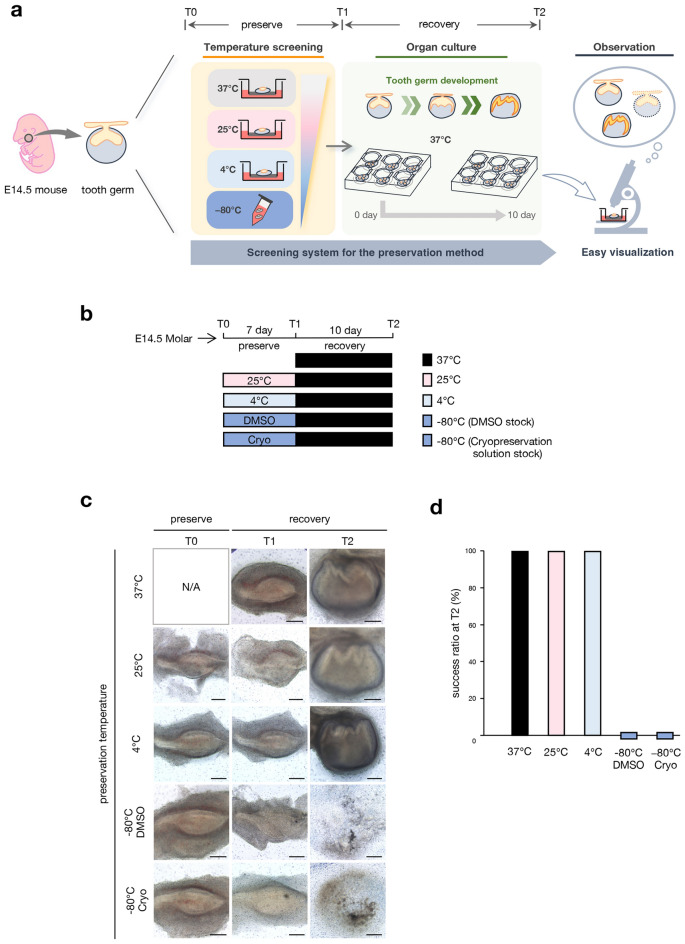
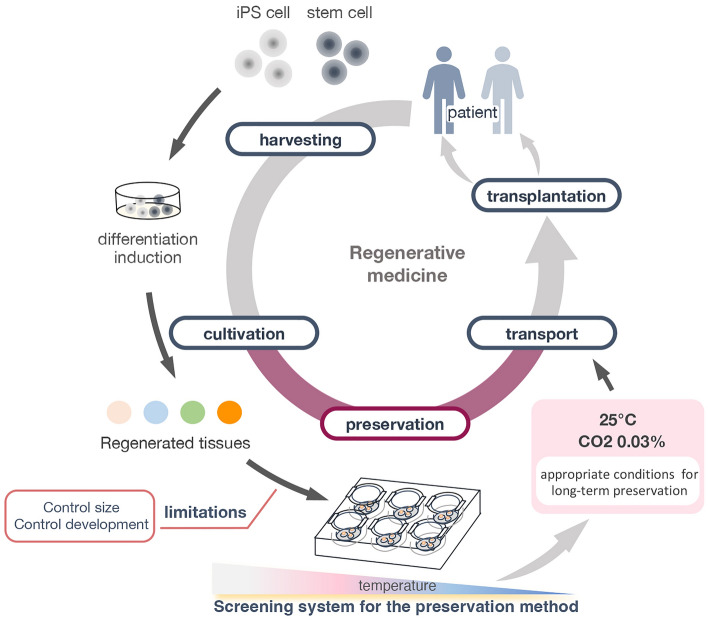
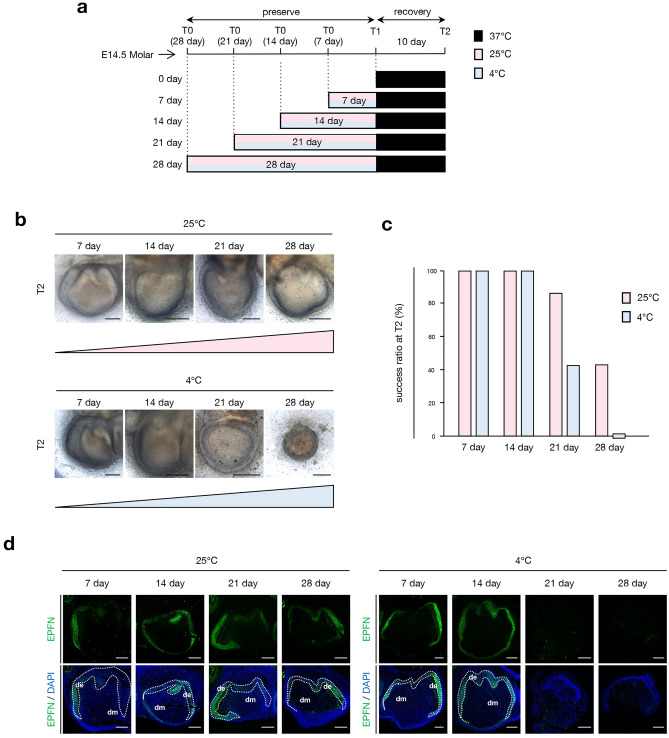
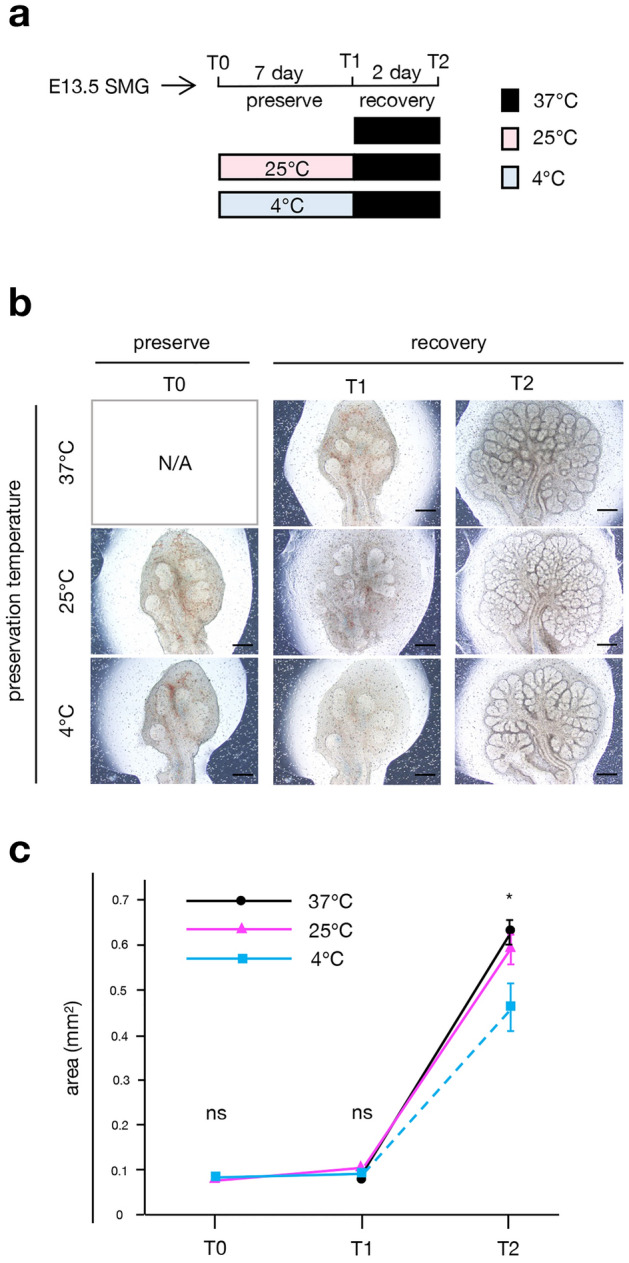
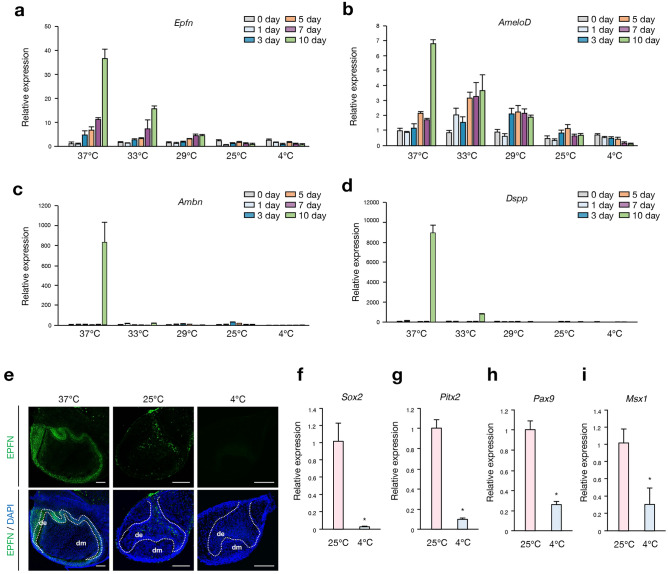
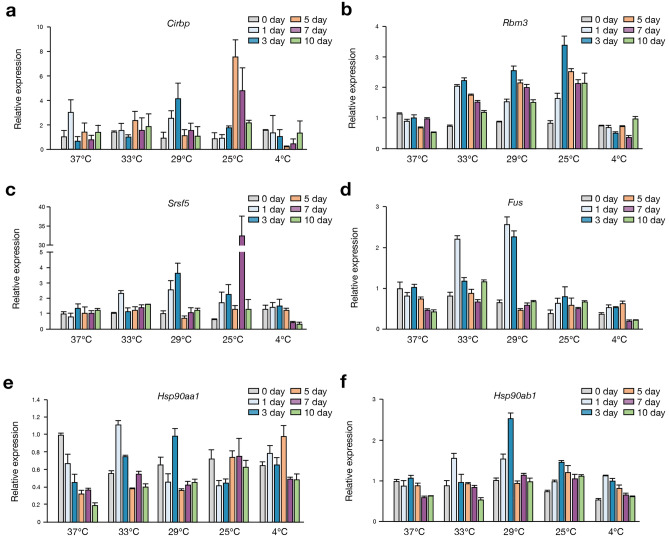
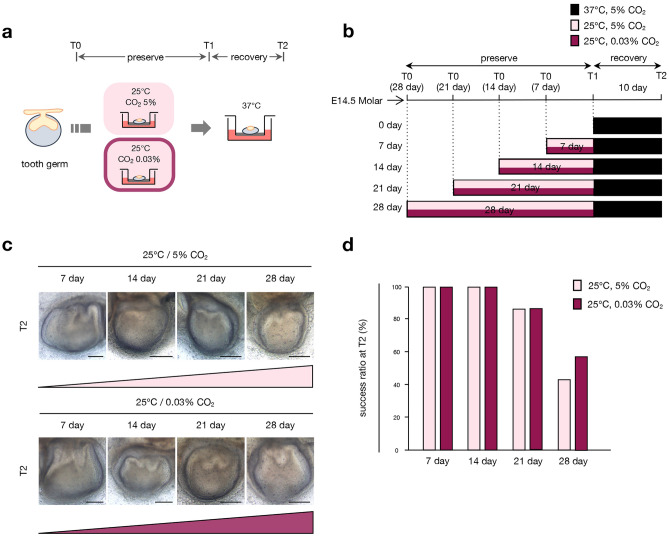
Recent advances in regenerative technology have made the regeneration of various organs using pluripotent stem cells possible. However, a simpler screening method for evaluating regenerated organs is required to apply this technology to clinical regenerative medicine in the future. We have developed a simple evaluation method using a mouse tooth germ culture model of organs formed by epithelial-mesenchymal interactions. In this study, we successfully established a simple method that controls tissue development in a temperature-dependent manner using a mouse tooth germ ex vivo culture model. We observed that the development of the cultured tooth germ could be delayed by low-temperature culture and resumed by the subsequent culture at 37 °C. Furthermore, the optimal temperature for the long-term preservation of tooth germ was 25 °C, a subnormothermic temperature that maintains the expression of stem cell markers. We also found that subnormothermic temperature induces the expression of cold shock proteins, such as cold-inducible RNA-binding protein, RNA-binding motif protein 3, and serine and arginine rich splicing factor 5. This study provides a simple screening method to help establish the development of regenerative tissue technology using a tooth organ culture model. Our findings may be potentially useful for making advances in the field of regenerative medicine.
再生技术的最新进展使得利用多能干细胞再生各种器官成为可能。然而,为了将这项技术应用于未来的临床再生医学,我们需要一种更简单的筛选方法来评估再生器官。我们利用上皮-间充质相互作用形成的器官的小鼠牙胚培养模型开发了一种简单的评估方法。在这项研究中,我们成功地建立了一种使用小鼠牙胚离体培养模型以温度依赖性方式控制组织发育的简单方法。我们观察到,低温培养可以延迟培养牙胚的发育,随后在 37°C 下培养可以恢复其发育。此外,牙胚的长期保存的最佳温度为 25°C,这是一种亚常温,能维持干细胞标志物的表达。我们还发现,亚常温诱导冷休克蛋白的表达,如冷诱导 RNA 结合蛋白、RNA 结合基序蛋白 3 和丝氨酸/精氨酸丰富剪接因子 5。这项研究提供了一种简单的筛选方法,有助于利用牙器官培养模型建立再生组织技术的发展。我们的发现可能对再生医学领域的进展具有潜在的应用价值。