Wang Tiantian, Kong Yuchen, Zhang He, Li Yuhang, Hou Rong, Dunn Derek W, Hou Xiduo, Huang Kang, Li Baoguo
Shaanxi Key Laboratory for Animal Conservation, College of Life Sciences, Northwest University, Xi'an 710069, China.
Qingyang No.6 Middle School, Qingyang 745000, China.
iScience. 2023 Feb 2;26(2):106098. doi: 10.1016/j.isci.2023.106098. eCollection 2023 Feb 17.
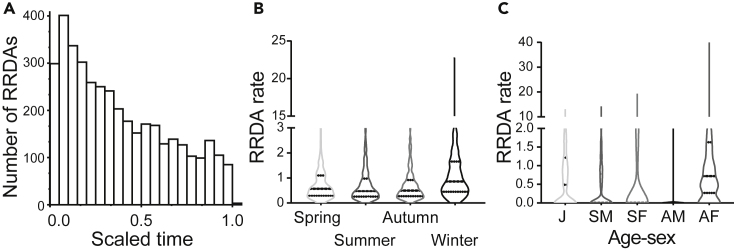
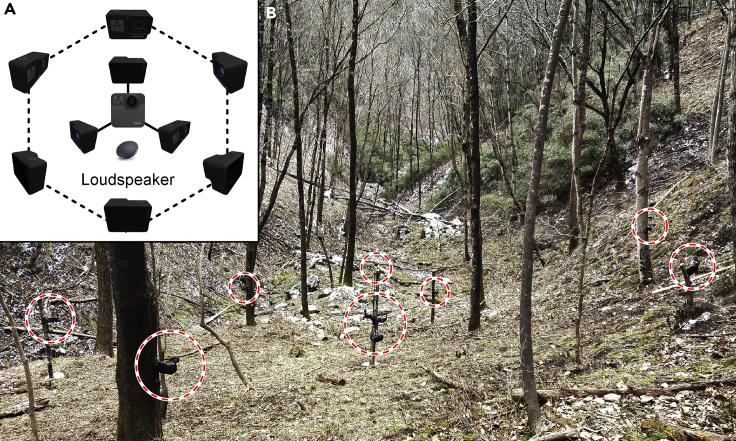
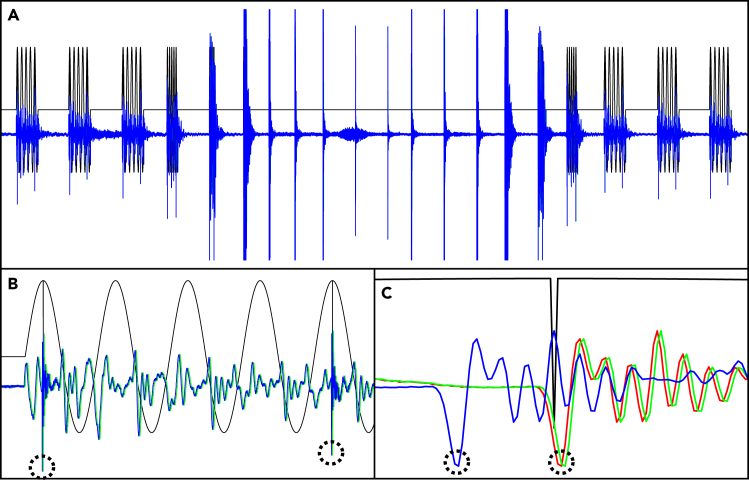
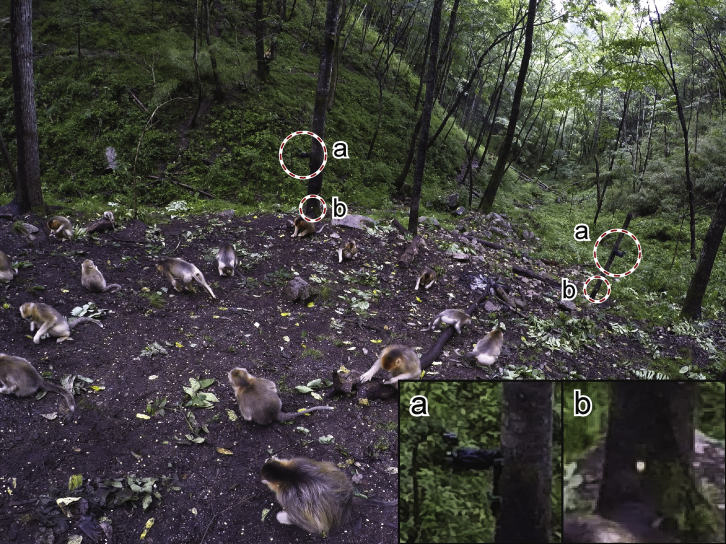
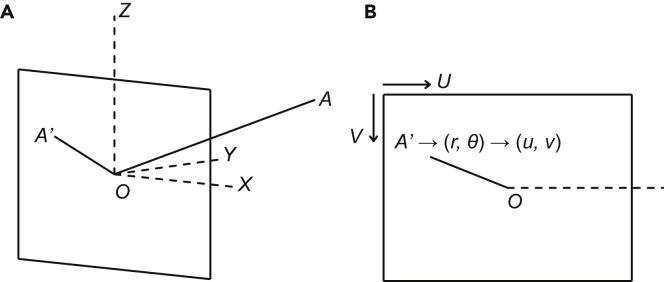
Tactical deception can be beneficial for social animals during intra-specific competition. However, the use of tactical deception in wild mammals is predicted to be rare. We tested whether a food-provisioned free-ranging band of golden snub-nosed monkeys () use alarm calls in a functionally deceptive manner to gain access to food resources, whether the rate of deceptive alarm calls varies among individuals, and whether there are any counter-deception behaviors. We used a hexagonal camera array consisting of 10 cameras to record videos during feeding, which allowed us to identify individual alarm callers. We found evidence that these monkeys use deceptive alarms and that adult females were more likely to use such calls than other individuals. The monkeys increased their rates of response to alarm calls when competition for food was high. However, we found no direct evidence of any counter-deception strategies.
战术欺骗在种内竞争期间对群居动物可能是有益的。然而,预计野生哺乳动物中战术欺骗行为的使用较为罕见。我们测试了一群接受食物供应的自由放养川金丝猴是否会以功能上具有欺骗性的方式使用警报叫声来获取食物资源,欺骗性警报叫声的发生率在个体之间是否存在差异,以及是否存在任何反欺骗行为。我们使用了一个由10台摄像机组成的六边形摄像阵列在喂食期间记录视频,这使我们能够识别发出警报叫声的个体。我们发现有证据表明这些猴子会使用欺骗性警报,并且成年雌性比其他个体更有可能发出此类叫声。当食物竞争激烈时,猴子对警报叫声的反应频率会增加。然而,我们没有发现任何反欺骗策略的直接证据。