Na Hooseung, Kim Hyungkeun, Kim Taeyeon
Architectural Engineering, Yonsei University, Seoul, South Korea.
R&D Institute. Risk Assessment PJT, LX Hausys, Seoul, South Korea.
Build Environ. 2023 Apr 15;234:110136. doi: 10.1016/j.buildenv.2023.110136. Epub 2023 Feb 23.
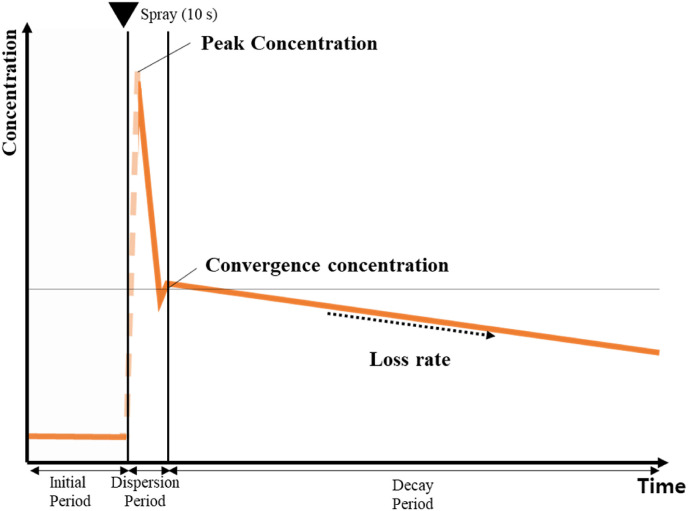
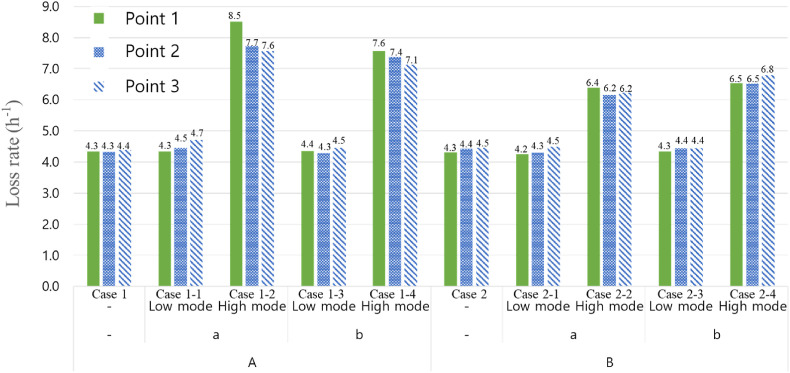
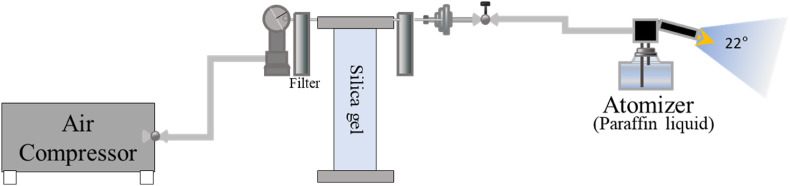
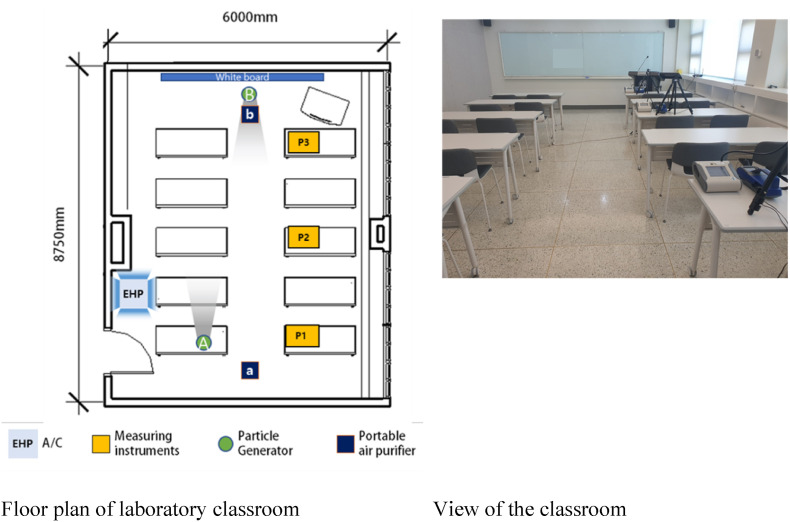
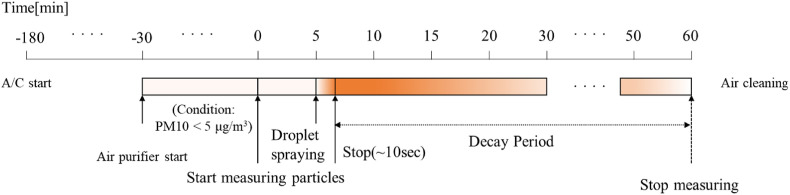
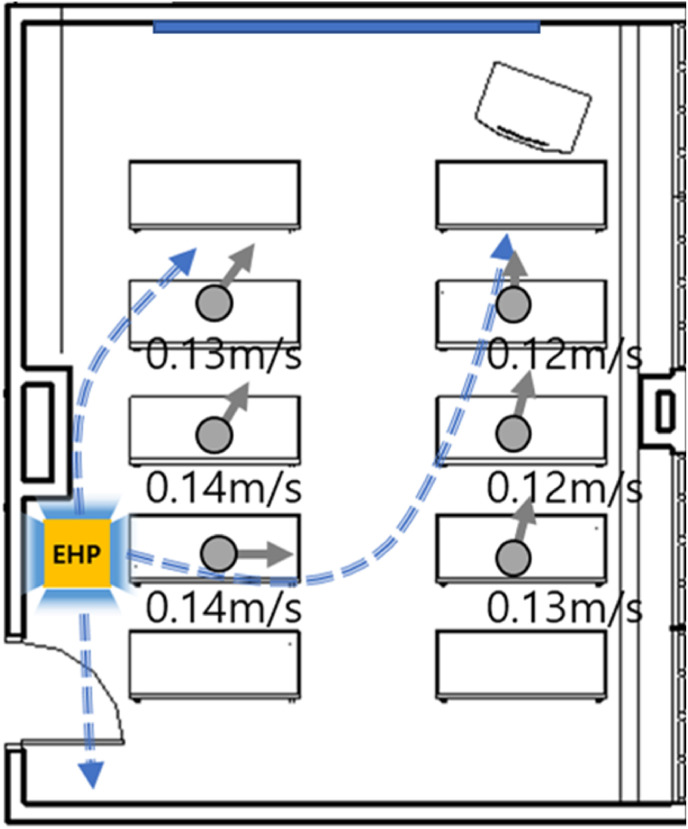
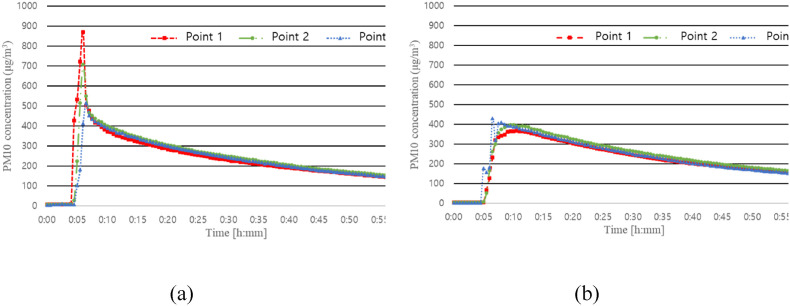
Coronavirus disease (COVID-19), which emerged in 2019, has induced worldwide chaos. The main cause of COVID-19 mass infection indoors is the spread of virus-containing droplets via indoor airflow, which is affected by air conditioners and purifiers. Here, ten experimental cases were established to analyze how use of air purifiers affects the spread of virus-containing droplets. The experiments were conducted in a school classroom with an air conditioner in summer. In the droplet dispersion experiment, paraffin oil was used as the droplet substance. Two main scenarios were simulated: (1) an infected student was seated in the back of the classroom; and (2) the teacher, standing in the front of the classroom, was infected. The results were expressed using two parameters: peak concentration and loss rate, which reflect the degree of direct and indirect infection (airborne infection), respectively. The air purifier induced a peak concentration decrease of 42% or an increase of 278%, depending on its location in the classroom. Conversely, when the air purifier was operated in the high mode (flow rate = 500 CMH; cubic meters per hour), the loss rate showed that the amount of droplet nuclei only decreased by 39% and the droplet amount decreased by 22%. Thus, the airborne infection degree can be significantly reduced. Finally, the use of air purifiers in the summer may be helpful in preventing group infections by reducing the loss rate and peak concentration if the air purifier is placed in a strategic location, according to the airflow of the corresponding room.
2019年出现的冠状病毒病(COVID-19)已在全球引发混乱。COVID-19在室内大规模感染的主要原因是含病毒飞沫通过室内气流传播,而这会受到空调和净化器的影响。在此,建立了10个实验案例来分析空气净化器的使用如何影响含病毒飞沫的传播。实验在夏季装有空调的学校教室中进行。在飞沫扩散实验中,使用石蜡油作为飞沫物质。模拟了两种主要场景:(1)一名受感染学生坐在教室后排;(2)站在教室前面的教师被感染。结果用两个参数表示:峰值浓度和损失率,分别反映直接感染和间接感染(空气传播感染)的程度。空气净化器根据其在教室中的位置,会使峰值浓度降低42%或增加278%。相反,当空气净化器以高模式运行(流速 = 500立方米每小时)时,损失率表明飞沫核数量仅减少39%,飞沫量减少22%。因此,空气传播感染程度可显著降低。最后,如果根据相应房间的气流情况将空气净化器放置在合适位置,夏季使用空气净化器可能有助于通过降低损失率和峰值浓度来预防群体感染。