Narayanan Sai Ranjeet, Yang Suo
Department of Mechanical Engineering, University of Minnesota-Twin Cities, Minneapolis, Minnesota 55455, USA.
Phys Fluids (1994). 2021 Mar 1;33(3):033307. doi: 10.1063/5.0042474. Epub 2021 Mar 9.
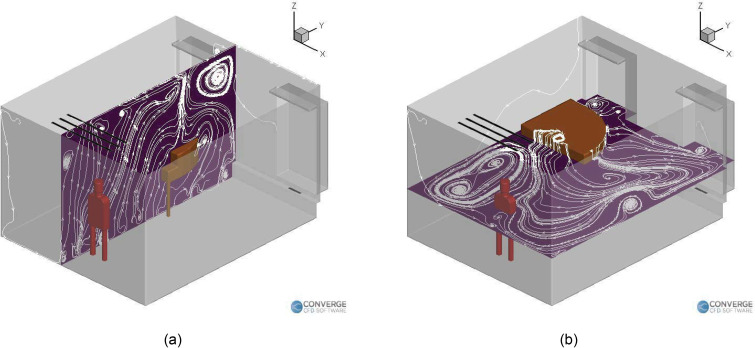
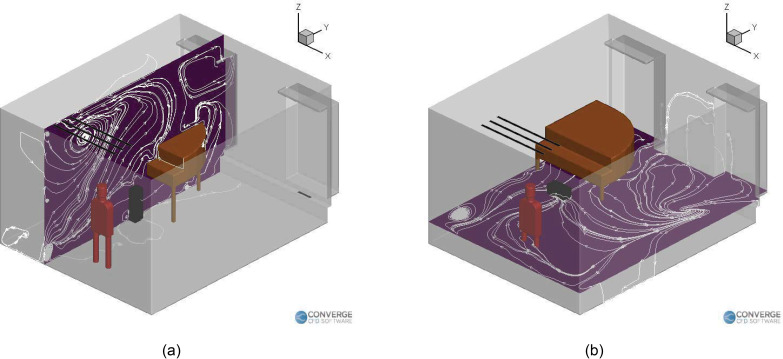
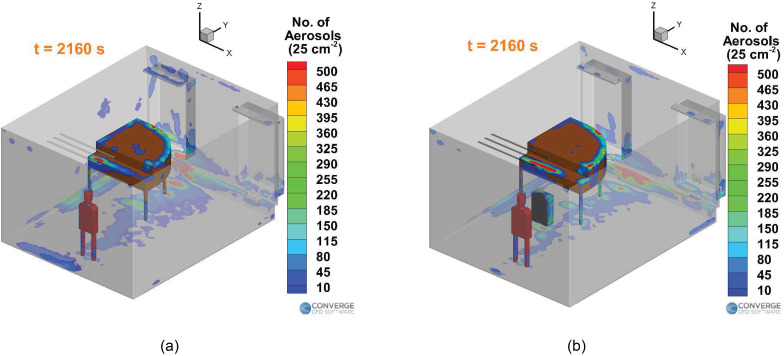
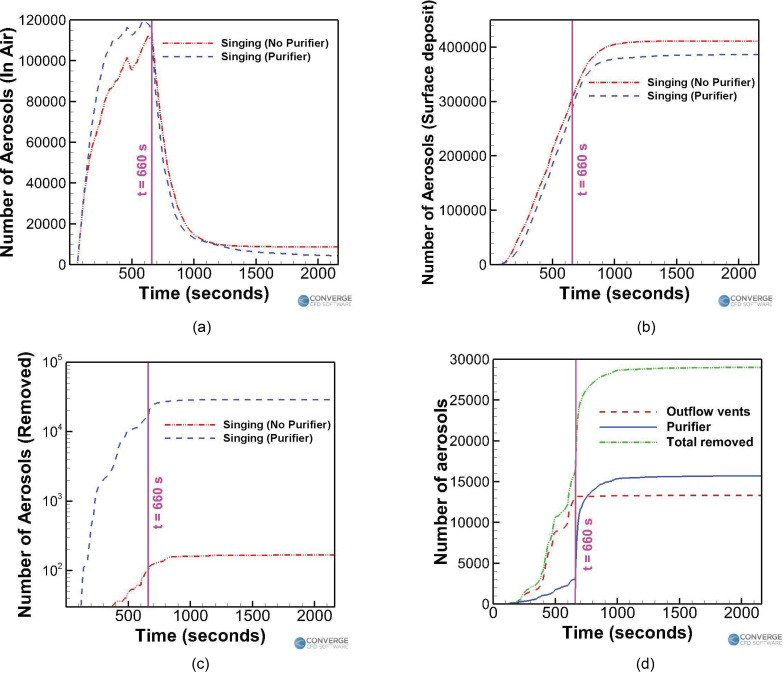
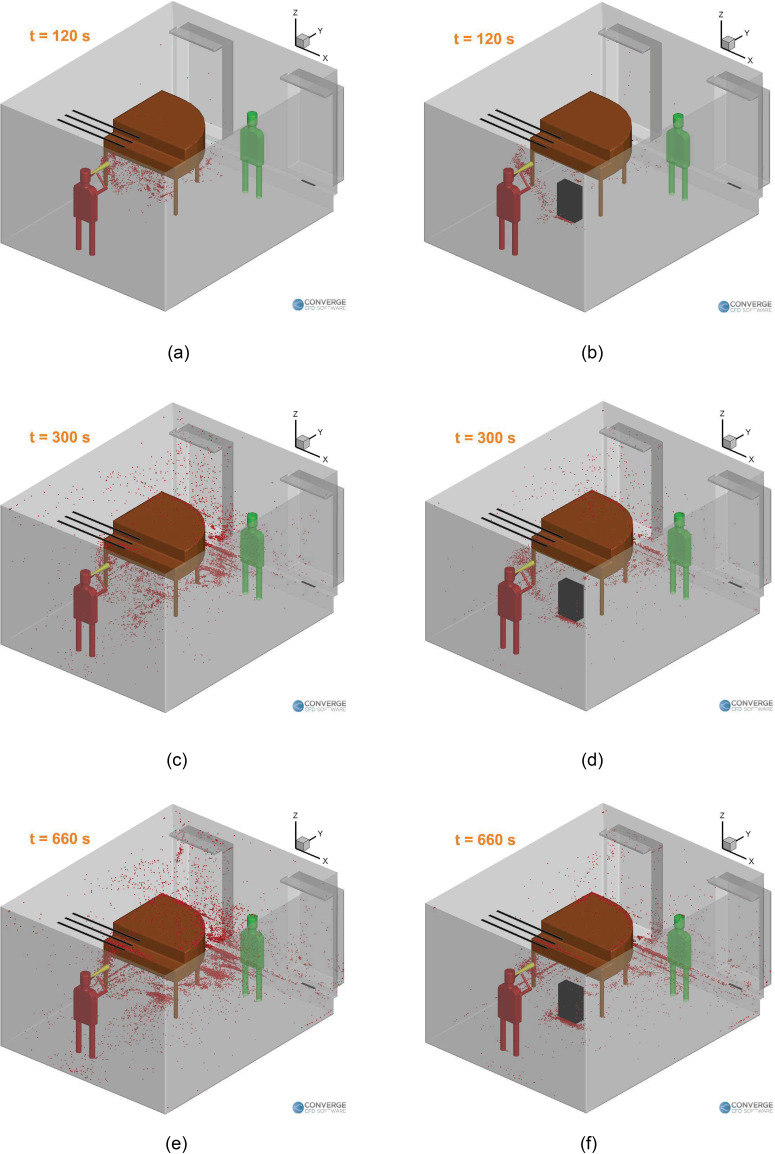
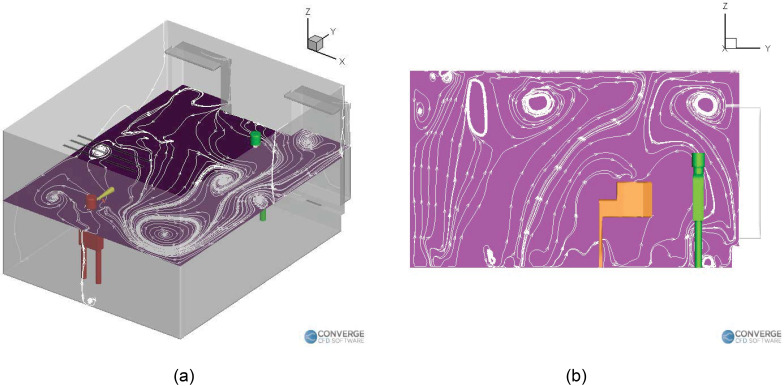
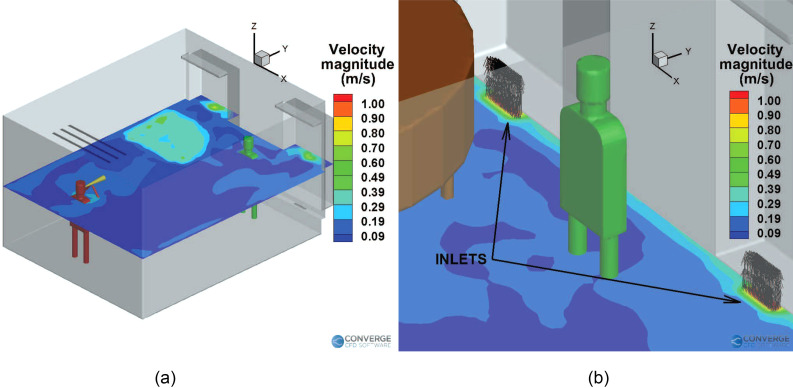
The ongoing COVID-19 pandemic has shifted attention to the airborne transmission of exhaled droplet nuclei within indoor environments. The spread of aerosols through singing and musical instruments in music performances has necessitated precautionary methods such as masks and portable purifiers. This study investigates the effects of placing portable air purifiers at different locations inside a classroom and the effects of different aerosol injection rates (e.g., with and without masks, different musical instruments, and different injection modes). Aerosol deposition, airborne concentration, and removal are analyzed in this study. It was found that using purifiers could help in achieving ventilation rates close to the prescribed values by the World Health Organization, while also achieving aerosol removal times within the Center of Disease Control and Prevention recommended guidelines. This could help in deciding break periods between classroom sessions, which was around 25 min through this study. Moreover, proper placement of purifiers could offer significant advantages in reducing airborne aerosol numbers (offering several orders of magnitude higher aerosol removal when compared to nearly zero removal when having no purifiers), and improper placement of the purifiers could worsen the situation. This study suggests the purifier to be placed close to the injector to yield a benefit and away from the people to be protected. The injection rate was found to have an almost linear correlation with the average airborne aerosol suspension rate and deposition rate, which could be used to predict the trends for scenarios with other injection rates.
持续的新冠疫情已将人们的注意力转移到室内环境中呼出飞沫核的空气传播上。在音乐表演中,气溶胶通过唱歌和乐器传播,这就需要采取如佩戴口罩和使用便携式空气净化器等预防措施。本研究调查了在教室不同位置放置便携式空气净化器的效果,以及不同气溶胶注入速率(例如,有无口罩、不同乐器和不同注入模式)的影响。本研究分析了气溶胶的沉积、空气中的浓度和去除情况。研究发现,使用空气净化器有助于实现接近世界卫生组织规定值的通风率,同时还能在疾病控制与预防中心推荐的指导方针内实现气溶胶去除时间。这有助于确定课间休息时间,通过本研究得出休息时间约为25分钟。此外,空气净化器的正确放置在减少空气中气溶胶数量方面具有显著优势(与不使用空气净化器时几乎为零的去除率相比,可实现高几个数量级的气溶胶去除),而空气净化器放置不当可能会使情况恶化。本研究建议将空气净化器放置在靠近注入源的位置以产生效果,且远离需要保护的人员。研究发现注入速率与空气中气溶胶的平均悬浮率和沉积率几乎呈线性相关,这可用于预测其他注入速率情况下的趋势。