Shi Qiongfeng, Yang Yanqin, Sun Zhongda, Lee Chengkuo
Department of Electrical and Computer Engineering, National University of Singapore, Singapore 117583, Singapore.
Center for Intelligent Sensors and MEMS (CISM), National University of Singapore, Singapore 117608, Singapore.
ACS Mater Au. 2022 Apr 7;2(4):394-435. doi: 10.1021/acsmaterialsau.2c00001. eCollection 2022 Jul 13.
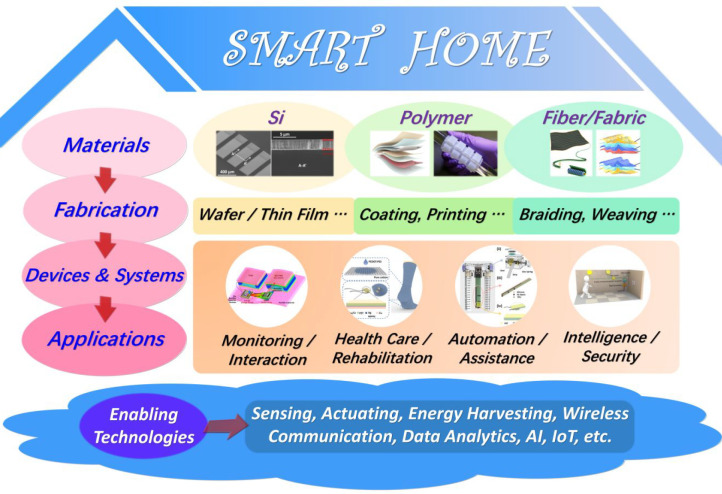
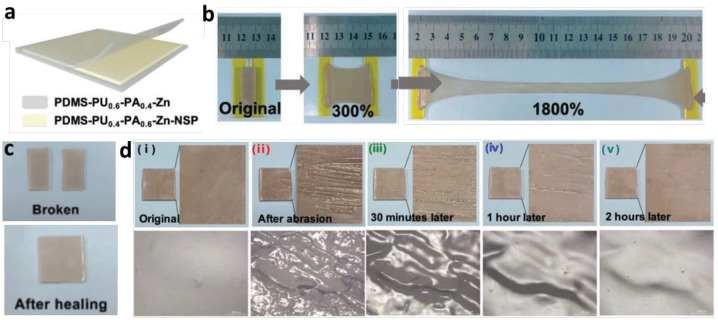
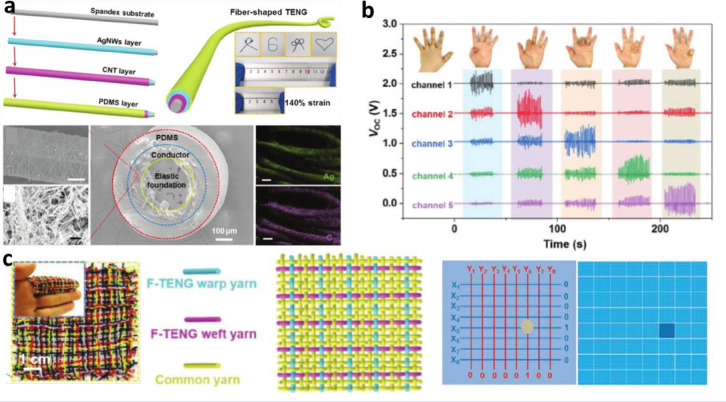
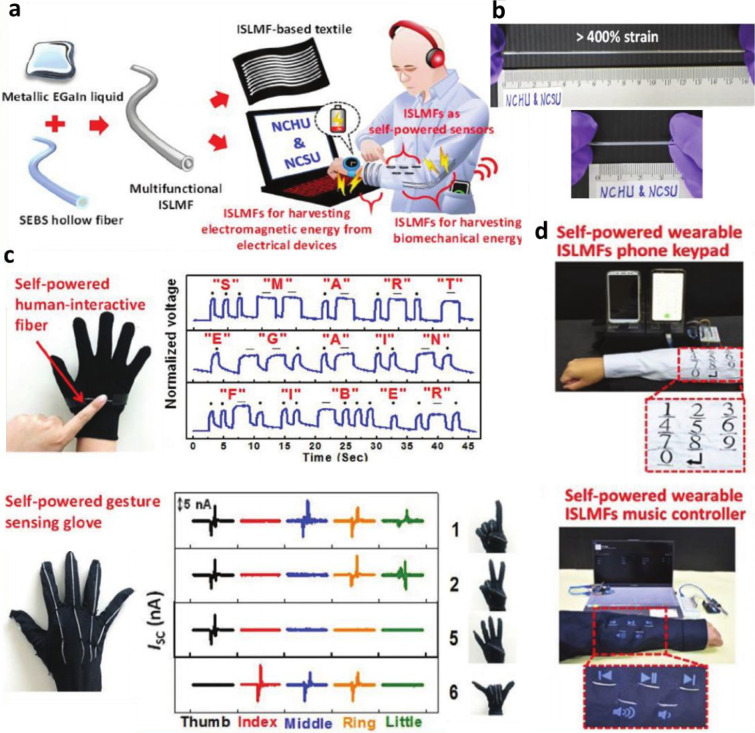
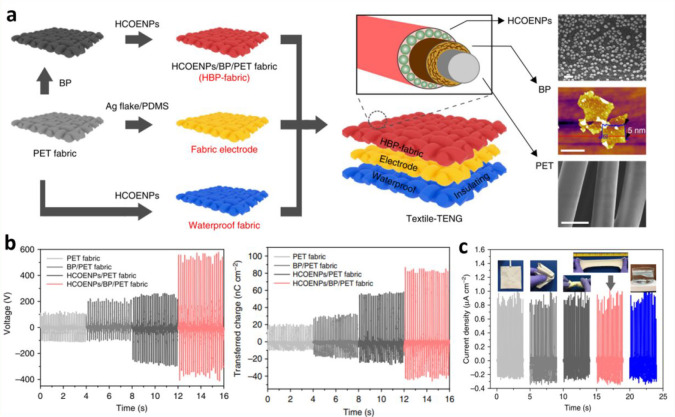
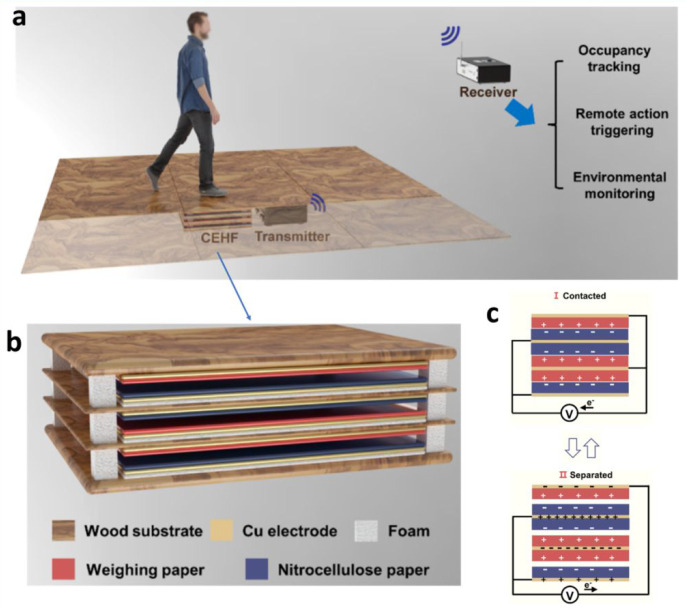
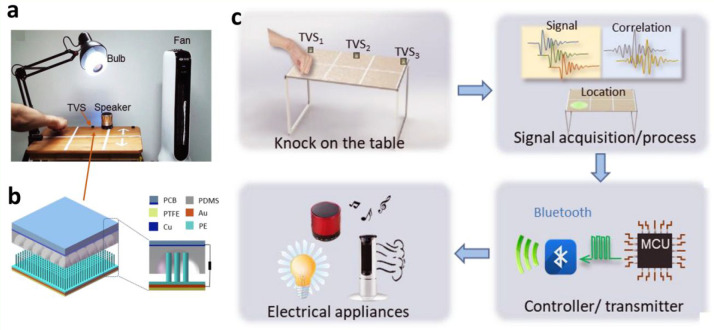
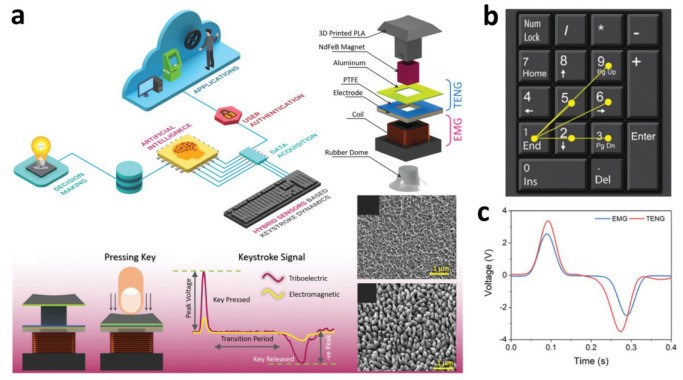
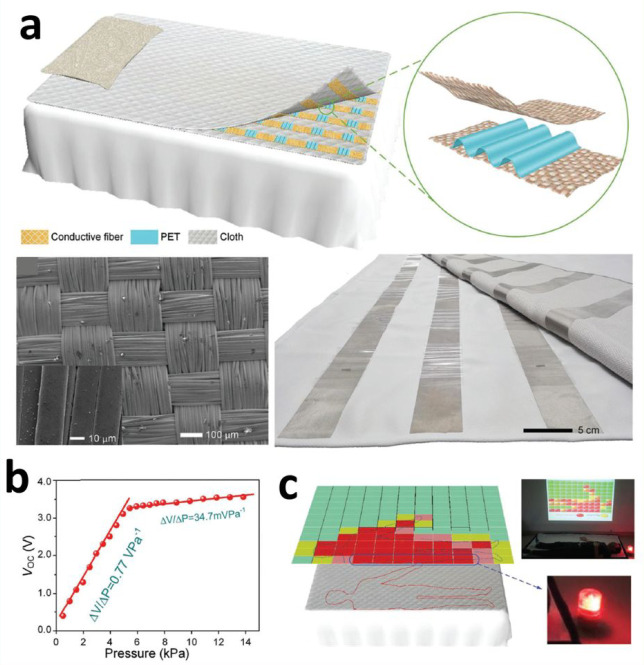
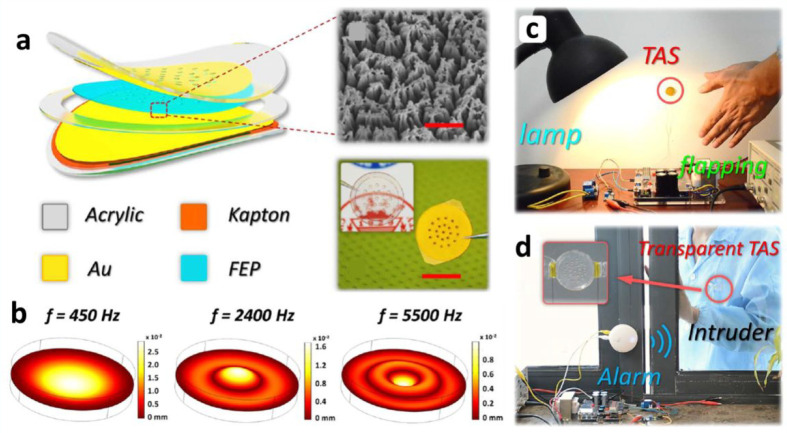
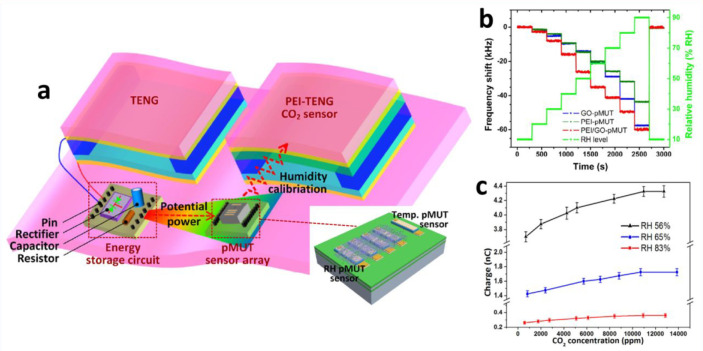
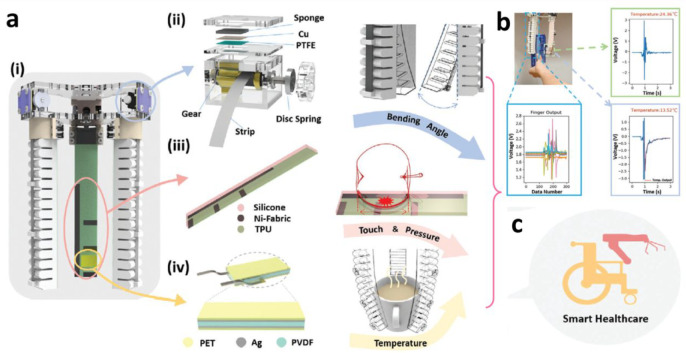
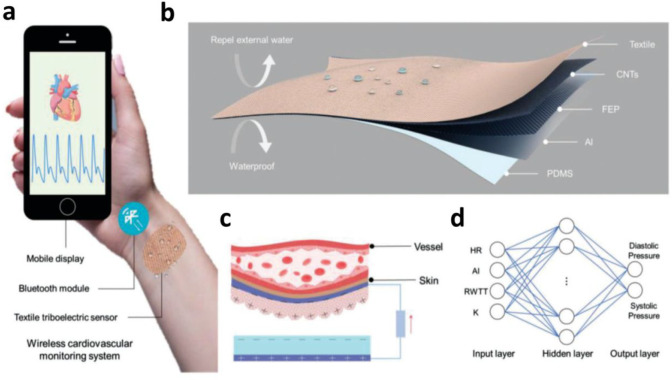
In the Internet of Things (IoT) era, various devices (., sensors, actuators, energy harvesters, .) and systems have been developed toward the realization of smart homes/buildings and personal health care. These advanced devices can be categorized into ambient devices and wearable devices based on their usage scenarios, to enable motion tracking, health monitoring, daily care, home automation, fall detection, intelligent interaction, assistance, living convenience, and security in smart homes. With the rapidly increasing number of such advanced devices and IoT systems, achieving fully self-sustained and multimodal intelligent systems is becoming more and more important to realize a sustainable and all-in-one smart home platform. Hence, in this Review, we systematically present the recent progress of the development of advanced materials, fabrication techniques, devices, and systems for enabling smart home and health care applications. First, advanced polymer, fiber, and fabric materials as well as their respective fabrication techniques for large-scale manufacturing are discussed. After that, functional devices classified into ambient devices (at home ambiance such as door, floor, table, chair, bed, toilet, window, wall, .) and wearable devices (on body parts such as finger, wrist, arm, throat, face, back, .) are presented for diverse monitoring and auxiliary applications. Next, the current developments of self-sustained systems and intelligent systems are reviewed in detail, indicating two promising research directions in this field. Last, conclusions and outlook pinpointed on the existing challenges and opportunities are provided for the research community to consider.
在物联网(IoT)时代,人们已经开发了各种设备(如传感器、执行器、能量收集器等)和系统,以实现智能家居/建筑和个人医疗保健。这些先进设备可根据其使用场景分为环境设备和可穿戴设备,以实现智能家居中的运动跟踪、健康监测、日常护理、家庭自动化、跌倒检测、智能交互、辅助、生活便利和安全。随着此类先进设备和物联网系统数量的迅速增加,实现完全自给自足的多模式智能系统对于实现可持续的一体化智能家居平台变得越来越重要。因此,在本综述中,我们系统地介绍了用于智能家居和医疗保健应用的先进材料、制造技术、设备和系统的最新进展。首先,讨论了先进的聚合物、纤维和织物材料及其用于大规模制造的各自制造技术。之后,介绍了分为环境设备(如门、地板、桌子、椅子、床、马桶、窗户、墙壁等家庭环境中的设备)和可穿戴设备(如手指、手腕、手臂、喉咙、面部、背部等身体部位上的设备)的功能设备,用于各种监测和辅助应用。接下来,详细回顾了自给自足系统和智能系统的当前发展情况,指出了该领域两个有前景的研究方向。最后,针对现有挑战和机遇给出了结论和展望,供研究界参考。