Department of Cell Biology, Municipal Laboratory for Liver Protection and Regulation of Regeneration, Capital Medical University, Beijing, 100069, China.
Department of Neonatal Surgery, Beijing Children's Hospital, Capital Medical University, National Center for Children's Health, Beijing, 100045, China.
Cell Death Dis. 2023 Mar 1;14(3):175. doi: 10.1038/s41419-023-05615-4.
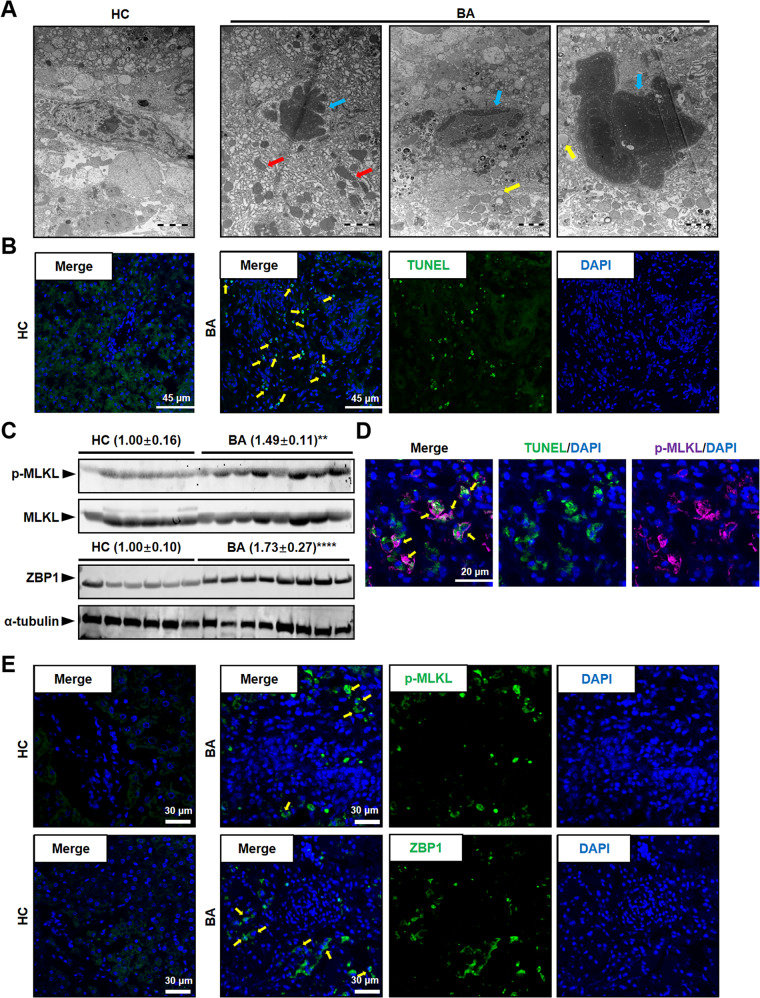
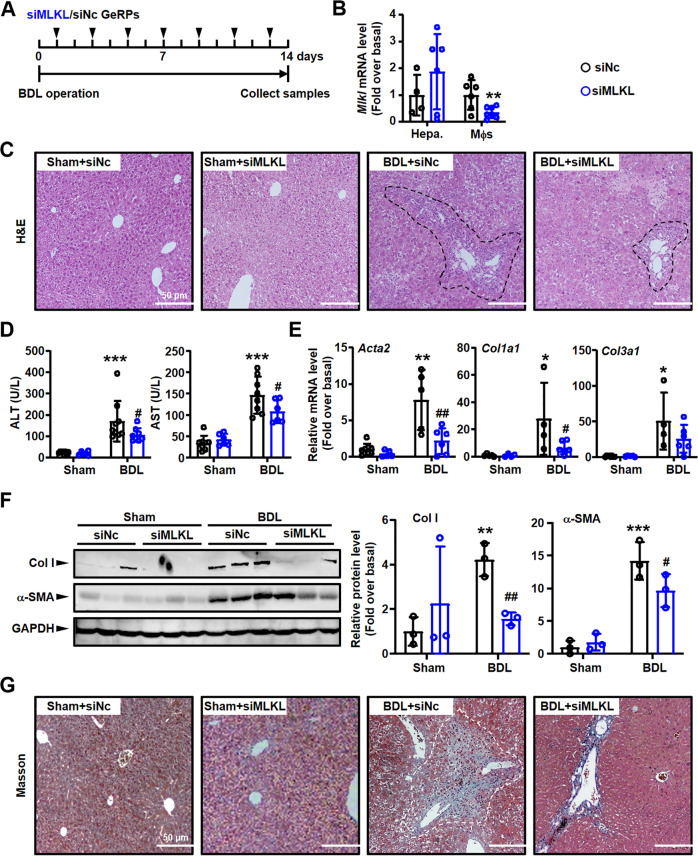
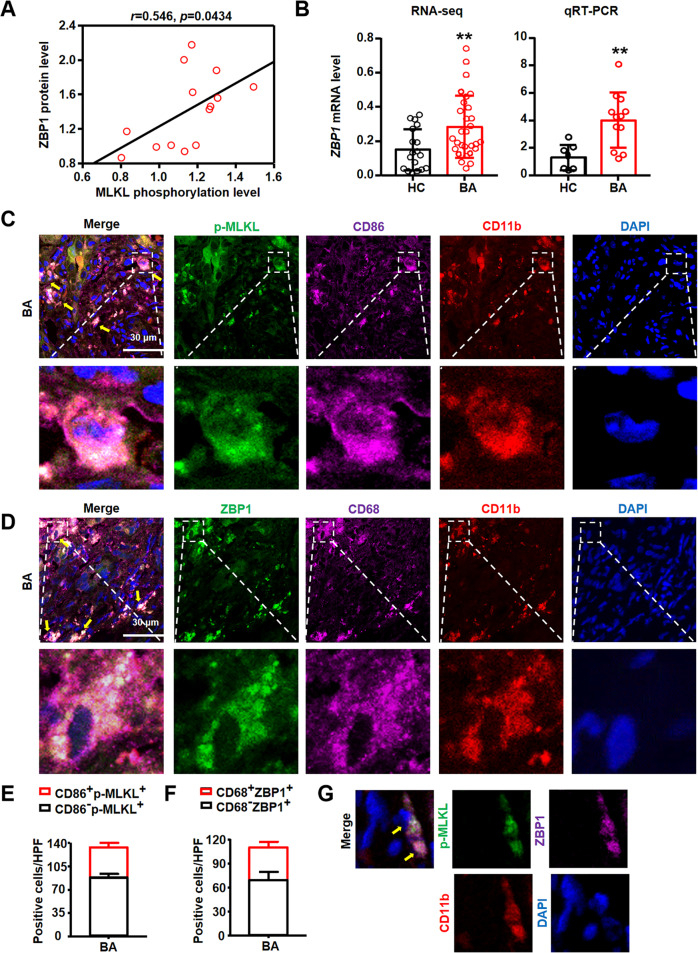
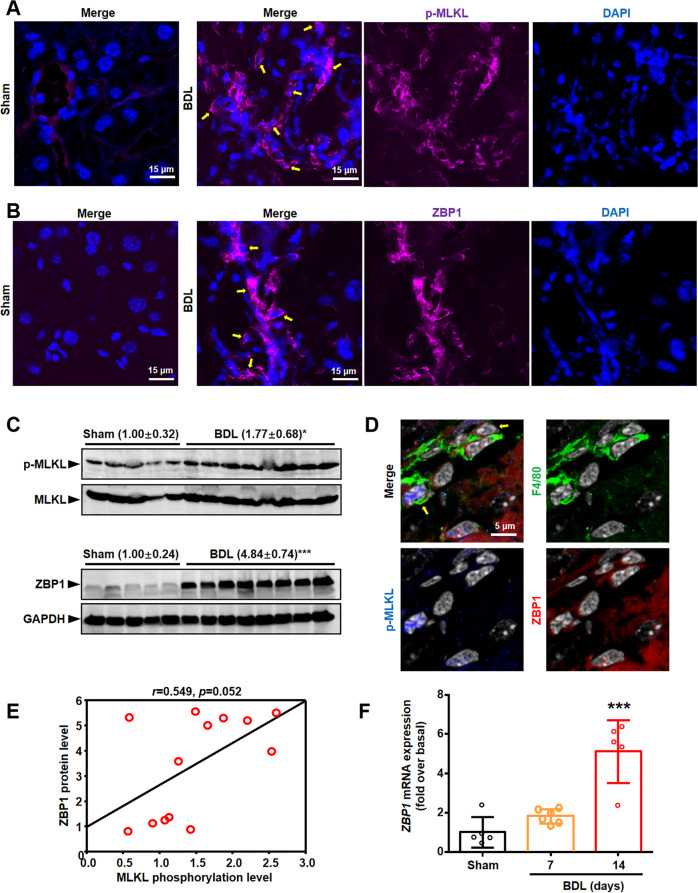
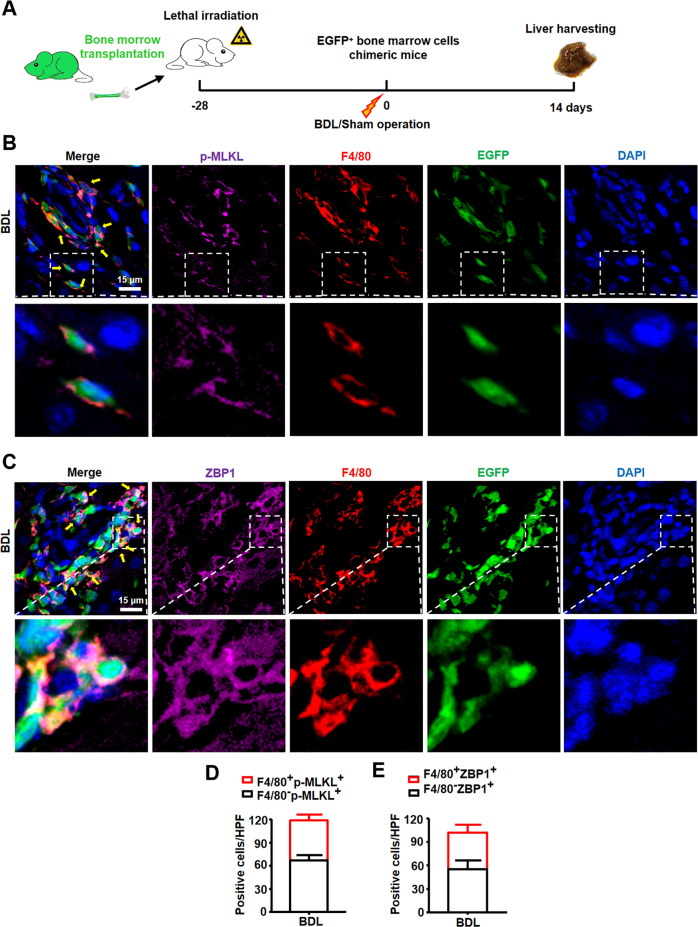
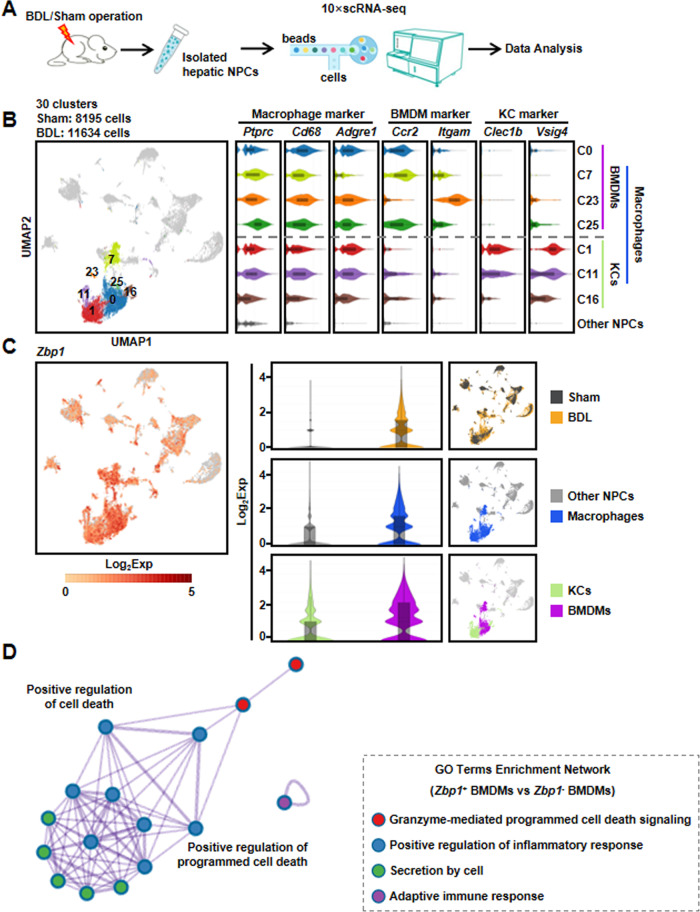
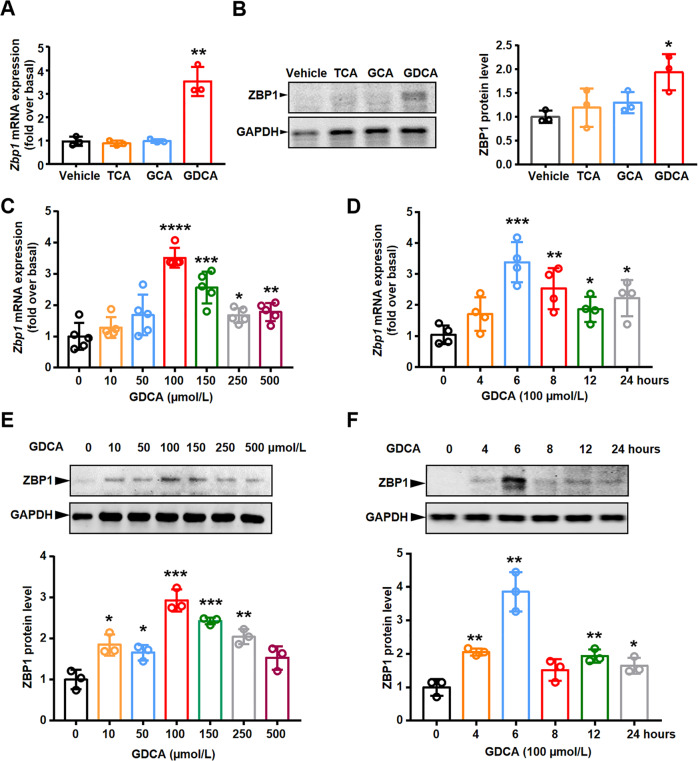
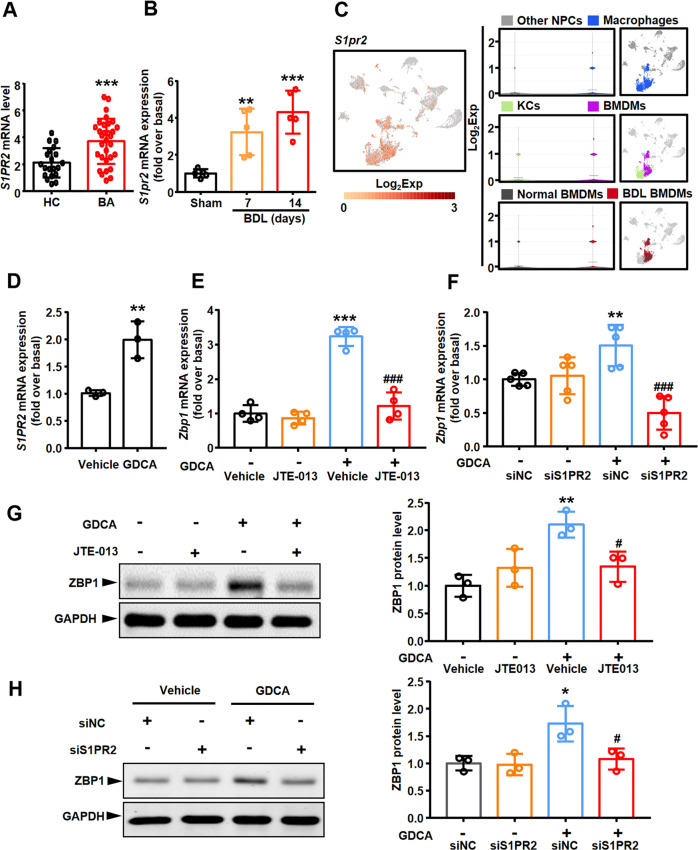
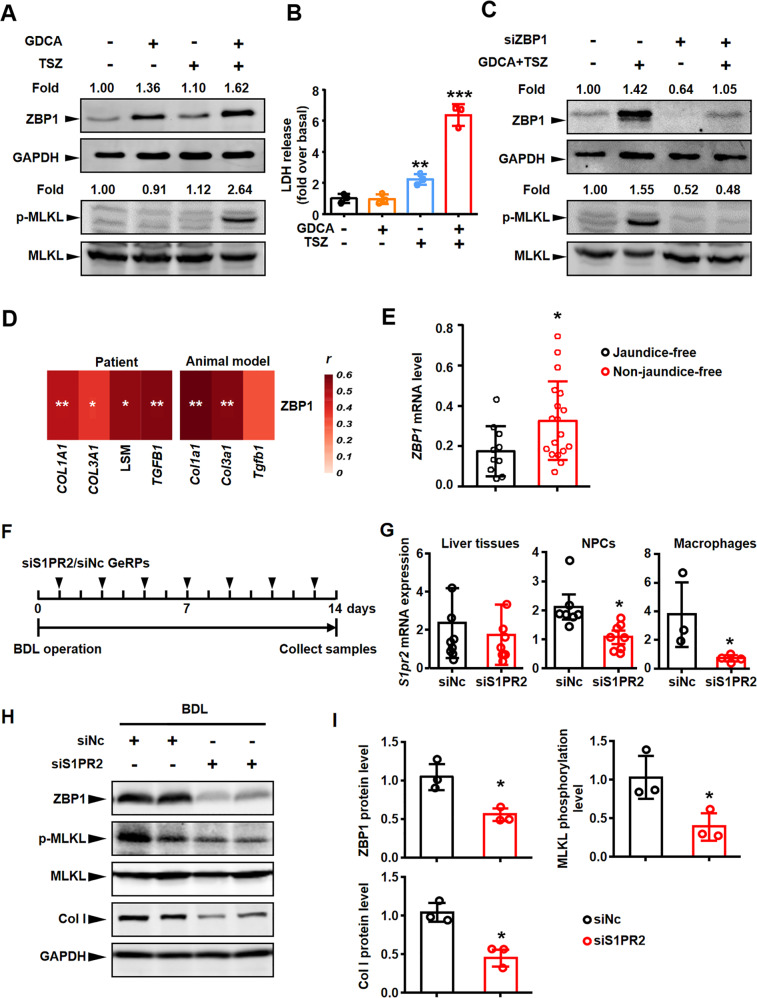
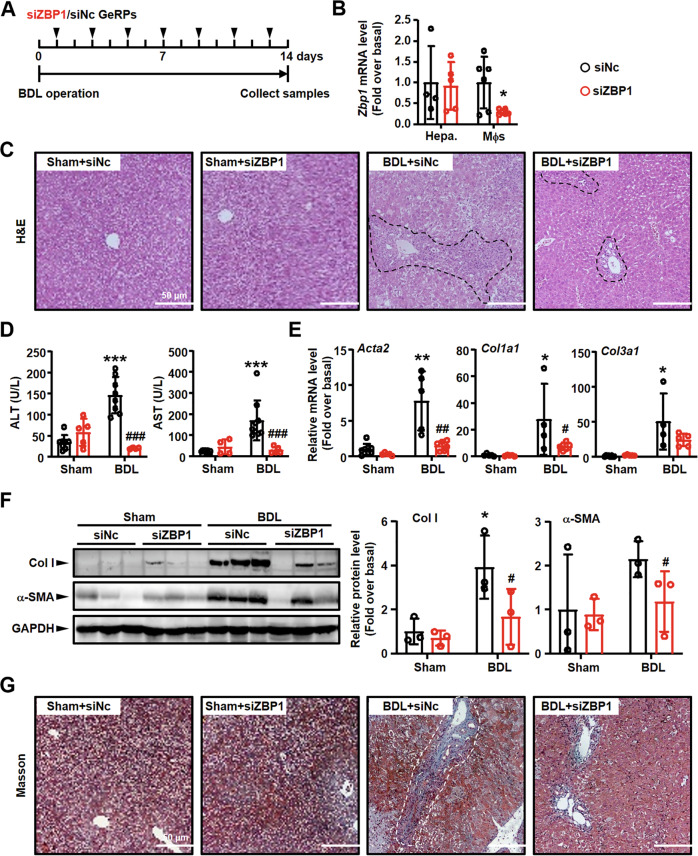
Biliary atresia (BA) is a severe inflammatory and fibrosing neonatal cholangiopathy disease characterized by progressive obstruction of extrahepatic bile ducts, resulting in cholestasis and progressive hepatic failure. Cholestasis may play an important role in the inflammatory and fibrotic pathological processes, but its specific mechanism is still unclear. Necroptosis mediated by Z-DNA-binding protein 1 (ZBP1)/phosphorylated-mixed lineage kinase domain-like pseudokinase (p-MLKL) is a prominent pathogenic factor in inflammatory and fibrotic diseases, but its function in BA remains unclear. Here, we aim to determine the effect of macrophage necroptosis in the BA pathology, and to explore the specific molecular mechanism. We found that necroptosis existed in BA livers, which was occurred in liver macrophages. Furthermore, this process was mediated by ZBP1/p-MLKL, and the upregulated expression of ZBP1 in BA livers was correlated with liver fibrosis and prognosis. Similarly, in the bile duct ligation (BDL) induced mouse cholestatic liver injury model, macrophage necroptosis mediated by ZBP1/p-MLKL was also observed. In vitro, conjugated bile acid-glycodeoxycholate (GDCA) upregulated ZBP1 expression in mouse bone marrow-derived monocyte/macrophages (BMDMs) through sphingosine 1-phosphate receptor 2 (S1PR2), and the induction of ZBP1 was a prerequisite for the enhanced necroptosis. Finally, after selectively knocking down of macrophage S1pr2 in vivo, ZBP1/p-MLKL-mediated necroptosis was decreased, and further collagen deposition was markedly attenuated in BDL mice. Furthermore, macrophage Zbp1 or Mlkl specific knockdown also alleviated BDL-induced liver injury/fibrosis. In conclusion, GDCA/S1PR2/ZBP1/p-MLKL mediated macrophage necroptosis plays vital role in the pathogenesis of BA liver fibrosis, and targeting this process may represent a potential therapeutic strategy for BA.
先天性胆道闭锁(BA)是一种严重的炎症性和纤维性新生儿胆管病,其特征为进行性肝外胆管阻塞,导致胆汁淤积和进行性肝衰竭。胆汁淤积可能在炎症和纤维化的病理过程中发挥重要作用,但具体机制尚不清楚。Z 型 DNA 结合蛋白 1(ZBP1)/磷酸化混合谱系激酶结构域样伪激酶(p-MLKL)介导的坏死性凋亡是炎症性和纤维化疾病的一个重要致病因素,但它在 BA 中的作用尚不清楚。在这里,我们旨在确定巨噬细胞坏死性凋亡在 BA 病理中的作用,并探讨其具体的分子机制。我们发现 BA 肝脏中存在坏死性凋亡,其发生在肝巨噬细胞中。此外,这一过程是由 ZBP1/p-MLKL 介导的,BA 肝脏中 ZBP1 的上调表达与肝纤维化和预后相关。同样,在胆管结扎(BDL)诱导的小鼠胆汁淤积性肝损伤模型中,也观察到 ZBP1/p-MLKL 介导的巨噬细胞坏死性凋亡。在体外,结合胆酸甘氨脱氧胆酸(GDCA)通过鞘氨醇 1-磷酸受体 2(S1PR2)上调小鼠骨髓来源的单核细胞/巨噬细胞(BMDMs)中的 ZBP1 表达,并且 ZBP1 的诱导是增强坏死性凋亡的前提。最后,在体内选择性敲低巨噬细胞 S1pr2 后,ZBP1/p-MLKL 介导的坏死性凋亡减少,BDL 小鼠的胶原沉积明显减弱。此外,巨噬细胞 Zbp1 或 Mlkl 的特异性敲低也减轻了 BDL 诱导的肝损伤/纤维化。总之,GDCA/S1PR2/ZBP1/p-MLKL 介导的巨噬细胞坏死性凋亡在 BA 肝纤维化的发病机制中起重要作用,针对该过程可能代表 BA 的一种潜在治疗策略。