Huang Yunfei, Zhan Yiling, Luo Guangyi, Zeng Yan, McClements David Julian, Hu Kun
Food Science School, Guangdong Pharmaceutical University, Zhongshan, 528458, China.
Department of Food Science, University of Massachusetts, Amherst, MA, 01003, USA.
Curr Res Food Sci. 2023 Feb 18;6:100463. doi: 10.1016/j.crfs.2023.100463. eCollection 2023.
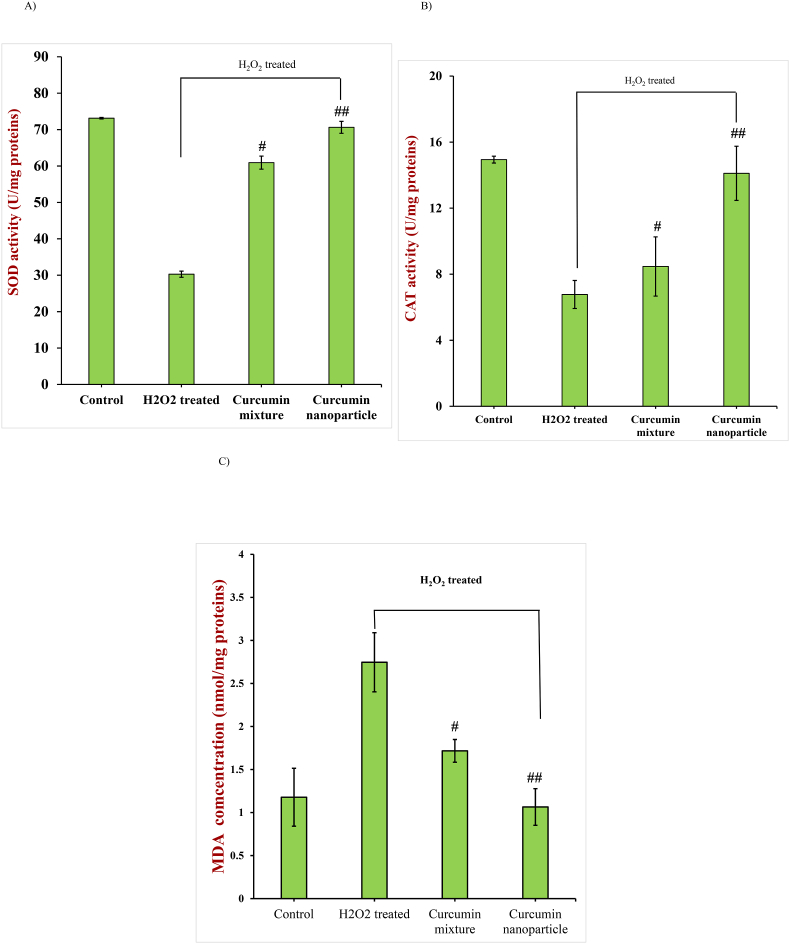
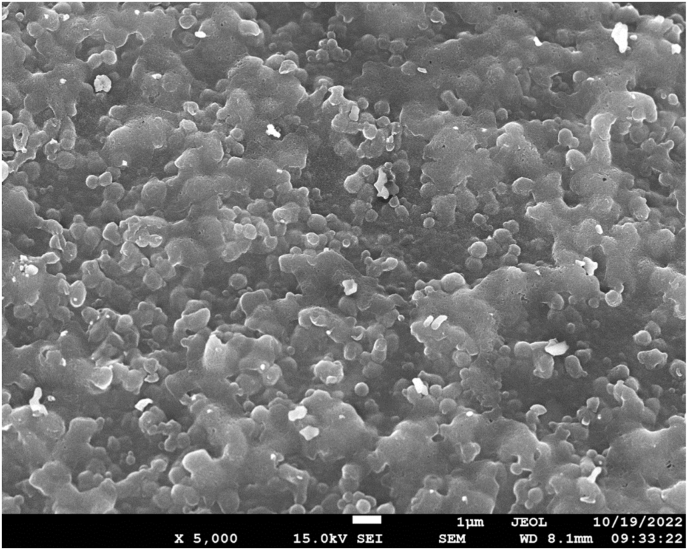
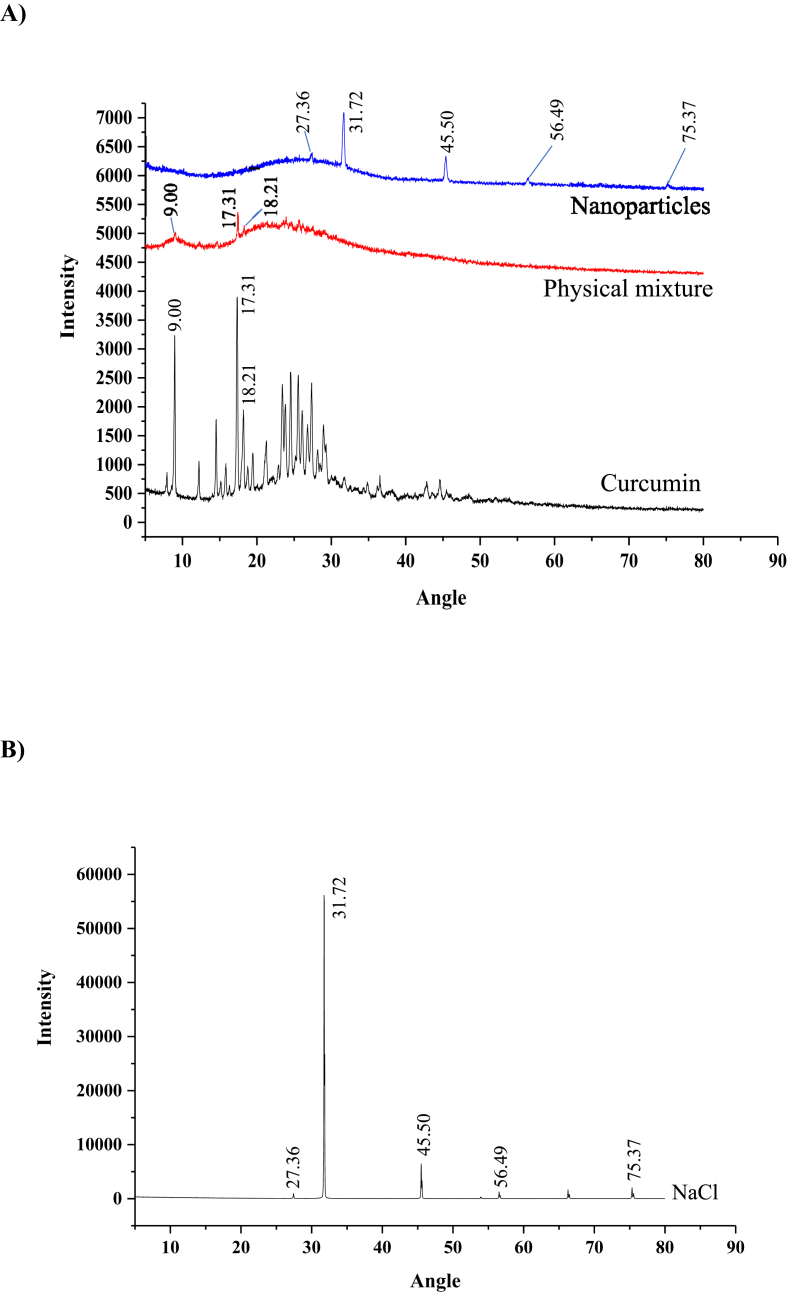
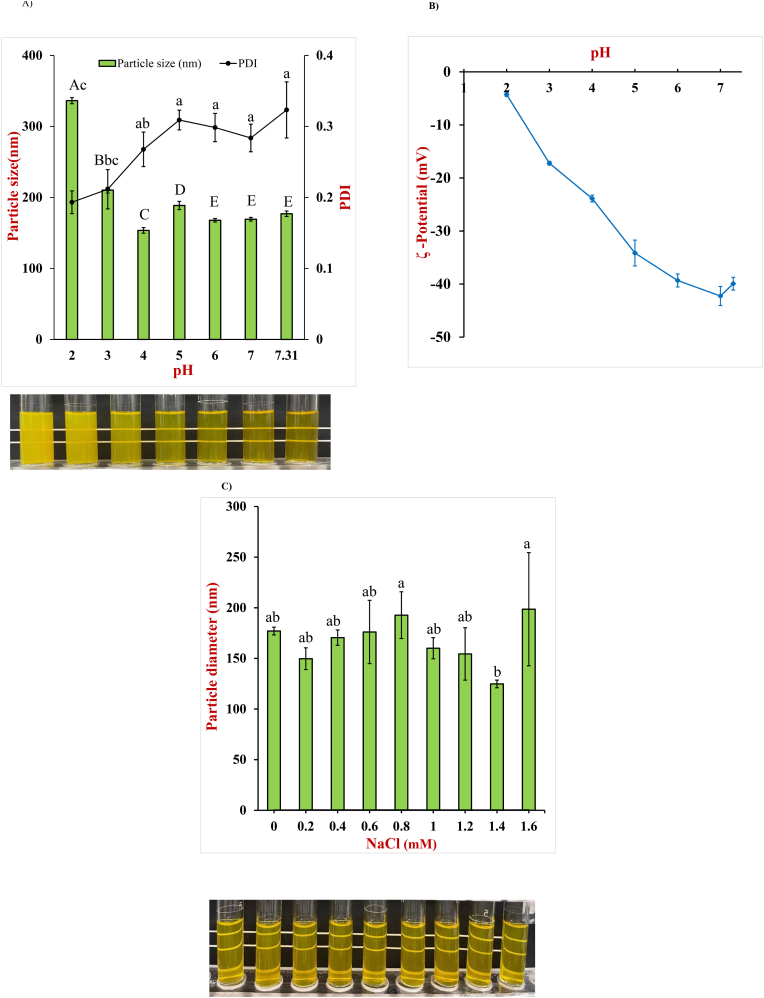
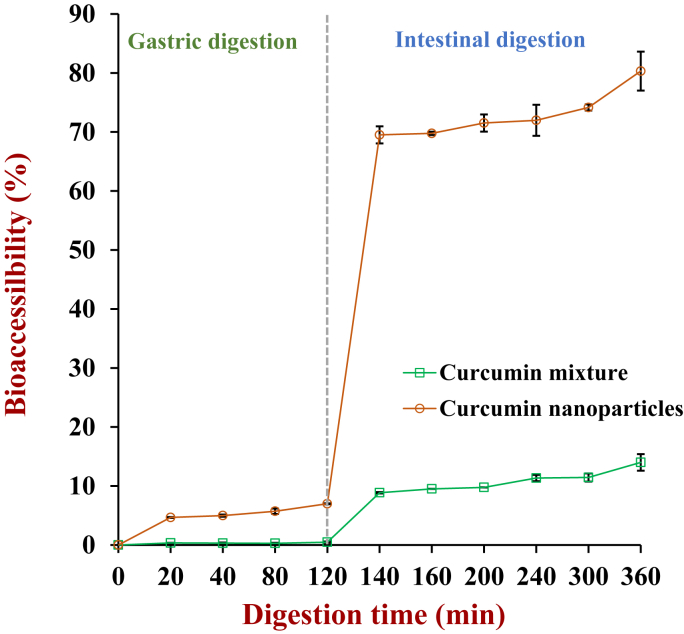
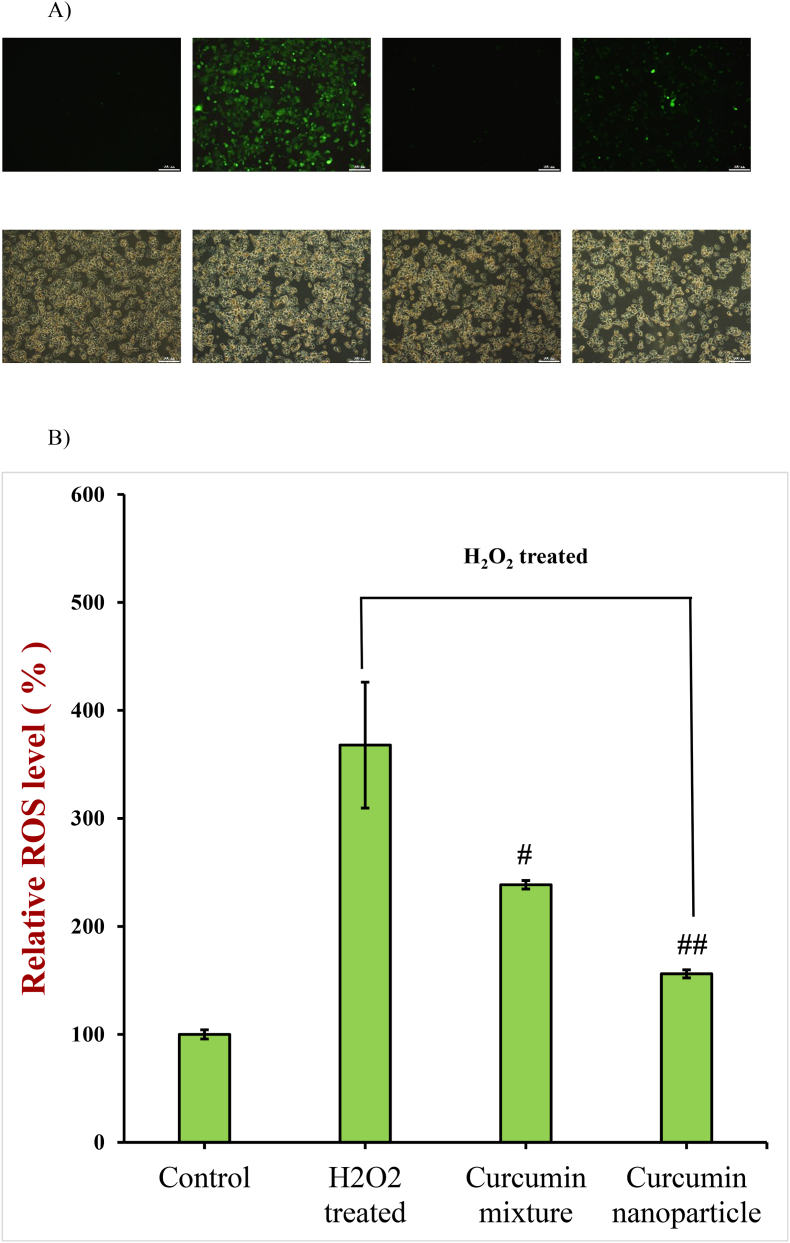
Curcumin-loaded zein/sodium caseinate-alginate nanoparticles were successfully fabricated using a pH-shift method/electrostatic deposition method. These nanoparticles produced were spheroids with a mean diameter of 177 nm and a zeta-potential of -39.9 mV at pH 7.3. The curcumin was an amorphous, and the content in the nanoparticles was around 4.9% (w/w) and the encapsulation efficiency was around 83.1%. Aqueous dispersions of the curcumin-loaded nanoparticles were resistant to aggregation when subjected to pH changes (pH 7.3 to 2.0) and sodium chloride addition (1.6 M), which was mainly attributed to the strong steric and electrostatic repulsion provided by the outer alginate layer. An simulated digestion study showed that the curcumin was mainly released during the small intestine phase and that its bioaccessibility was relatively high (80.3%), which was around 5.7-fold higher than that of non-encapsulated curcumin mixed with curcumin-free nanoparticles. In the cell culture assay, the curcumin reduced reactive oxygen species (ROS), increased superoxide dismutase (SOD) and catalase (CAT) activity, and reduced malondialdehyde (MDA) accumulation in hydrogen peroxide-treated HepG2 cells. The results suggested that nanoparticles prepared by pH shift/electrostatic deposition method are effective at delivering curcumin and may be utilized as nutraceutical delivery systems in food and drug industry.
采用pH值转变法/静电沉积法成功制备了负载姜黄素的玉米醇溶蛋白/酪蛋白酸钠-海藻酸钠纳米颗粒。所制备的这些纳米颗粒为球体,在pH 7.3时平均直径为177 nm,ζ电位为-39.9 mV。姜黄素呈无定形,纳米颗粒中的含量约为4.9%(w/w),包封率约为83.1%。负载姜黄素的纳米颗粒的水分散体在pH值变化(pH 7.3至2.0)和添加氯化钠(1.6 M)时抗聚集,这主要归因于外层海藻酸盐层提供的强大空间位阻和静电排斥。一项模拟消化研究表明,姜黄素主要在小肠阶段释放,其生物可及性相对较高(80.3%),比与不含姜黄素的纳米颗粒混合的未包封姜黄素高约5.7倍。在细胞培养试验中,姜黄素可降低活性氧(ROS)水平,提高超氧化物歧化酶(SOD)和过氧化氢酶(CAT)活性,并减少过氧化氢处理的HepG2细胞中丙二醛(MDA)的积累。结果表明,通过pH值转变/静电沉积法制备的纳米颗粒在递送姜黄素方面是有效的,可作为食品和制药行业的营养递送系统。