Lu Lilan, Chen Siting, Yang Weibo, Wu Yi, Liu Yingying, Yin Xinxing, Yang Yaodong, Yang Yanfang
Hainan Key Laboratory of Tropical Oil Crops Biology, Coconut Research Institute, Chinese Academy of Tropical Agricultural Sciences, Wenchang, Hainan, China.
School of Earth Sciences, China University of Geosciences, Wuhan, Hubei, China.
Front Plant Sci. 2023 Feb 13;14:1112264. doi: 10.3389/fpls.2023.1112264. eCollection 2023.
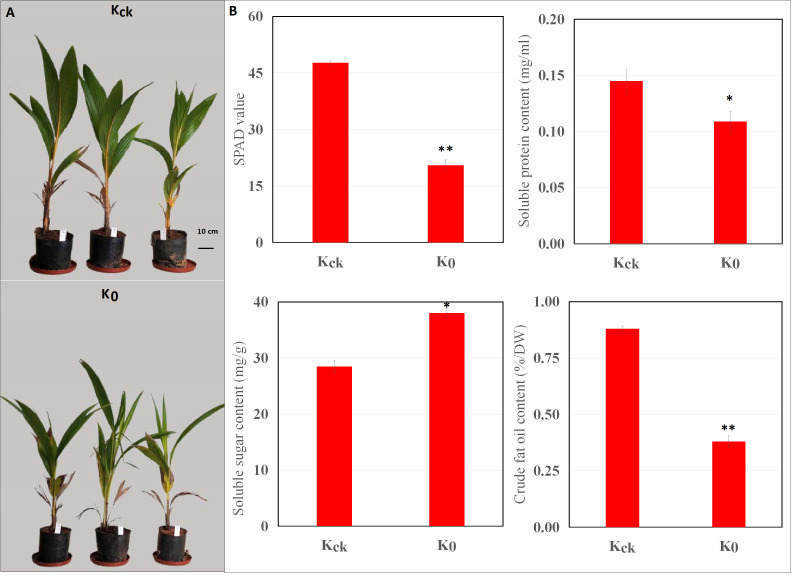
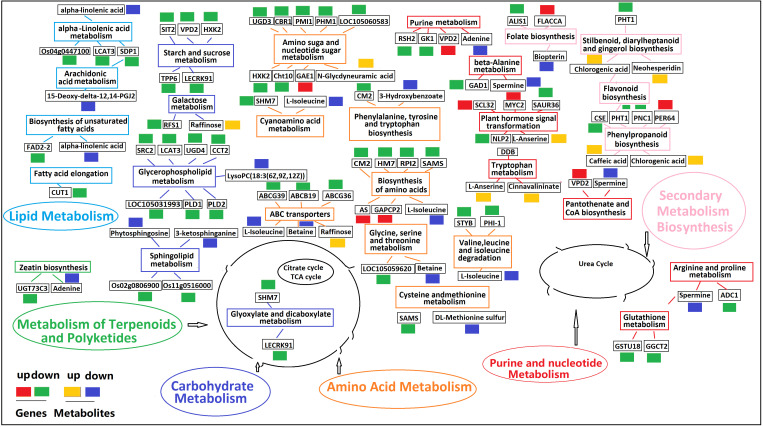
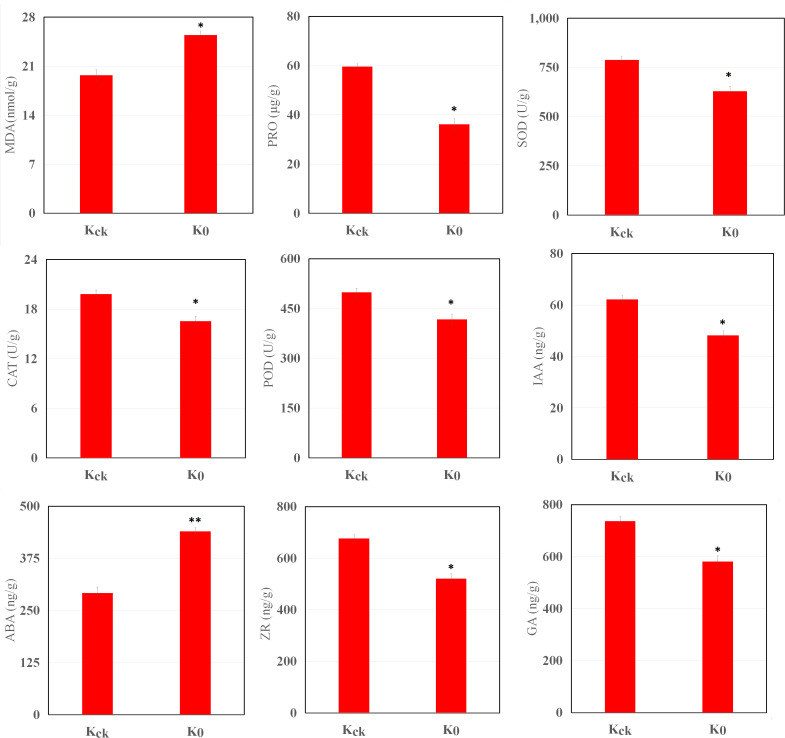
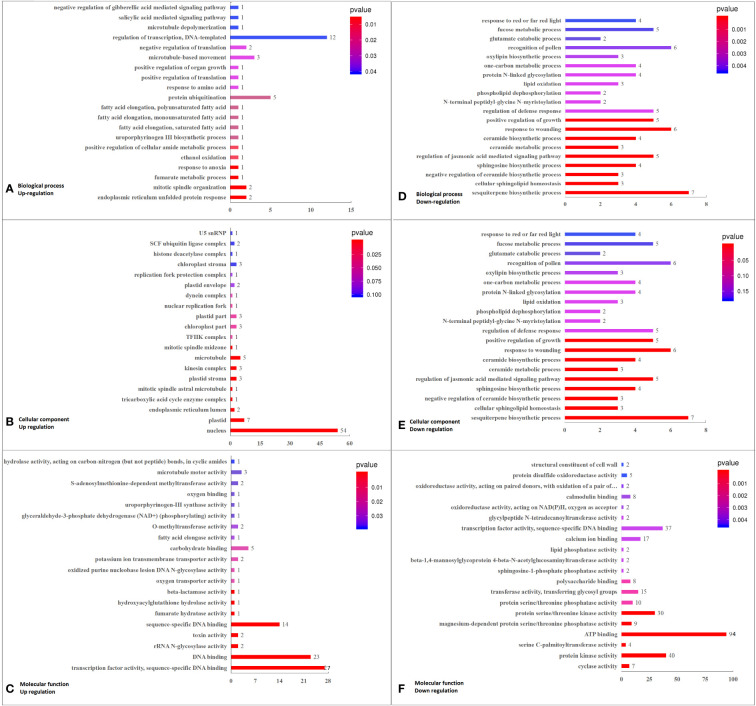
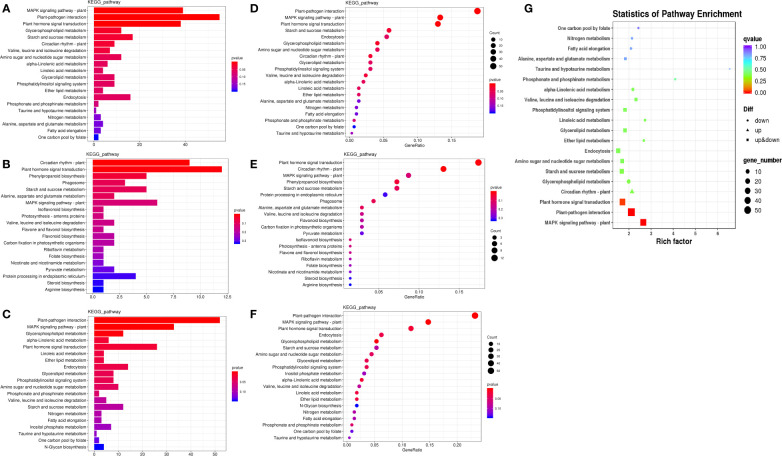
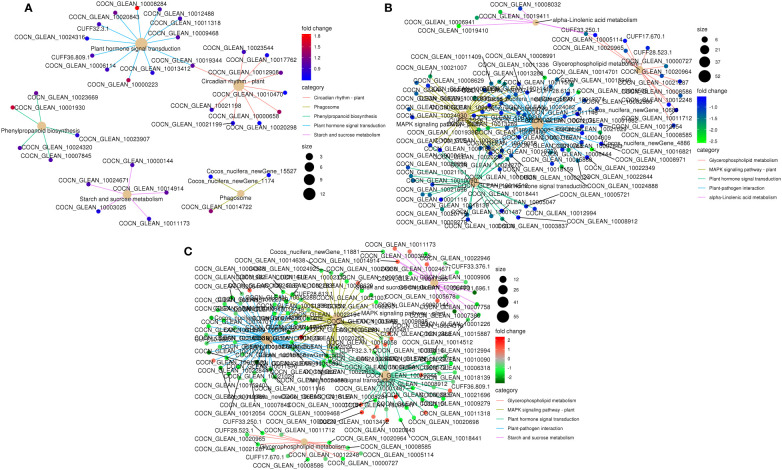
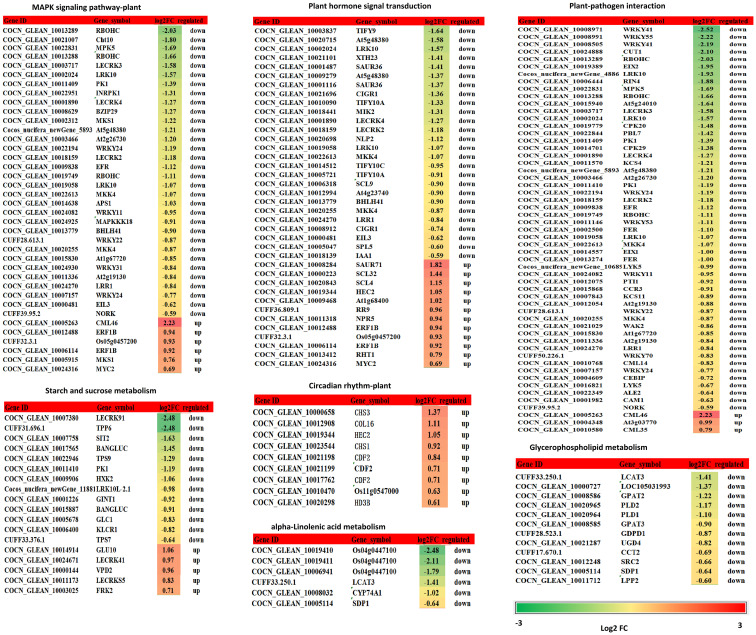
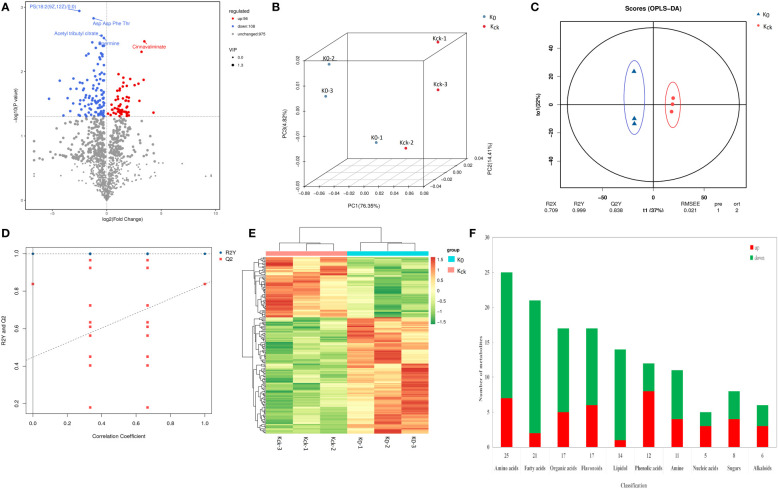
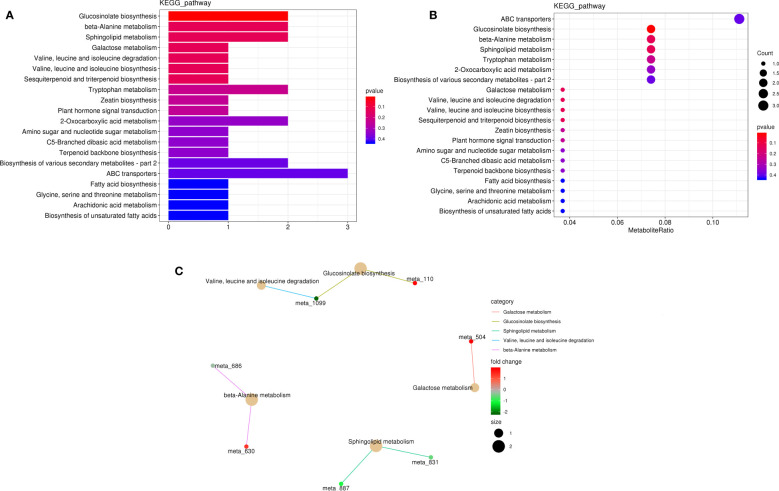
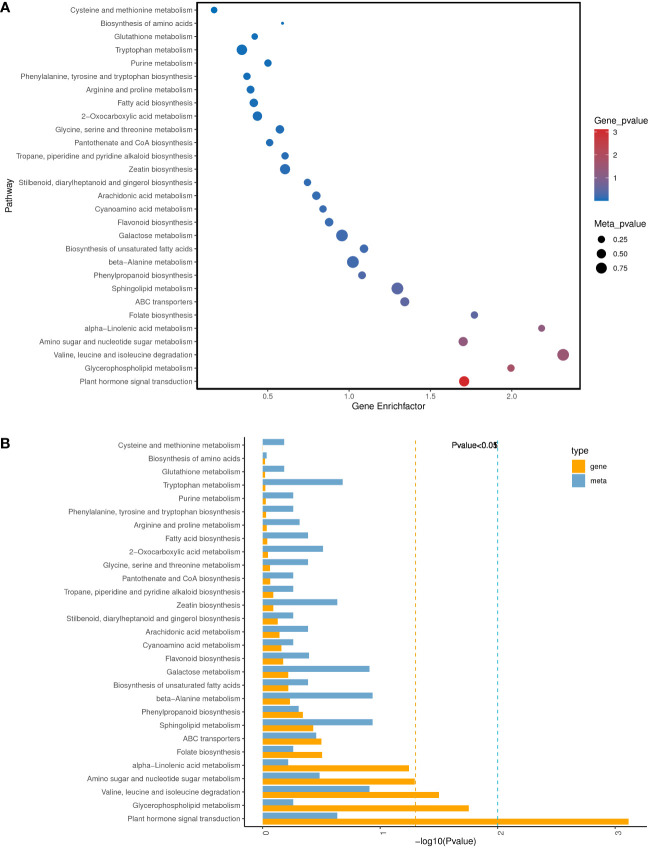
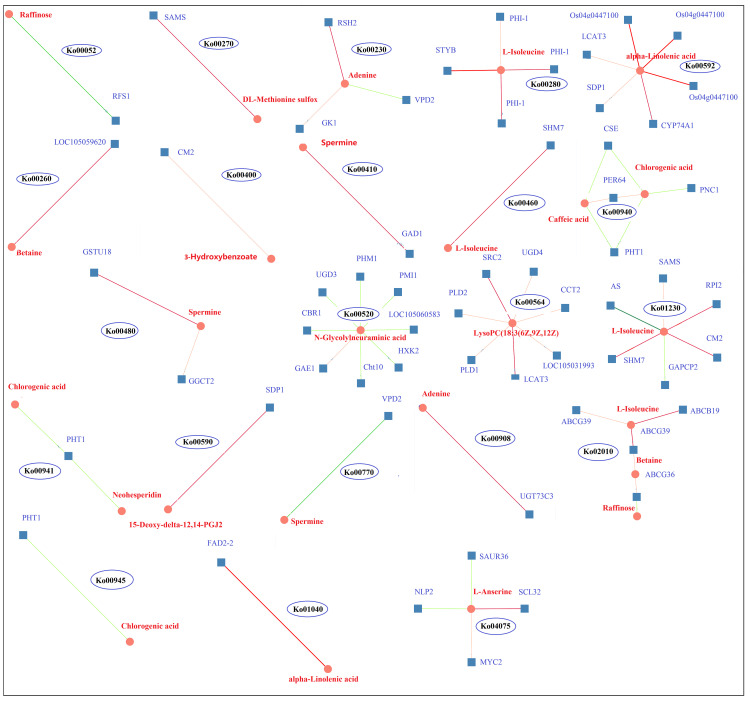
Potassium ions (K) are important for plant growth and crop yield. However, the effects of K deficiency on the biomass of coconut seedlings and the mechanism by which K deficiency regulates plant growth remain largely unknown. Therefore, in this study, we compared the physiological, transcriptome, and metabolite profiles of coconut seedling leaves under K-deficient and K-sufficient conditions using pot hydroponic experiments, RNA-sequencing, and metabolomics technologies. K deficiency stress significantly reduced the plant height, biomass, and soil and plant analyzer development value, as well as K content, soluble protein, crude fat, and soluble sugar contents of coconut seedlings. Under K deficiency, the leaf malondialdehyde content of coconut seedlings were significantly increased, whereas the proline (Pro) content was significantly reduced. Superoxide dismutase, peroxidase, and catalase activities were significantly reduced. The contents of endogenous hormones such as auxin, gibberellin, and zeatin were significantly decreased, whereas abscisic acid content was significantly increased. RNA-sequencing revealed that compared to the control, there were 1003 differentially expressed genes (DEGs) in the leaves of coconut seedlings under K deficiency. Gene Ontology analysis revealed that these DEGs were mainly related to "integral component of membrane," "plasma membrane," "nucleus", "transcription factor activity," "sequence-specific DNA binding," and "protein kinase activity." Kyoto Encyclopedia of Genes and Genomes pathway analysis indicated that the DEGs were mainly involved in "MAPK signaling pathway-plant," "plant hormone signal transduction," "starch and sucrose metabolism," "plant-pathogen interaction," "ABC transporters," and "glycerophospholipid metabolism." Metabolomic analysis showed that metabolites related to fatty acids, lipidol, amines, organic acids, amino acids, and flavonoids were generally down-regulated in coconut seedlings under K deficiency, whereas metabolites related to phenolic acids, nucleic acids, sugars, and alkaloids were mostly up-regulated. Therefore, coconut seedlings respond to K deficiency stress by regulating signal transduction pathways, primary and secondary metabolism, and plant-pathogen interaction. These results confirm the importance of K for coconut production, and provide a more in-depth understanding of the response of coconut seedlings to K deficiency and a basis for improving K utilization efficiency in coconut trees.
钾离子(K)对植物生长和作物产量至关重要。然而,缺钾对椰子幼苗生物量的影响以及缺钾调节植物生长的机制在很大程度上仍不清楚。因此,在本研究中,我们采用盆栽水培实验、RNA测序和代谢组学技术,比较了缺钾和钾充足条件下椰子幼苗叶片的生理、转录组和代谢物谱。缺钾胁迫显著降低了椰子幼苗的株高、生物量、土壤和植物分析发育值,以及钾含量、可溶性蛋白、粗脂肪和可溶性糖含量。在缺钾条件下,椰子幼苗叶片丙二醛含量显著增加,而脯氨酸(Pro)含量显著降低。超氧化物歧化酶、过氧化物酶和过氧化氢酶活性显著降低。生长素、赤霉素和玉米素等内源激素含量显著下降,而脱落酸含量显著增加。RNA测序显示,与对照相比,缺钾条件下椰子幼苗叶片中有1003个差异表达基因(DEG)。基因本体分析表明,这些DEG主要与“膜的 integral component”、“质膜”、“细胞核”、“转录因子活性”、“序列特异性DNA结合”和“蛋白激酶活性”有关。京都基因与基因组百科全书通路分析表明,DEG主要参与“MAPK信号通路-植物”、“植物激素信号转导”、“淀粉和蔗糖代谢”、“植物-病原体相互作用”、“ABC转运蛋白”和“甘油磷脂代谢”。代谢组学分析表明,在缺钾条件下,椰子幼苗中与脂肪酸、脂质醇、胺、有机酸、氨基酸和黄酮类相关的代谢物普遍下调,而与酚酸、核酸、糖和生物碱相关的代谢物大多上调。因此,椰子幼苗通过调节信号转导途径、初级和次级代谢以及植物-病原体相互作用来应对缺钾胁迫。这些结果证实了钾对椰子生产的重要性,并为更深入了解椰子幼苗对缺钾的响应以及提高椰子树钾利用效率提供了依据。