Department of Integrative Biotechnology, College of Biotechnology and Bioengineering, Sungkyunkwan University, Seobu-ro 2066, Suwon, Gyeonggi, 16419, Republic of Korea.
Department of Global Biomedical Engineering, SKKU Institute for Convergence, Sungkyunkwan University (SKKU), Seobu-ro 2066, Suwon, Gyeonggi, 16419, Republic of Korea.
Tissue Eng Regen Med. 2023 Jun;20(3):371-387. doi: 10.1007/s13770-022-00515-8. Epub 2023 Mar 3.
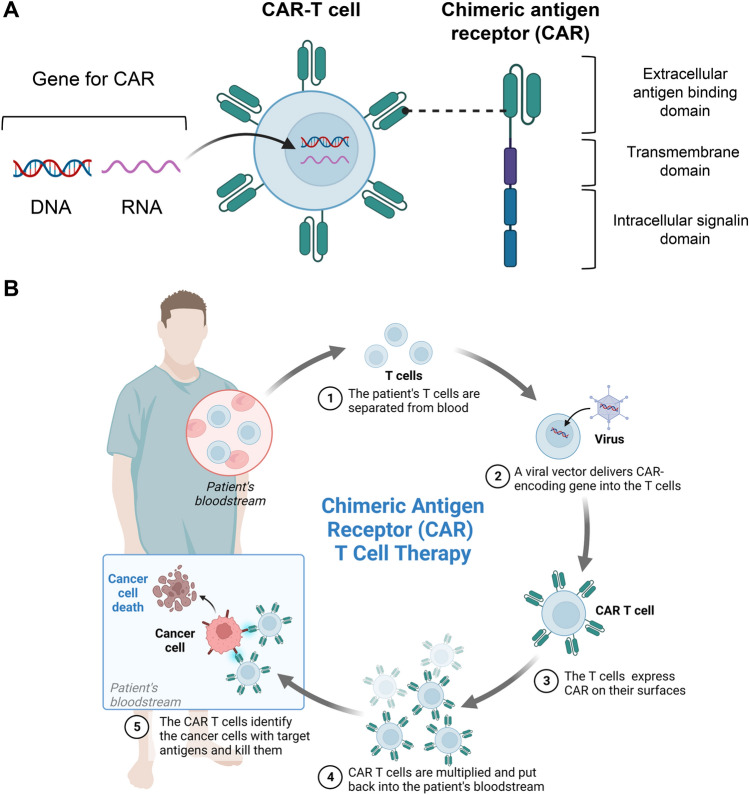
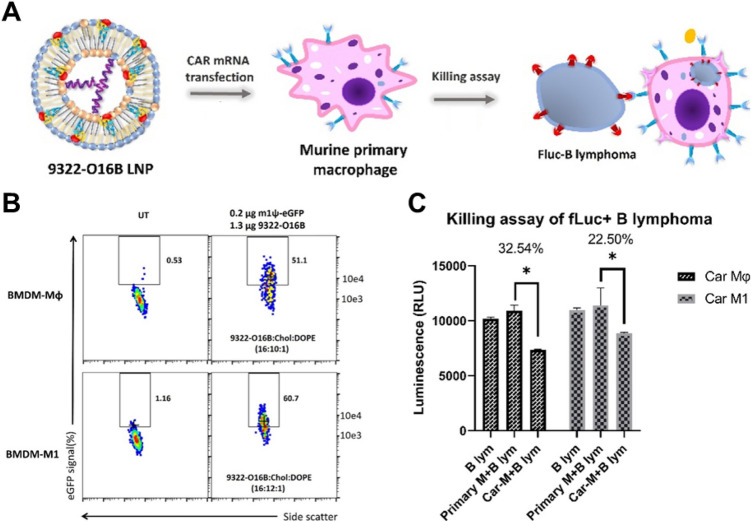
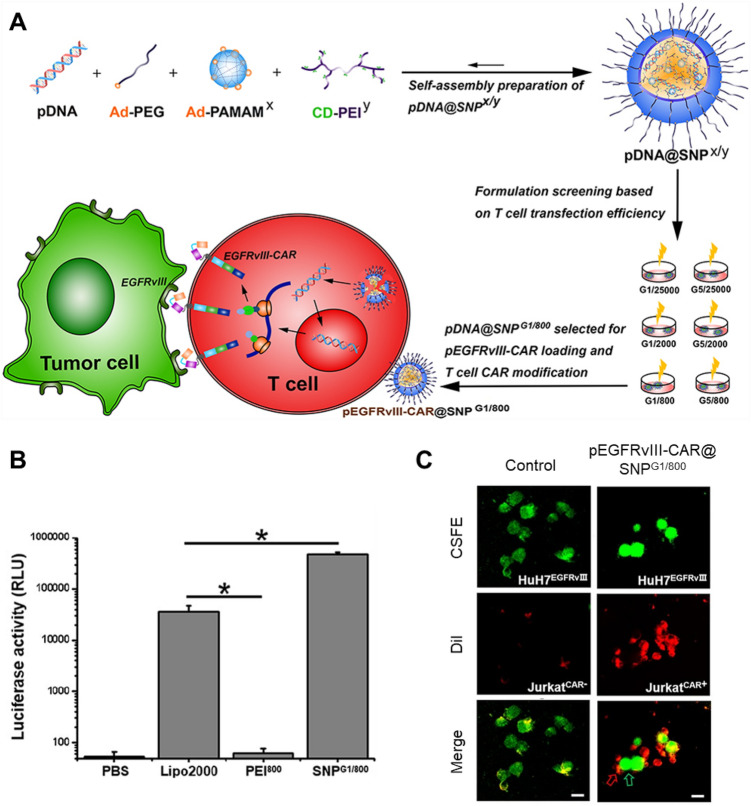
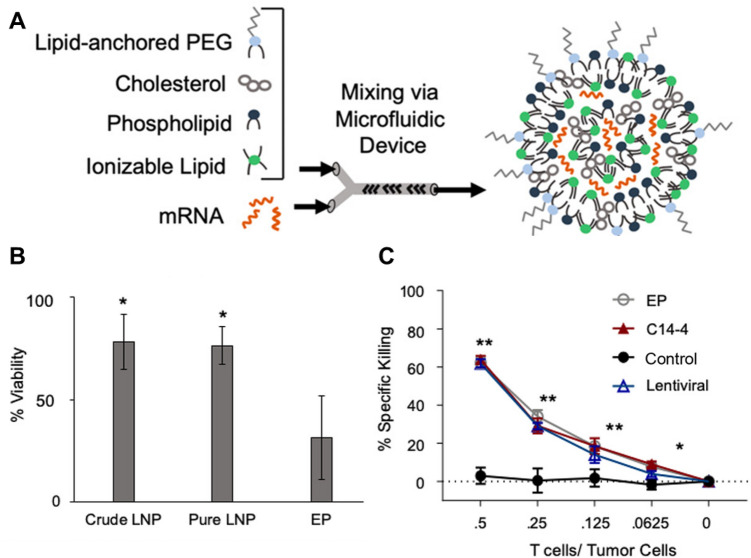
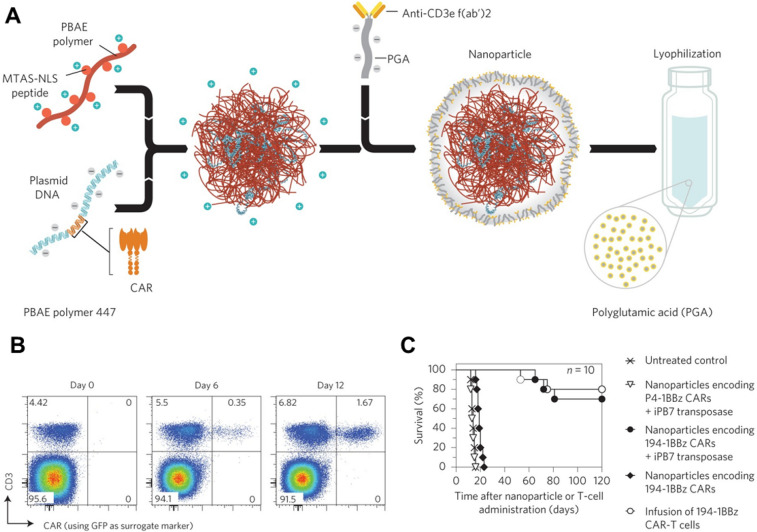
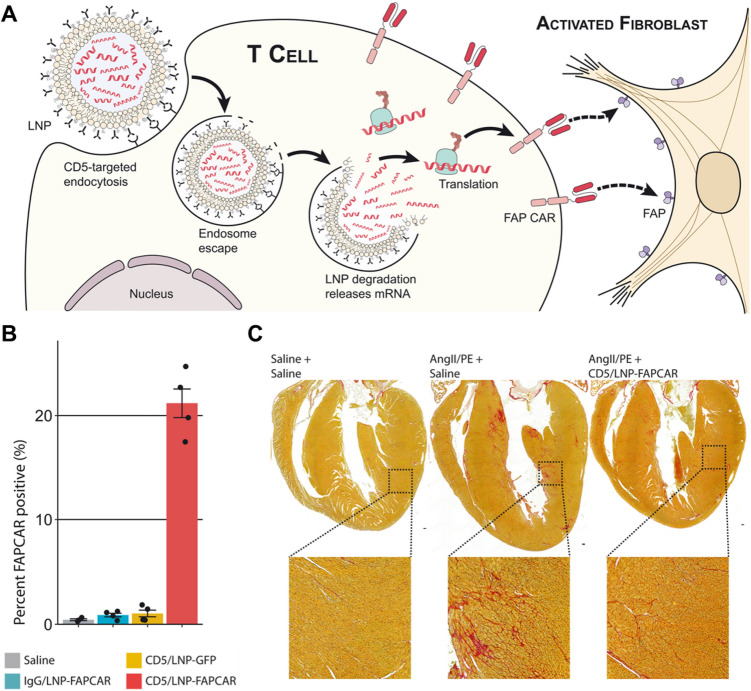
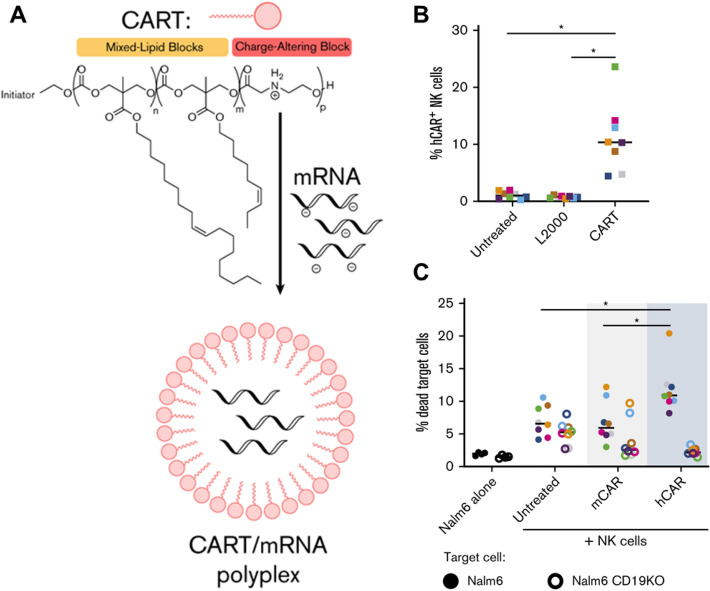
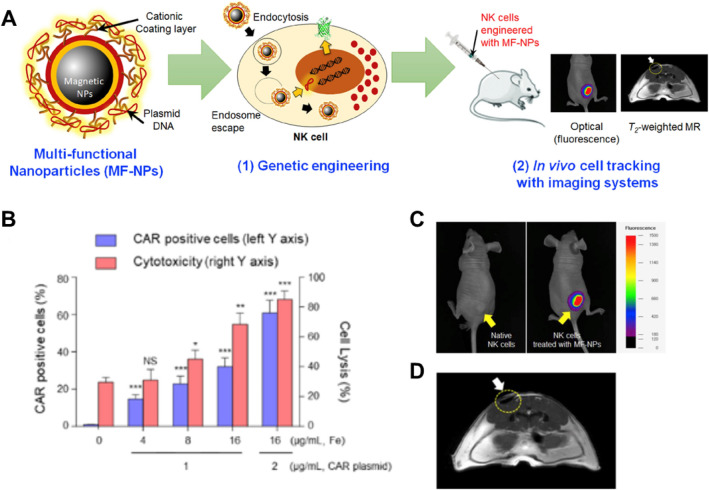
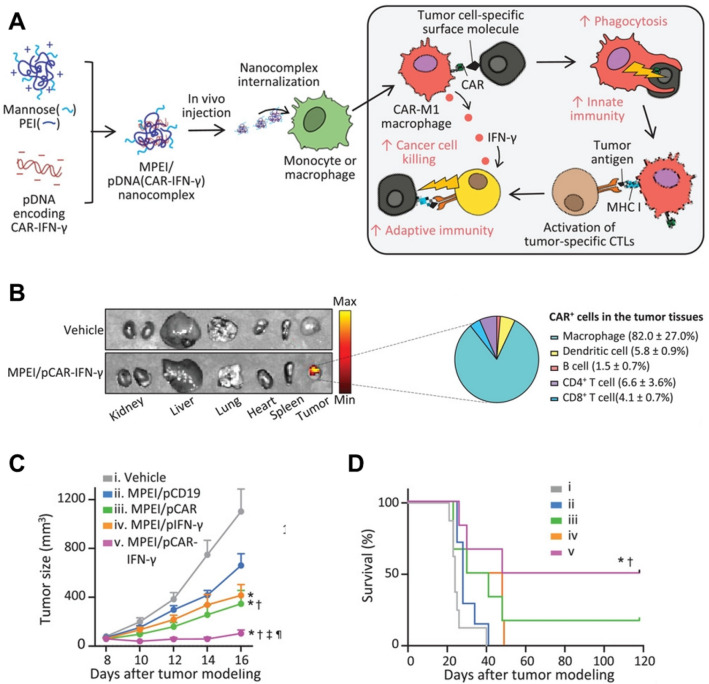
Adoptive cell therapy with chimeric antigen receptor (CAR)-engineered T cells (CAR-Ts) has emerged as an innovative immunotherapy for hematological cancer treatment. However, the limited effect on solid tumors, complex processes, and excessive manufacturing costs remain as limitations of CAR-T therapy. Nanotechnology provides an alternative to the conventional CAR-T therapy. Owing to their unique physicochemical properties, nanoparticles can not only serve as a delivery platform for drugs but also target specific cells. Nanoparticle-based CAR therapy can be applied not only to T cells but also to CAR-natural killer and CAR-macrophage, compensating for some of their limitations. This review focuses on the introduction of nanoparticle-based advanced CAR immune cell therapy and future perspectives on immune cell reprogramming.
嵌合抗原受体 (CAR)-修饰 T 细胞 (CAR-T) 的过继细胞疗法已成为血液系统恶性肿瘤治疗的一种创新免疫疗法。然而,CAR-T 治疗的局限性在于对实体瘤的疗效有限、过程复杂且制造成本过高。纳米技术为传统 CAR-T 治疗提供了一种替代方法。由于其独特的物理化学性质,纳米粒子不仅可以作为药物的递送平台,还可以靶向特定的细胞。基于纳米粒子的 CAR 疗法不仅可以应用于 T 细胞,还可以应用于 CAR-自然杀伤细胞和 CAR-巨噬细胞,弥补了它们的一些局限性。本综述重点介绍了基于纳米粒子的先进 CAR 免疫细胞疗法,并对免疫细胞重编程的未来前景进行了展望。