Goering Raeann, Arora Ankita, Pockalny Megan C, Taliaferro J Matthew
Department of Biochemistry and Molecular Genetics, University of Colorado Anschutz Medical Campus, Aurora, United States.
RNA Bioscience Initiative, University of Colorado Anschutz Medical Campus, Aurora, United States.
Elife. 2023 Mar 3;12:e80040. doi: 10.7554/eLife.80040.
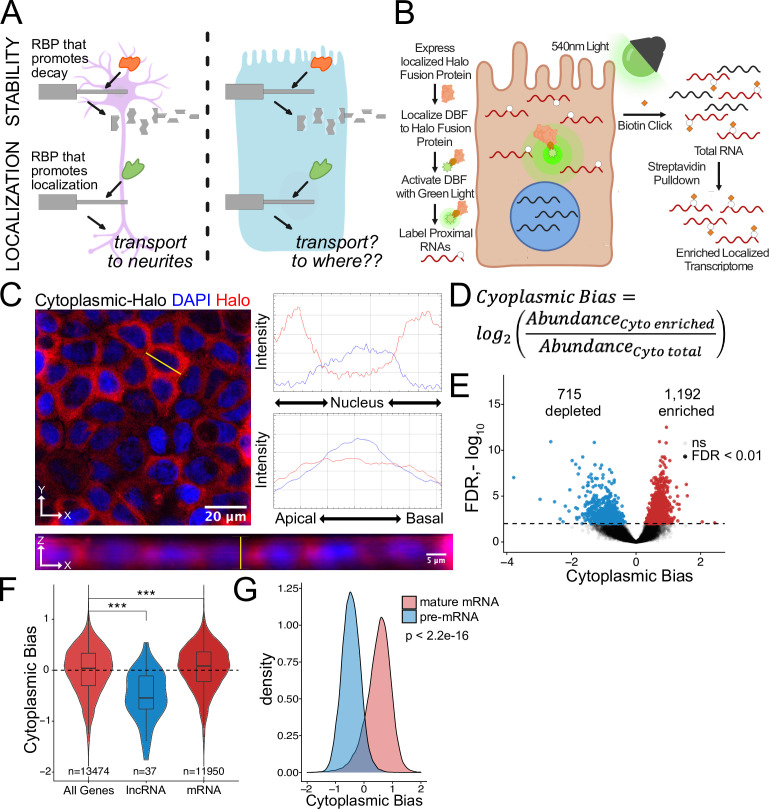
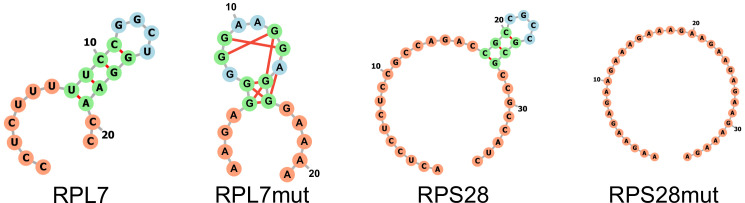
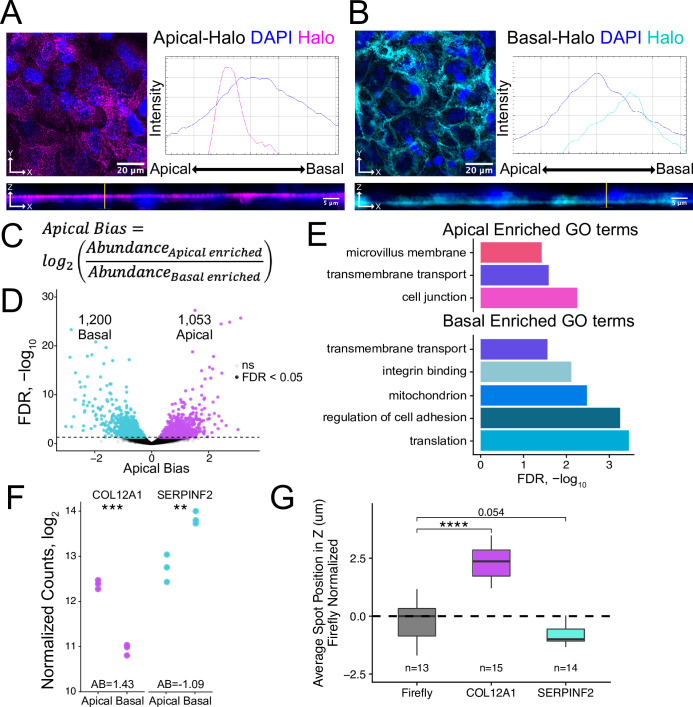
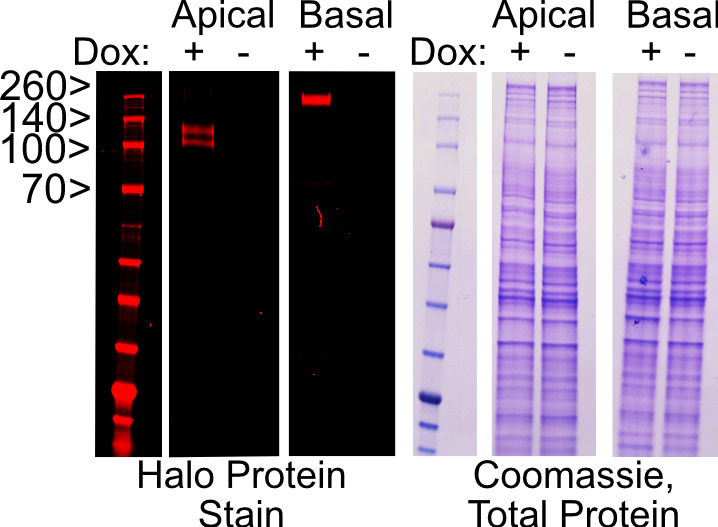
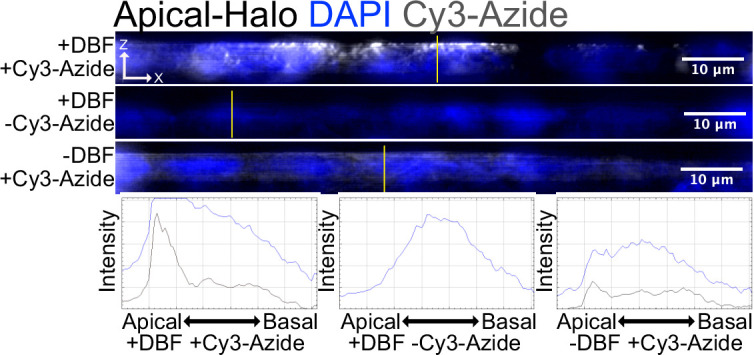
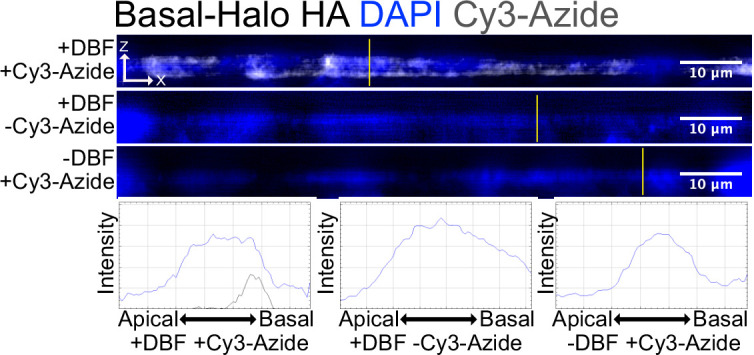
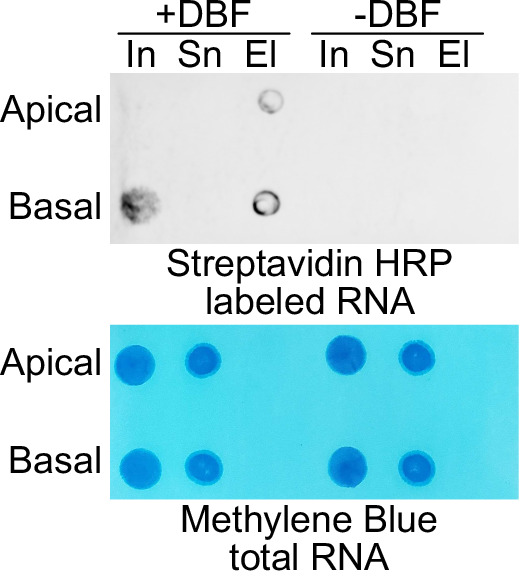
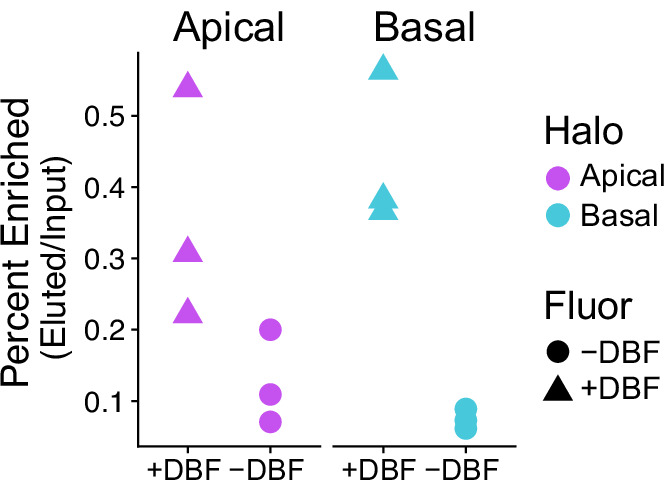
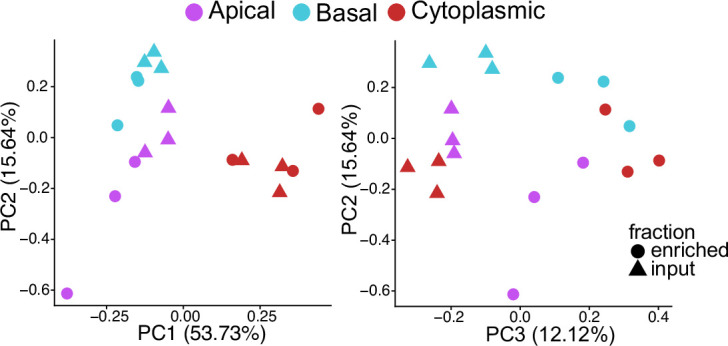
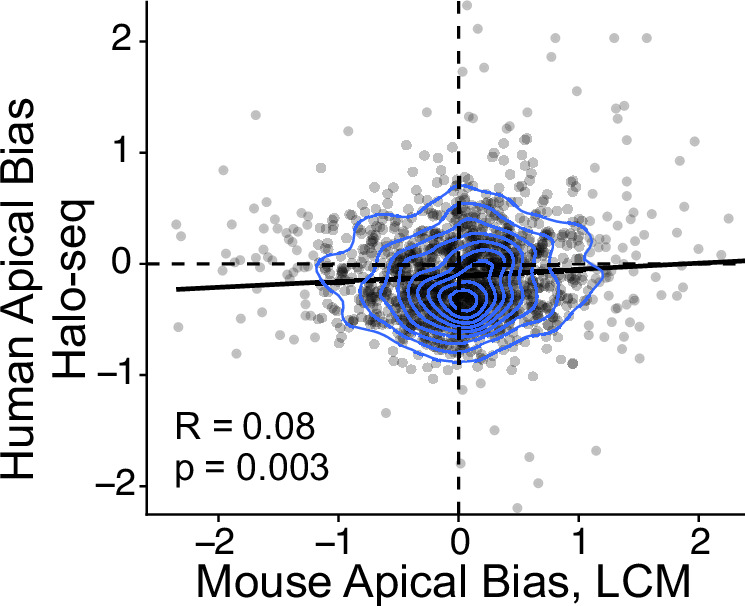
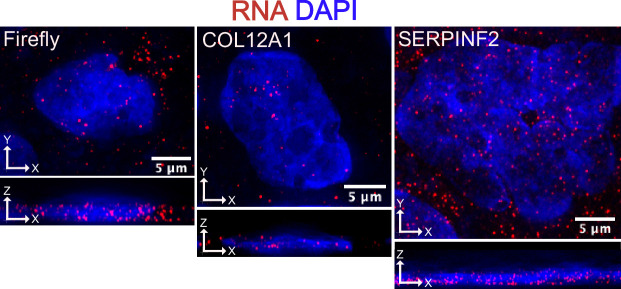
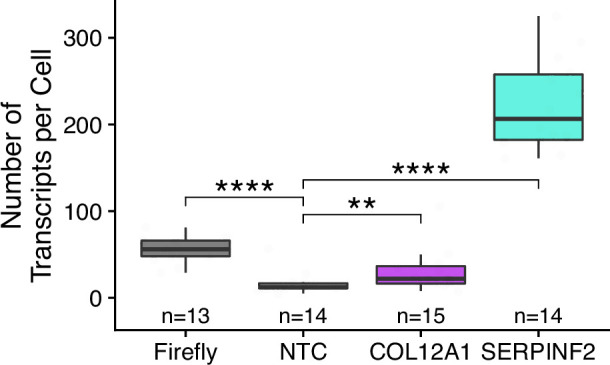
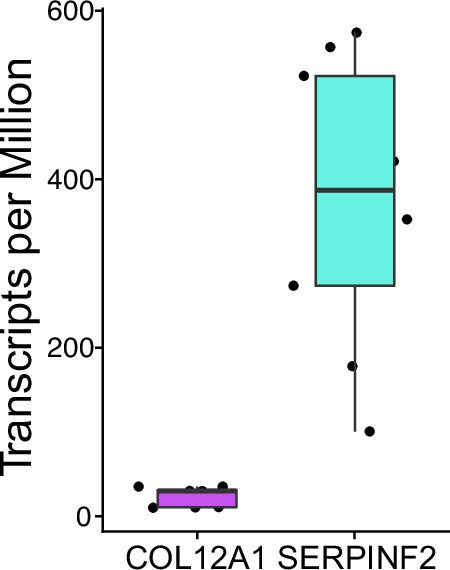
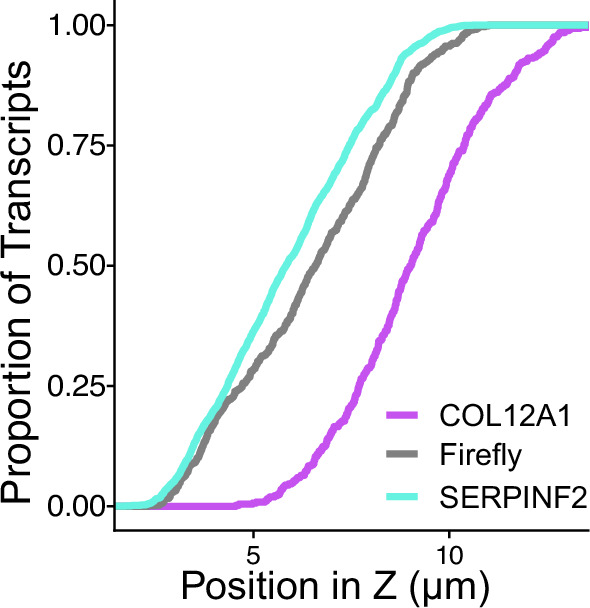
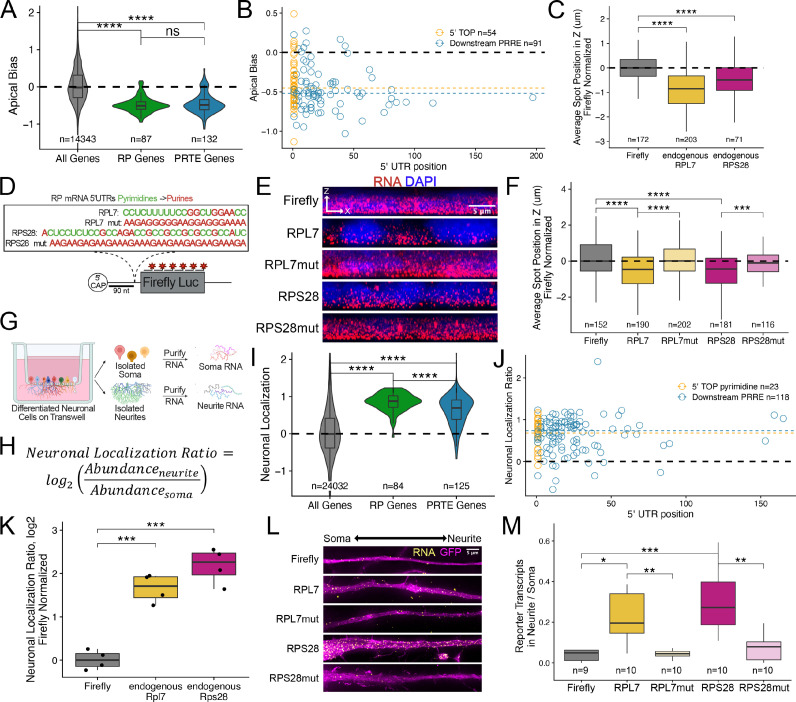
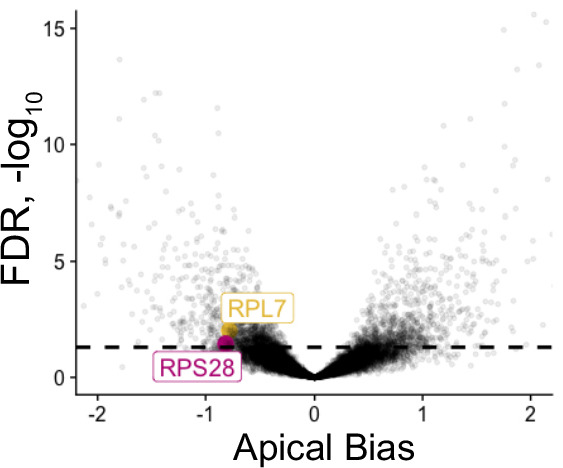
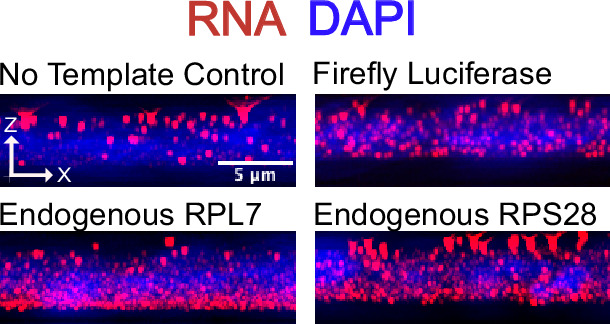
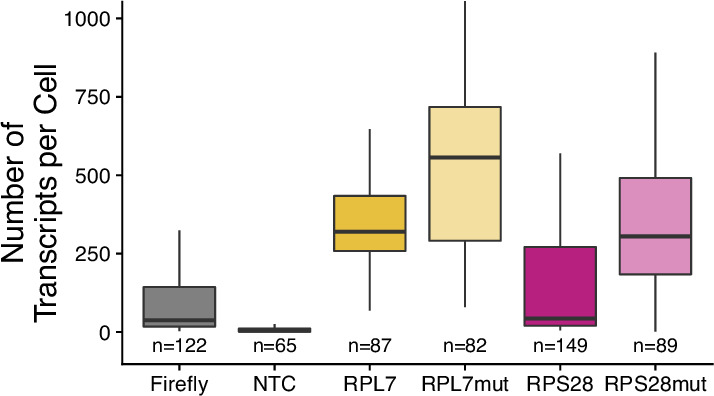
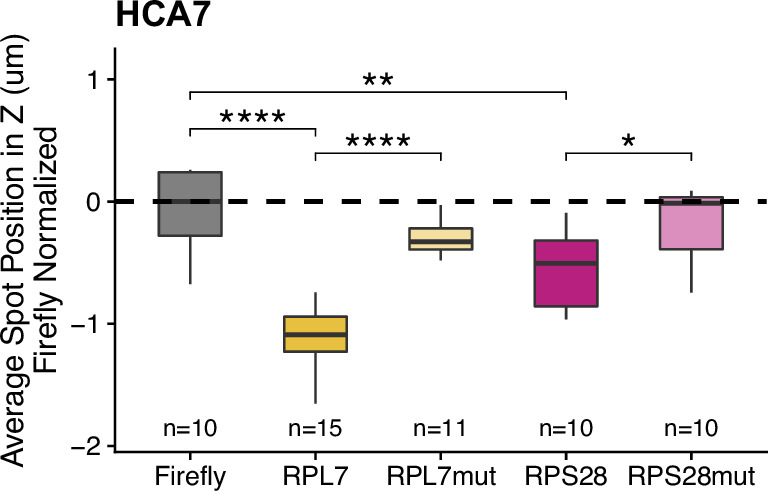
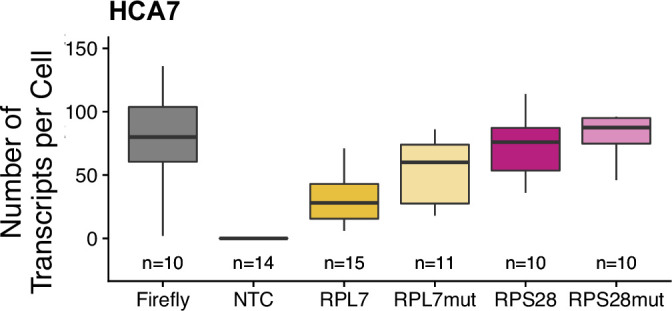
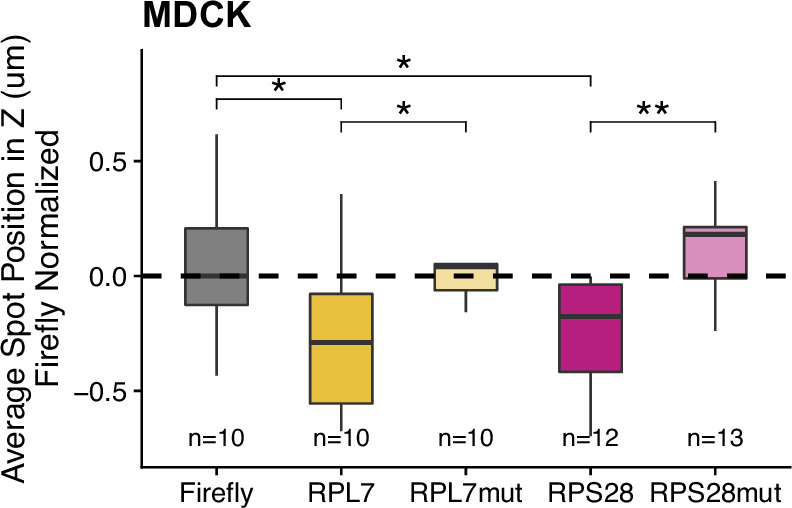
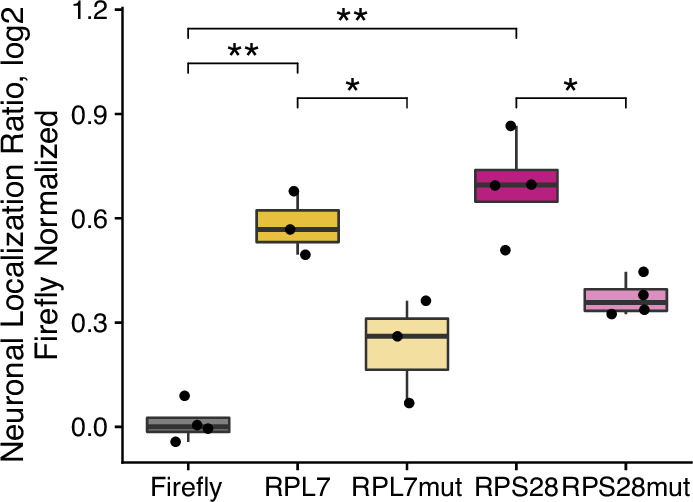
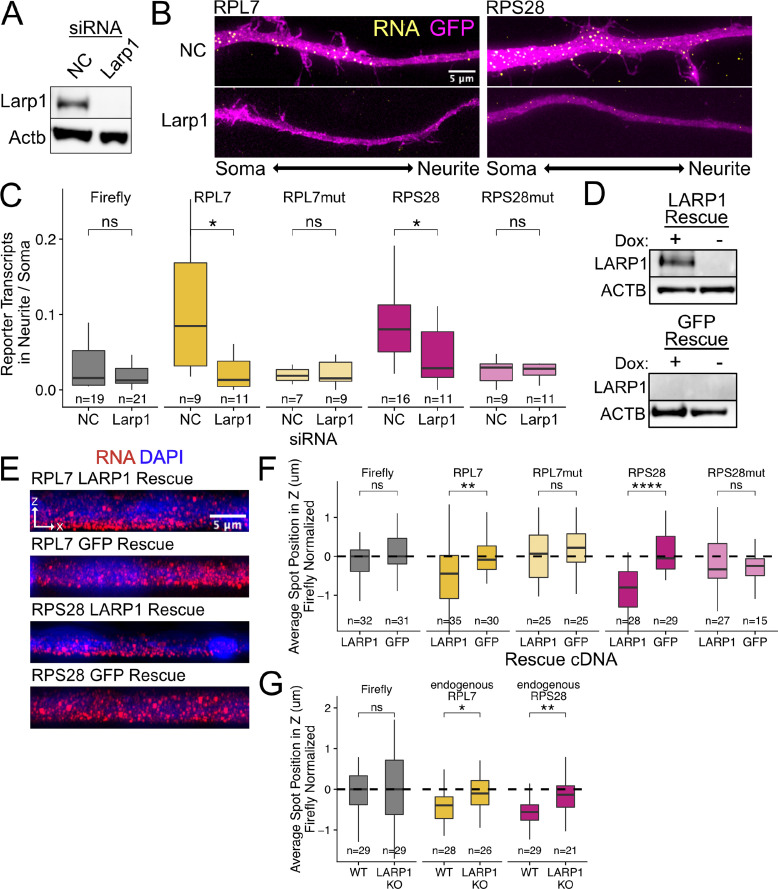
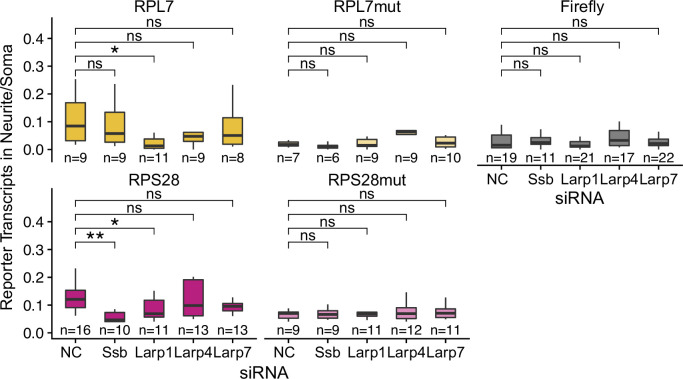
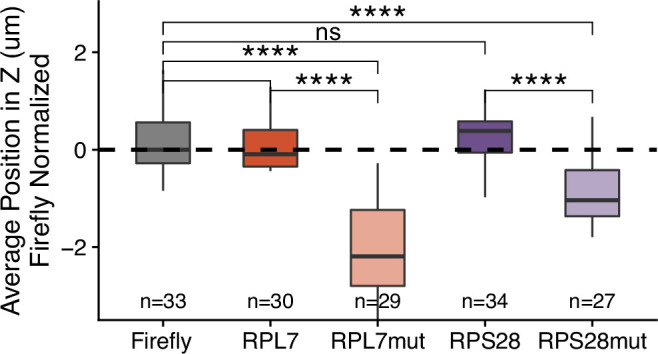
RNA molecules are localized to specific subcellular regions through interactions between RNA regulatory elements and RNA binding proteins (RBPs). Generally, our knowledge of the mechanistic details behind the localization of a given RNA is restricted to a particular cell type. Here, we show that RNA/RBP interactions that regulate RNA localization in one cell type predictably regulate localization in other cell types with vastly different morphologies. To determine transcriptome-wide RNA spatial distributions across the apicobasal axis of human intestinal epithelial cells, we used our recently developed RNA proximity labeling technique, Halo-seq. We found that mRNAs encoding ribosomal proteins (RP mRNAs) were strongly localized to the basal pole of these cells. Using reporter transcripts and single-molecule RNA FISH, we found that pyrimidine-rich motifs in the 5' UTRs of RP mRNAs were sufficient to drive basal RNA localization. Interestingly, the same motifs were also sufficient to drive RNA localization to the neurites of mouse neuronal cells. In both cell types, the regulatory activity of this motif was dependent on it being in the 5' UTR of the transcript, was abolished upon perturbation of the RNA-binding protein LARP1, and was reduced upon inhibition of kinesin-1. To extend these findings, we compared subcellular RNAseq data from neuronal and epithelial cells. We found that the basal compartment of epithelial cells and the projections of neuronal cells were enriched for highly similar sets of RNAs, indicating that broadly similar mechanisms may be transporting RNAs to these morphologically distinct locations. These findings identify the first RNA element known to regulate RNA localization across the apicobasal axis of epithelial cells, establish LARP1 as an RNA localization regulator, and demonstrate that RNA localization mechanisms cut across cell morphologies.
RNA分子通过RNA调控元件与RNA结合蛋白(RBP)之间的相互作用定位于特定的亚细胞区域。一般来说,我们对特定RNA定位背后机制细节的了解仅限于特定的细胞类型。在这里,我们表明,在一种细胞类型中调节RNA定位的RNA/RBP相互作用可预测地调节其他形态差异很大的细胞类型中的定位。为了确定人类肠道上皮细胞顶基轴上全转录组范围的RNA空间分布,我们使用了我们最近开发的RNA邻近标记技术Halo-seq。我们发现,编码核糖体蛋白的mRNA(RP mRNA)强烈定位于这些细胞的基极。使用报告转录本和单分子RNA FISH,我们发现RP mRNA 5'UTR中富含嘧啶的基序足以驱动RNA向基底部定位。有趣的是,相同的基序也足以驱动RNA定位于小鼠神经元细胞的神经突。在这两种细胞类型中,该基序的调控活性取决于它位于转录本的5'UTR中,在RNA结合蛋白LARP1受到干扰后被消除,在驱动蛋白-1受到抑制后降低。为了扩展这些发现,我们比较了神经元细胞和上皮细胞的亚细胞RNAseq数据。我们发现,上皮细胞的基底部隔室和神经元细胞的突起富含高度相似的RNA集,这表明广泛相似的机制可能将RNA运输到这些形态不同的位置。这些发现确定了第一个已知的调节上皮细胞顶基轴上RNA定位的RNA元件,将LARP1确立为RNA定位调节剂,并证明RNA定位机制跨越细胞形态。