Research Center for Metabolic and Cardiovascular Diseases, The Third Affiliated Hospital of Chongqing Medical University, Chongqing, China; Department of Clinical Nutrition, The Third Affiliated Hospital of Chongqing Medical University, Chongqing, China.
Research Center for Metabolic and Cardiovascular Diseases, The Third Affiliated Hospital of Chongqing Medical University, Chongqing, China; Department of Cardiology, The Third Affiliated Hospital of Chongqing Medical University, Chongqing, China.
Free Radic Biol Med. 2023 May 1;200:59-72. doi: 10.1016/j.freeradbiomed.2023.02.021. Epub 2023 Mar 2.
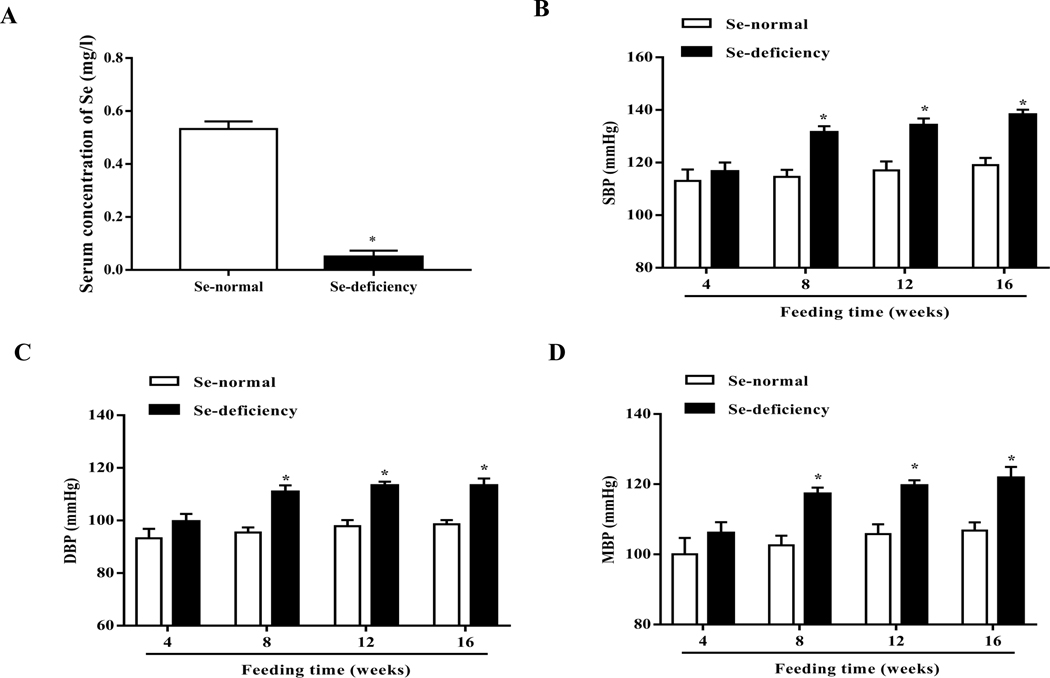
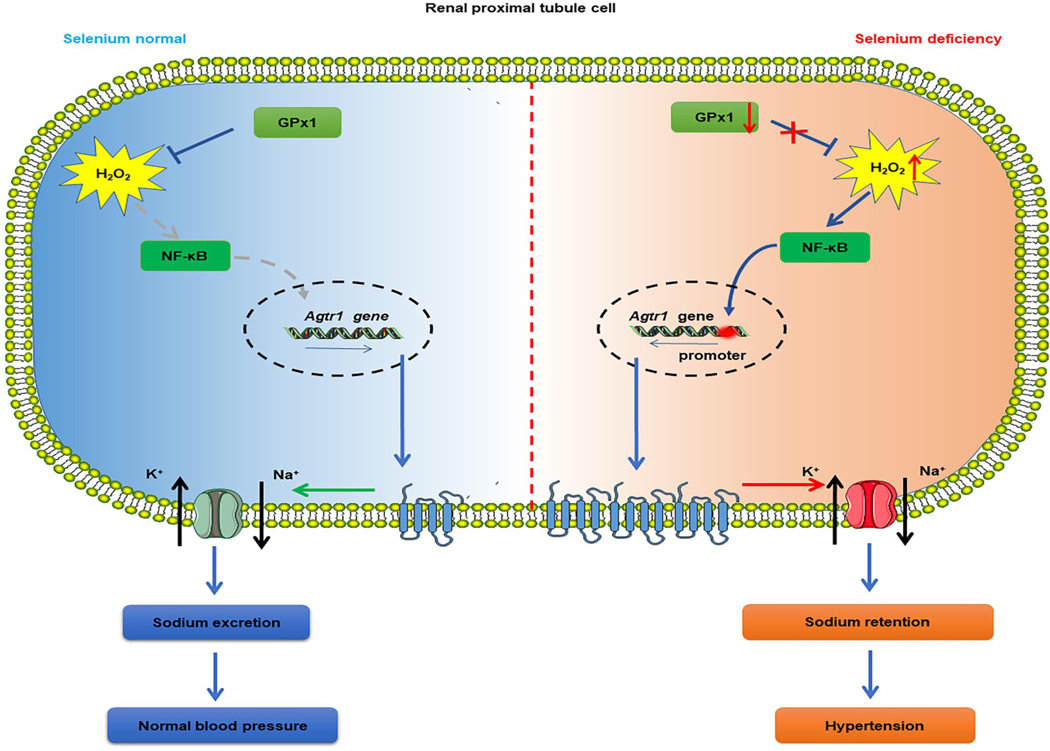
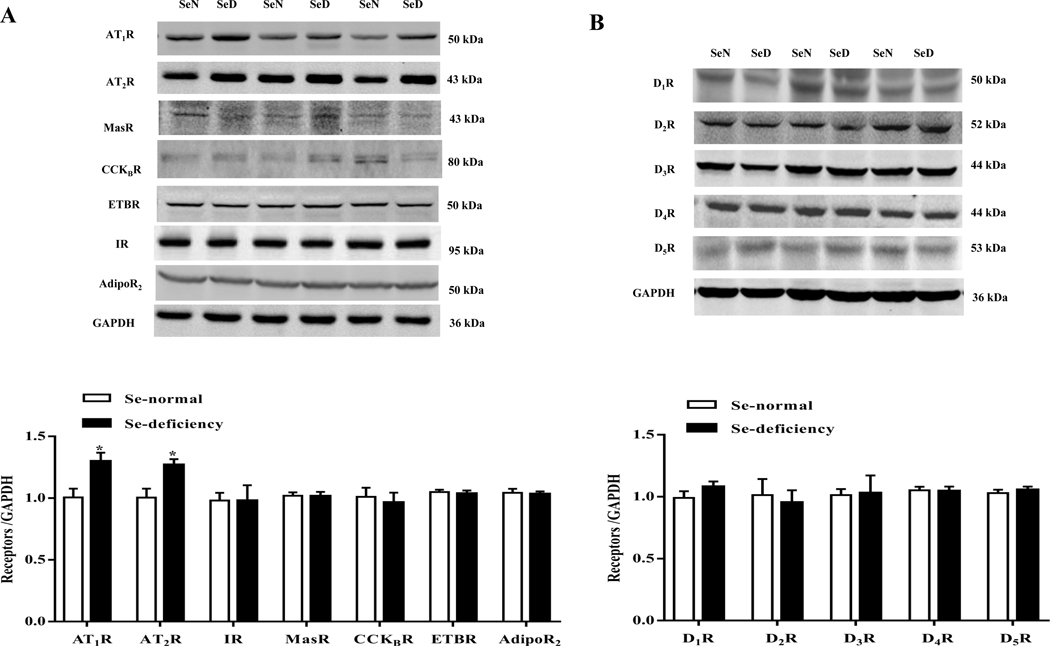
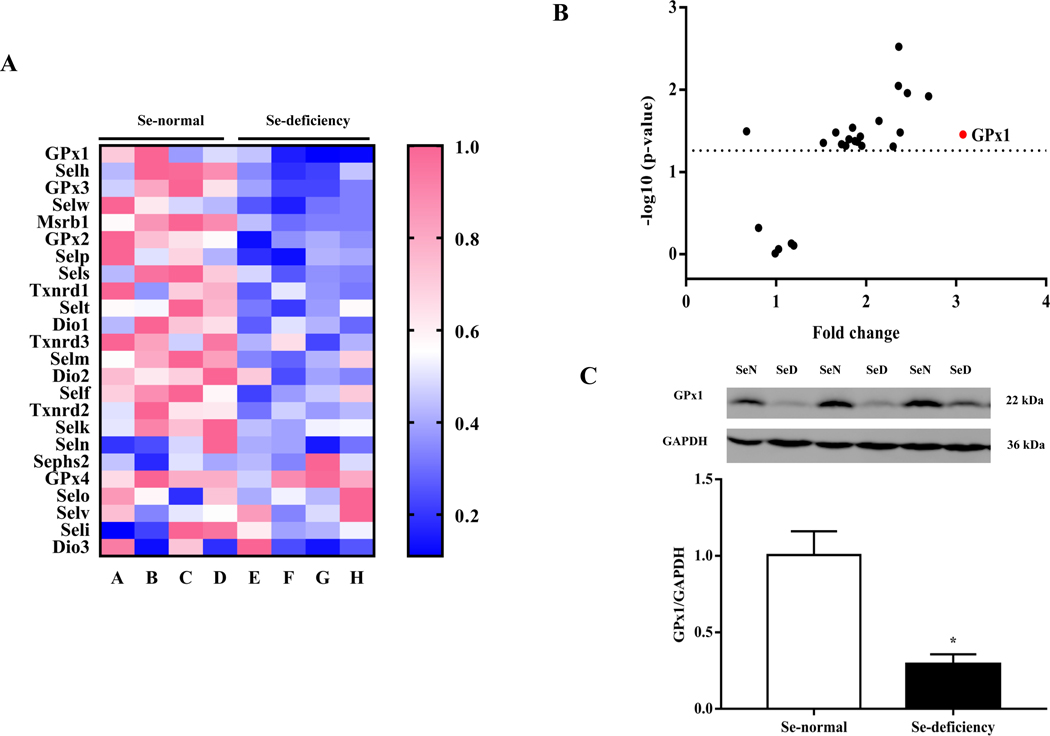
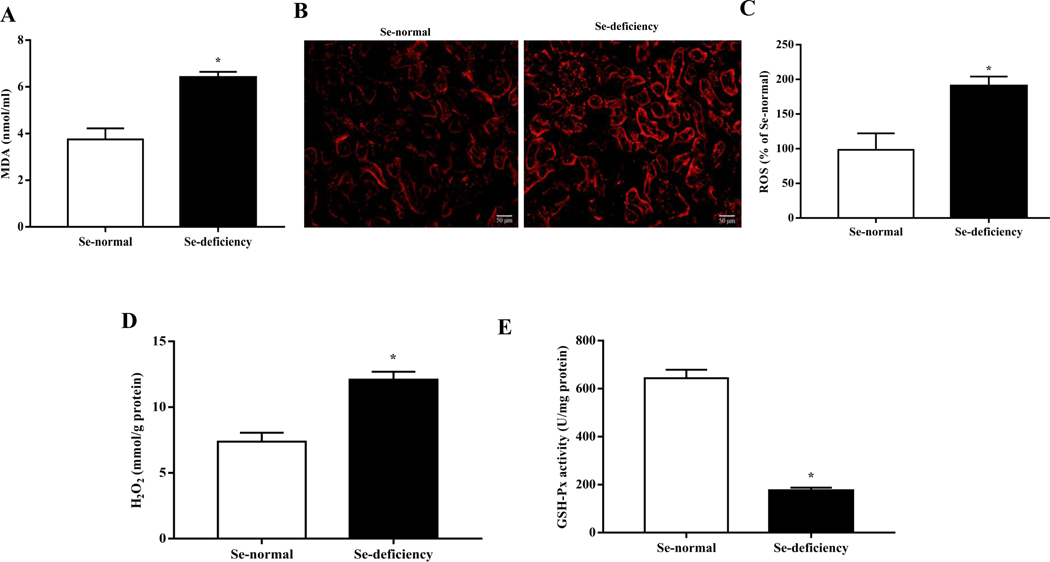
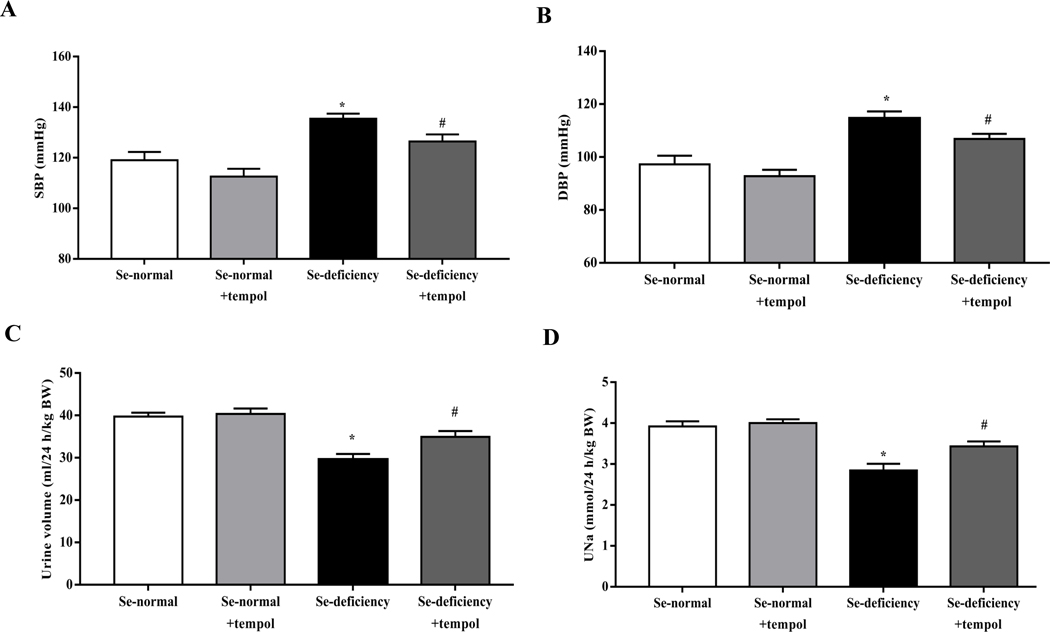
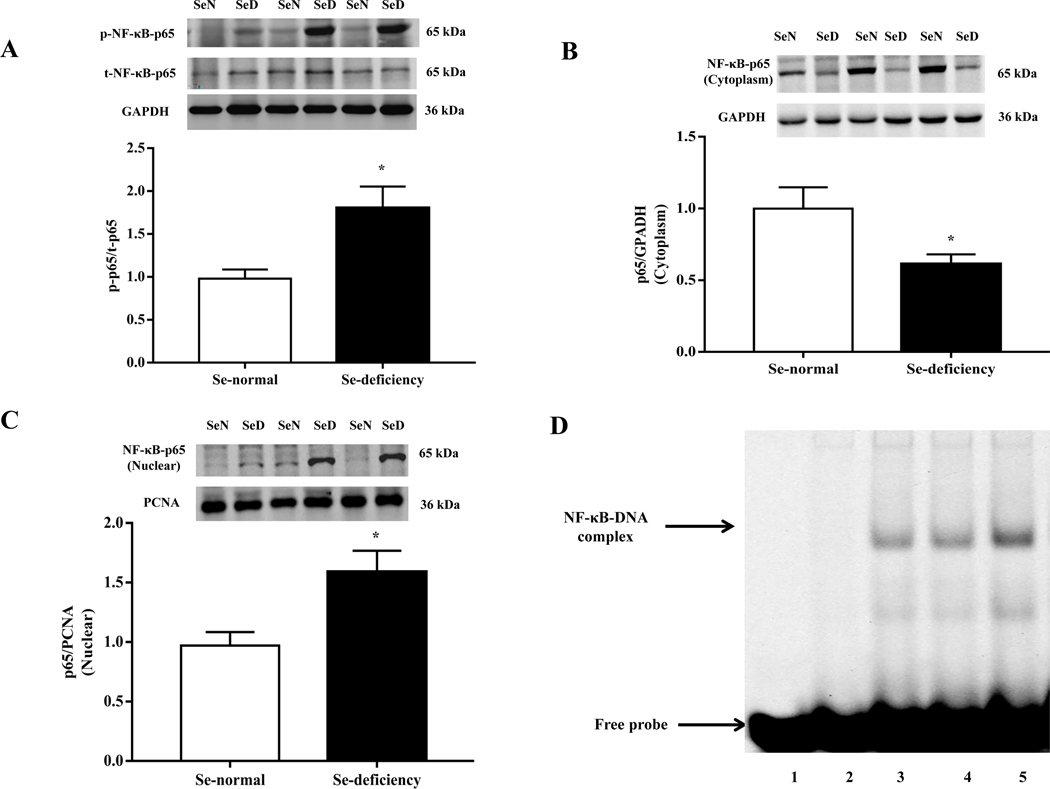
Epidemiological studies show an association between low body selenium and the risk of hypertension. However, whether selenium deficiency causes hypertension remains unknown. Here, we report that Sprague-Dawley rats fed a selenium-deficient diet for 16 weeks developed hypertension, accompanied with decreased sodium excretion. The hypertension of selenium-deficient rats was associated with increased renal angiotensin II type 1 receptor (ATR) expression and function that was reflected by the increase in sodium excretion after the intrarenal infusion of the ATR antagonist candesartan. Selenium-deficient rats had increased systemic and renal oxidative stress; treatment with the antioxidant tempol for 4 weeks decreased the elevated blood pressure, increased sodium excretion, and normalized renal ATR expression. Among the altered selenoproteins in selenium-deficient rats, the decrease in renal glutathione peroxidase 1 (GPx1) expression was most prominent. GPx1, via regulation of NF-κB p65 expression and activity, was involved in the regulation of renal ATR expression because treatment with dithiocarbamate (PDTC), an NF-κB inhibitor, reversed the up-regulation of ATR expression in selenium-deficient renal proximal tubule (RPT) cells. The up-regulation of ATR expression with GPx1 silencing was restored by PDTC. Moreover, treatment with ebselen, a GPX1 mimic, reduced the increased renal ATR expression, Na-K-ATPase activity, hydrogen peroxide (HO) generation, and the nuclear translocation of NF-κB p65 protein in selenium-deficient RPT cells. Our results demonstrated that long-term selenium deficiency causes hypertension, which is due, at least in part, to decreased urine sodium excretion. Selenium deficiency increases HO production by reducing GPx1 expression, which enhances NF-κB activity, increases renal ATR expression, causes sodium retention and consequently increases blood pressure.
流行病学研究表明,低体硒与高血压风险之间存在关联。然而,硒缺乏是否会导致高血压尚不清楚。在这里,我们报告说,用缺硒饮食喂养 16 周的 Sprague-Dawley 大鼠会发展为高血压,同时伴有钠排泄减少。缺硒大鼠的高血压与肾血管紧张素 II 型 1 型受体 (ATR) 表达和功能增加有关,这反映在肾内输注 ATR 拮抗剂坎地沙坦后钠排泄增加。缺硒大鼠存在全身和肾氧化应激增加;用抗氧化剂替普治疗 4 周可降低升高的血压、增加钠排泄,并使肾 ATR 表达正常化。在缺硒大鼠改变的硒蛋白中,肾谷胱甘肽过氧化物酶 1 (GPx1) 表达的下降最为明显。GPx1 通过调节 NF-κB p65 表达和活性,参与调节肾 ATR 表达,因为用 NF-κB 抑制剂二硫代氨基甲酸盐 (PDTC) 处理可逆转肾近端小管 (RPT) 细胞中 ATR 表达的上调。用 NF-κB 抑制剂 PDTC 处理可恢复 GPx1 沉默引起的 ATR 表达上调。此外,用 GPx1 模拟物 ebselen 处理可降低缺硒 RPT 细胞中增加的肾 ATR 表达、Na-K-ATP 酶活性、过氧化氢 (HO) 生成和 NF-κB p65 蛋白的核转位。我们的结果表明,长期硒缺乏会导致高血压,至少部分原因是尿钠排泄减少。硒缺乏通过降低 GPx1 表达减少 HO 生成,从而增强 NF-κB 活性,增加肾 ATR 表达,导致钠潴留,进而导致血压升高。