Department of Orthopedic Surgery, The Fourth Affiliated Hospital, International Institutes of Medicine, Zhejiang University School of Medicine, Yiwu, Zhejiang, PR China; Department of Orthopedic Surgery, The Second Affiliated Hospital, Zhejiang University School of Medicine, Hangzhou City, Zhejiang Province, PR China; Orthopedics Research Institute of Zhejiang University, Hangzhou City, Zhejiang Province, PR China; Key Laboratory of Motor System Disease Research and Precision Therapy of Zhejiang Province, Hangzhou City, Zhejiang Province, PR China.
Department of Orthopedic Surgery, The Second Affiliated Hospital, Zhejiang University School of Medicine, Hangzhou City, Zhejiang Province, PR China; Orthopedics Research Institute of Zhejiang University, Hangzhou City, Zhejiang Province, PR China; Key Laboratory of Motor System Disease Research and Precision Therapy of Zhejiang Province, Hangzhou City, Zhejiang Province, PR China.
Redox Biol. 2023 May;61:102635. doi: 10.1016/j.redox.2023.102635. Epub 2023 Feb 27.
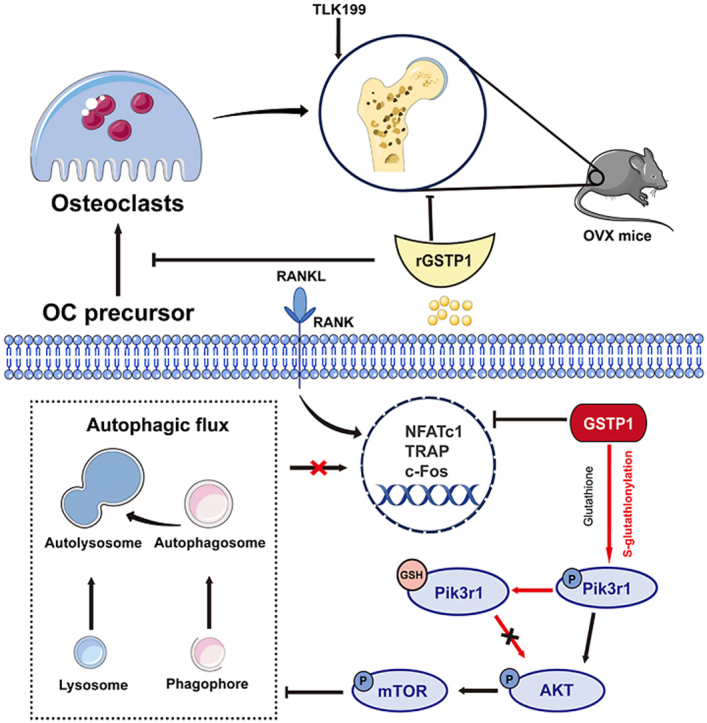
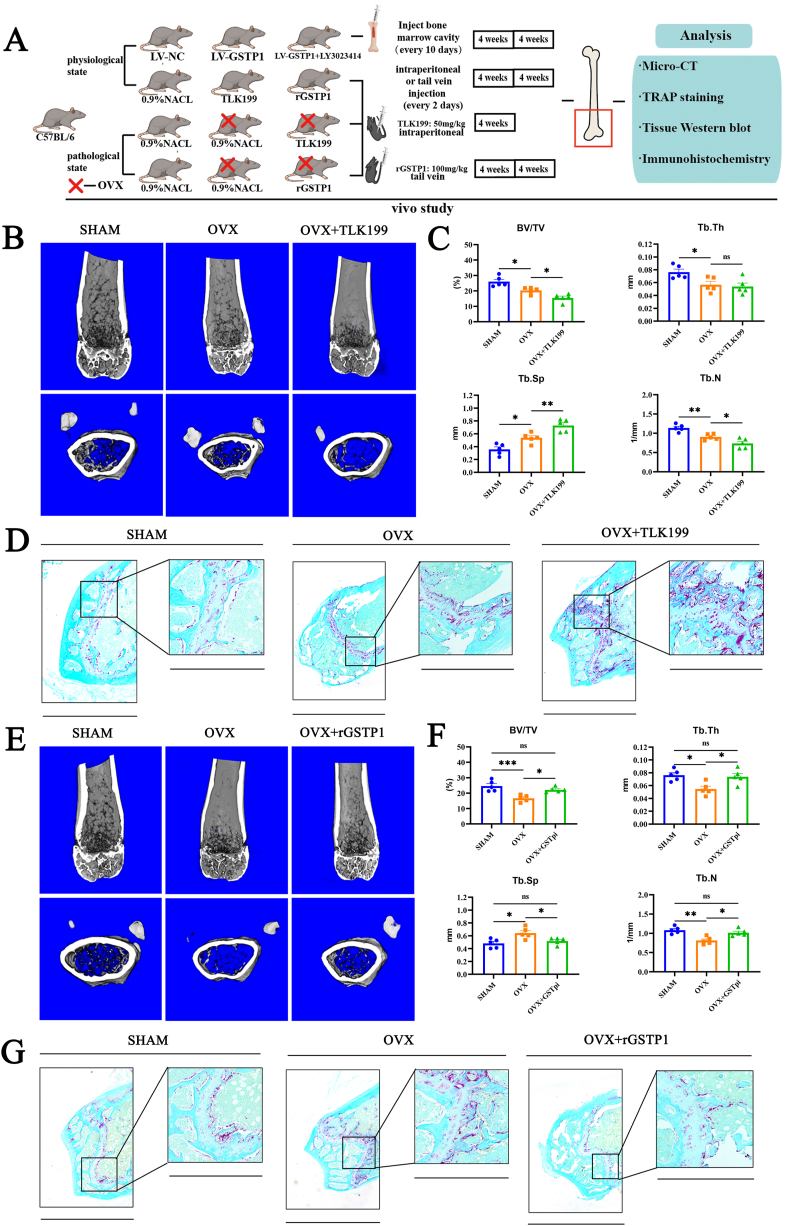
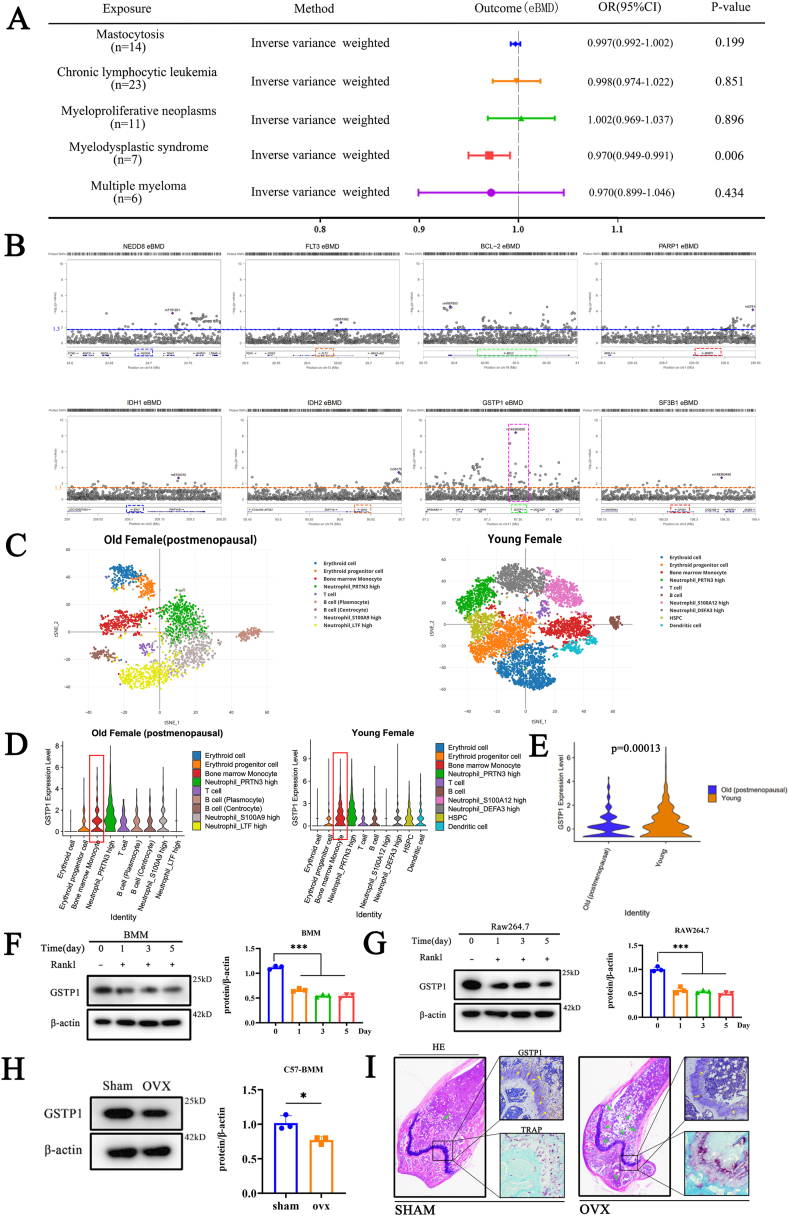
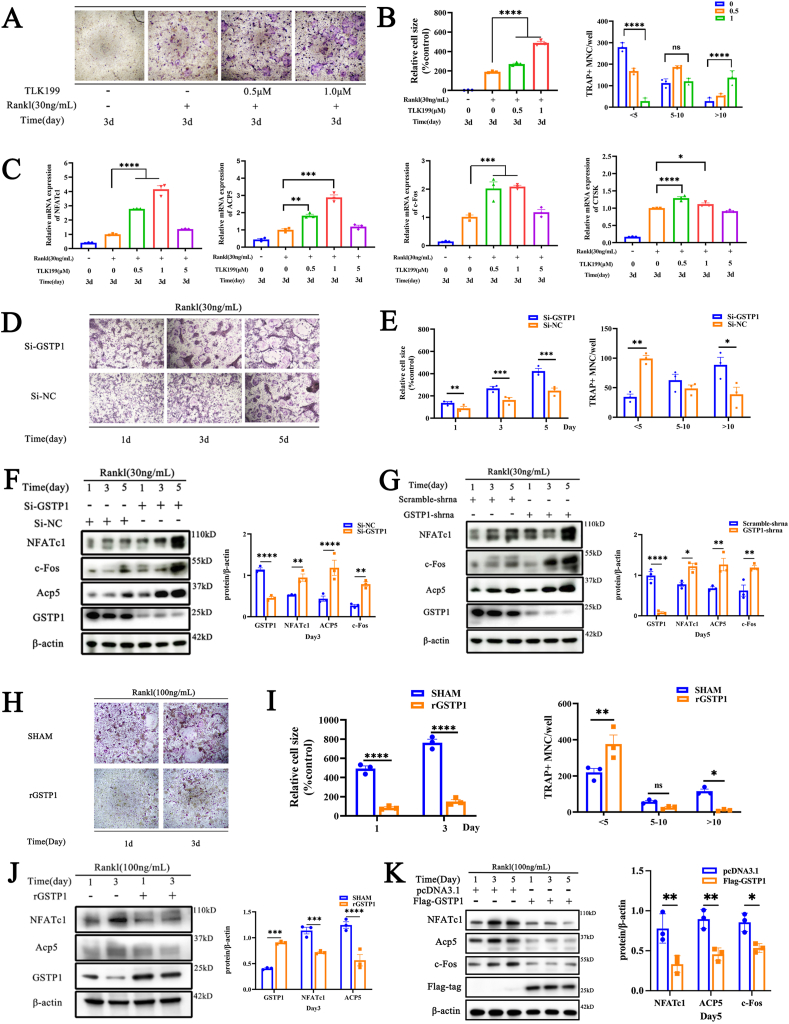
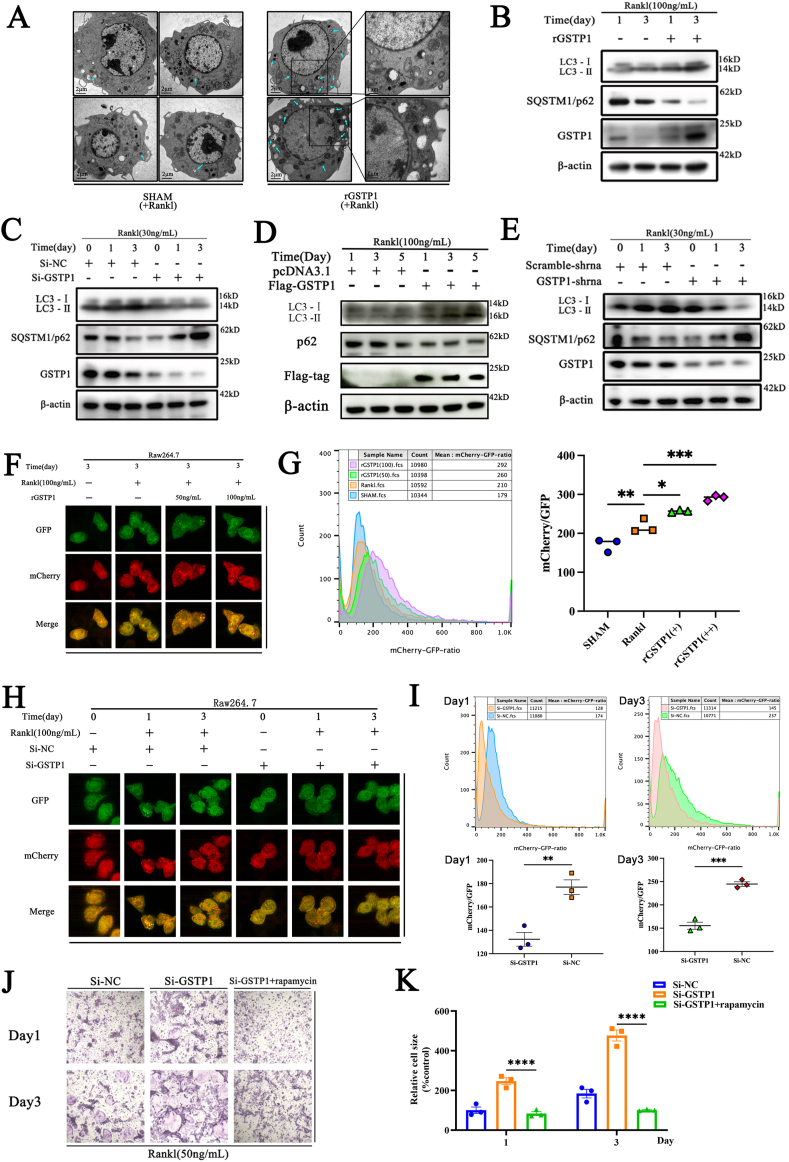
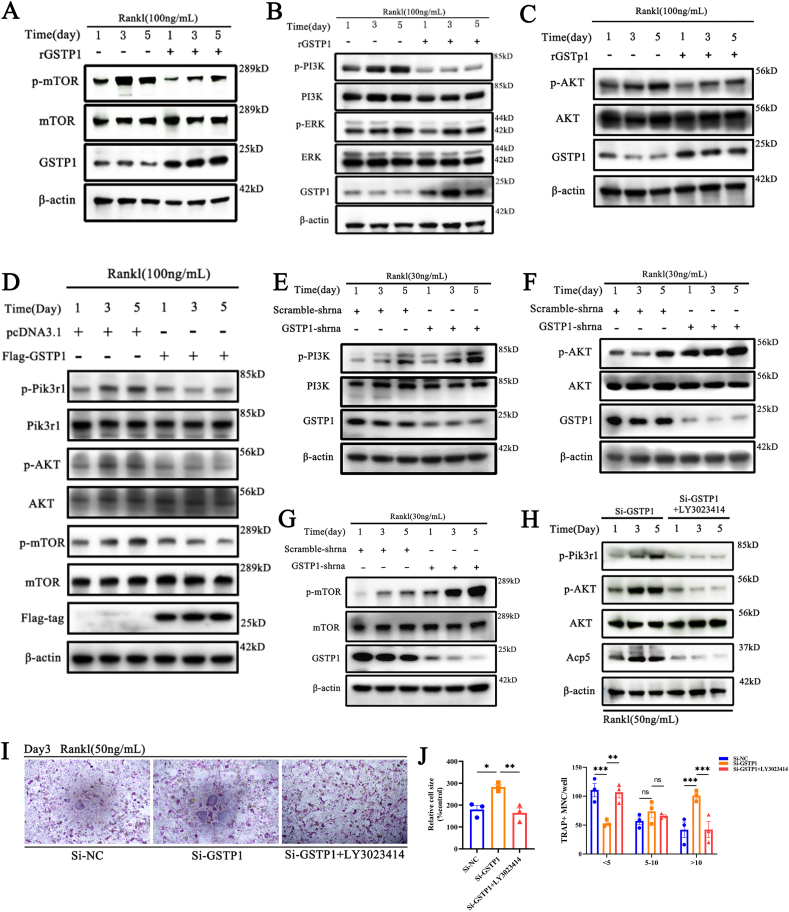
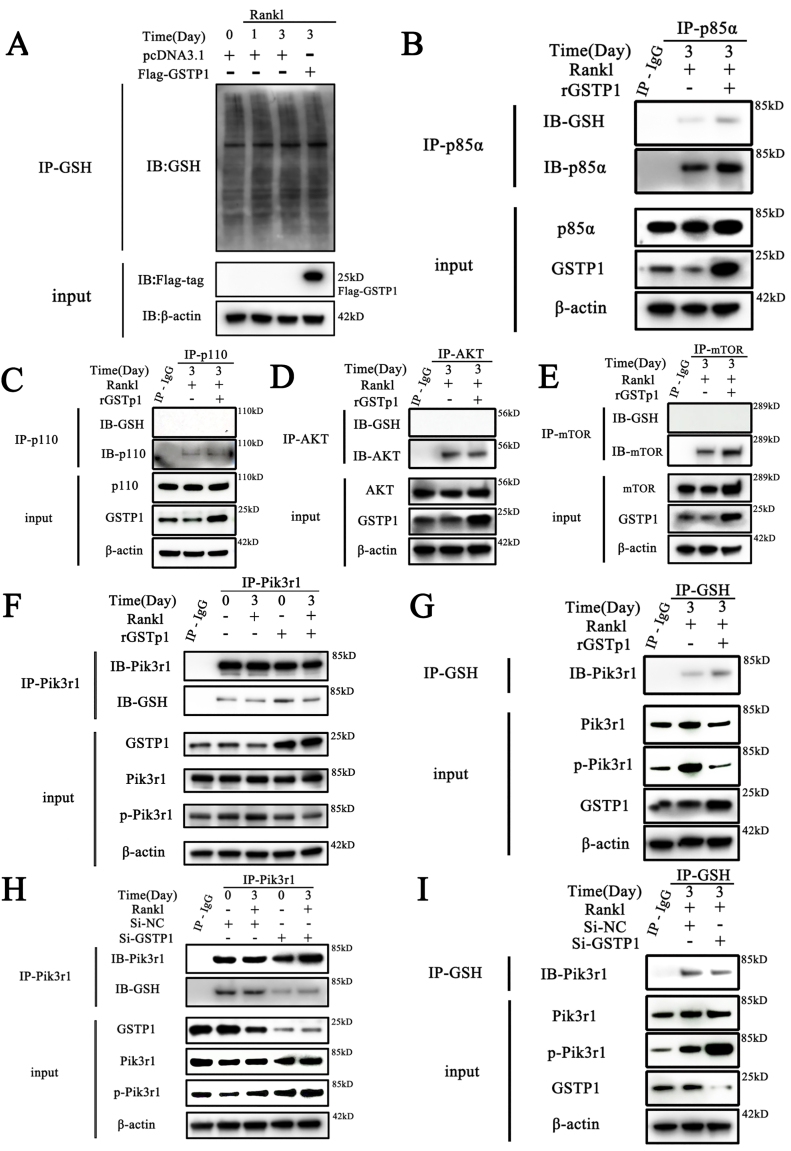
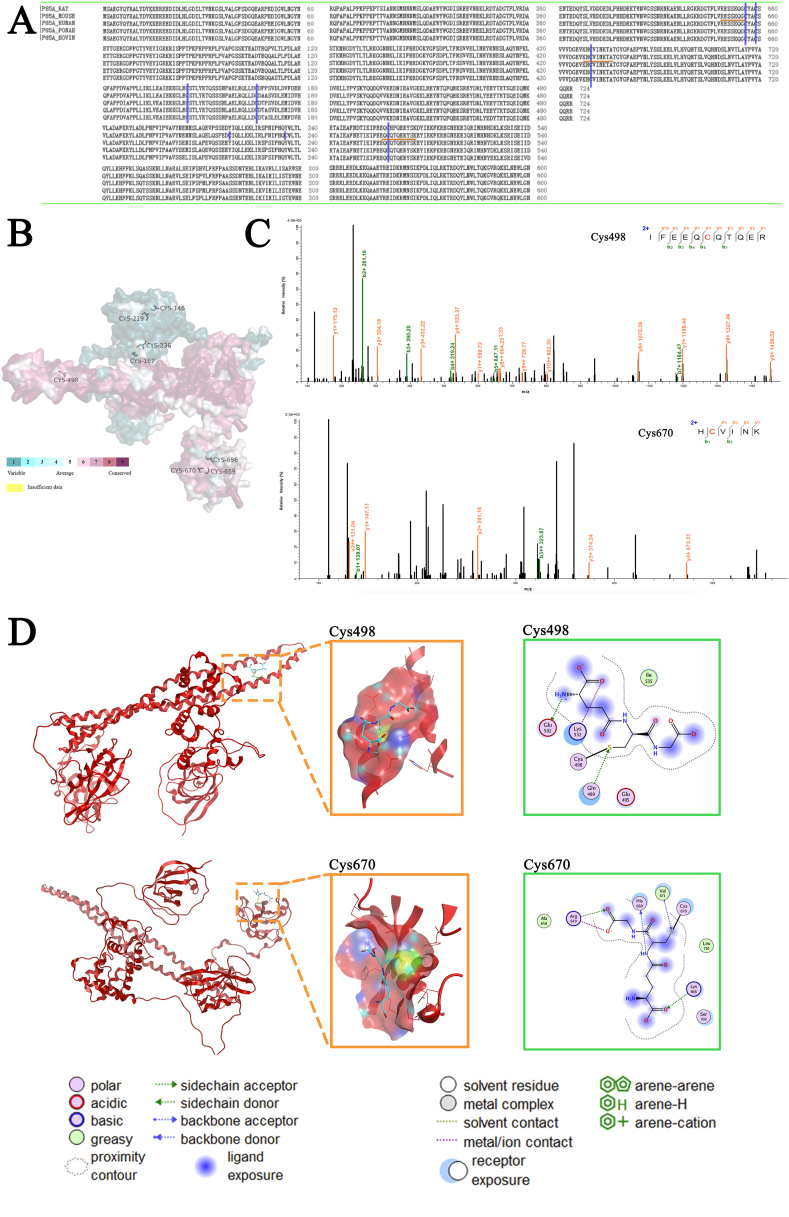
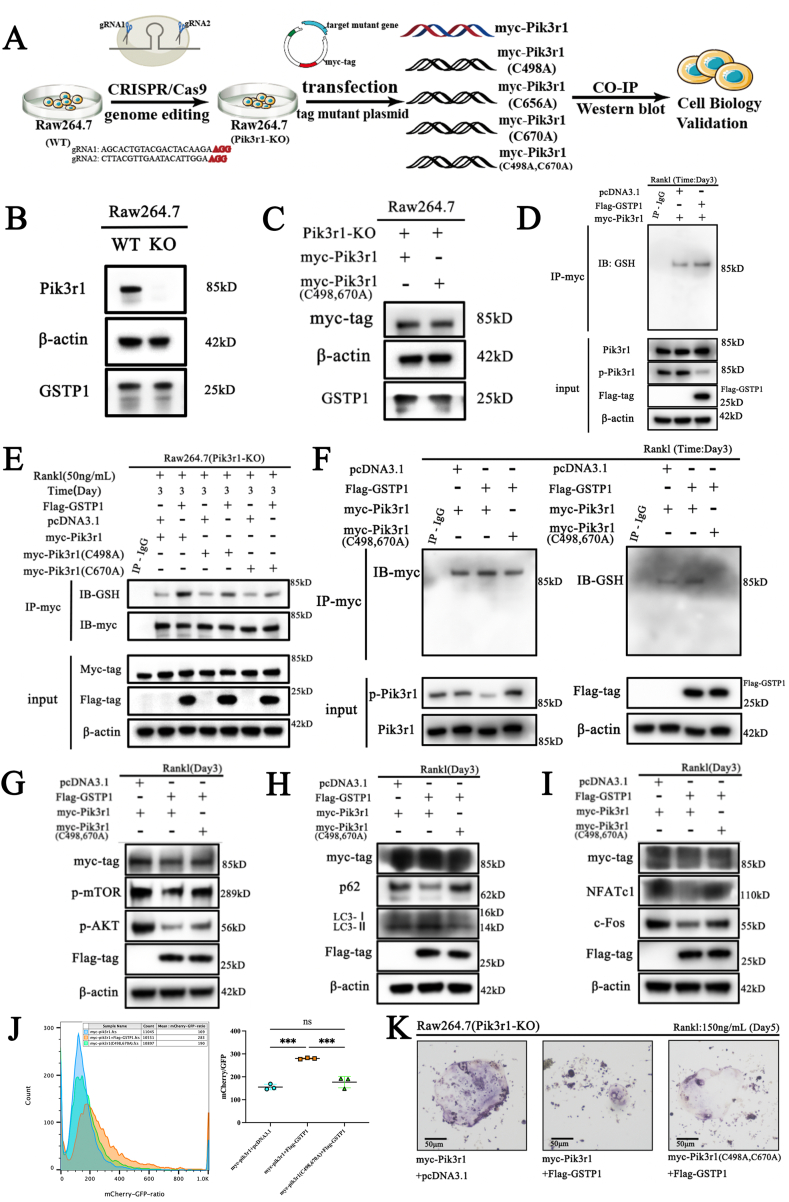
Glutathione S-transferase P1(GSTP1) is known for its transferase and detoxification activity. Based on disease-phenotype genetic associations, we found that GSTP1 might be associated with bone mineral density through Mendelian randomization analysis. Therefore, this study was performed both in vitro cellular and in vivo mouse model to determine how GSTP1 affects bone homeostasis. In our research, GSTP1 was revealed to upregulate the S-glutathionylation level of Pik3r1 through Cys498 and Cys670, thereby decreasing its phosphorylation, further controlling the alteration of autophagic flux via the Pik3r1-AKT-mTOR axis, and lastly altering osteoclast formation in vitro. In addition, knockdown and overexpression of GSTP1 in vivo also altered bone loss outcomes in the OVX mice model. In general, this study identified a new mechanism by which GSTP1 regulates osteoclastogenesis, and it is evident that the cell fate of osteoclasts is controlled by GSTP1-mediated S-glutathionylation via a redox-autophagy cascade.
谷胱甘肽 S-转移酶 P1(GSTP1)以其转移酶和解毒活性而闻名。基于疾病表型遗传关联,我们通过孟德尔随机化分析发现 GSTP1 可能与骨密度有关。因此,本研究在体外细胞和体内小鼠模型中进行,以确定 GSTP1 如何影响骨稳态。在我们的研究中,GSTP1 通过 Cys498 和 Cys670 上调 Pik3r1 的 S-谷胱甘肽化水平,从而降低其磷酸化,进一步通过 Pik3r1-AKT-mTOR 轴控制自噬通量的变化,并最终改变体外破骨细胞的形成。此外,体内 GSTP1 的敲低和过表达也改变了去卵巢小鼠模型中的骨丢失结果。总的来说,本研究确定了 GSTP1 调节破骨细胞形成的新机制,很明显,破骨细胞的细胞命运是由 GSTP1 介导的通过氧化还原自噬级联的 S-谷胱甘肽化控制的。