Yang Yulu, Zhang Xianhui, Yang Yao, Gao Pengfei, Fan Wuzhe, Zheng Tao, Yang Weihu, Tang Yu, Cai Kaiyong
Key Laboratory of Biorheological Science and Technology, Ministry of Education College of Bioengineering, Chongqing University, Chongqing, 400044, China.
Orthopedics Department, The Second Affiliated Hospital of Chongqing Medical University, Chongqing, 400010, China.
Bioact Mater. 2024 Jul 25;41:336-354. doi: 10.1016/j.bioactmat.2024.07.024. eCollection 2024 Nov.
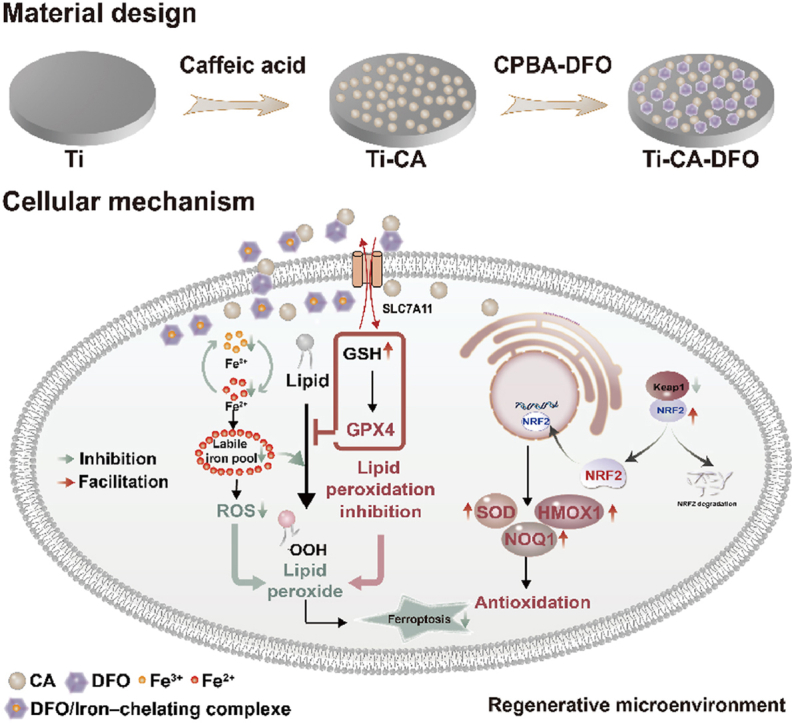
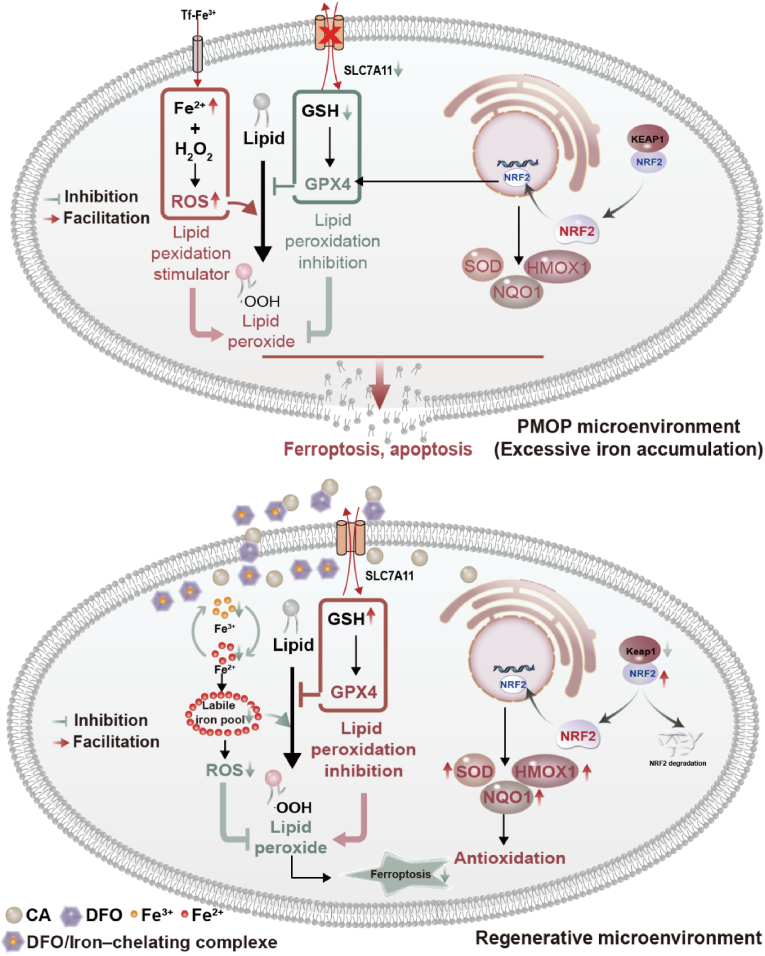
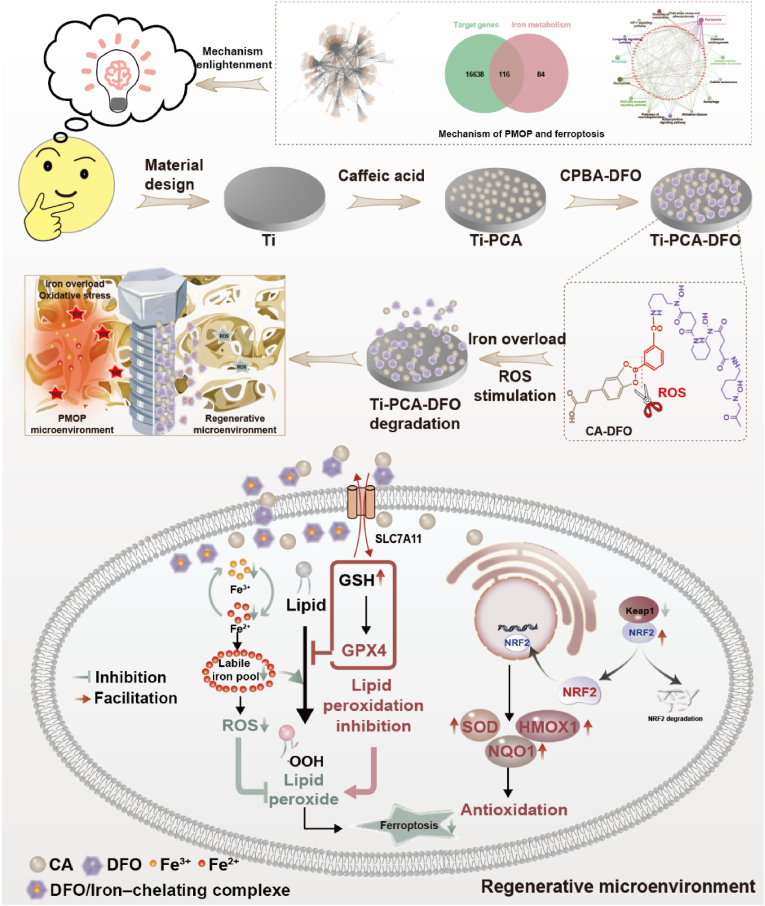
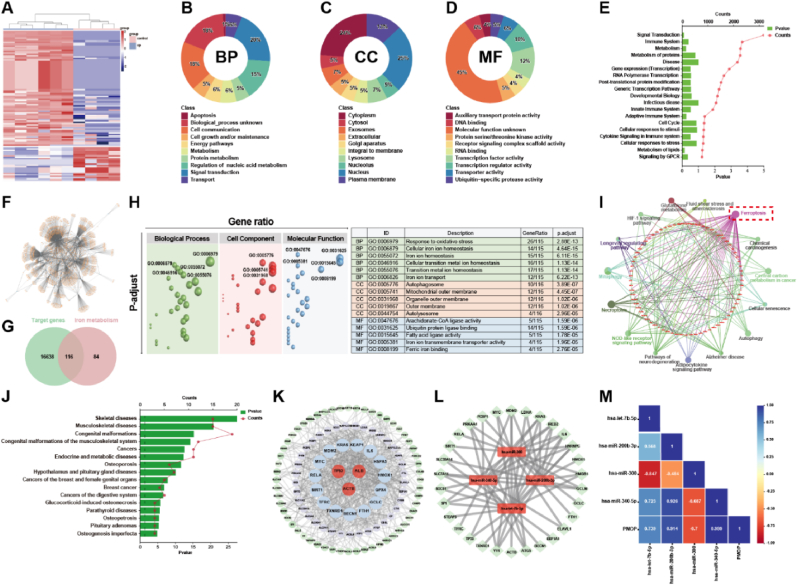
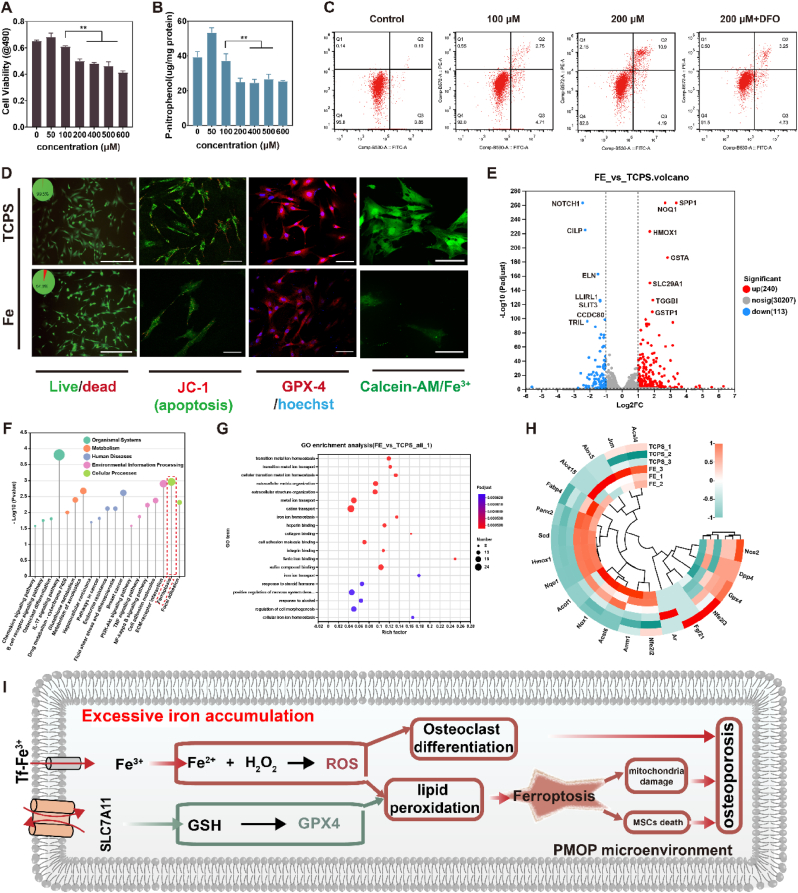
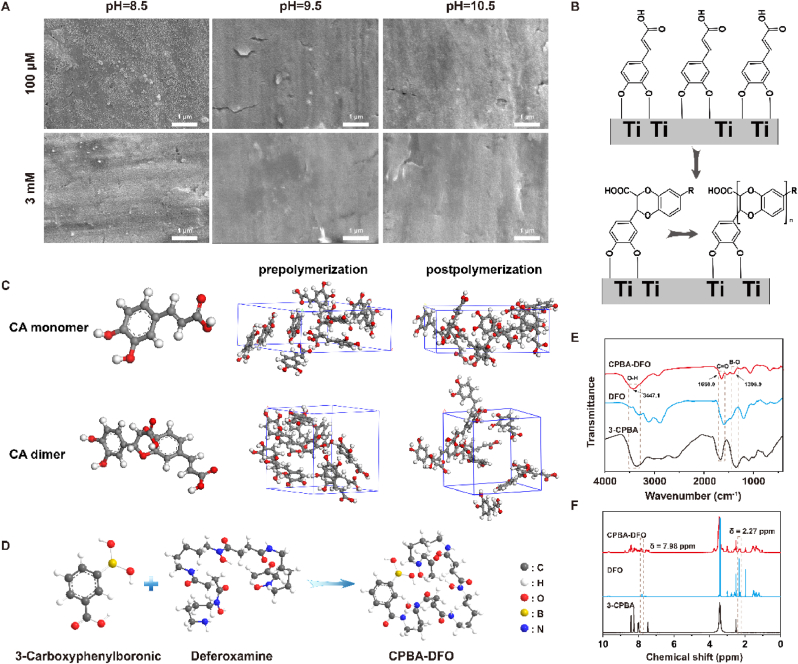
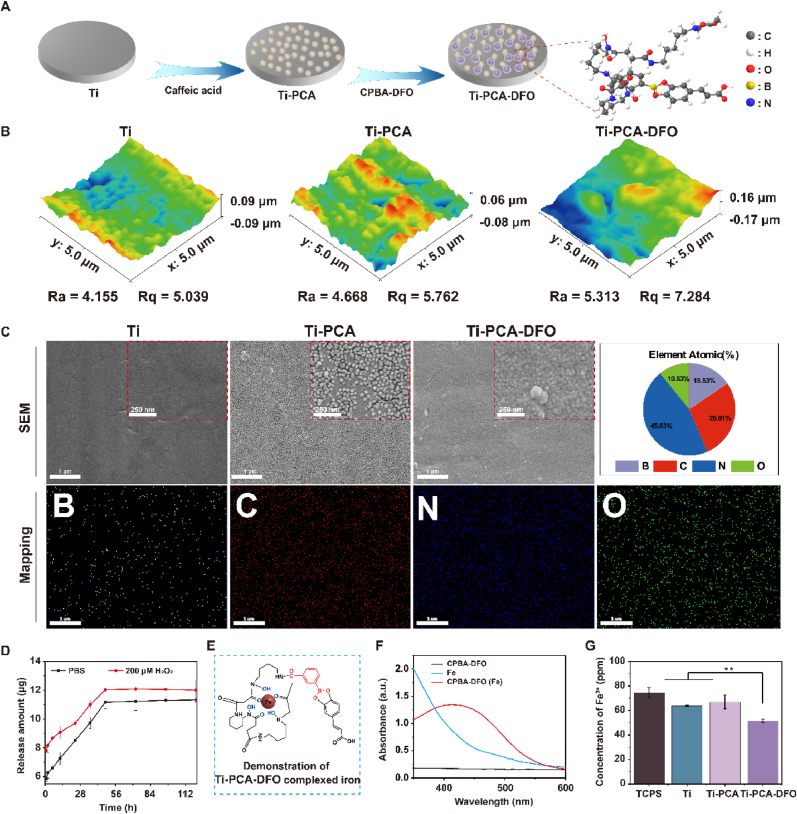
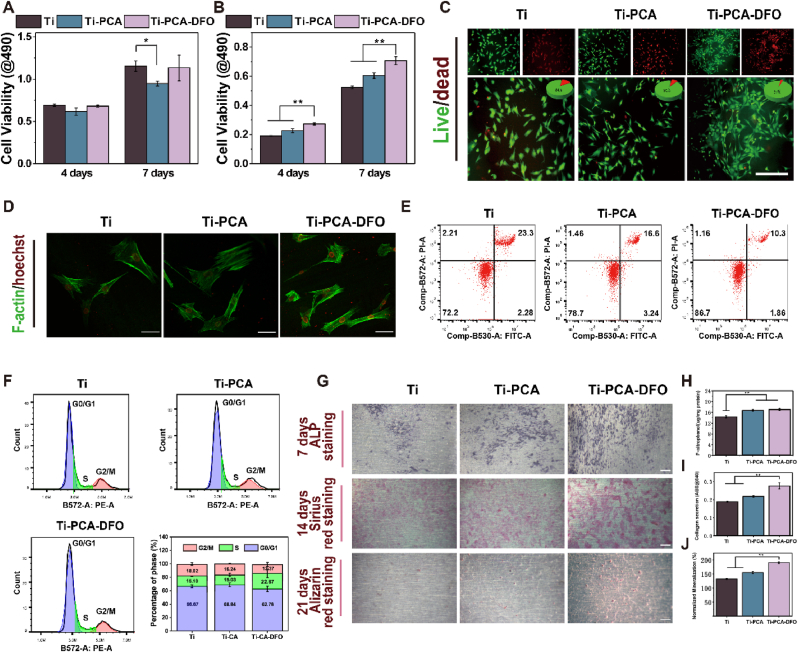
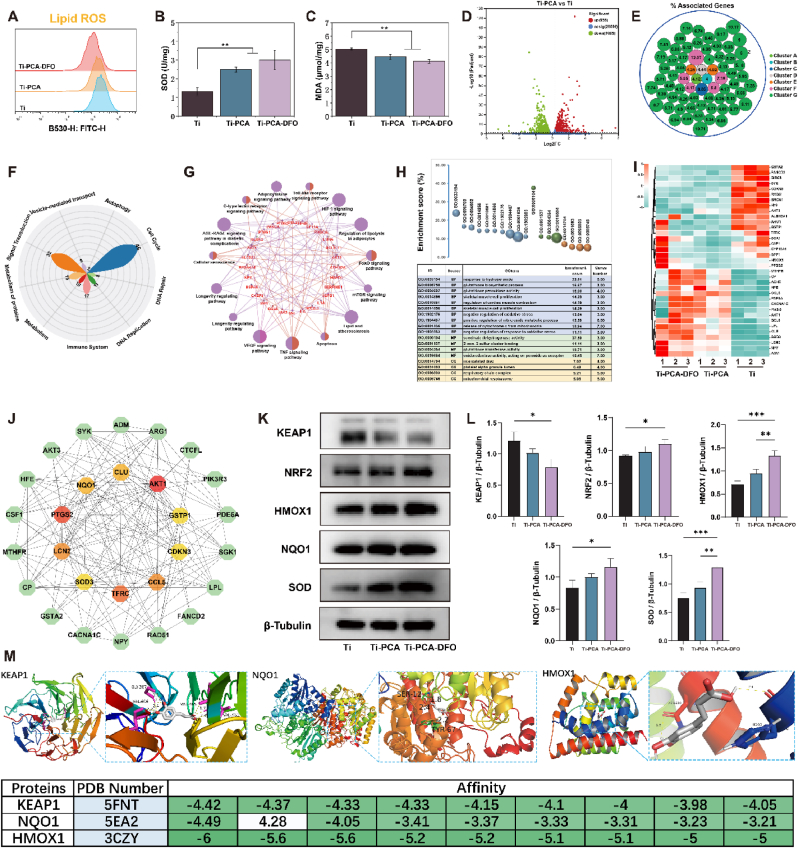
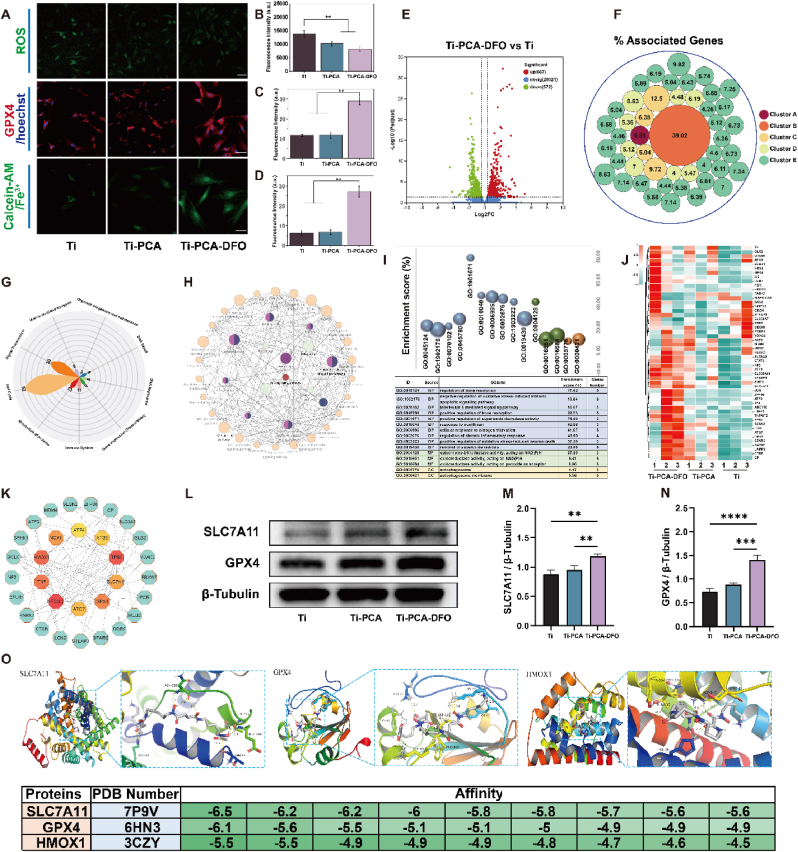
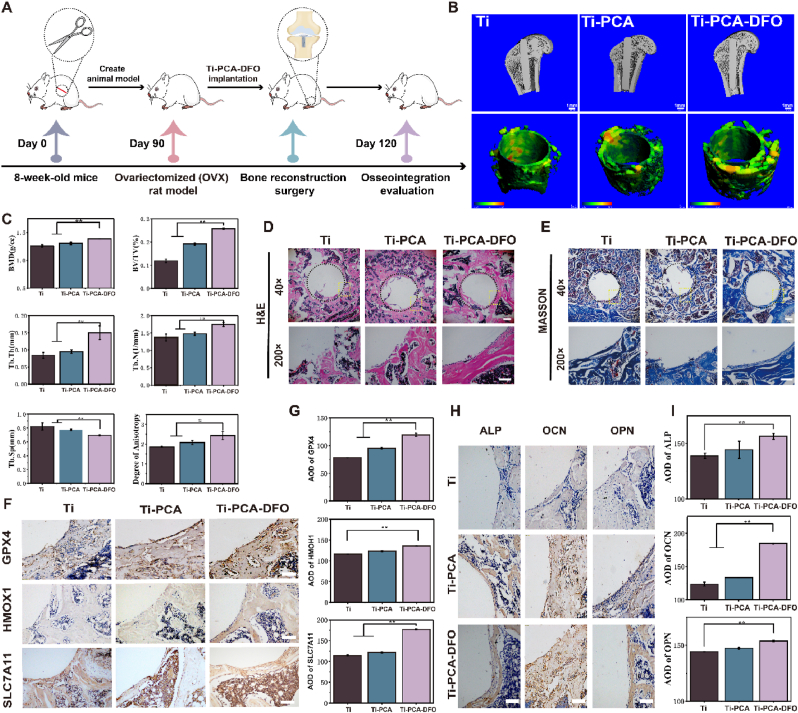
Postmenopausal osteoporosis (PMOP) is a prevalent condition among elderly women. After menopause, women exhibit decreased iron excretion, which is prone to osteoporosis. To design a specific titanium implant for PMOP, we first analyze miRNAs and DNA characteristics of postmenopausal patients with and without osteoporosis. The results indicate that iron overload disrupts iron homeostasis in the pathogenesis of PMOP. Further experiments confirm that iron overload can cause lipid peroxidation and ferroptosis of MSCs, thus breaking bone homeostasis. Based on the findings above, we have designed a novel Ti implant coated with nanospheres of caffeic acid (CA) and deferoxamine (DFO). CA can bind on the Ti surface through the two adjacent phenolic hydroxyls and polymerize into polycaffeic acid (PCA) dimer, as well as the PCA nanospheres with the repetitive 1,4-benzodioxan units. DFO was grafted with PCA through borate ester bonds. The experimental results showed that modified Ti can inhibit the ferroptosis of MSCs in the pathological environment of PMOP and promote osseointegration in two main ways. Firstly, DFO was released under high oxidative stress, chelating with excess iron and decreasing the labile iron pool in MSCs. Meanwhile, CA and DFO activated the KEAP1/NRF2/HMOX1 pathway in MSCs and reduced the level of intracellular lipid peroxidation. So, the ferroptosis of MSCs is inhibited by promoting the SLC7A11/GSH/GPX4 pathway. Furthermore, the remained CA coating on the Ti surface could reduce the extracellular oxidative stress and glutathione level. This study offers a novel inspiration for the specific design of Ti implants in the treatment of PMOP.
绝经后骨质疏松症(PMOP)是老年女性中的一种常见病症。绝经后,女性铁排泄减少,易患骨质疏松症。为设计一种针对PMOP的特异性钛植入物,我们首先分析了绝经后骨质疏松症患者和非骨质疏松症患者的miRNA和DNA特征。结果表明,铁过载在PMOP发病机制中破坏了铁稳态。进一步实验证实,铁过载可导致间充质干细胞(MSC)的脂质过氧化和铁死亡,从而打破骨稳态。基于上述发现,我们设计了一种新型的涂有咖啡酸(CA)和去铁胺(DFO)纳米球的钛植入物。CA可通过两个相邻的酚羟基结合在钛表面并聚合成聚咖啡酸(PCA)二聚体,以及具有重复1,4 - 苯并二恶烷单元的PCA纳米球。DFO通过硼酸酯键与PCA接枝。实验结果表明,改性钛可在PMOP病理环境中抑制MSC的铁死亡,并通过两种主要方式促进骨整合。首先,DFO在高氧化应激下释放,与过量铁螯合并降低MSC中的不稳定铁池。同时,CA和DFO激活MSC中的KEAP1/NRF2/HMOX1途径并降低细胞内脂质过氧化水平。因此,通过促进SLC7A11/GSH/GPX4途径抑制了MSC的铁死亡。此外,钛表面残留的CA涂层可降低细胞外氧化应激和谷胱甘肽水平。本研究为治疗PMOP的钛植入物的特异性设计提供了新的思路。