He Qingmin, Liu Chuan, Wang Xiaohan, Rong Kang, Zhu Mingyang, Duan Liying, Zheng Pengyuan, Mi Yang
Henan Key Laboratory of Helicobacter Pylori and Microbiota and Gastrointestinal Cancer, Marshall B. J. Medical Research Center of Zhengzhou University, The Fifth Affiliated Hospital of Zhengzhou University, Zhengzhou, Henan, China.
Academy of Medical Science, Zhengzhou University, Zhengzhou, Henan, China.
Front Pharmacol. 2023 Feb 15;14:1102581. doi: 10.3389/fphar.2023.1102581. eCollection 2023.
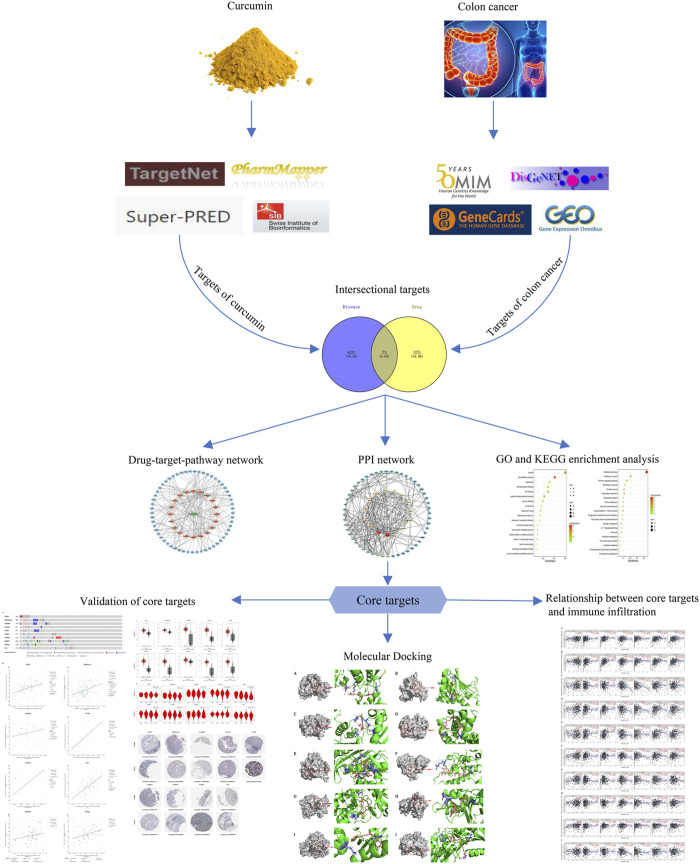
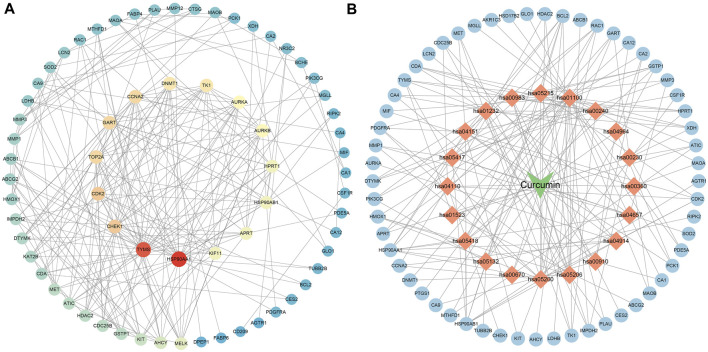
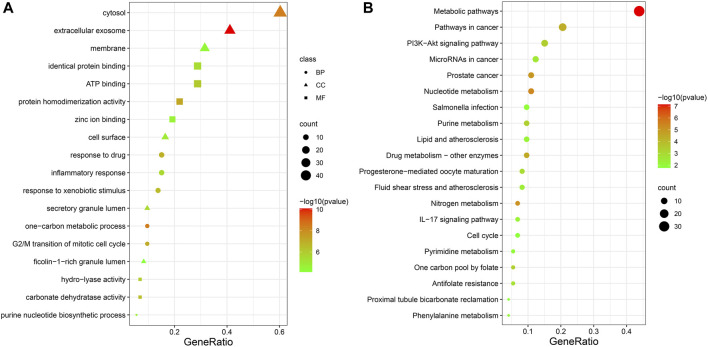
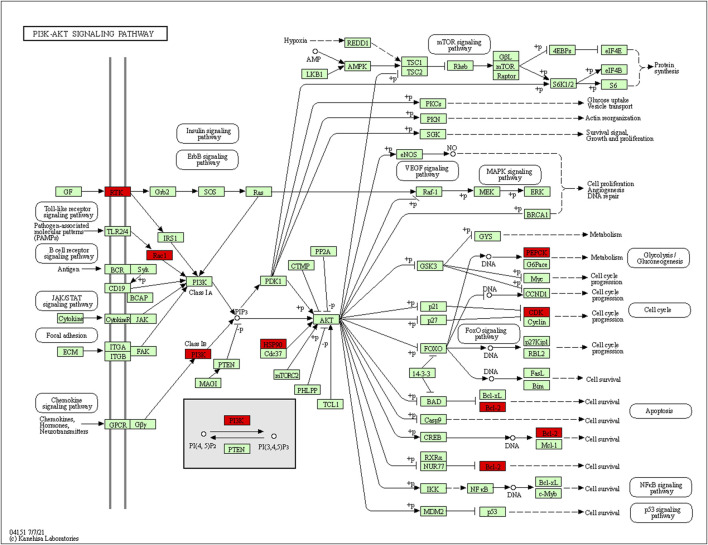
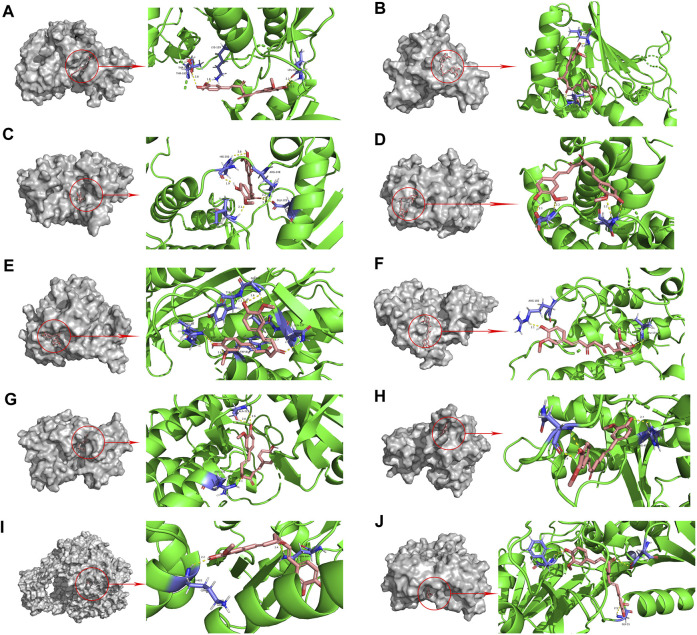
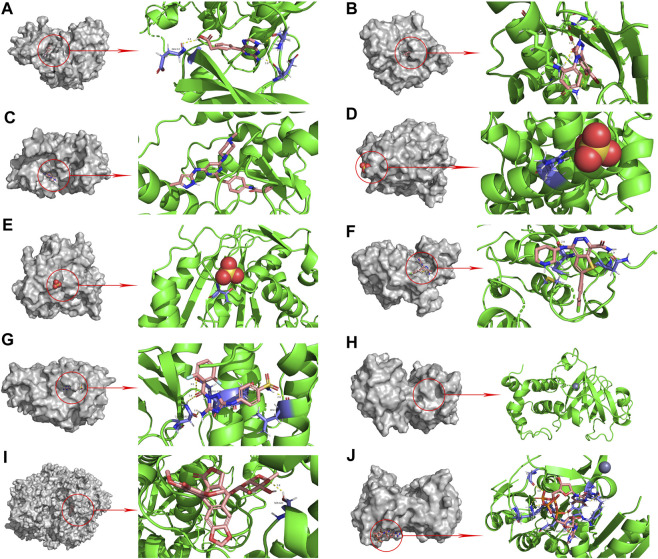
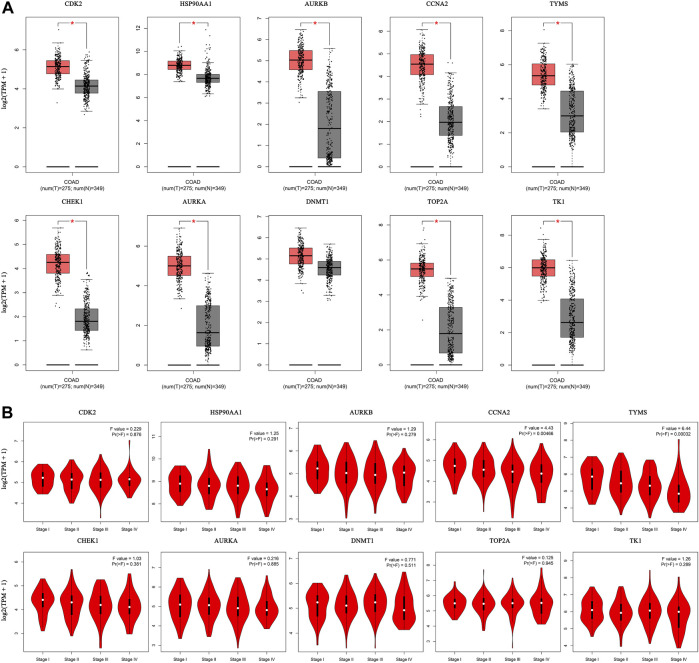
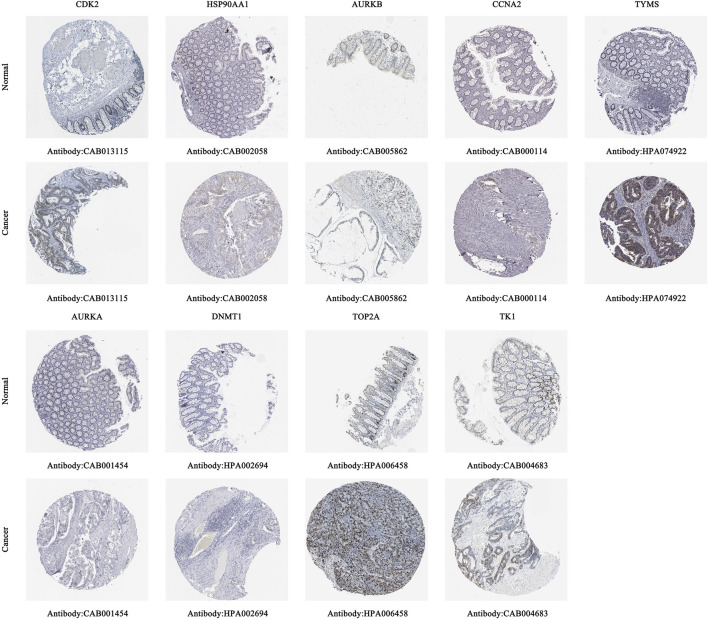
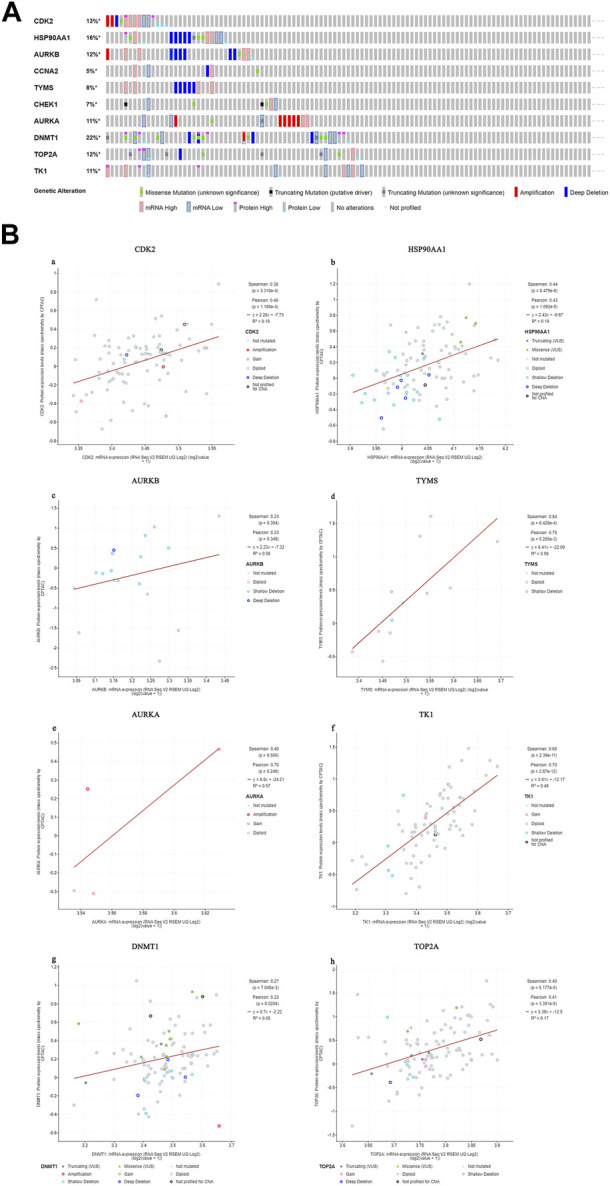
Curcumin is a plant polyphenol extracted from the Chinese herb turmeric. It was found that curcumin has good anti-cancer properties in a variety of cancers, but the exact mechanism is not clear. Based on the network pharmacology and molecular docking to deeply investigate the molecular mechanism of curcumin for the treatment of colon cancer, it provides a new research direction for the treatment of colon cancer. Curcumin-related targets were collected using PharmMapper, SwissTargetPrediction, Targetnet and SuperPred. Colon cancer related targets were obtained using OMIM, DisGeNET, GeneCards and GEO databases. Drug-disease intersection targets were obtained Venny 2.1.0. GO and KEGG enrichment analysis of drug-disease common targets were performed using DAVID. Construct PPI network graphs of intersecting targets using STRING database as well as Cytoscape 3.9.0 and filter core targets. Molecular docking AutoDockTools 1.5.7. The core targets were further analyzed by GEPIA, HPA, cBioPortal and TIMER databases. A total of 73 potential targets of curcumin for the treatment of colon cancer were obtained. GO function enrichment analysis yielded 256 entries, including BP(Biological Progress):166, CC(celluar component):36 and MF(Molecular Function):54. The KEGG pathway enrichment analysis yielded 34 signaling pathways, mainly involved in Metabolic pathways, Nucleotide metabolism, Nitrogen metabolism, Drug metabolism - other enzymes, Pathways in cancer,PI3K-Akt signaling pathway, etc. CDK2, HSP90AA1, AURKB, CCNA2, TYMS, CHEK1, AURKA, DNMT1, TOP2A, and TK1 were identified as core targets by Cytoscape 3.9.0. Molecular docking results showed that the binding energies of curcumin to the core targets were all less than 0 kJ-mol-1, suggesting that curcumin binds spontaneously to the core targets. These results were further validated in terms of mRNA expression levels, protein expression levels and immune infiltration. Based on network pharmacology and molecular docking initially revealed that curcumin exerts its therapeutic effects on colon cancer with multi-target, multi-pathway. Curcumin may exert anticancer effects by binding to core targets. Curcumin may interfere with colon cancer cell proliferation and apoptosis by regulating signal transduction pathways such as PI3K-Akt signaling pathway,IL-17 signaling pathway, Cell cycle. This will deepen and enrich our understanding of the potential mechanism of curcumin against colon cancer and provide a theoretical basis for subsequent studies.
姜黄素是从中药姜黄中提取的一种植物多酚。研究发现,姜黄素在多种癌症中具有良好的抗癌特性,但其确切机制尚不清楚。基于网络药理学和分子对接深入研究姜黄素治疗结肠癌的分子机制,为结肠癌的治疗提供了新的研究方向。使用PharmMapper、SwissTargetPrediction、Targetnet和SuperPred收集姜黄素相关靶点。利用OMIM、DisGeNET、GeneCards和GEO数据库获取结肠癌相关靶点。使用Venny 2.1.0获得药物-疾病交集靶点。使用DAVID对药物-疾病共同靶点进行GO和KEGG富集分析。使用STRING数据库以及Cytoscape 3.9.0构建交集靶点的PPI网络图并筛选核心靶点。使用AutoDockTools 1.5.7进行分子对接。通过GEPIA、HPA、cBioPortal和TIMER数据库对核心靶点进行进一步分析。共获得73个姜黄素治疗结肠癌的潜在靶点。GO功能富集分析产生256个条目,包括BP(生物过程):166个、CC(细胞成分):36个和MF(分子功能):54个。KEGG通路富集分析产生34条信号通路,主要涉及代谢途径、核苷酸代谢、氮代谢、药物代谢-其他酶、癌症中的途径、PI3K-Akt信号通路等。通过Cytoscape 3.9.0将CDK2、HSP90AA1、AURKB、CCNA2、TYMS、CHEK1、AURKA、DNMT1、TOP2A和TK1鉴定为核心靶点。分子对接结果表明,姜黄素与核心靶点的结合能均小于0 kJ·mol-1,表明姜黄素能自发地与核心靶点结合。这些结果在mRNA表达水平、蛋白质表达水平和免疫浸润方面得到进一步验证。基于网络药理学和分子对接初步揭示,姜黄素通过多靶点、多途径对结肠癌发挥治疗作用。姜黄素可能通过与核心靶点结合发挥抗癌作用。姜黄素可能通过调节PI3K-Akt信号通路、IL-17信号通路、细胞周期等信号转导途径干扰结肠癌细胞的增殖和凋亡。这将加深和丰富我们对姜黄素抗结肠癌潜在机制的理解,并为后续研究提供理论依据。