Epithelial Therapeutics Unit, National Institute of Allergy and Infectious Disease, National Institutes of Health, Bethesda, Maryland, United States of America.
Biological Imaging Section, Research Technology Branch, NIAID, NIH, Bethesda, Maryland, United States of America.
PLoS One. 2023 Mar 6;18(3):e0282569. doi: 10.1371/journal.pone.0282569. eCollection 2023.
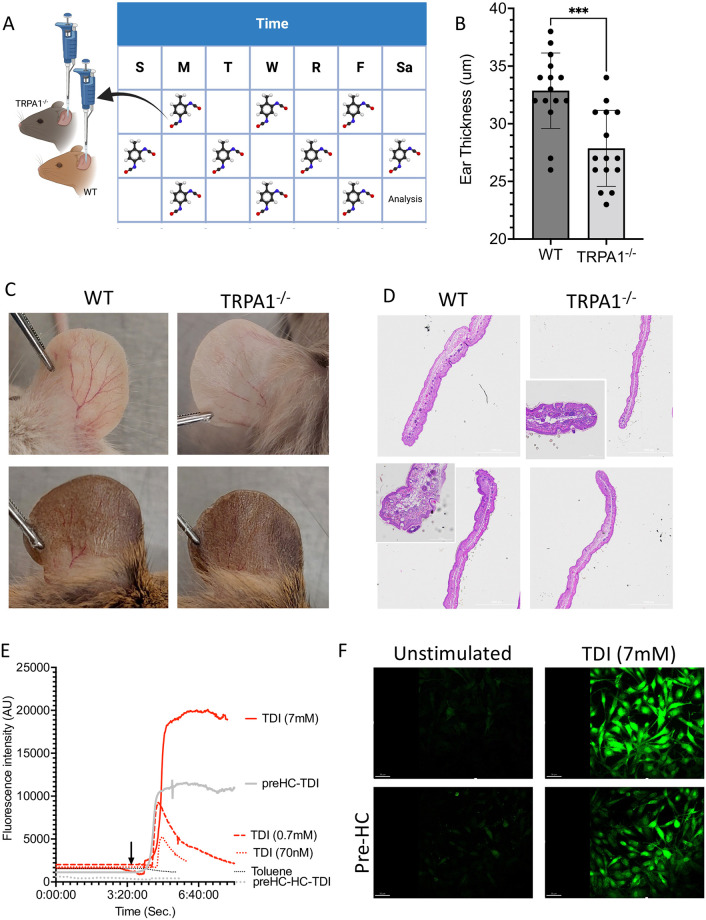
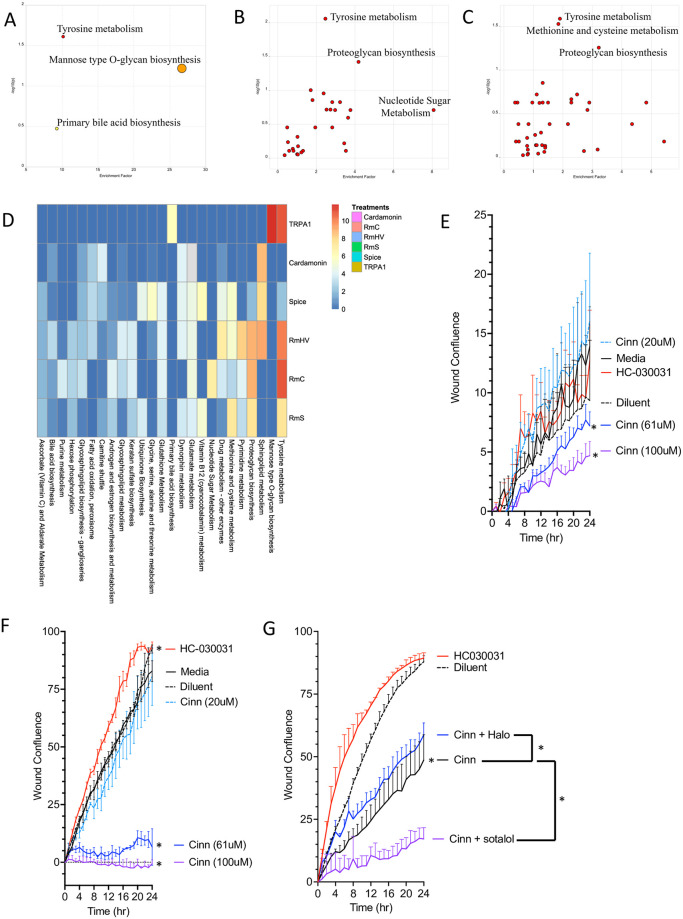
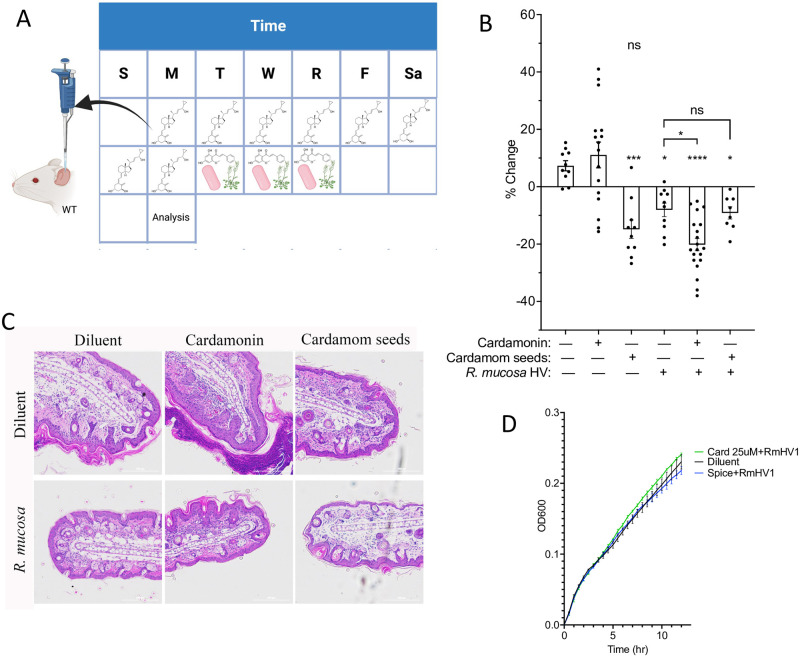
We recently used EPA databases to identify that isocyanates, most notably toluene diisocyanate (TDI), were the pollutant class with the strongest spatiotemporal and epidemiologic association with atopic dermatitis (AD). Our findings demonstrated that isocyanates like TDI disrupted lipid homeostasis and modeled benefit in commensal bacteria like Roseomonas mucosa through disrupting nitrogen fixation. However, TDI has also been established to activate transient receptor potential ankyrin 1 (TRPA1) in mice and thus could directly contribute to AD through induction of itch, rash, and psychological stress. Using cell culture and mouse models, we now demonstrate that TDI induced skin inflammation in mice as well as calcium influx in human neurons; each of these findings were dependent on TRPA1. Furthermore, TRPA1 blockade synergized with R. mucosa treatment in mice to improve TDI-independent models of AD. Finally, we show that the cellular effects of TRPA1 are related to shifting the balance of the tyrosine metabolites epinephrine and dopamine. This work provides added insight into the potential role, and therapeutic potential, or TRPA1 in the pathogenesis of AD.
我们最近使用 EPA 数据库来确定异氰酸酯,尤其是甲苯二异氰酸酯(TDI),是与特应性皮炎(AD)具有最强时空和流行病学关联的污染物类别。我们的研究结果表明,异氰酸酯(如 TDI)通过破坏氮固定来破坏脂质稳态,并对共生细菌如玫瑰单胞菌(Roseomonas mucosa)产生有益影响。然而,TDI 也已被证实可在小鼠中激活瞬时受体电位锚蛋白 1(TRPA1),因此可通过诱导瘙痒、皮疹和心理压力直接导致 AD。我们现在使用细胞培养和小鼠模型证明,TDI 可诱导小鼠皮肤炎症以及人类神经元中的钙内流;这些发现都依赖于 TRPA1。此外,TRPA1 阻断与 R. mucosa 治疗在小鼠中的协同作用可改善 TDI 独立的 AD 模型。最后,我们表明 TRPA1 的细胞作用与改变酪氨酸代谢物肾上腺素和多巴胺的平衡有关。这项工作为 TRPA1 在 AD 发病机制中的潜在作用和治疗潜力提供了更多的见解。