York Biomedical Research Institute, Hull York Medical School, University of York, York, UK.
Newcastle University Translational and Clinical Research Institute, Newcastle upon Tyne, UK.
J Clin Pathol. 2023 Aug;76(8):561-565. doi: 10.1136/jcp-2023-208771. Epub 2023 Mar 9.
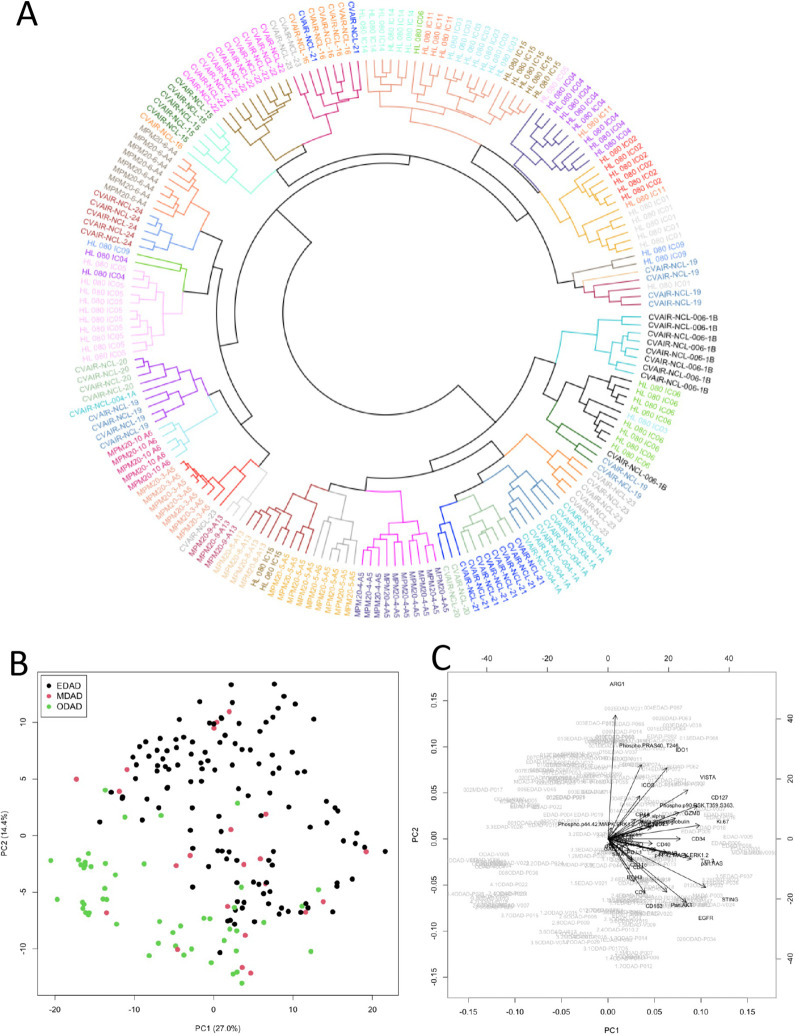
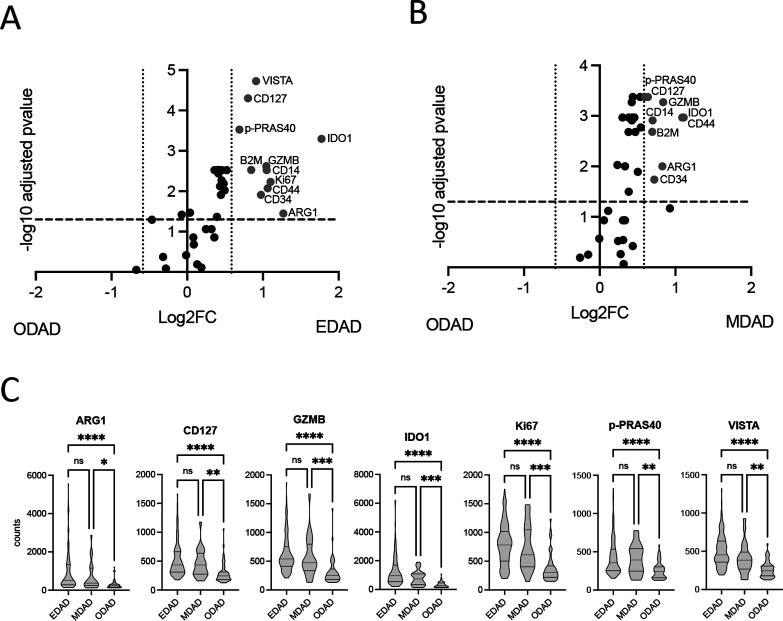
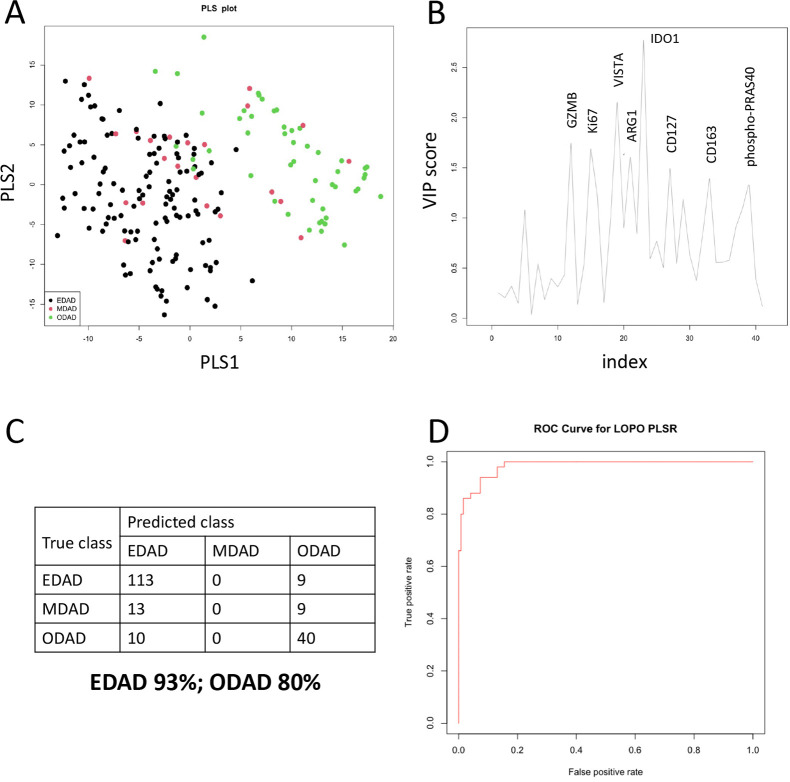
Diffuse alveolar damage (DAD) is the histological expression of acute respiratory distress syndrome and characterises lung pathology due to infection with SARS-CoV-2, and other respiratory pathogens of clinical significance. DAD reflects a time-dependent immunopathological process, progressing from an early/exudative stage through to an organising/fibrotic stage, yet within an individual these different stages of DAD may coexist. Understanding the progression of DAD is central to the development of new therapeutics to limit progressive lung damage. Here, we applied highly multiplexed spatial protein profiling to autopsy lung tissues derived from 27 patients who died from COVID-19 and identified a protein signature (ARG1, CD127, GZMB, IDO1, Ki67, phospho-PRAS40 (T246) and VISTA) that distinguishes early DAD from late DAD with good predictive accuracy. These proteins warrant further investigation as potential regulators of DAD progression.
弥漫性肺泡损伤(DAD)是急性呼吸窘迫综合征的组织学表现,其特征是感染 SARS-CoV-2 以及其他具有临床意义的呼吸道病原体后的肺部病理改变。DAD 反映了一个时间依赖性的免疫病理过程,从早期/渗出期进展到机化/纤维化期,但在个体中,这些不同阶段的 DAD 可能同时存在。了解 DAD 的进展对于开发新的治疗方法以限制进行性肺损伤至关重要。在这里,我们应用高多重化的空间蛋白质分析方法对 27 名死于 COVID-19 的患者的尸检肺组织进行了分析,确定了一个蛋白标志物(ARG1、CD127、GZMB、IDO1、Ki67、磷酸化-PRAS40(T246)和 VISTA),可准确地区分早期 DAD 和晚期 DAD。这些蛋白标志物值得进一步研究,以作为 DAD 进展的潜在调控因子。