Department of Critical Care Medicine, Cumming School of Medicine, University of Calgary, Calgary, Alberta, Canada.
Snyder Institute for Chronic Diseases, Cumming School of Medicine, University of Calgary, Calgary, Alberta, Canada.
Nat Med. 2023 Apr;29(4):1017-1027. doi: 10.1038/s41591-023-02243-5. Epub 2023 Mar 9.
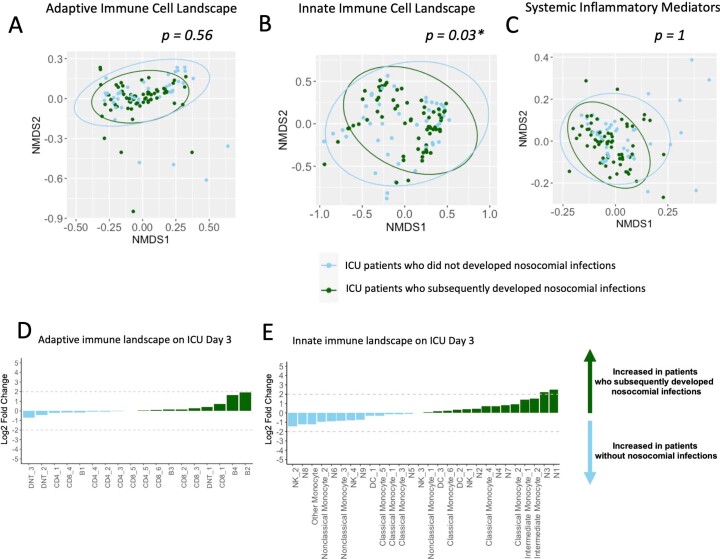
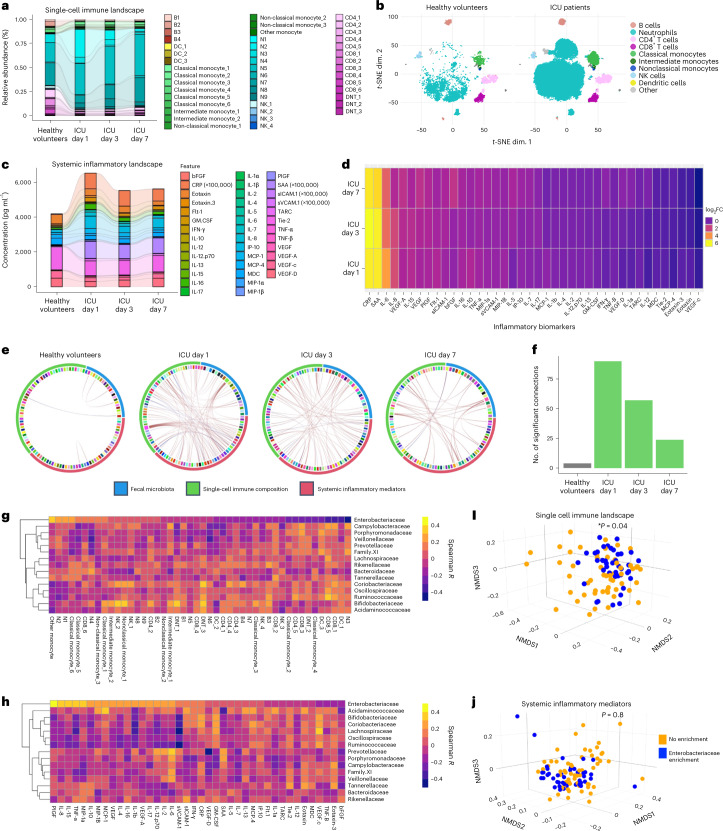
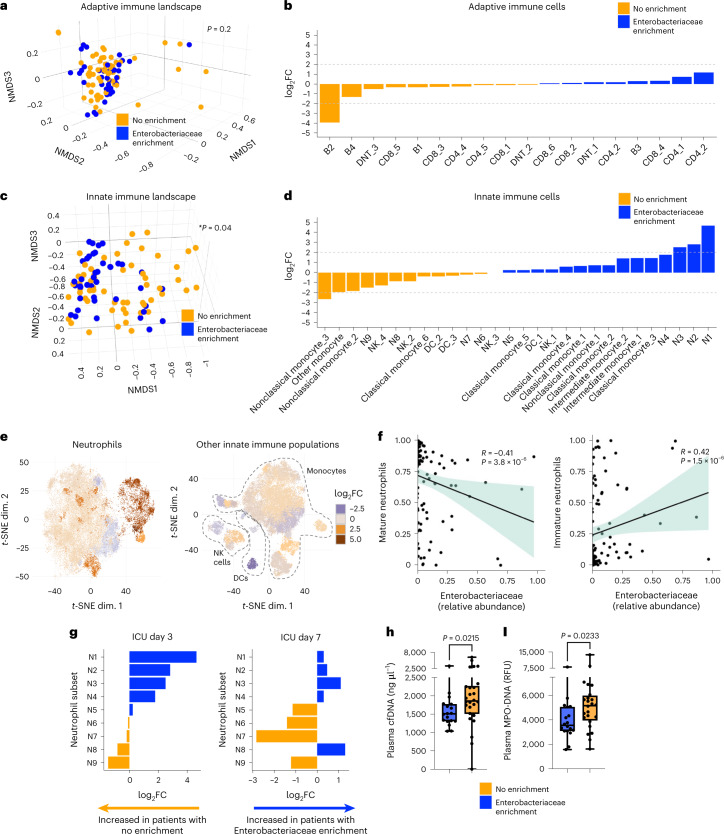
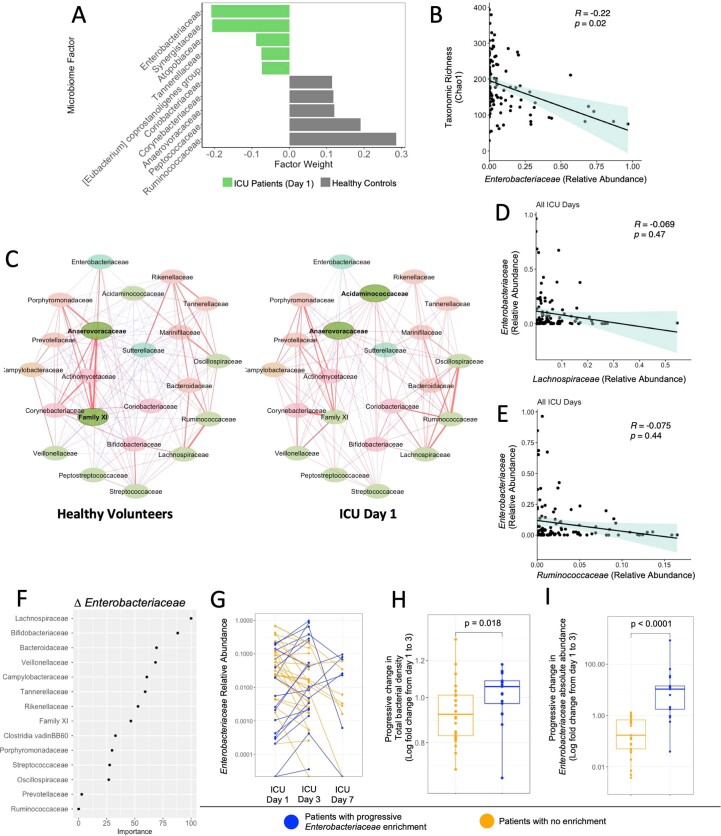
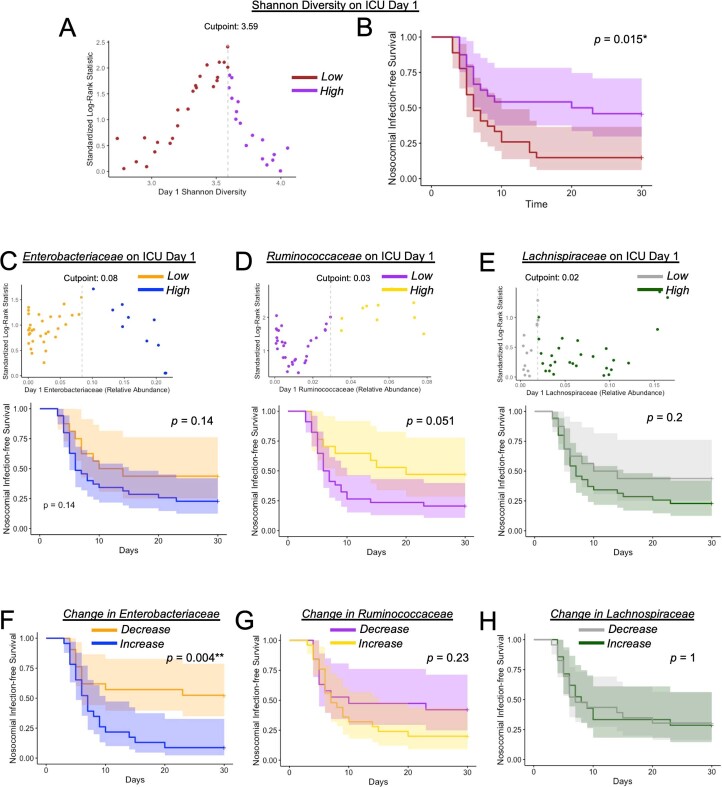
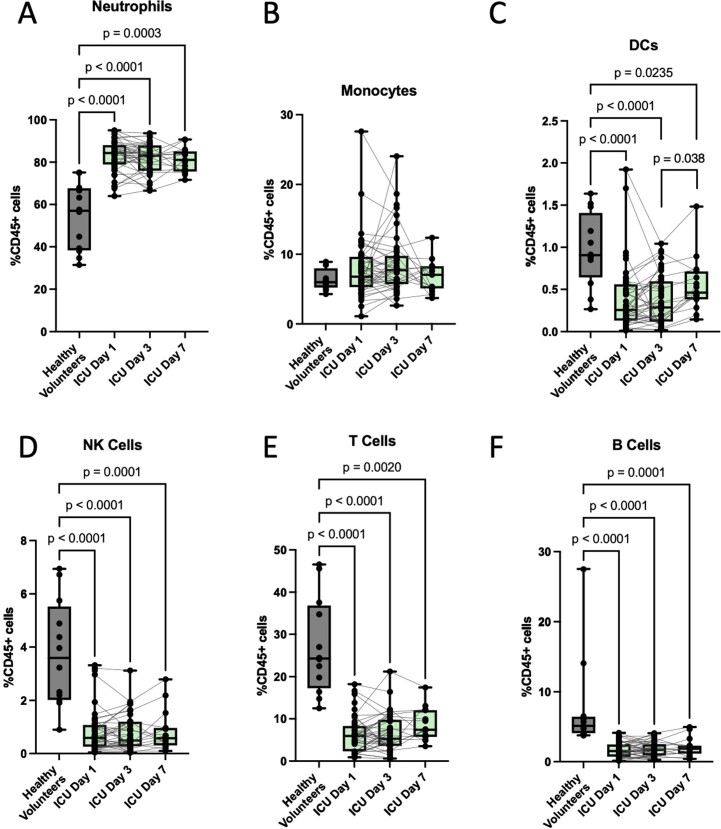
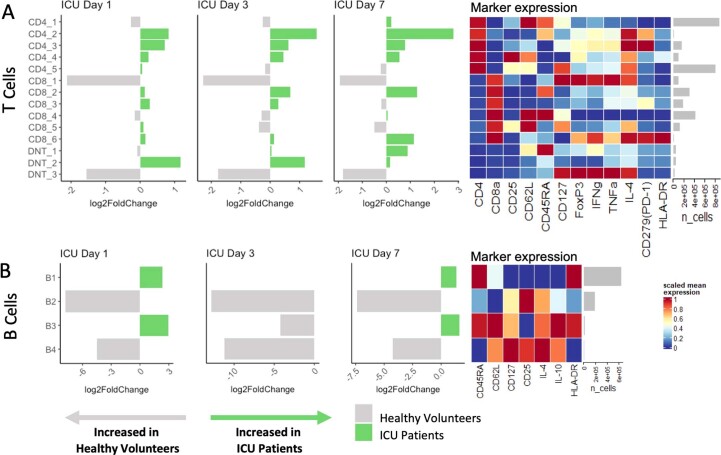
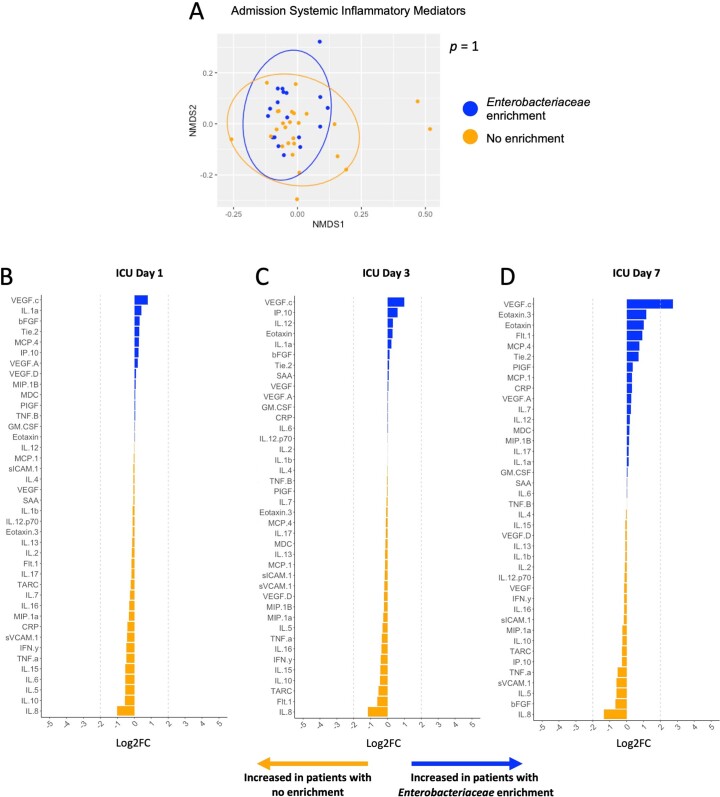
Critically ill patients in intensive care units experience profound alterations of their gut microbiota that have been linked to a high risk of hospital-acquired (nosocomial) infections and adverse outcomes through unclear mechanisms. Abundant mouse and limited human data suggest that the gut microbiota can contribute to maintenance of systemic immune homeostasis, and that intestinal dysbiosis may lead to defects in immune defense against infections. Here we use integrated systems-level analyses of fecal microbiota dynamics in rectal swabs and single-cell profiling of systemic immune and inflammatory responses in a prospective longitudinal cohort study of critically ill patients to show that the gut microbiota and systemic immunity function as an integrated metasystem, where intestinal dysbiosis is coupled to impaired host defense and increased frequency of nosocomial infections. Longitudinal microbiota analysis by 16s rRNA gene sequencing of rectal swabs and single-cell profiling of blood using mass cytometry revealed that microbiota and immune dynamics during acute critical illness were highly interconnected and dominated by Enterobacteriaceae enrichment, dysregulated myeloid cell responses and amplified systemic inflammation, with a lesser impact on adaptive mechanisms of host defense. Intestinal Enterobacteriaceae enrichment was coupled with impaired innate antimicrobial effector responses, including hypofunctional and immature neutrophils and was associated with an increased risk of infections by various bacterial and fungal pathogens. Collectively, our findings suggest that dysbiosis of an interconnected metasystem between the gut microbiota and systemic immune response may drive impaired host defense and susceptibility to nosocomial infections in critical illness.
重症监护病房的危重病患者经历其肠道微生物组的深刻改变,这些改变通过不清楚的机制与医院获得性(院内)感染和不良结局的高风险相关。丰富的老鼠和有限的人类数据表明,肠道微生物组可以有助于维持全身免疫稳态,并且肠道菌群失调可能导致对感染的免疫防御缺陷。在这里,我们使用直肠拭子粪便微生物组动态的综合系统水平分析和全身性免疫和炎症反应的单细胞分析,在一项对危重病患者的前瞻性纵向队列研究中,表明肠道微生物组和全身免疫系统作为一个集成的元系统,肠道菌群失调与宿主防御受损和医院获得性感染的频率增加相关。通过直肠拭子的 16s rRNA 基因测序的纵向微生物组分析和使用质谱流式细胞术的血液单细胞分析表明,急性危重病期间的微生物组和免疫动力学高度相互关联,以肠杆菌科富集、失调的髓样细胞反应和放大的全身炎症为特征,对宿主防御的适应性机制的影响较小。肠道肠杆菌科富集与先天抗菌效应器反应受损有关,包括功能失调和不成熟的中性粒细胞,并且与各种细菌和真菌病原体感染的风险增加相关。总之,我们的研究结果表明,肠道微生物组和全身免疫反应之间相互关联的元系统的失调可能导致宿主防御受损和易患危重病中的医院获得性感染。