Areny-Balagueró Aina, Solé-Porta Anna, Camprubí-Rimblas Marta, Campaña-Duel Elena, Ceccato Adrián, Roig Anna, Closa Daniel, Artigas Antonio
Institut d'Investigació i Innovació Parc Taulí (I3PT), Parc Taulí Hospital Universitari, 08208, Sabadell, Spain.
Universitat Autònoma de Barcelona, 08193, Bellaterra, Spain.
Intensive Care Med Exp. 2023 Mar 10;11(1):11. doi: 10.1186/s40635-023-00491-w.
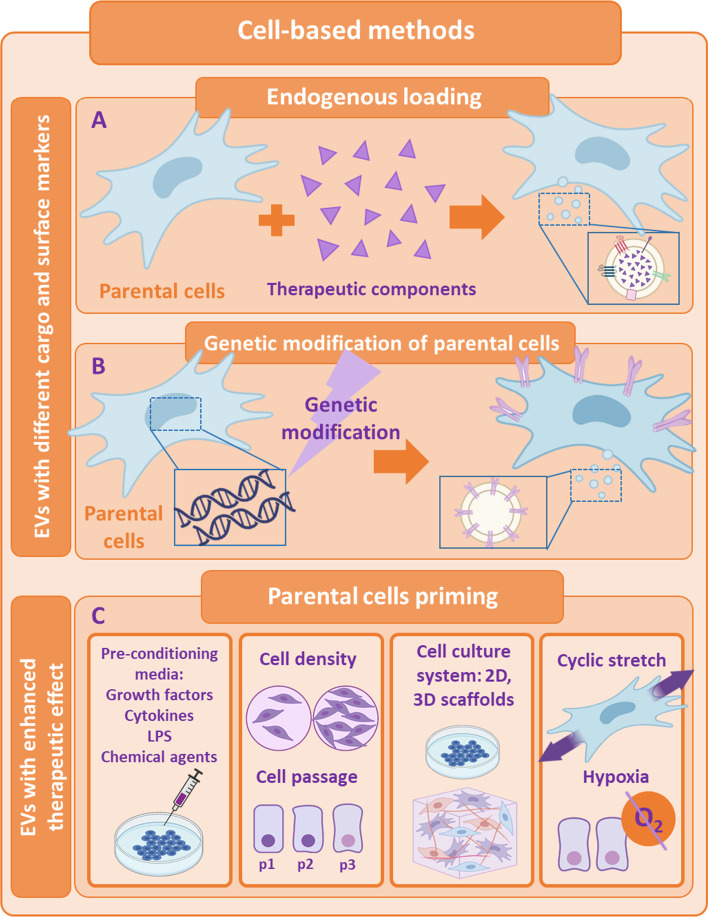
Sepsis is a syndromic response to infection and is frequently a final common pathway to death from many infectious diseases worldwide. The complexity and high heterogeneity of sepsis hinder the possibility to treat all patients with the same protocol, requiring personalized management. The versatility of extracellular vesicles (EVs) and their contribution to sepsis progression bring along promises for one-to-one tailoring sepsis treatment and diagnosis. In this article, we critically review the endogenous role of EVs in sepsis progression and how current advancements have improved EVs-based therapies toward their translational future clinical application, with innovative strategies to enhance EVs effect. More complex approaches, including hybrid and fully synthetic nanocarriers that mimic EVs, are also discussed. Several pre-clinical and clinical studies are examined through the review to offer a general outlook of the current and future perspectives of EV-based sepsis diagnosis and treatment.
脓毒症是对感染的一种综合征反应,并且常常是全球许多传染病致死的最终共同途径。脓毒症的复杂性和高度异质性阻碍了采用相同方案治疗所有患者的可能性,需要个性化管理。细胞外囊泡(EVs)的多功能性及其对脓毒症进展的作用为一对一量身定制脓毒症治疗和诊断带来了希望。在本文中,我们批判性地回顾了细胞外囊泡在脓毒症进展中的内源性作用,以及当前的进展如何改善了基于细胞外囊泡的疗法以实现其未来的临床转化应用,并探讨了增强细胞外囊泡效应的创新策略。还讨论了更复杂的方法,包括模拟细胞外囊泡的混合和全合成纳米载体。通过综述对多项临床前和临床研究进行了审视,以提供基于细胞外囊泡的脓毒症诊断和治疗的当前及未来前景的总体展望。