Keskin Karakoyun Hilal, Yüksel Şirin K, Amanoglu Ilayda, Naserikhojasteh Lara, Yeşilyurt Ahmet, Yakıcıer Cengiz, Timuçin Emel, Akyerli Cemaliye B
Department of Biochemistry and Molecular Biology, Institute of Health Sciences, Acibadem Mehmet Ali Aydinlar University, Istanbul, Türkiye.
Department of Biostatistics and Bioinformatics, Institute of Health Sciences, Acibadem Mehmet Ali Aydinlar University, Istanbul, Türkiye.
Front Genet. 2023 Feb 21;14:1052383. doi: 10.3389/fgene.2023.1052383. eCollection 2023.
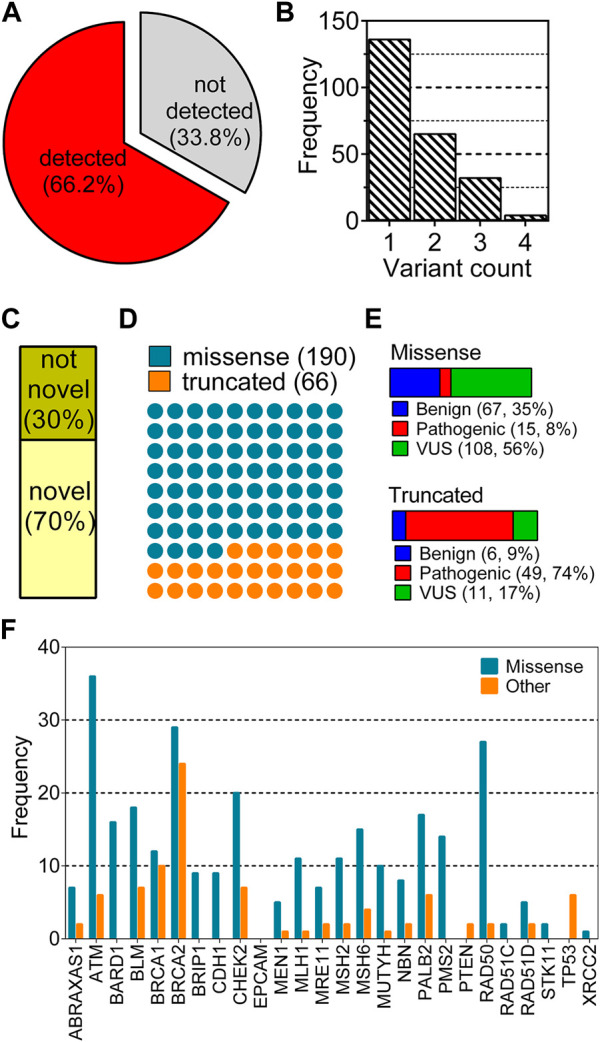
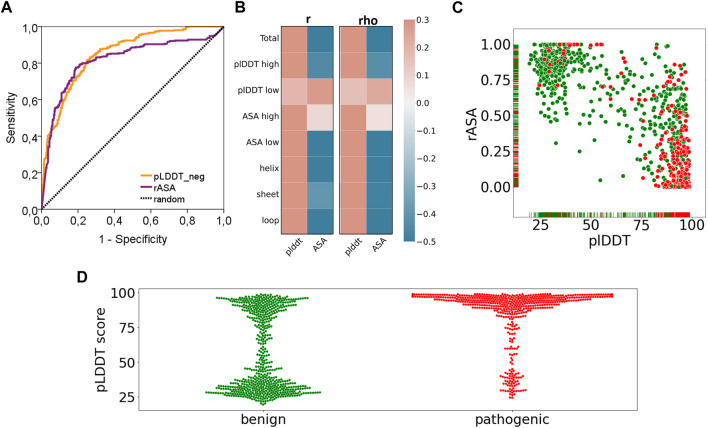
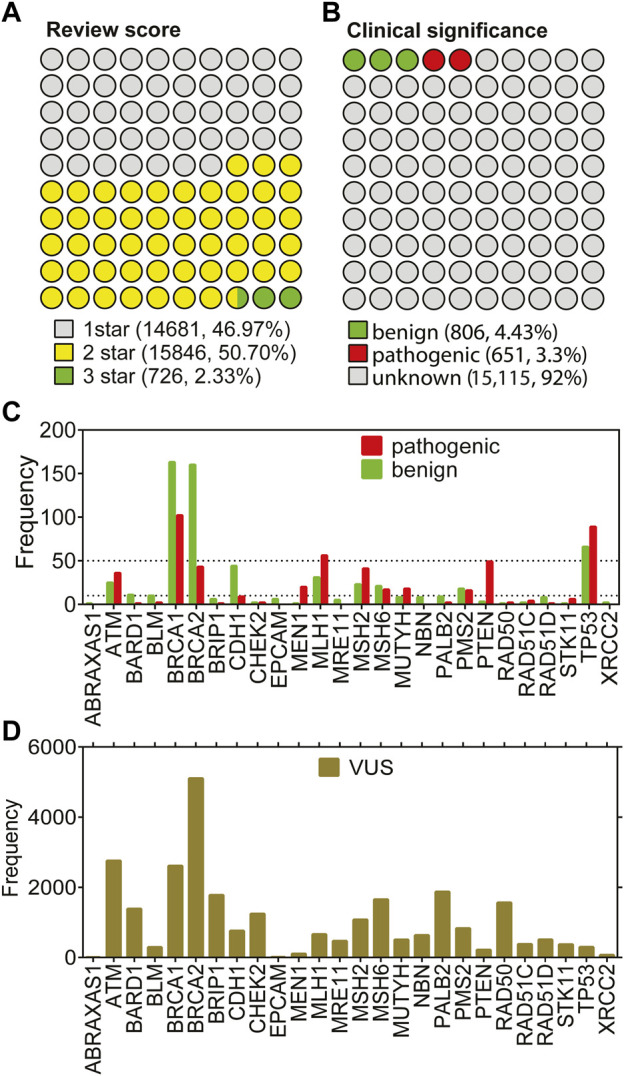
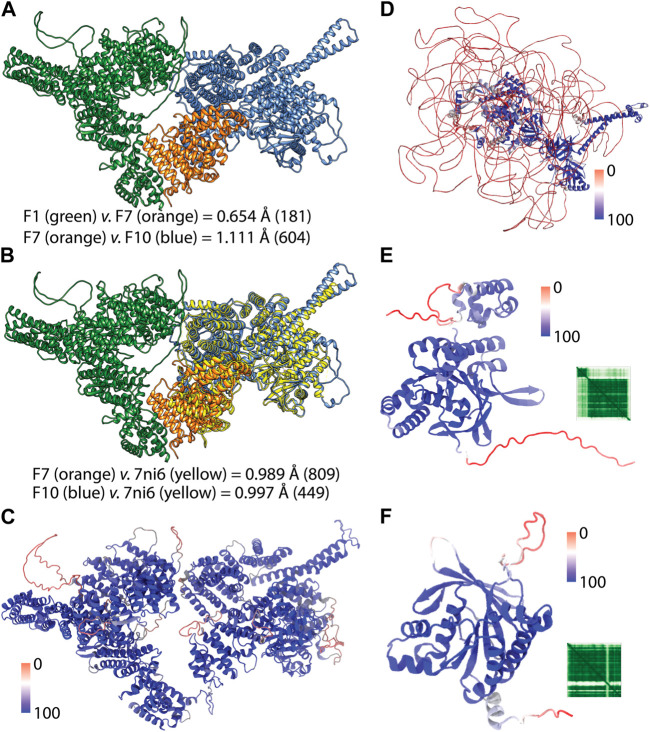
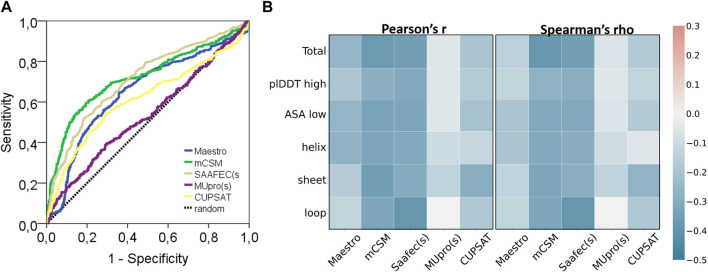
Identifying pathogenic missense variants in hereditary cancer is critical to the efforts of patient surveillance and risk-reduction strategies. For this purpose, many different gene panels consisting of different number and/or set of genes are available and we are particularly interested in a panel of 26 genes with a varying degree of hereditary cancer risk consisting of , and In this study, we have compiled a collection of the missense variations reported in any of these 26 genes. More than a thousand missense variants were collected from ClinVar and the targeted screen of a breast cancer cohort of 355 patients which contributed to this set with 160 novel missense variations. We analyzed the impact of the missense variations on protein stability by five different predictors including both sequence- (SAAF2EC and MUpro) and structure-based (Maestro, mCSM, CUPSAT) predictors. For the structure-based tools, we have utilized the AlphaFold (AF2) protein structures which comprise the first structural analysis of this hereditary cancer proteins. Our results agreed with the recent benchmarks that computed the power of stability predictors in discriminating the pathogenic variants. Overall, we reported a low-to-medium-level performance for the stability predictors in discriminating pathogenic variants, except MUpro which had an AUROC of 0.534 (95% CI [0.499-0.570]). The AUROC values ranged between 0.614-0.719 for the total set and 0.596-0.682 for the set with high AF2 confidence regions. Furthermore, our findings revealed that the confidence score for a given variant in the AF2 structure could alone predict pathogenicity more robustly than any of the tested stability predictors with an AUROC of 0.852. Altogether, this study represents the first structural analysis of the 26 hereditary cancer genes underscoring 1) the thermodynamic stability predicted from AF2 structures as a moderate and 2) the confidence score of AF2 as a strong descriptor for variant pathogenicity.
识别遗传性癌症中的致病性错义变异对于患者监测和降低风险策略的实施至关重要。为此,有许多不同的基因组合可供选择,这些组合包含不同数量和/或基因集,我们特别关注一个由26个基因组成的组合,这些基因具有不同程度的遗传性癌症风险,包括 以及 。在本研究中,我们收集了这26个基因中任何一个所报道的错义变异。从ClinVar以及对355名乳腺癌患者队列的靶向筛查中收集了一千多个错义变异,该队列贡献了160个新的错义变异。我们通过五种不同的预测因子分析了错义变异对蛋白质稳定性的影响,这些预测因子包括基于序列的(SAAF2EC和MUpro)和基于结构的(Maestro、mCSM、CUPSAT)预测因子。对于基于结构的工具,我们利用了AlphaFold(AF2)蛋白质结构,这是对这些遗传性癌症蛋白质的首次结构分析。我们的结果与最近计算稳定性预测因子区分致病性变异能力的基准一致。总体而言,我们报告说,除了AUROC为0.534(95%CI[0.499 - 0.570])的MUpro外,稳定性预测因子在区分致病性变异方面表现为低到中等水平。总集的AUROC值在0.614 - 0.719之间,具有高AF2置信区域的集合的AUROC值在0.596 - 0.682之间。此外,我们的研究结果表明,AF2结构中给定变异的置信度评分单独预测致病性的能力比任何测试的稳定性预测因子都更强,AUROC为0.852。总之,这项研究代表了对26个遗传性癌症基因的首次结构分析,强调了1)从AF2结构预测的热力学稳定性为中等,以及2)AF2的置信度评分作为变异致病性的强描述符。