Department of Pharmaceutical Sciences, School of Pharmacy, Texas Tech University Health Sciences Center, Amarillo, TX, 79106, USA.
Fluids Barriers CNS. 2023 Mar 10;20(1):17. doi: 10.1186/s12987-023-00416-5.
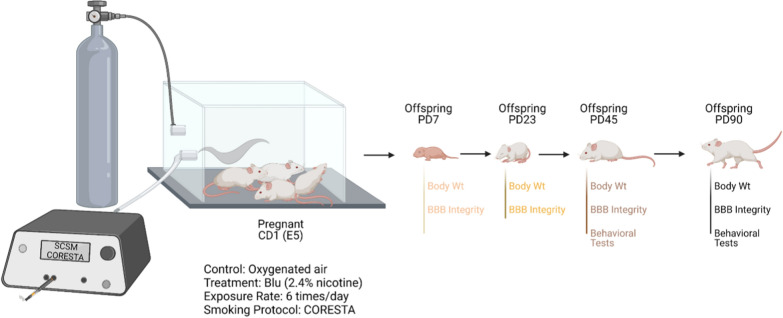
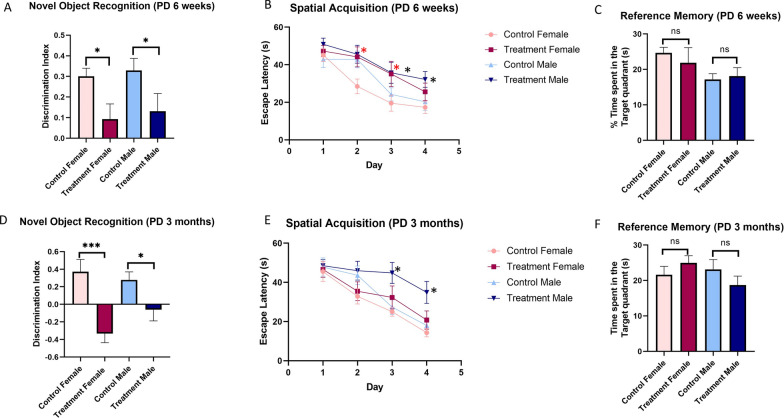
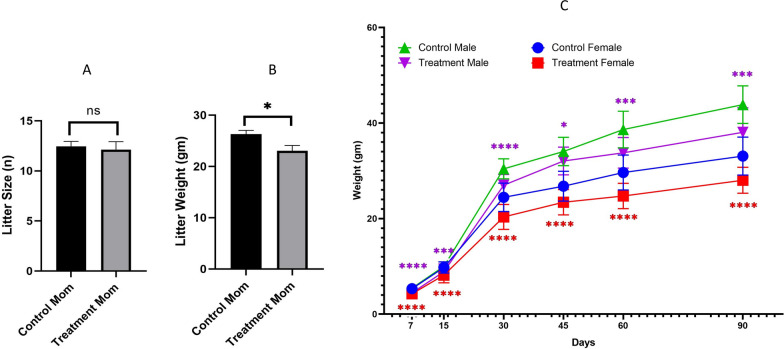
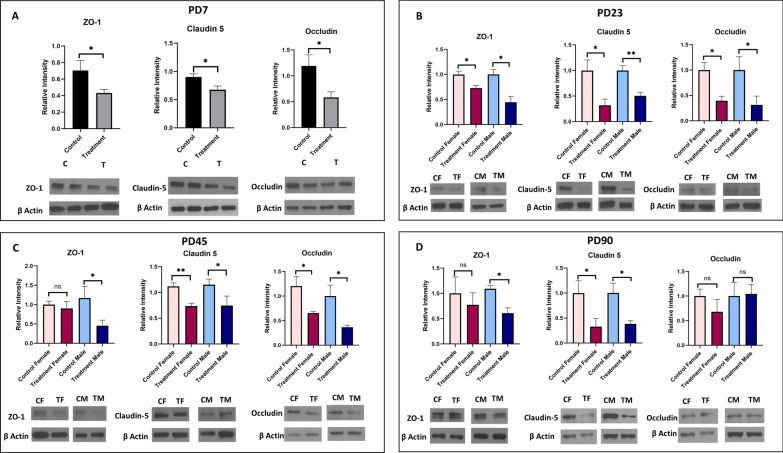
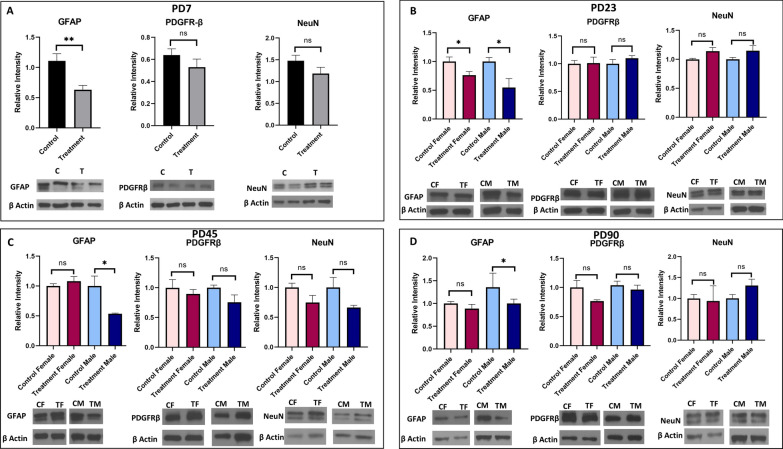
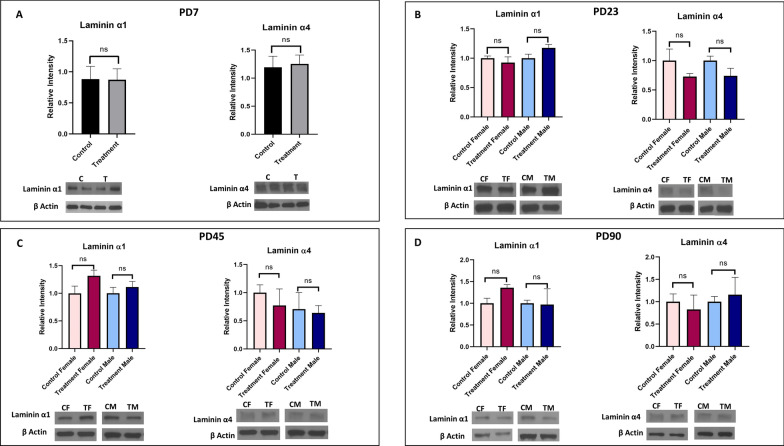
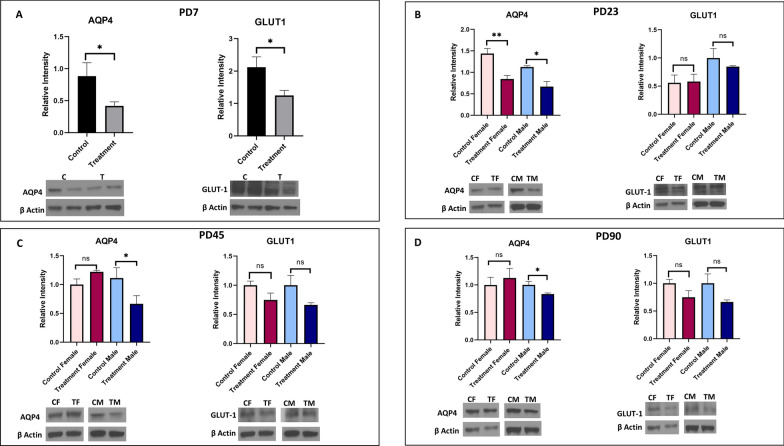
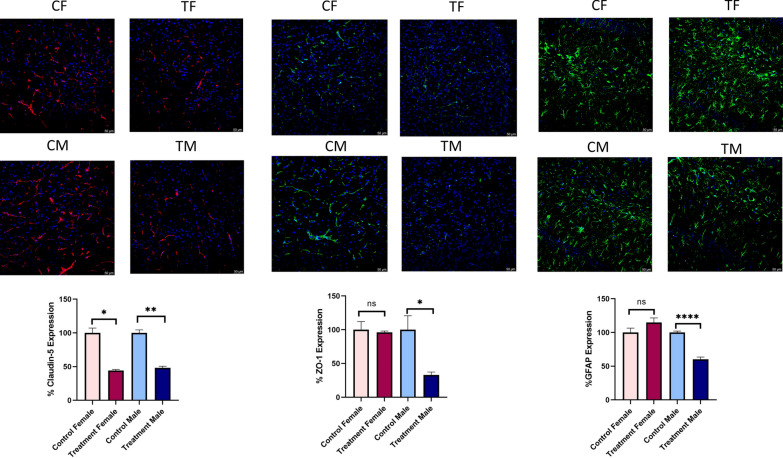
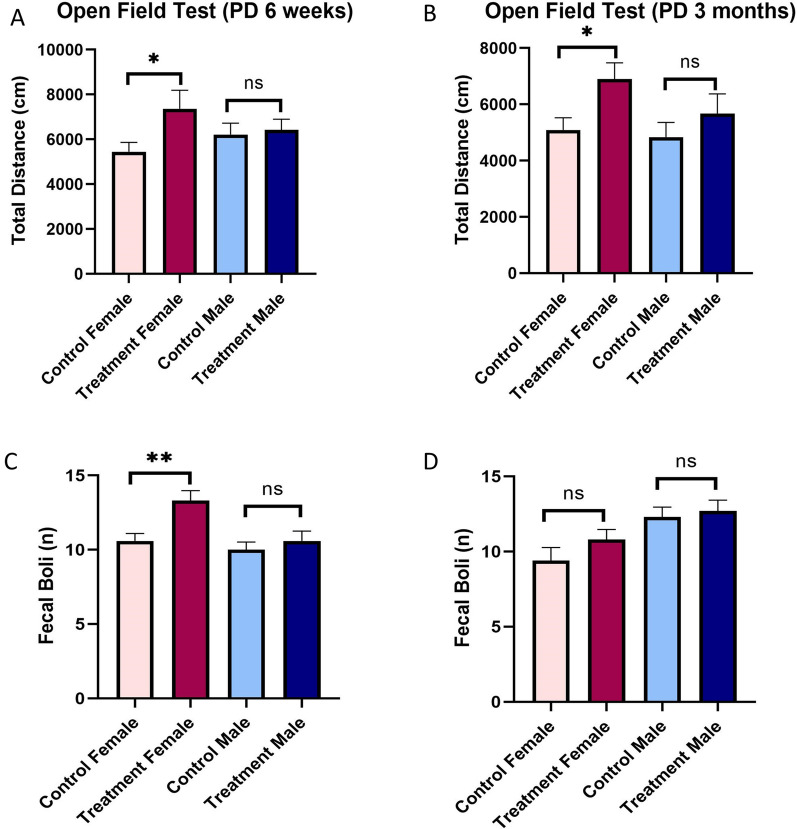
Electronic nicotine delivery systems (ENDS), also commonly known as electronic cigarettes (e-cigs) are considered in most cases as a safer alternative to tobacco smoking and therefore have become extremely popular among all age groups and sex. It is estimated that up to 15% of pregnant women are now using e-cigs in the US which keeps increasing at an alarming rate. Harmful effects of tobacco smoking during pregnancy are well documented for both pregnancy and postnatal health, however limited preclinical and clinical studies exist to evaluate the long-term effects of prenatal e-cig exposure on postnatal health. Therefore, the aim of our study is to evaluate the effect of maternal e-cig use on postnatal blood-brain barrier (BBB) integrity and behavioral outcomes of mice of varying age and sex. In this study, pregnant CD1 mice (E5) were exposed to e-Cig vapor (2.4% nicotine) until postnatal day (PD) 7. Weight of the offspring was measured at PD0, PD7, PD15, PD30, PD45, PD60 and PD90. The expression of structural elements of the BBB, tight junction proteins (ZO-1, claudin-5, occludin), astrocytes (GFAP), pericytes (PDGFRβ) and the basement membrane (laminin α1, laminin α4), neuron specific marker (NeuN), water channel protein (AQP4) and glucose transporter (GLUT1) were analyzed in both male and female offspring using western blot and immunofluorescence. Estrous cycle was recorded by vaginal cytology method. Long-term motor and cognitive functions were evaluated using open field test (OFT), novel object recognition test (NORT) and morris water maze test (MWMT) at adolescence (PD 40-45) and adult (PD 90-95) age. In our study, significantly reduced expression of tight junction proteins and astrocyte marker were observed in male and female offspring until PD 90 (P < 0.05). Additionally, prenatally e-cig exposed adolescent and adult offspring showed impaired locomotor, learning, and memory function compared to control offspring (P < 0.05). Our findings suggest that prenatal e-cig exposure induces long-term neurovascular changes of neonates by disrupting postnatal BBB integrity and worsening behavioral outcomes.
电子尼古丁输送系统(ENDS),通常也称为电子烟,在大多数情况下被认为是比吸烟更安全的选择,因此在所有年龄段和性别中都非常受欢迎。据估计,目前美国有多达 15%的孕妇在使用电子烟,而且这一数字还在以惊人的速度增长。吸烟对怀孕和产后健康的有害影响已有充分记录,但目前只有有限的临床前和临床研究来评估产前电子烟暴露对产后健康的长期影响。因此,我们的研究目的是评估母体电子烟使用对不同年龄和性别的幼鼠产后血脑屏障(BBB)完整性和行为结果的影响。在这项研究中,妊娠 CD1 小鼠(E5)在产后第 7 天(PD)前暴露于电子烟蒸气(2.4%尼古丁)。在 PD0、PD7、PD15、PD30、PD45、PD60 和 PD90 时测量后代的体重。使用蛋白质印迹和免疫荧光法分析雄性和雌性后代 BBB 的结构元素、紧密连接蛋白(ZO-1、claudin-5、occludin)、星形胶质细胞(GFAP)、周细胞(PDGFRβ)和基底膜(层粘连蛋白α1、层粘连蛋白α4)、神经元特异性标志物(NeuN)、水通道蛋白(AQP4)和葡萄糖转运蛋白(GLUT1)的表达。通过阴道细胞学方法记录发情周期。在青春期(PD40-45)和成年期(PD90-95),使用旷场试验(OFT)、新物体识别试验(NORT)和 Morris 水迷宫试验(MWMT)评估长期运动和认知功能。在我们的研究中,直到 PD90 时,雄性和雌性后代的紧密连接蛋白和星形胶质细胞标志物的表达明显降低(P<0.05)。此外,与对照组后代相比,产前电子烟暴露的青春期和成年期后代表现出运动、学习和记忆功能受损(P<0.05)。我们的研究结果表明,产前电子烟暴露通过破坏产后 BBB 完整性和恶化行为结果,导致新生儿长期神经血管变化。