Department of Obstetrics and Gynecology, Seoul National University College of Medicine, Seoul, Republic of Korea.
Department of Obstetrics and Gynecology, Seoul National University Bundang Hospital, Gyeonggi-do, Republic of Korea.
Sci Rep. 2023 Mar 21;13(1):4652. doi: 10.1038/s41598-023-31049-1.
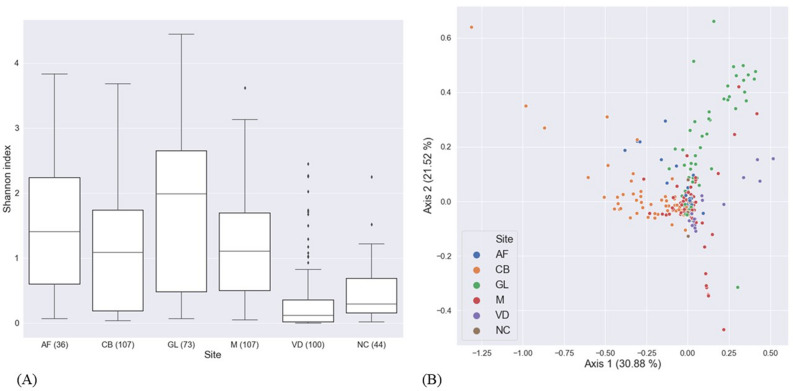
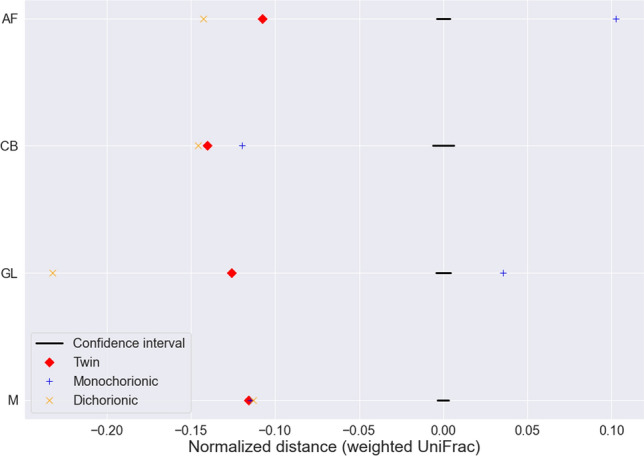
In this study, we aimed to comprehensively characterize the microbiomes of various samples from pregnant women and their neonates, and to explore the similarities and associations between mother-neonate pairs, sample collection sites, and obstetrical factors. We collected samples from vaginal discharge and amniotic fluid in pregnant women and umbilical cord blood, gastric liquid, and meconium from neonates. We identified 19,597,239 bacterial sequences from 641 samples of 141 pregnant women and 178 neonates. By applying rigorous filtering criteria to remove contaminants, we found evidence of microbial colonization in traditionally considered sterile intrauterine environments and the fetal gastrointestinal track. The microbiome distribution was strongly grouped by sample collection site, rather than the mother-neonate pairs. The distinct bacterial composition in meconium, the first stool passed by newborns, supports that microbial colonization occurs during normal pregnancy. The microbiome in neonatal gastric liquid was similar, but not identical, to that in maternal amnionic fluid, as expected since fetuses swallow amnionic fluid in utero and their urine returns to the fluid under normal physiological conditions. Establishing a microbiome library from various samples formed only during pregnancy is crucial for understanding human development and identifying microbiome modifications in obstetrical complications.
在这项研究中,我们旨在全面描述孕妇及其新生儿的各种样本中的微生物组,并探索母婴对、样本采集部位和产科因素之间的相似性和关联。我们从孕妇的阴道分泌物和羊水以及新生儿的脐带血、胃液和胎粪中采集样本。我们从 141 名孕妇和 178 名新生儿的 641 个样本中鉴定出了 19,597,239 个细菌序列。通过应用严格的过滤标准去除污染物,我们在传统上被认为是无菌的子宫内环境和胎儿胃肠道中发现了微生物定植的证据。微生物组的分布主要由样本采集部位决定,而不是母婴对。新生儿胎粪中独特的细菌组成表明,微生物定植发生在正常妊娠期间。正如预期的那样,新生儿胃液中的微生物组与母体羊水相似,但不完全相同,因为胎儿在子宫内吞咽羊水,而在正常生理条件下,他们的尿液会回到羊水。建立一个仅在怀孕期间形成的各种样本的微生物组文库对于理解人类发育和识别产科并发症中的微生物组改变至关重要。