Wang Xinyu, Liu Tianyi, Qiu Cheng, Yu Shunan, Zhang Yanzhuo, Sheng Yueyang, Wu Chengai
Department of Molecular Orthopaedics, Beijing Research Institute of Traumatology and Orthopaedics, Beijing Jishuitan Hospital, Beijing, China.
Department of Medical Oncology, National Cancer Center/National Clinical Research Center for Cancer/Cancer Hospital, Chinese Academy of Medical Sciences and Peking Union Medical College, Beijing, China.
Front Mol Biosci. 2023 Mar 6;10:1066885. doi: 10.3389/fmolb.2023.1066885. eCollection 2023.
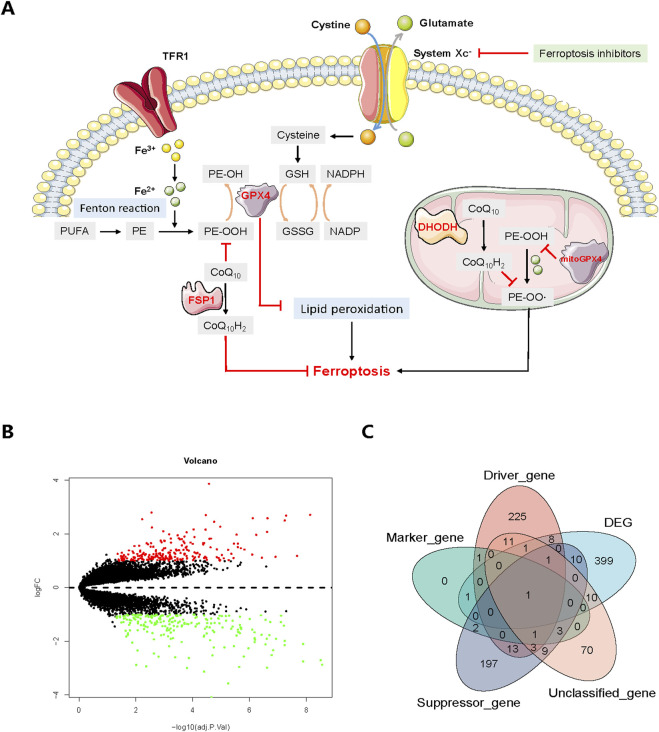
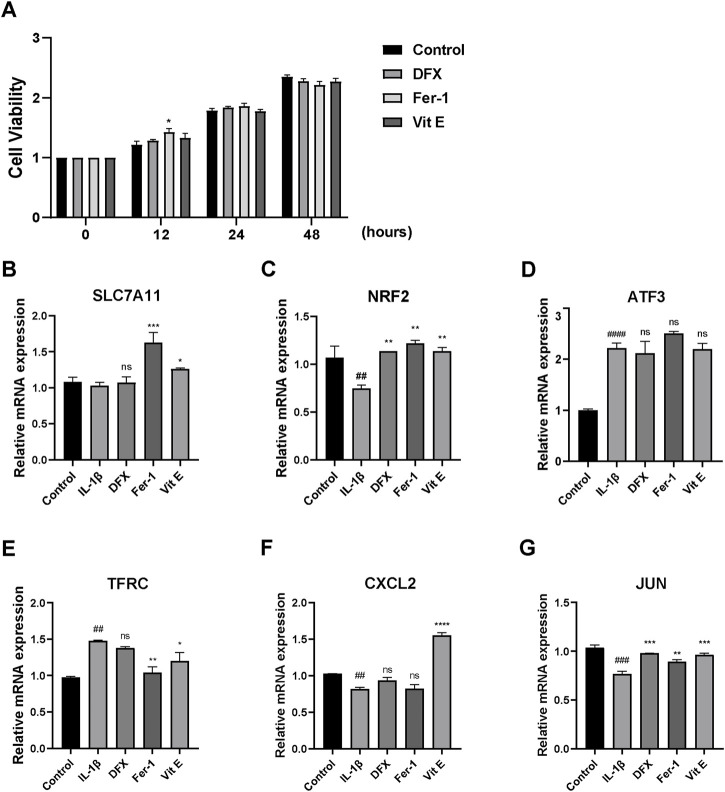
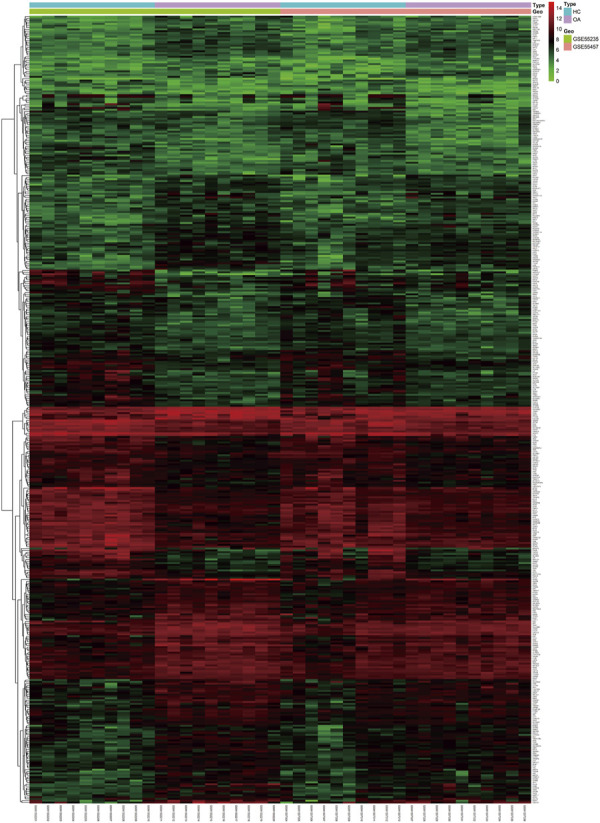
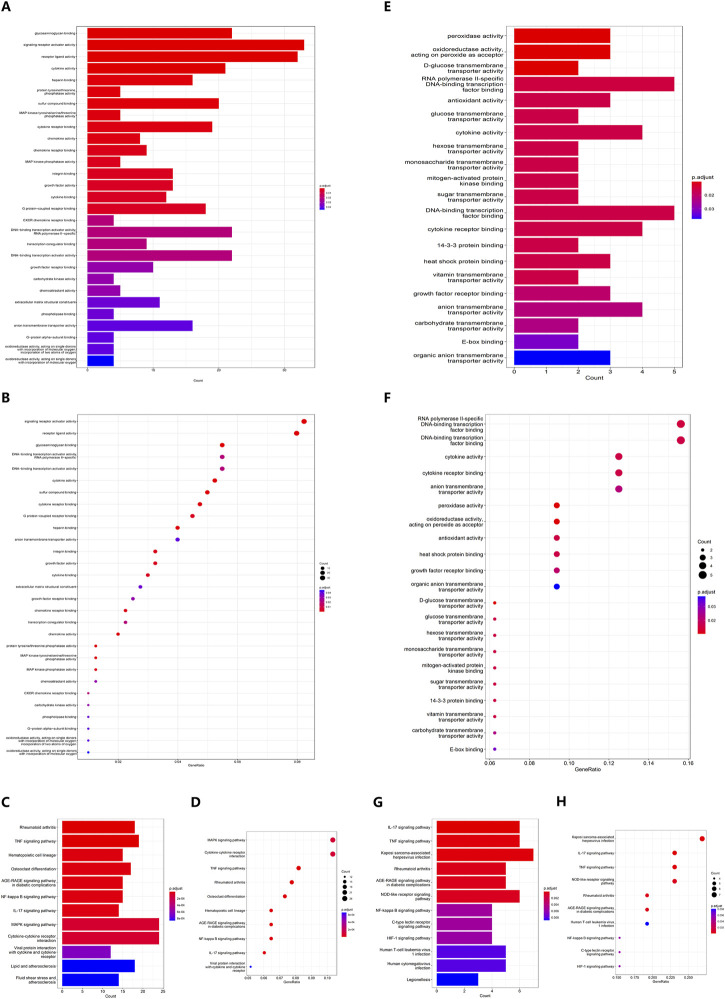
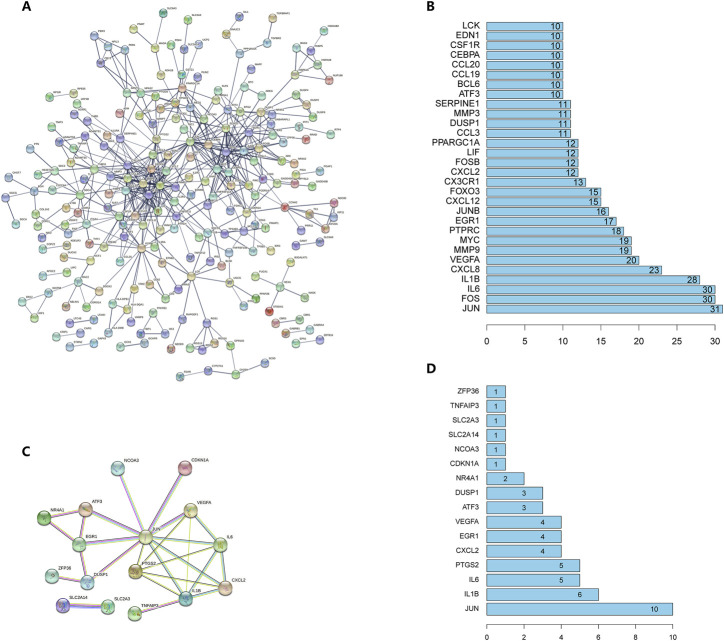
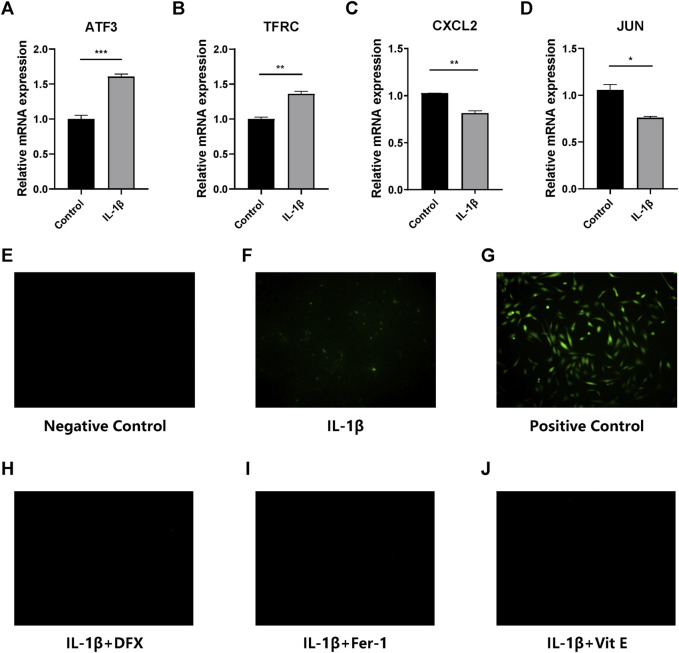
Osteoarthritis (OA), viewing as a degenerative aseptic inflammatory disease, is characterized by joint pain and inflammation that significantly affects the quality of patients' life, especially for the elder. Although rapid progress has been achieved in elucidating the underlying mechanisms of OA occurrence and progression, there is still a lack of effective clinical therapeutics for OA patients. Currently the most common treatments including drug therapy and surgical operations are not very satisfactory in majority of cases, so it is worthy to explore new remedies. During the past few decades, a number of novel forms of regulated cell death have been reported widely, typified by ferroptosis, with its prominent features including reactive oxygen species (ROS) elevation, lipid peroxidation, iron accumulation and glutathione deprivation. Our study was designed to identify the functional roles of differentially expressed ferroptosis-related genes in OA, which were screened out by referring to GEO database bioinformatics analyses. Human chondrocytes were applied to validate the above findings in the scenario of ferroptosis inhibitors administration. Results partially proved the consistency with bioinformatics analyses that ATF3 and TFRC were highly expressed in interleukin-1β (IL-1β)-stimulated chondrocytes whereas CXCL2 and JUN were downregulated. Besides, TFRC was firstly validated to be upregulated in IL-1β-stimulated chondrocytes, which could be reversed by ferroptosis inhibitors. In conclusion, our study reported two prominent ferroptosis-related genes, ATF3 and TFRC are upregulated in IL-1β-stimulated chondrocytes while CXCL2 and JUN are downregulated. And preliminary results demonstrated that TFRC might serve as an accomplice of ferroptosis process in IL-1β-stimulated chondrocytes and ferroptosis inhibitors have the potential to inhibit ROS in IL-1β-stimulated chondrocytes.
骨关节炎(OA)被视为一种退行性无菌性炎症疾病,其特征为关节疼痛和炎症,这严重影响患者的生活质量,尤其是老年人。尽管在阐明OA发生和发展的潜在机制方面已取得快速进展,但对于OA患者仍缺乏有效的临床治疗方法。目前最常见的治疗方法包括药物治疗和外科手术,在大多数情况下效果并不十分令人满意,因此值得探索新的治疗方法。在过去几十年中,多种新型的程序性细胞死亡形式被广泛报道,以铁死亡为代表,其突出特征包括活性氧(ROS)升高、脂质过氧化、铁积累和谷胱甘肽耗竭。我们的研究旨在确定OA中差异表达的铁死亡相关基因的功能作用,这些基因是通过参考基因表达综合数据库(GEO)的生物信息学分析筛选出来的。应用人软骨细胞在给予铁死亡抑制剂的情况下验证上述发现。结果部分证明了与生物信息学分析的一致性,即激活转录因子3(ATF3)和转铁蛋白受体(TFRC)在白细胞介素-1β(IL-1β)刺激的软骨细胞中高表达,而趋化因子配体2(CXCL2)和原癌基因蛋白(JUN)下调。此外,首次验证TFRC在IL-1β刺激的软骨细胞中上调,这可被铁死亡抑制剂逆转。总之,我们的研究报道了两个突出的铁死亡相关基因,ATF3和TFRC在IL-1β刺激的软骨细胞中上调,而CXCL2和JUN下调。初步结果表明,TFRC可能是IL-1β刺激的软骨细胞中铁死亡过程的协同因子,并且铁死亡抑制剂有可能抑制IL-1β刺激的软骨细胞中的ROS。