Department of Algal Development and Evolution, Max Planck Institute for Biology, Max-Planck-Ring 5, 72076, Tübingen, Germany.
Computational Biology Group, Department of Molecular Biology, Max Planck Institute for Biology, Max-Planck-Ring 5, 72076, Tübingen, Germany.
Genome Biol. 2023 Mar 24;24(1):54. doi: 10.1186/s13059-023-02895-z.
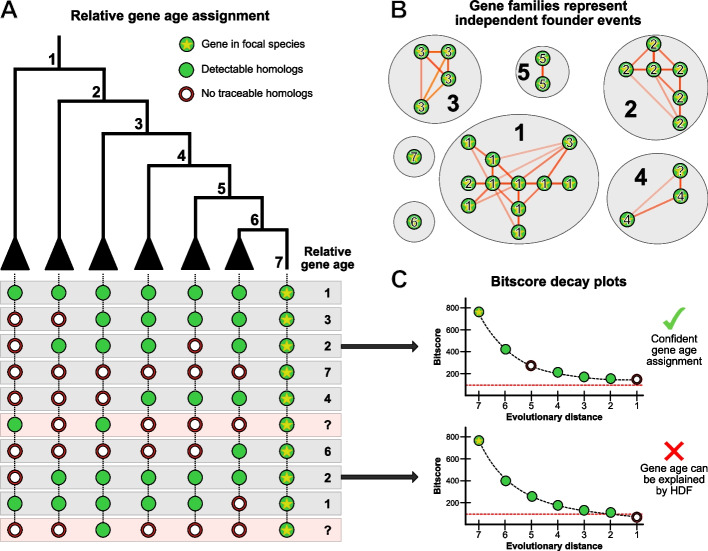
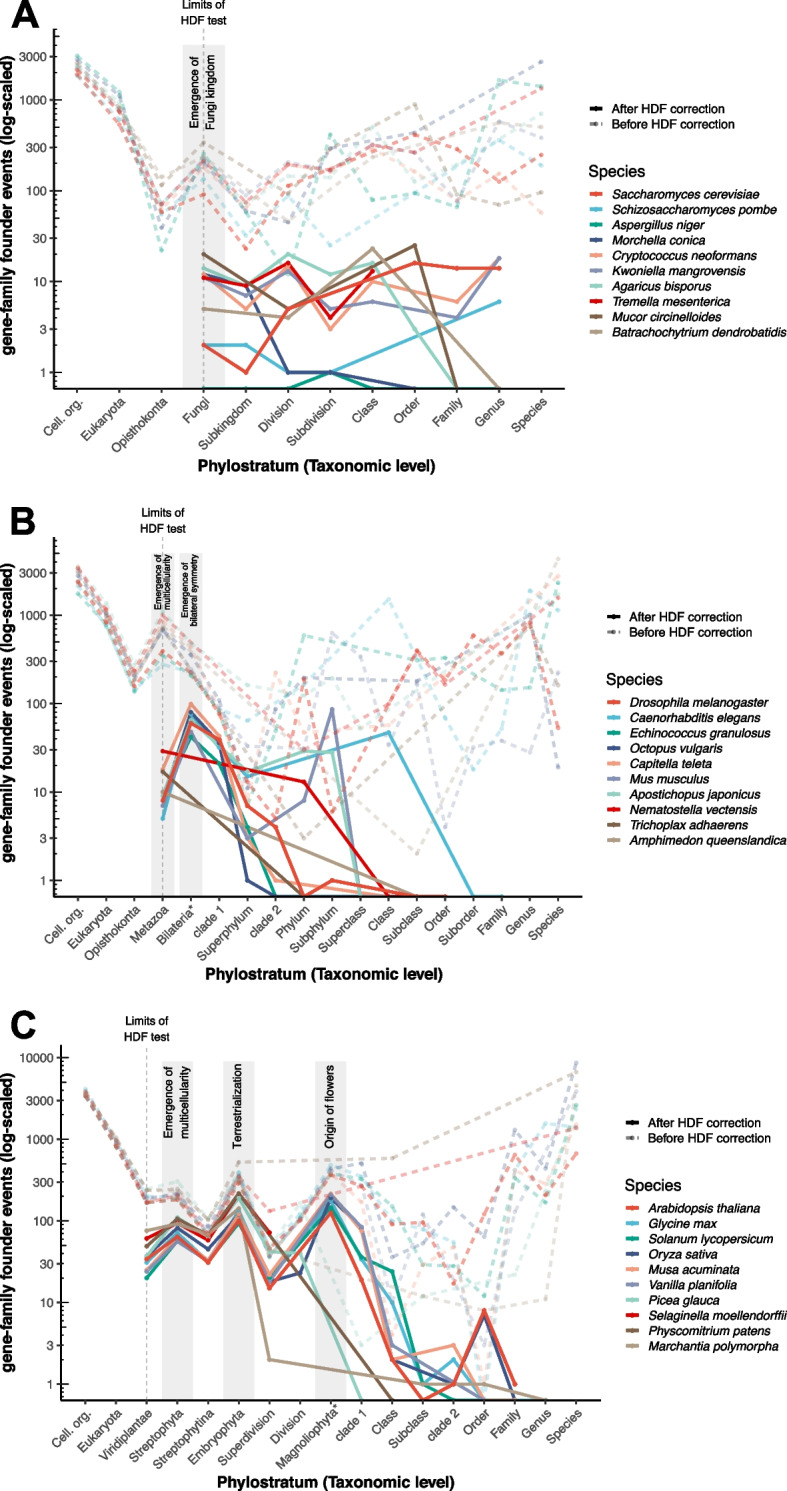
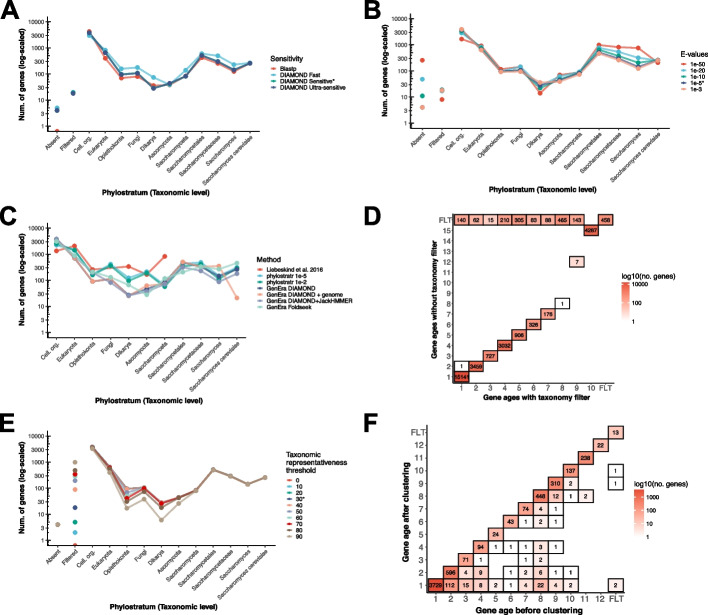
We present GenEra ( https://github.com/josuebarrera/GenEra ), a DIAMOND-fueled gene-family founder inference framework that addresses previously raised limitations and biases in genomic phylostratigraphy, such as homology detection failure. GenEra also reduces computational time from several months to a few days for any genome of interest. We analyze the emergence of taxonomically restricted gene families during major evolutionary transitions in plants, animals, and fungi. Our results indicate that the impact of homology detection failure on inferred patterns of gene emergence is lineage-dependent, suggesting that plants are more prone to evolve novelty through the emergence of new genes compared to animals and fungi.
我们提出了 GenEra(https://github.com/josuebarrera/GenEra),这是一个基于 DIAMOND 的基因家族起源推断框架,解决了基因组系统发生学中先前提出的同源性检测失败等限制和偏差。GenEra 还将任何感兴趣的基因组的计算时间从几个月缩短到几天。我们分析了植物、动物和真菌主要进化转变过程中分类受限基因家族的出现。我们的结果表明,同源性检测失败对推断基因出现模式的影响是谱系依赖性的,这表明与动物和真菌相比,植物更倾向于通过新基因的出现来产生新的特性。