Killinger Bryan A, Mercado Gabriela, Choi Solji, Tittle Tyler, Chu Yaping, Brundin Patrik, Kordower Jeffrey H
Graduate College, Rush University Medical Center, Chicago, IL, 60612, USA.
Parkinson's disease Center, Department of Neurodegenerative Science, Van Andel Institute, Grand Rapids, MI, 49503, USA.
NPJ Parkinsons Dis. 2023 Mar 25;9(1):43. doi: 10.1038/s41531-023-00491-3.
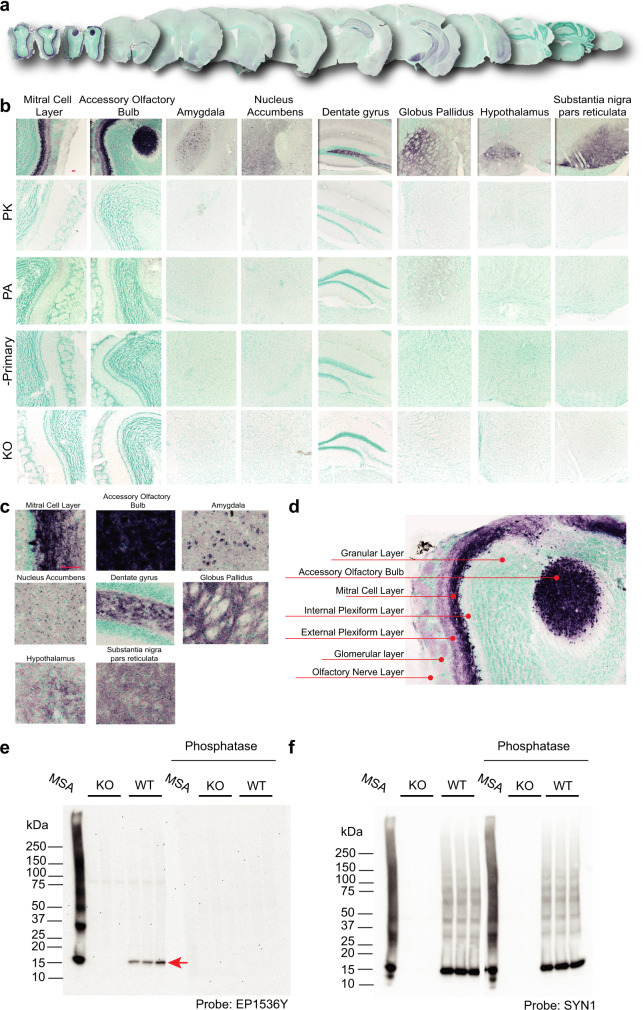
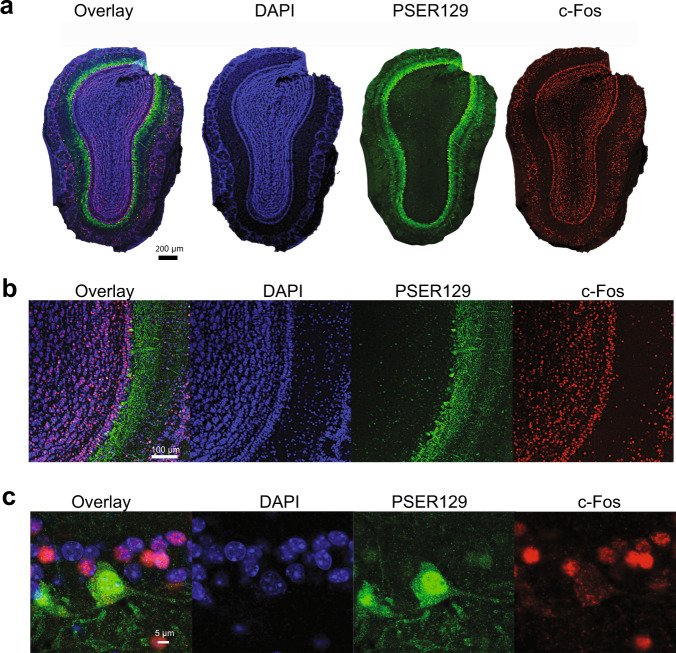
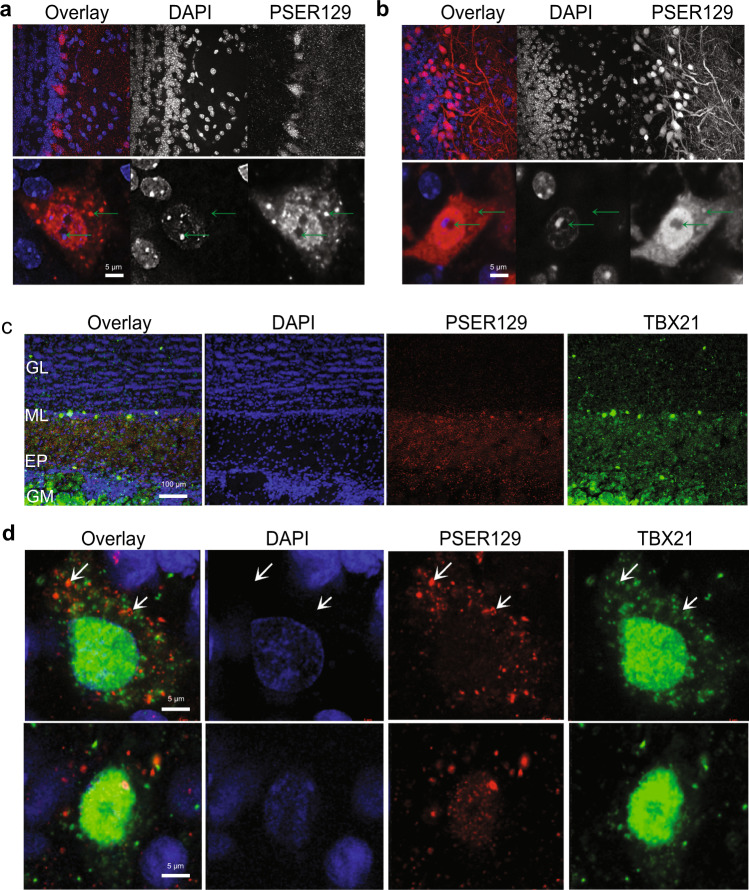
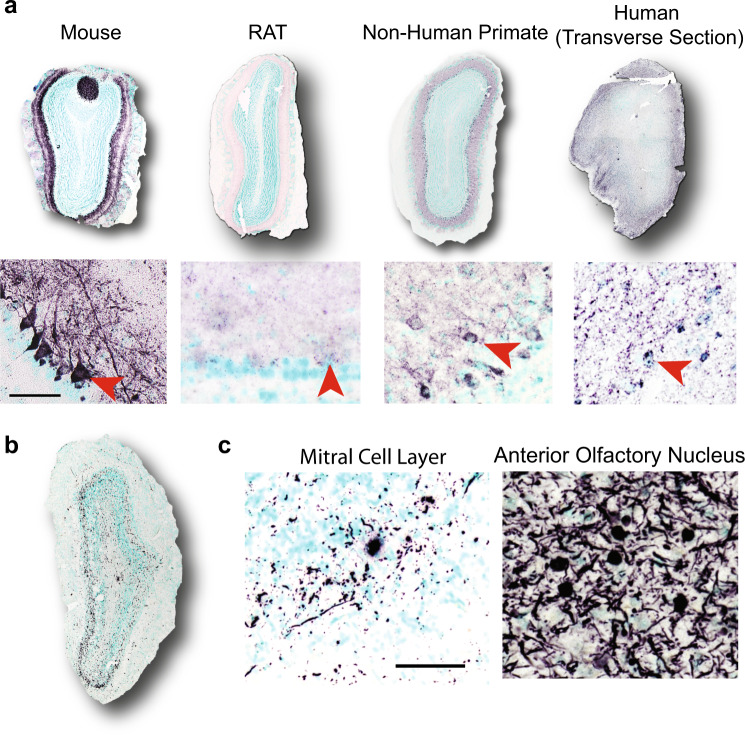
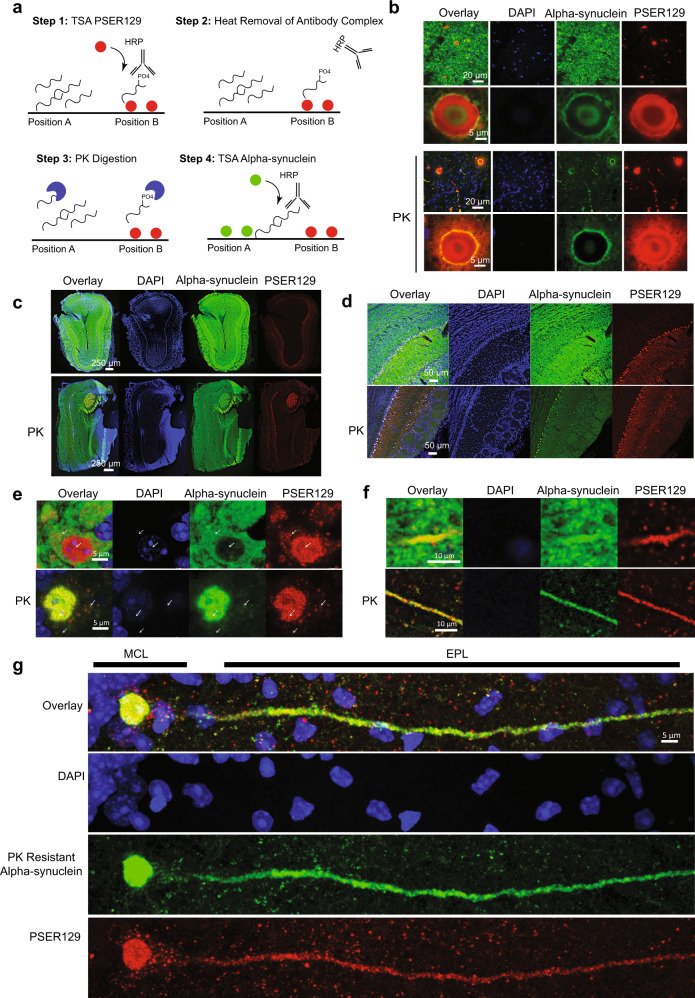
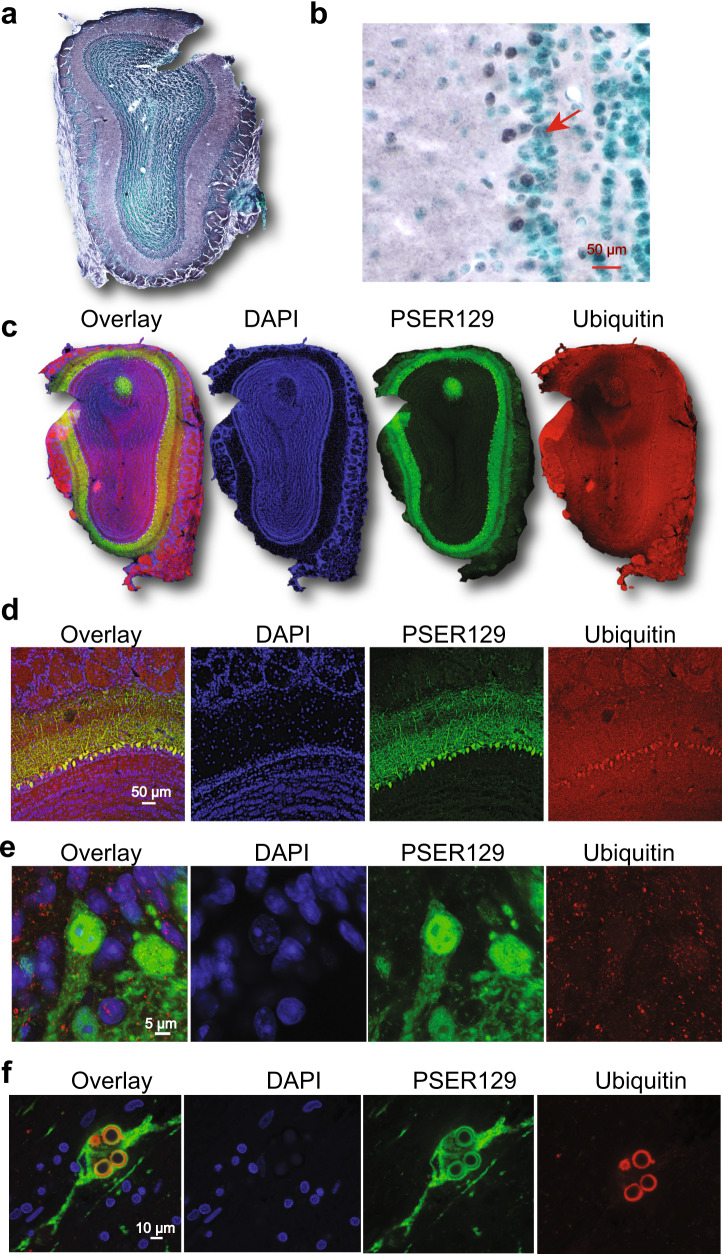
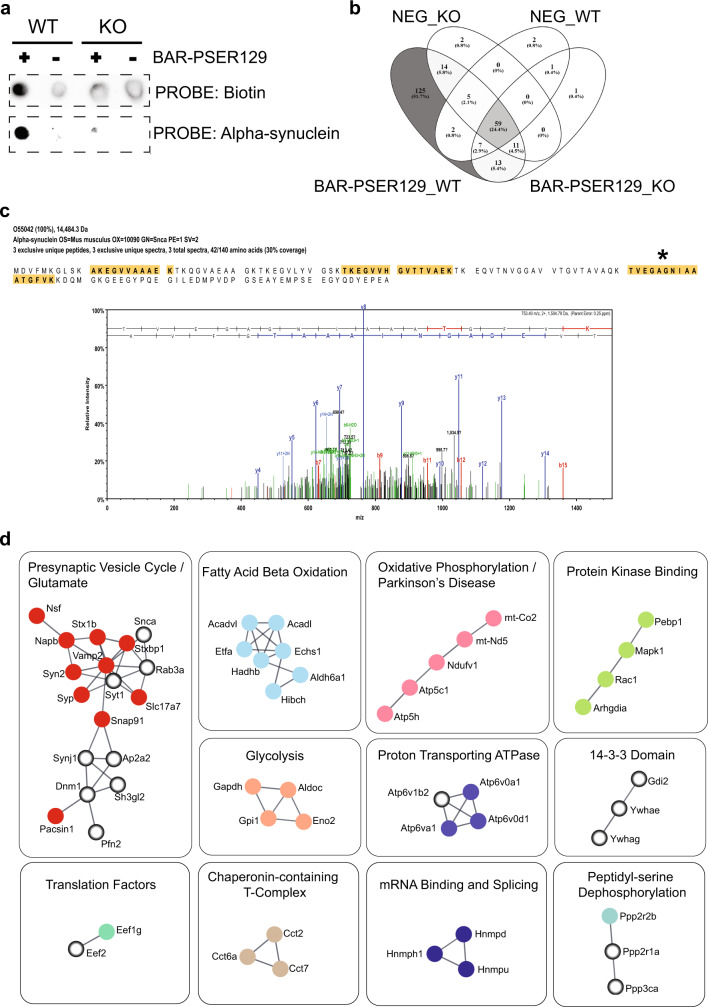
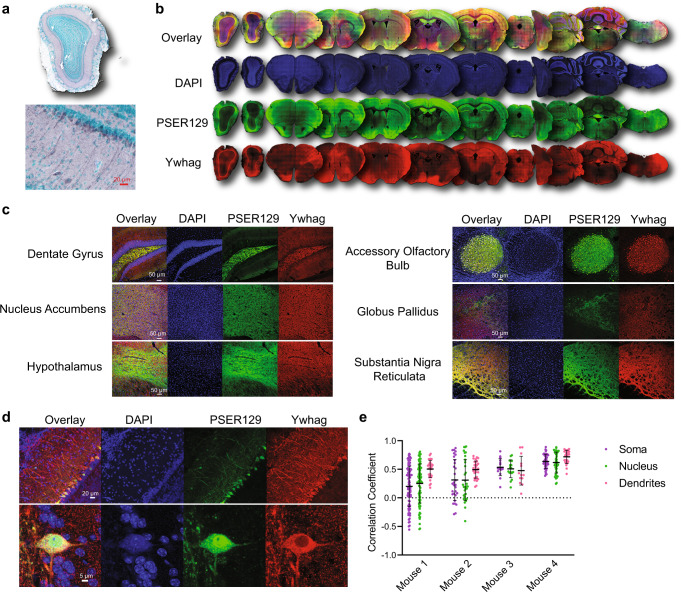
Synucleinopathies are neurodegenerative diseases characterized by pathological inclusions called "Lewy pathology" (LP) that consist of aggregated alpha-synuclein predominantly phosphorylated at serine 129 (PSER129). Despite the importance for understanding disease, little is known about the endogenous function of PSER129 or why it accumulates in the diseased brain. Here we conducted several observational studies using a sensitive tyramide signal amplification (TSA) technique to determine PSER129 distribution and function in the non-diseased mammalian brain. In wild-type non-diseased mice, PSER129 was detected in the olfactory bulb (OB) and several brain regions across the neuroaxis (i.e., OB to brainstem). In contrast, PSER129 immunoreactivity was not observed in any brain region of alpha-synuclein knockout mice. We found evidence of PSER129 positive structures in OB mitral cells of non-diseased mice, rats, non-human primates, and healthy humans. Using TSA multiplex fluorescent labeling, we showed that PSER129 positive punctate structures occur within inactive (i.e., c-fos negative) T-box transcription factor 21 (TBX21) positive mitral cells and PSER129 within these cells was spatially associated with PK-resistant alpha-synuclein. Ubiquitin was found in PSER129 mitral cells but was not closely associated with PSER129. Biotinylation by antibody recognition (BAR) identified 125 PSER129-interacting proteins in the OB of healthy mice, which were significantly enriched for presynaptic vesicle trafficking/recycling, SNARE, fatty acid oxidation, oxidative phosphorylation, and RNA binding. TSA multiplex labeling confirmed the physical association of BAR-identified protein Ywhag with PSER129 in the OB and in other regions across the neuroaxis. We conclude that PSER129 accumulates in the mitral cells of the healthy OB as part of alpha-synuclein normal cellular functions. Incidental LP has been reported in the OB, and therefore we speculate that for synucleinopathies, either the disease processes begin locally in OB mitral cells or a systemic disease process is most apparent in the OB because of the natural tendency to accumulate PSER129.
突触核蛋白病是一类神经退行性疾病,其特征是存在称为“路易病理”(LP)的病理性包涵体,该包涵体由主要在丝氨酸129(pSer129)处磷酸化的聚集α-突触核蛋白组成。尽管对于理解疾病很重要,但关于pSer129的内源性功能或其为何在患病大脑中积累,人们知之甚少。在这里,我们使用灵敏的酪胺信号放大(TSA)技术进行了多项观察性研究,以确定pSer129在未患病哺乳动物大脑中的分布和功能。在野生型未患病小鼠中,在嗅球(OB)和整个神经轴的几个脑区(即从OB到脑干)检测到了pSer129。相比之下,在α-突触核蛋白基因敲除小鼠的任何脑区均未观察到pSer129免疫反应性。我们在未患病小鼠、大鼠、非人类灵长类动物和健康人类的OB二尖瓣细胞中发现了pSer129阳性结构的证据。使用TSA多重荧光标记,我们显示pSer129阳性点状结构出现在无活性(即c-fos阴性)的T盒转录因子21(TBX21)阳性二尖瓣细胞内,并且这些细胞内的pSer129在空间上与抗蛋白酶K的α-突触核蛋白相关。在pSer129二尖瓣细胞中发现了泛素,但它与pSer129没有密切关联。通过抗体识别生物素化(BAR)在健康小鼠的OB中鉴定出125种与pSer129相互作用的蛋白质,这些蛋白质在突触前囊泡运输/回收、SNARE、脂肪酸氧化、氧化磷酸化和RNA结合方面显著富集。TSA多重标记证实了BAR鉴定的蛋白Ywhag与OB以及整个神经轴其他区域的pSer129存在物理关联。我们得出结论,pSer129作为α-突触核蛋白正常细胞功能的一部分,在健康OB的二尖瓣细胞中积累。已报道在OB中存在偶发性LP,因此我们推测对于突触核蛋白病,要么疾病过程在OB二尖瓣细胞中局部开始,要么由于pSer129积累的自然倾向,全身性疾病过程在OB中最为明显。