Feng Juanjuan, Lian Zhengke, Xia Xinting, Lu Yue, Hu Kewen, Zhang Yunpeng, Liu Yanan, Hu Longmiao, Yuan Kun, Sun Zhenliang, Pang Xiufeng
Shanghai Key Laboratory of Regulatory Biology, School of Life Sciences, East China Normal University, Shanghai 200241, China.
Joint Center for Translational Medicine, Southern Medical University Affiliated Fengxian Hospital, Shanghai 201499, China.
Acta Pharm Sin B. 2023 Mar;13(3):1145-1163. doi: 10.1016/j.apsb.2022.10.023. Epub 2022 Oct 28.
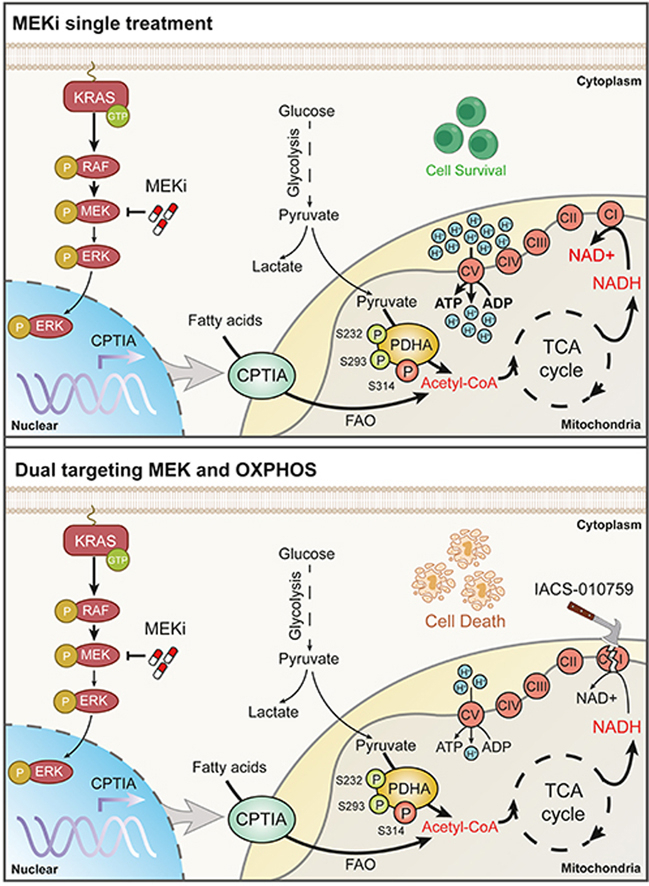
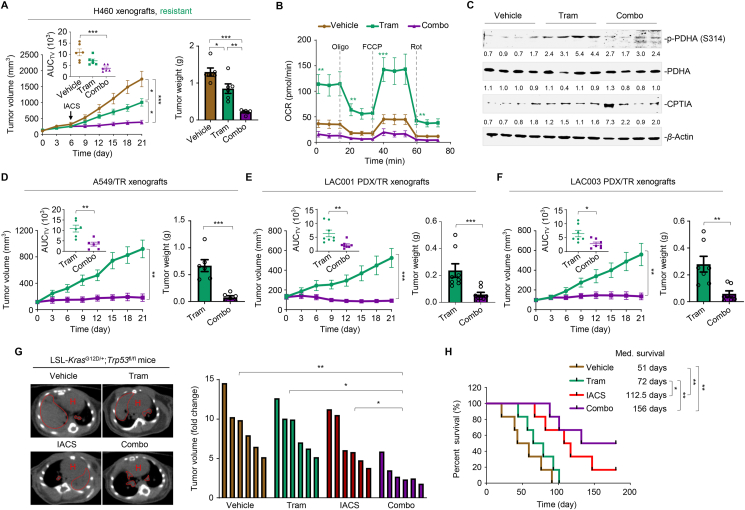
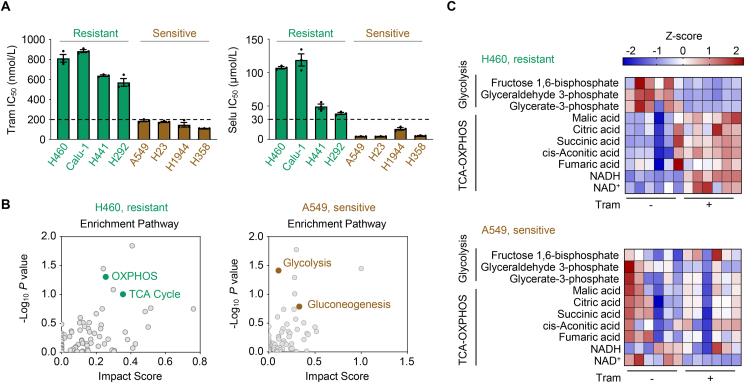
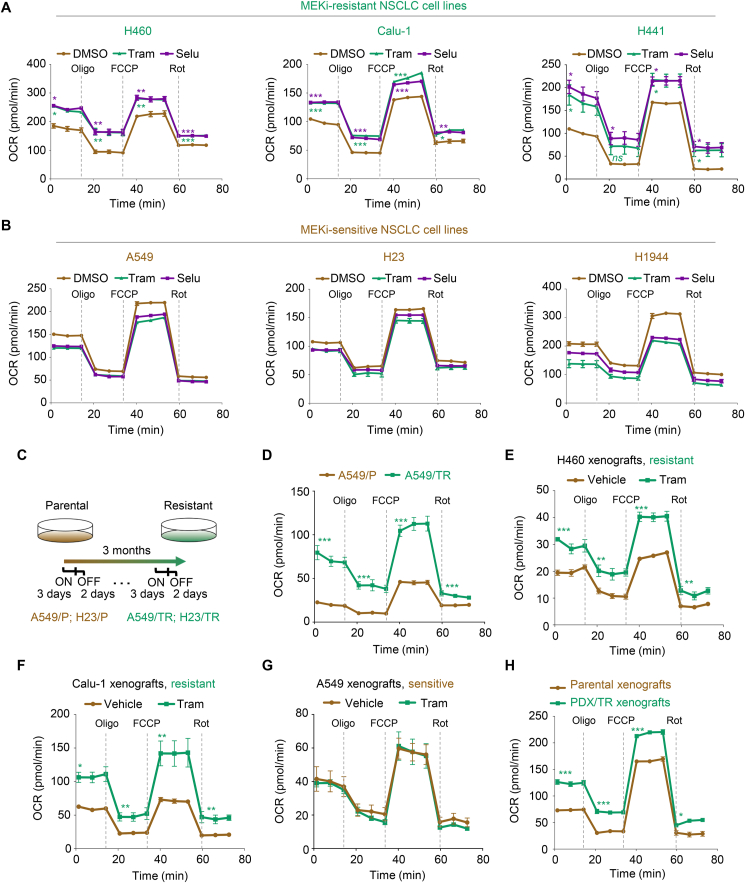
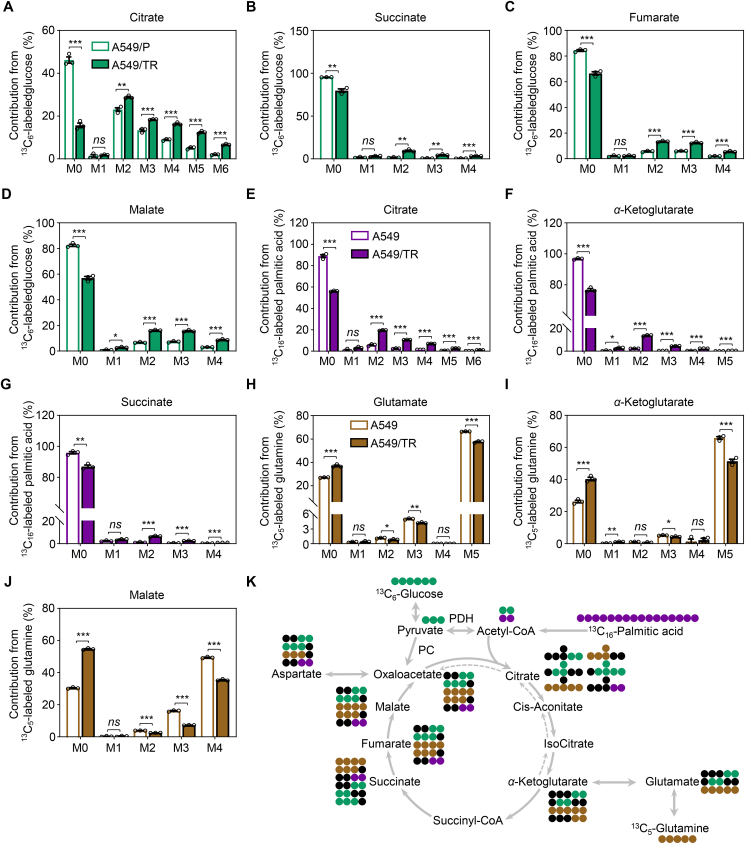
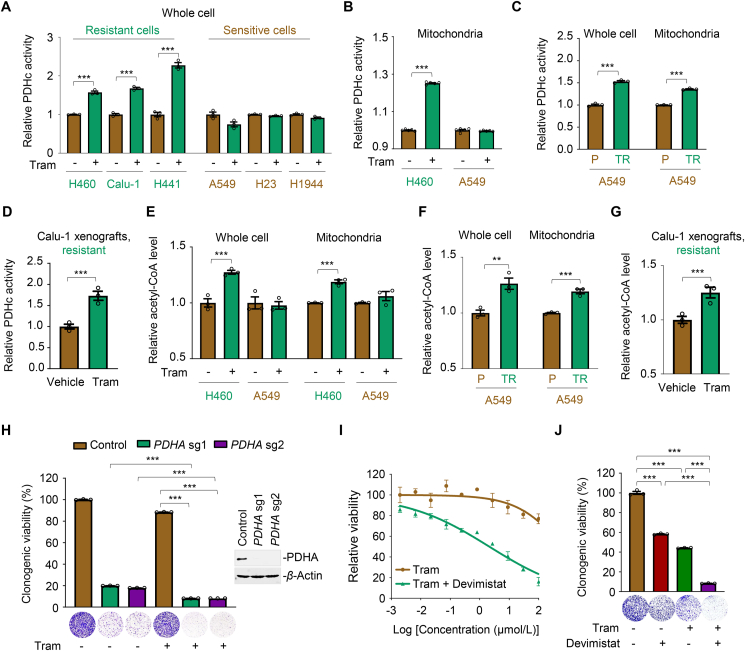
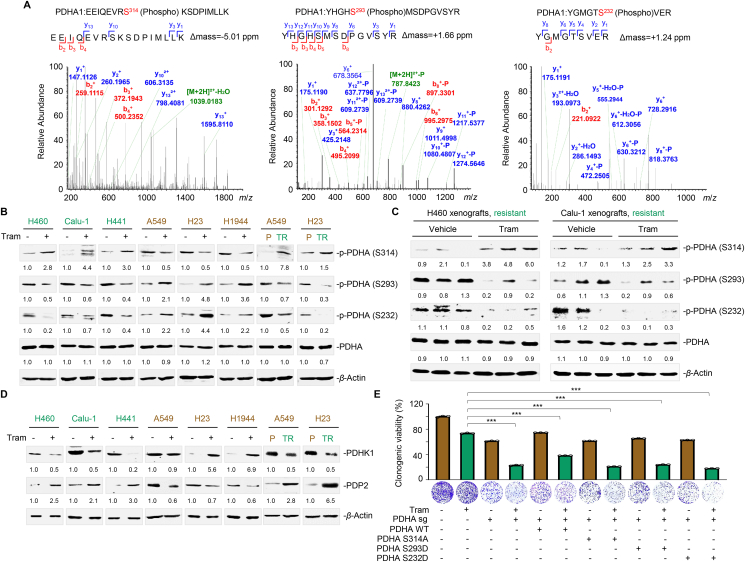
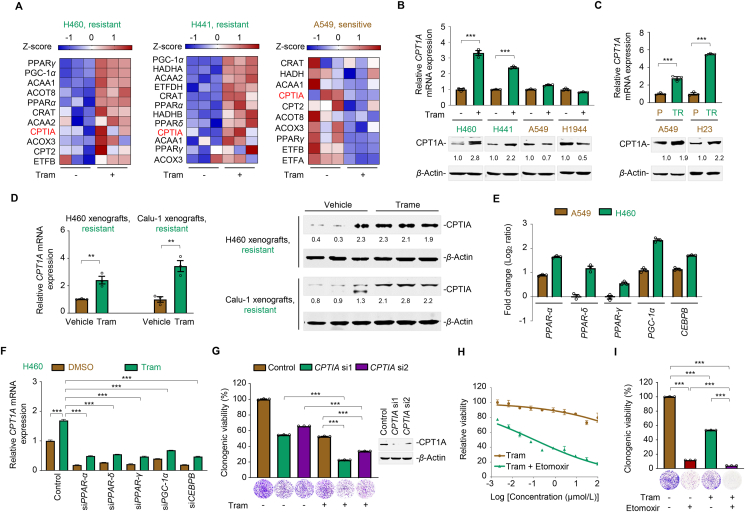
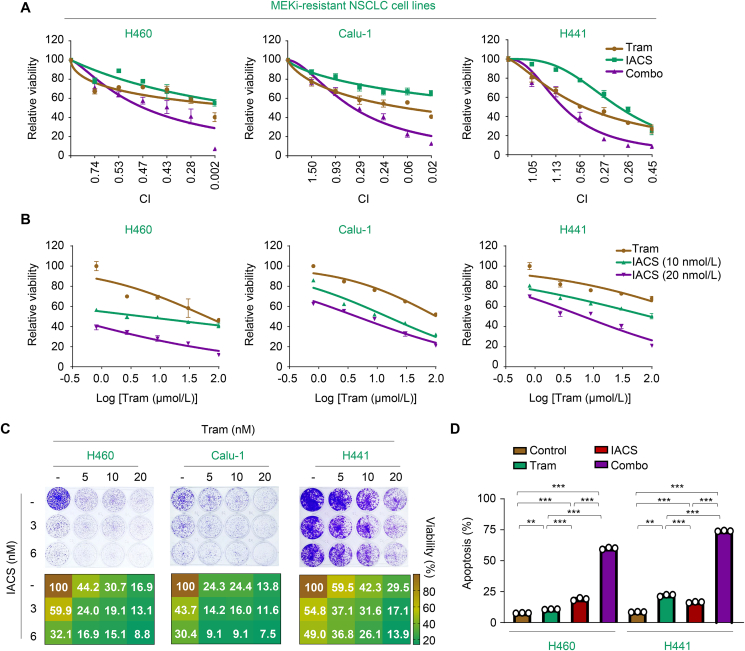
MEK is a canonical effector of mutant KRAS; however, MEK inhibitors fail to yield satisfactory clinical outcomes in -mutant cancers. Here, we identified mitochondrial oxidative phosphorylation (OXPHOS) induction as a profound metabolic alteration to confer -mutant non-small cell lung cancer (NSCLC) resistance to the clinical MEK inhibitor trametinib. Metabolic flux analysis demonstrated that pyruvate metabolism and fatty acid oxidation were markedly enhanced and coordinately powered the OXPHOS system in resistant cells after trametinib treatment, satisfying their energy demand and protecting them from apoptosis. As molecular events in this process, the pyruvate dehydrogenase complex (PDHc) and carnitine palmitoyl transferase IA (CPTIA), two rate-limiting enzymes that control the metabolic flux of pyruvate and palmitic acid to mitochondrial respiration were activated through phosphorylation and transcriptional regulation. Importantly, the co-administration of trametinib and IACS-010759, a clinical mitochondrial complex I inhibitor that blocks OXPHOS, significantly impeded tumor growth and prolonged mouse survival. Overall, our findings reveal that MEK inhibitor therapy creates a metabolic vulnerability in the mitochondria and further develop an effective combinatorial strategy to circumvent MEK inhibitors resistance in -driven NSCLC.
MEK是突变型KRAS的典型效应因子;然而,MEK抑制剂在KRAS突变型癌症中未能产生令人满意的临床疗效。在此,我们确定线粒体氧化磷酸化(OXPHOS)诱导是一种深刻的代谢改变,可赋予KRAS突变型非小细胞肺癌(NSCLC)对临床MEK抑制剂曲美替尼的抗性。代谢通量分析表明,曲美替尼治疗后,耐药细胞中的丙酮酸代谢和脂肪酸氧化显著增强,并协同为OXPHOS系统提供能量,满足其能量需求并保护它们免于凋亡。作为这一过程中的分子事件,丙酮酸脱氢酶复合体(PDHc)和肉碱棕榈酰转移酶IA(CPTIA)这两种控制丙酮酸和棕榈酸向线粒体呼吸代谢通量的限速酶通过磷酸化和转录调控被激活。重要的是,曲美替尼与IACS-010759(一种阻断OXPHOS的临床线粒体复合体I抑制剂)联合给药,显著抑制了肿瘤生长并延长了小鼠存活期。总体而言,我们的研究结果表明,MEK抑制剂治疗在线粒体中产生了代谢脆弱性,并进一步开发了一种有效的联合策略来规避KRAS驱动的NSCLC中的MEK抑制剂抗性。