Ren Sanguo, Jin Yuanpei, Ma Jianan, Zheng Ningning, Zhang Jie, Peng Xingyu, Xie Bo
School of Life Sciences, Hubei Key Laboratory of Genetic Regulation and Integrative Biology, Central China Normal University, Wuhan, China.
Front Microbiol. 2023 Mar 9;14:1156291. doi: 10.3389/fmicb.2023.1156291. eCollection 2023.
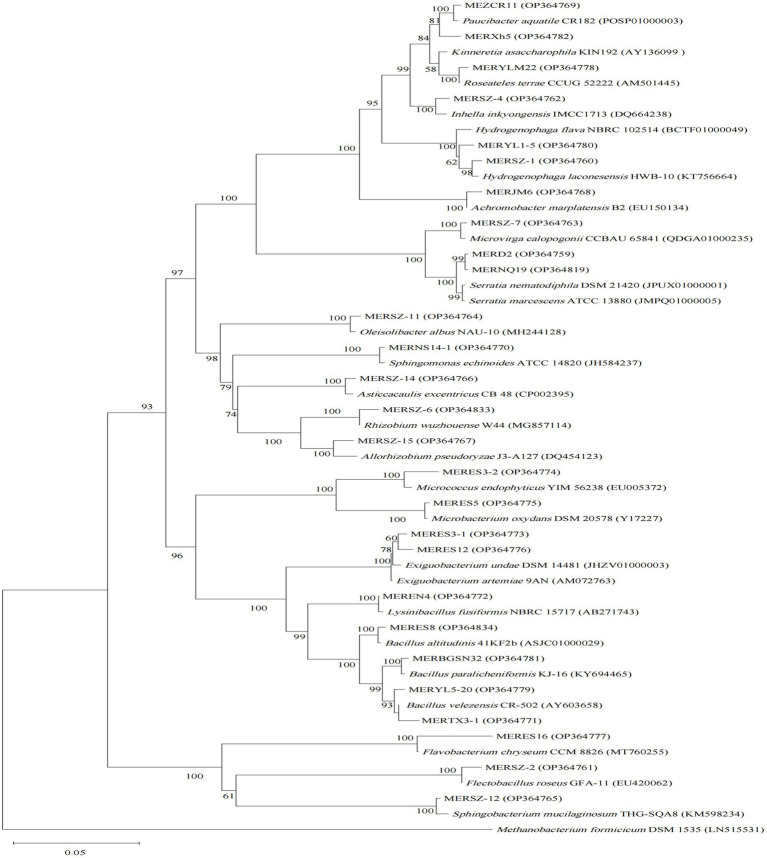
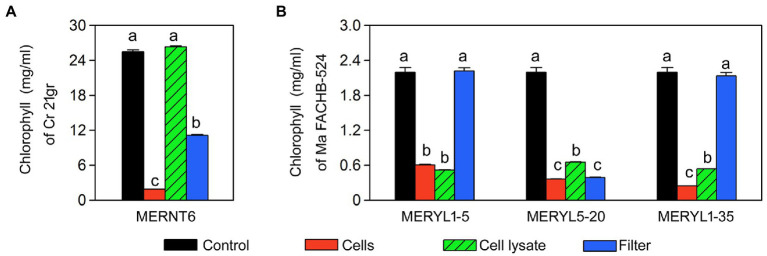
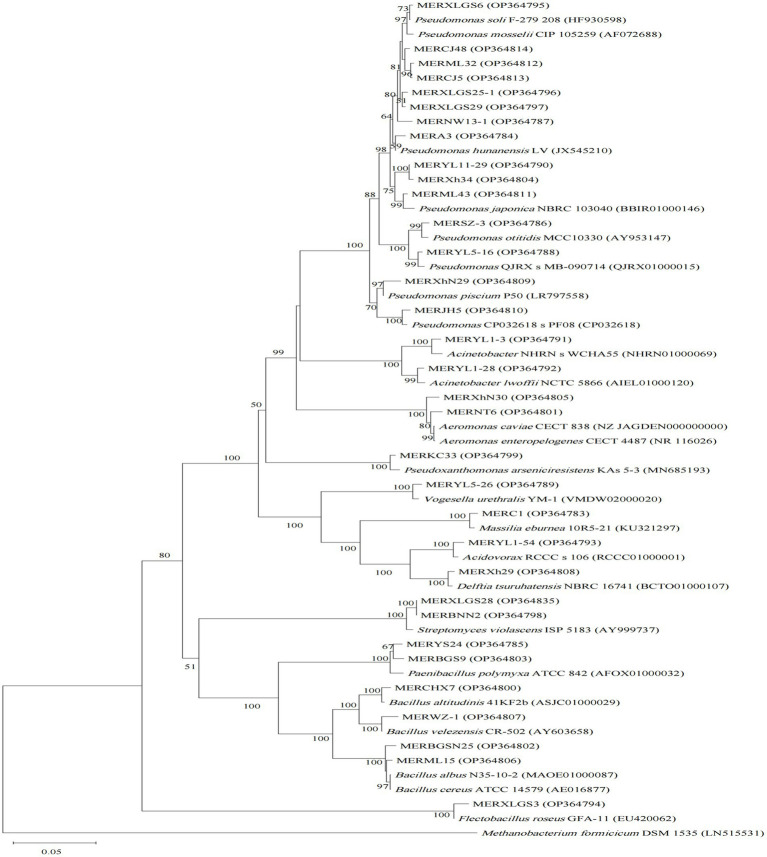
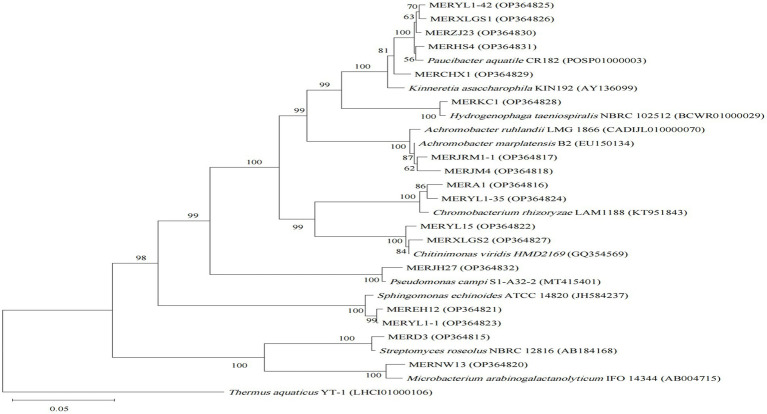
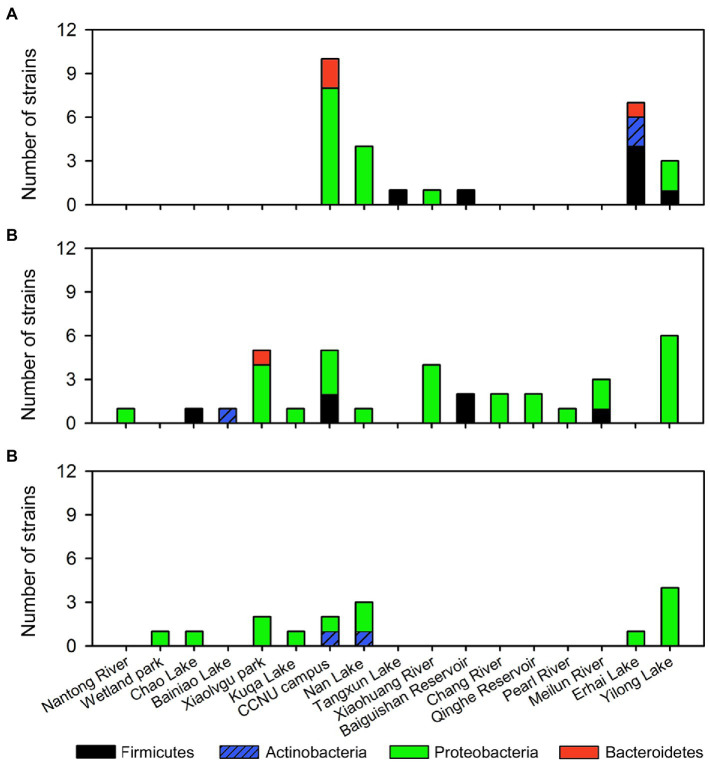
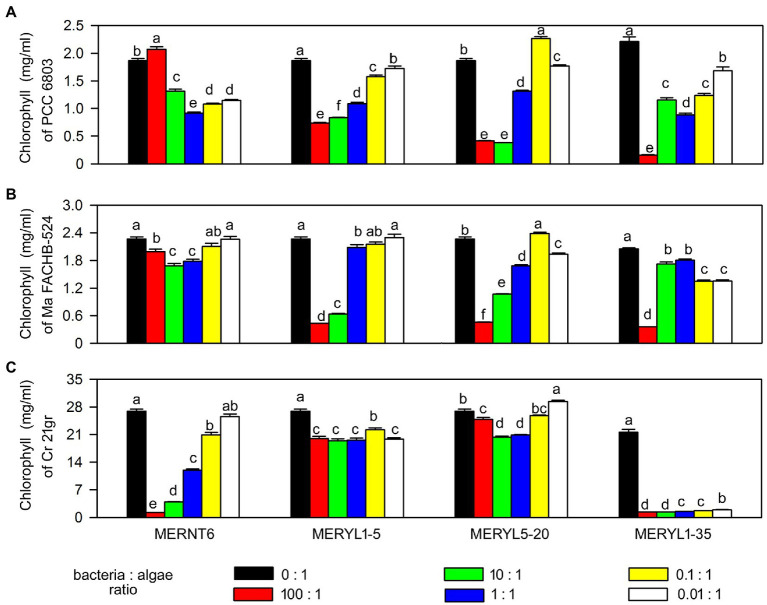
Algicidal bacteria can inhibit the growth of algae or lyse algal cells, thus playing roles in shaping aquatic microbial communities and maintaining the functions of aquatic ecosystems. Nevertheless, our understanding of their diversities and distributions remains limited. In this study, we collected water samples from 17 freshwater sites in 14 cities in China and screened a total of 77 algicidal bacterial strains using several prokaryotic cyanobacteria and eukaryotic algae as target strains. According to their target-specificities, these strains were classified into three subgroups, cyanobacterial algicidal bacteria, algal algicidal bacteria, and broad-target algicidal bacteria, each displaying distinctive compositions and geographical distribution patterns. They are assigned to Proteobacteria, Firmicutes, Actinobacteria, and Bacteroidetes bacterial phyla, of which and are the most abundant gram-negative and gram-positive genus, respectively. A number of bacterial strains, such as and , are suggested as new algicidal bacteria. The diverse taxonomies, algal-inhibiting abilities and distributions of these isolates have suggested that there are rich algicidal bacterial resources in these aquatic environments. Our results provide new microbial resources for algal-bacterial interaction studies, and shed new insights into how algicidal bacteria can be used in the control of harmful algal blooms, as well as in algal biotechnology.
杀藻细菌可以抑制藻类生长或裂解藻细胞,从而在塑造水生微生物群落和维持水生生态系统功能方面发挥作用。然而,我们对它们的多样性和分布的了解仍然有限。在这项研究中,我们从中国14个城市的17个淡水站点采集了水样,并使用几种原核蓝细菌和真核藻类作为靶标菌株,共筛选出77株杀藻细菌菌株。根据它们的靶标特异性,这些菌株被分为三个亚组,即蓝细菌杀藻细菌、藻类杀藻细菌和广谱杀藻细菌,每个亚组都呈现出独特的组成和地理分布模式。它们被归属于变形菌门、厚壁菌门、放线菌门和拟杆菌门细菌,其中 和 分别是最丰富的革兰氏阴性菌属和革兰氏阳性菌属。一些细菌菌株,如 和 ,被认为是新的杀藻细菌。这些分离株的多样分类、藻类抑制能力和分布表明,这些水生环境中存在丰富的杀藻细菌资源。我们的研究结果为藻类-细菌相互作用研究提供了新的微生物资源,并为杀藻细菌如何用于控制有害藻华以及藻类生物技术提供了新的见解。