Cancer Research UK Scotland Centre, Institute of Genetics and Cancer, University of Edinburgh, Edinburgh, UK.
International Centre for Cancer Vaccine Science, University of Gdansk, Gdansk, Poland.
Gut. 2023 Dec 7;73(1):131-155. doi: 10.1136/gutjnl-2022-327927.
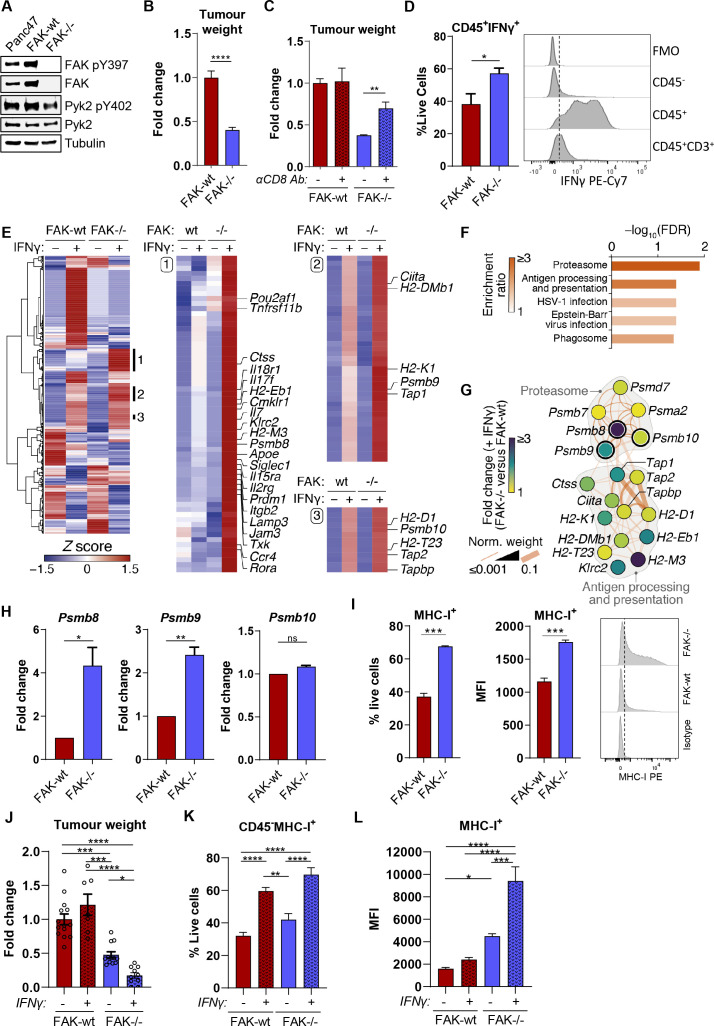
Immunotherapy for the treatment of pancreatic ductal adenocarcinoma (PDAC) has shown limited efficacy. Poor CD8 T-cell infiltration, low neoantigen load and a highly immunosuppressive tumour microenvironment contribute to this lack of response. Here, we aimed to further investigate the immunoregulatory function of focal adhesion kinase (FAK) in PDAC, with specific emphasis on regulation of the type-II interferon response that is critical in promoting T-cell tumour recognition and effective immunosurveillance.
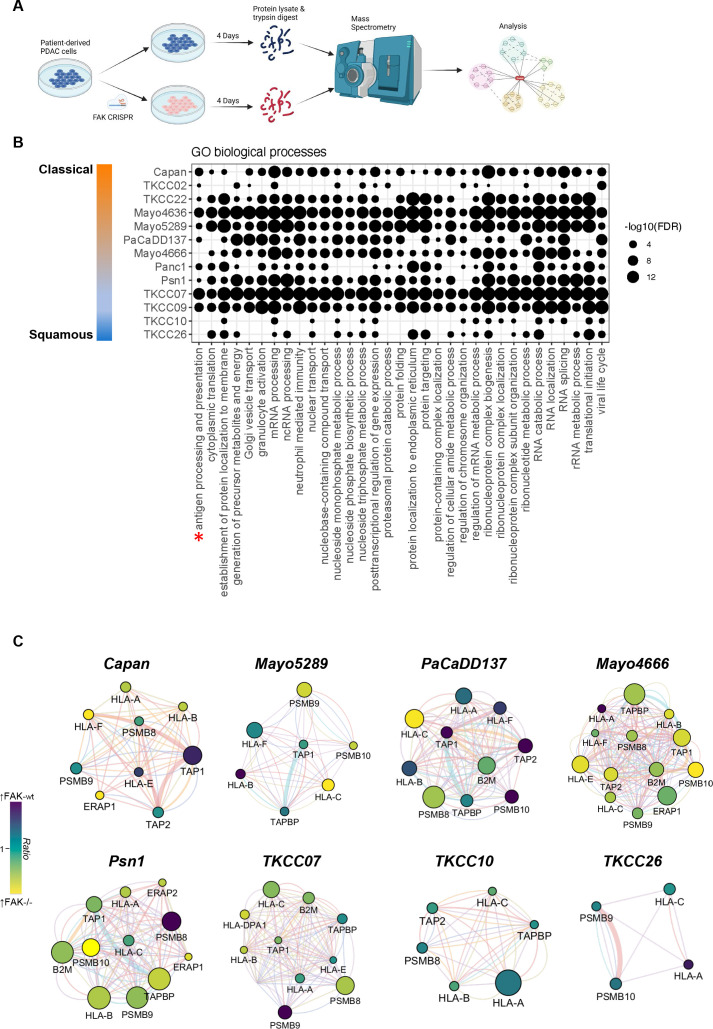
We combined CRISPR, proteogenomics and transcriptomics with mechanistic experiments using a Krasp53 mouse model of pancreatic cancer and validated findings using proteomic analysis of human patient-derived PDAC cell lines and analysis of publicly available human PDAC transcriptomics datasets.
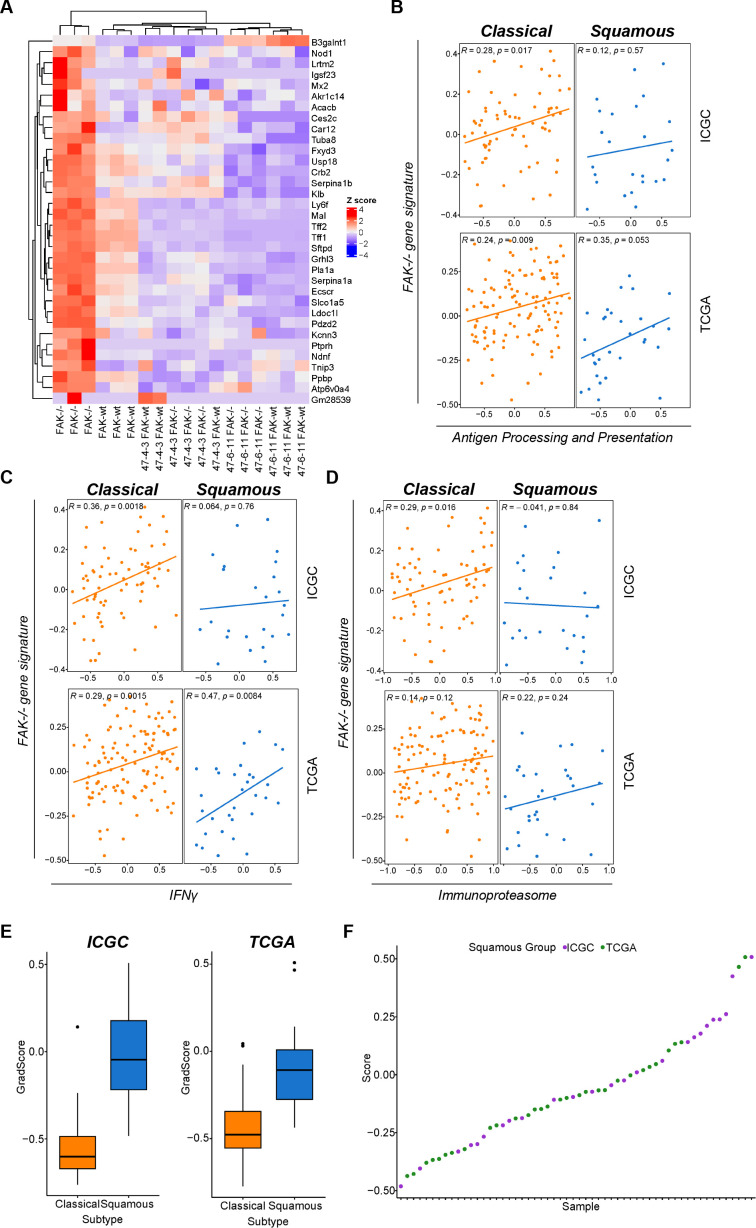
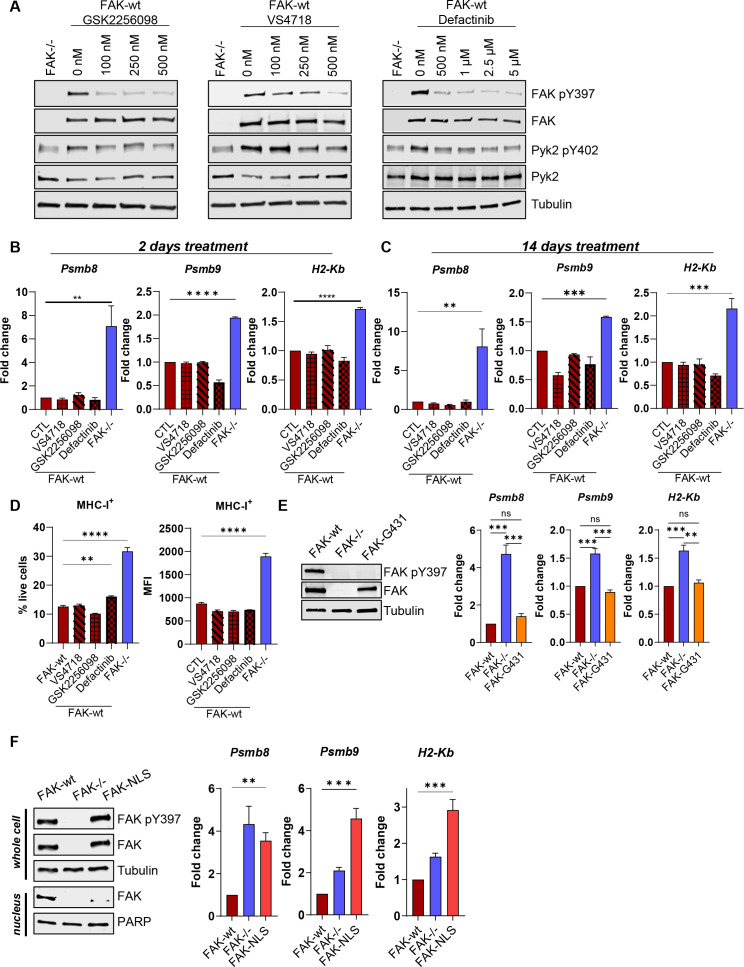
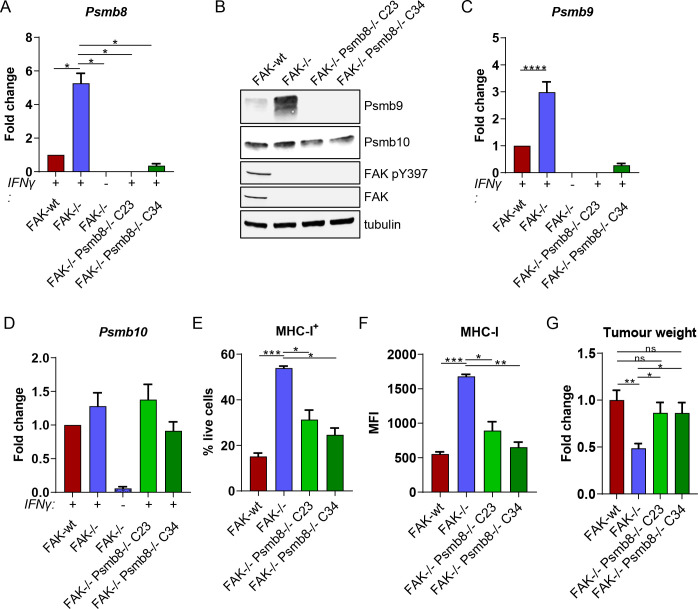
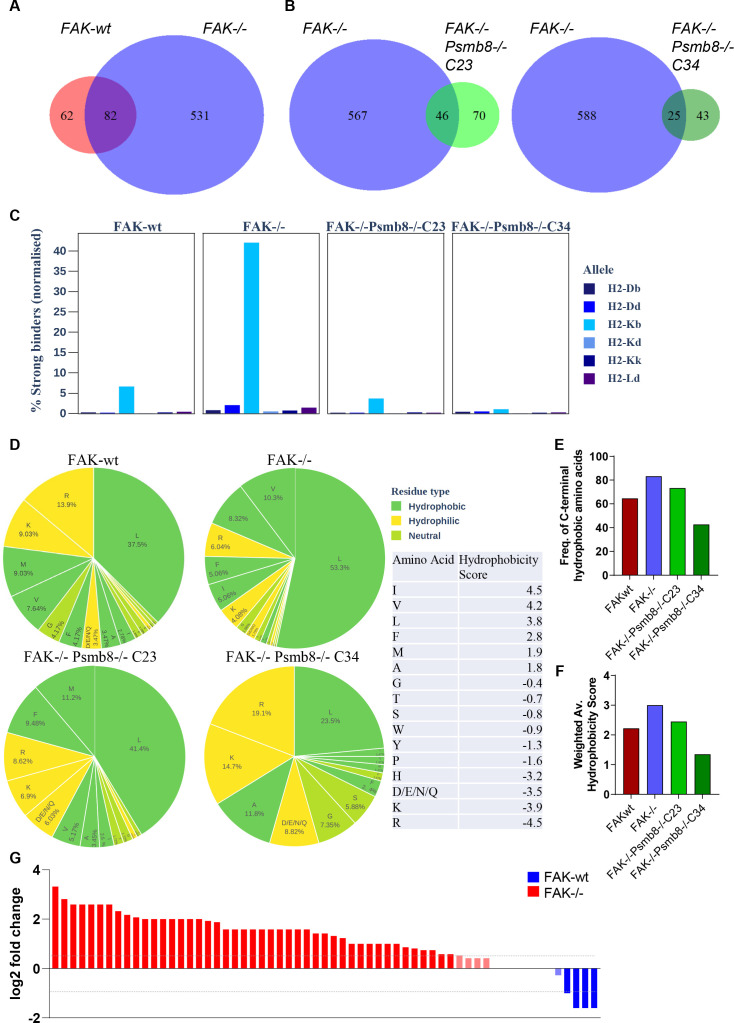
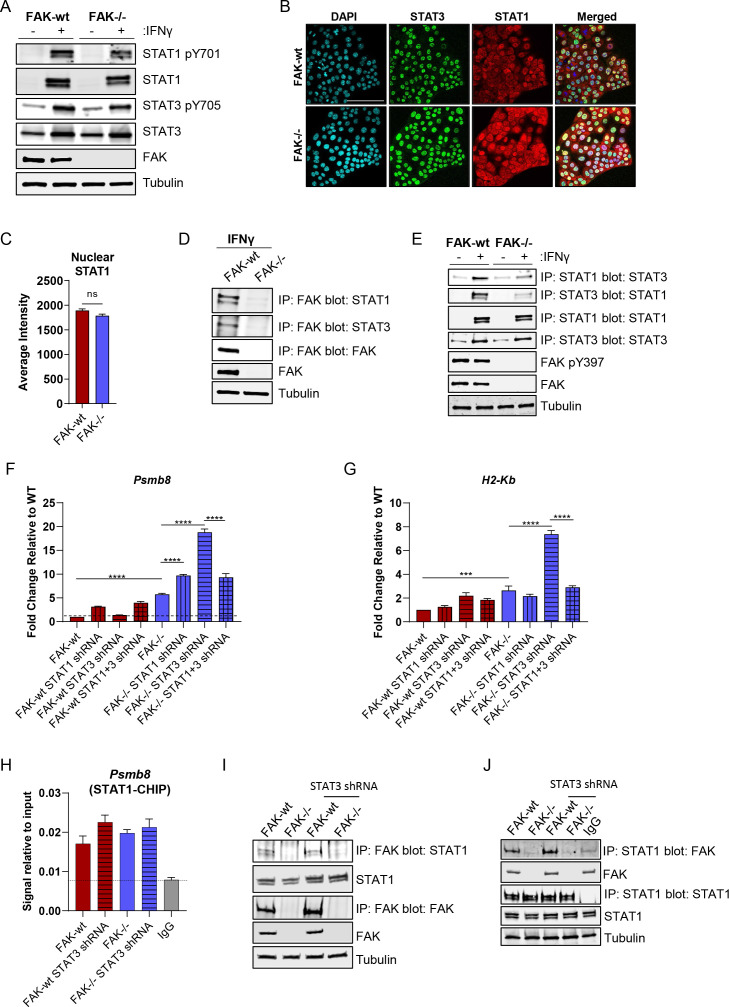
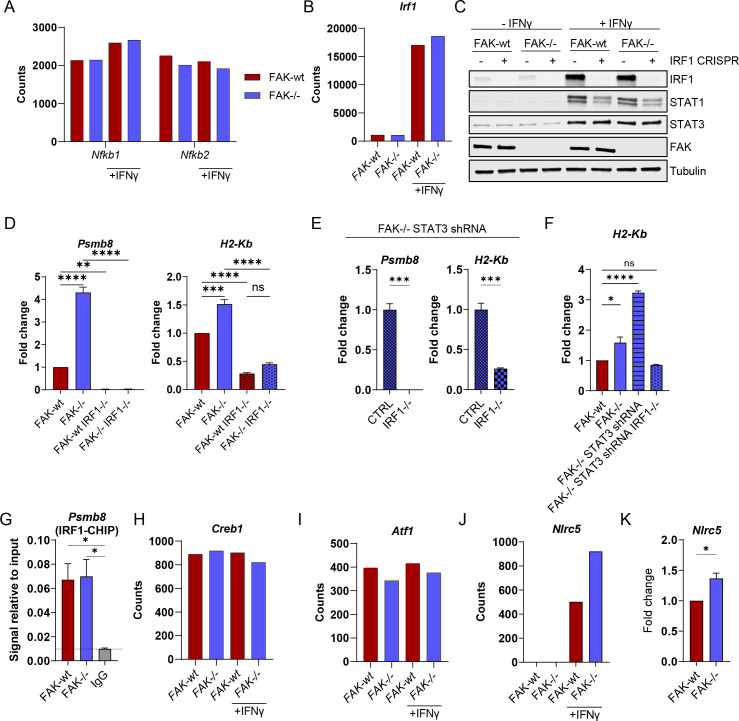
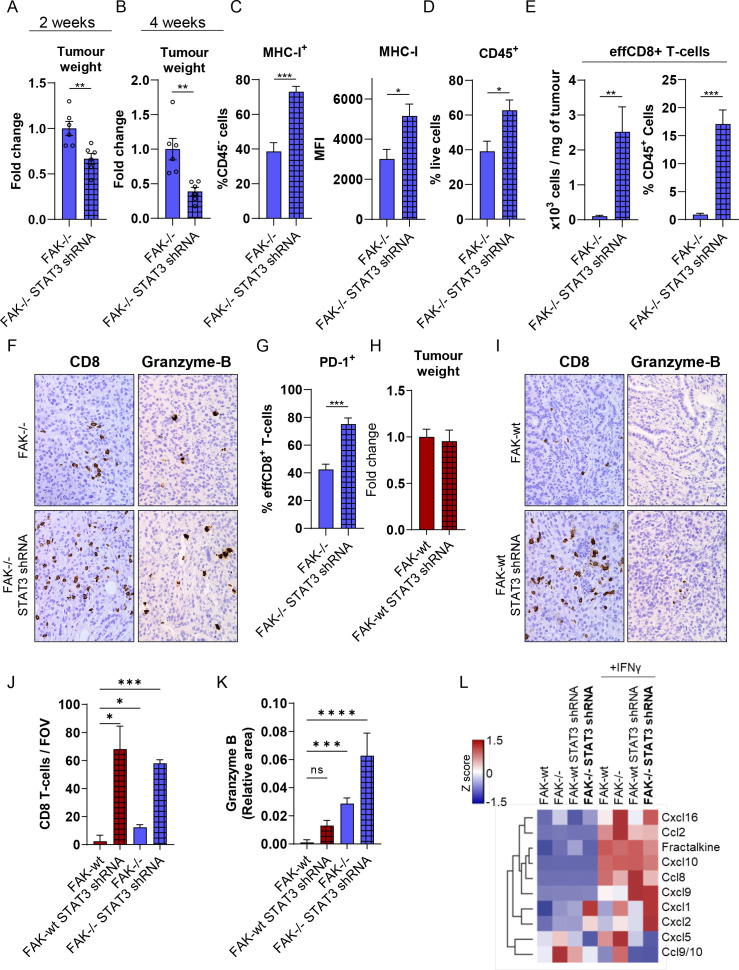
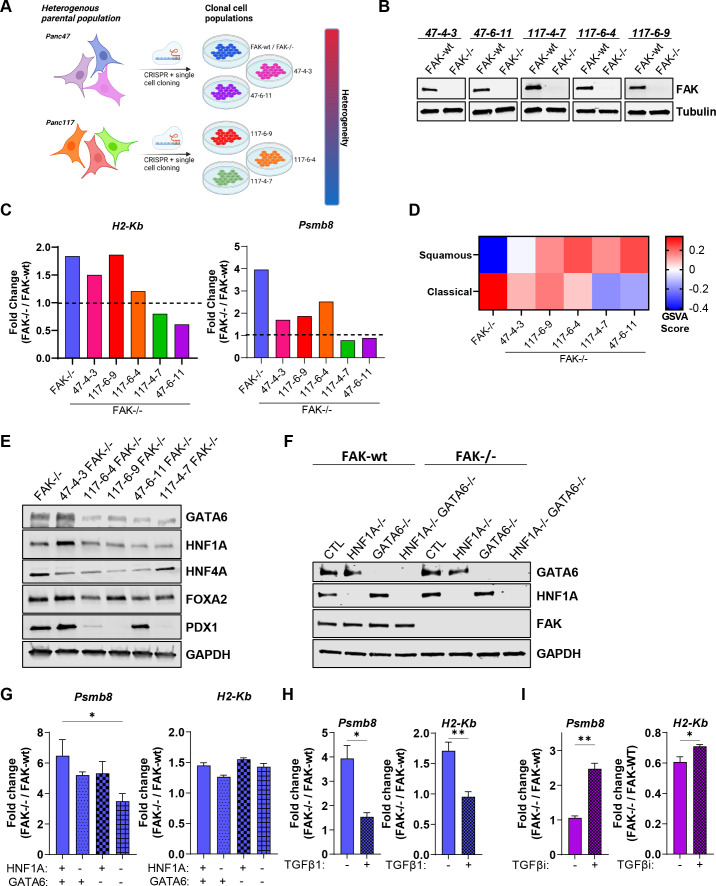
Loss of PDAC cell-intrinsic FAK signalling promotes expression of the immunoproteasome and Major Histocompatibility Complex class-I (MHC-I), resulting in increased antigen diversity and antigen presentation by FAK-/- PDAC cells. Regulation of the immunoproteasome by FAK is a critical determinant of this response, optimising the physicochemical properties of the peptide repertoire for high affinity binding to MHC-I. Expression of these pathways can be further amplified in a STAT1-dependent manner via co-depletion of FAK and STAT3, resulting in extensive infiltration of tumour-reactive CD8 T-cells and further restraint of tumour growth. FAK-dependent regulation of antigen processing and presentation is conserved between mouse and human PDAC, but is lost in cells/tumours with an extreme squamous phenotype.
Therapies aimed at FAK degradation may unlock additional therapeutic benefit for the treatment of PDAC through increasing antigen diversity and promoting antigen presentation.
免疫疗法治疗胰腺导管腺癌(PDAC)的疗效有限。CD8 T 细胞浸润不良、新抗原负荷低以及高度免疫抑制的肿瘤微环境是导致这种反应缺乏的原因。在这里,我们旨在进一步研究粘着斑激酶(FAK)在 PDAC 中的免疫调节功能,特别强调对 II 型干扰素反应的调节,这对于促进 T 细胞肿瘤识别和有效的免疫监视至关重要。
我们结合了 CRISPR、蛋白质基因组学和转录组学,以及使用 Krasp53 小鼠胰腺癌模型的机制实验,并使用人源性 PDAC 细胞系的蛋白质组学分析和公开可用的人 PDAC 转录组学数据集进行了验证。
PDAC 细胞内固有 FAK 信号的缺失促进了免疫蛋白酶体和主要组织相容性复合体 I(MHC-I)的表达,导致 FAK-/- PDAC 细胞的抗原多样性和抗原呈递增加。FAK 对免疫蛋白酶体的调节是这种反应的关键决定因素,优化了肽库的物理化学特性,以实现与 MHC-I 的高亲和力结合。通过共同耗竭 FAK 和 STAT3,可以以 STAT1 依赖性的方式进一步放大这些途径的表达,导致肿瘤反应性 CD8 T 细胞的广泛浸润,并进一步抑制肿瘤生长。FAK 依赖性的抗原加工和呈递的调节在小鼠和人 PDAC 之间是保守的,但在具有极端鳞状表型的细胞/肿瘤中丢失。
针对 FAK 降解的治疗方法可能通过增加抗原多样性和促进抗原呈递,为 PDAC 的治疗提供额外的治疗益处。