Division of Hepatobiliary and Pancreatic Surgery, Department of Surgery, The First Affiliated Hospital, Zhejiang University School of Medicine, Hangzhou 310003, China.
NHC Key Laboratory of Combined Multi-Organ Transplantation, Hangzhou 310003, China.
Int J Mol Sci. 2023 Mar 11;24(6):5403. doi: 10.3390/ijms24065403.
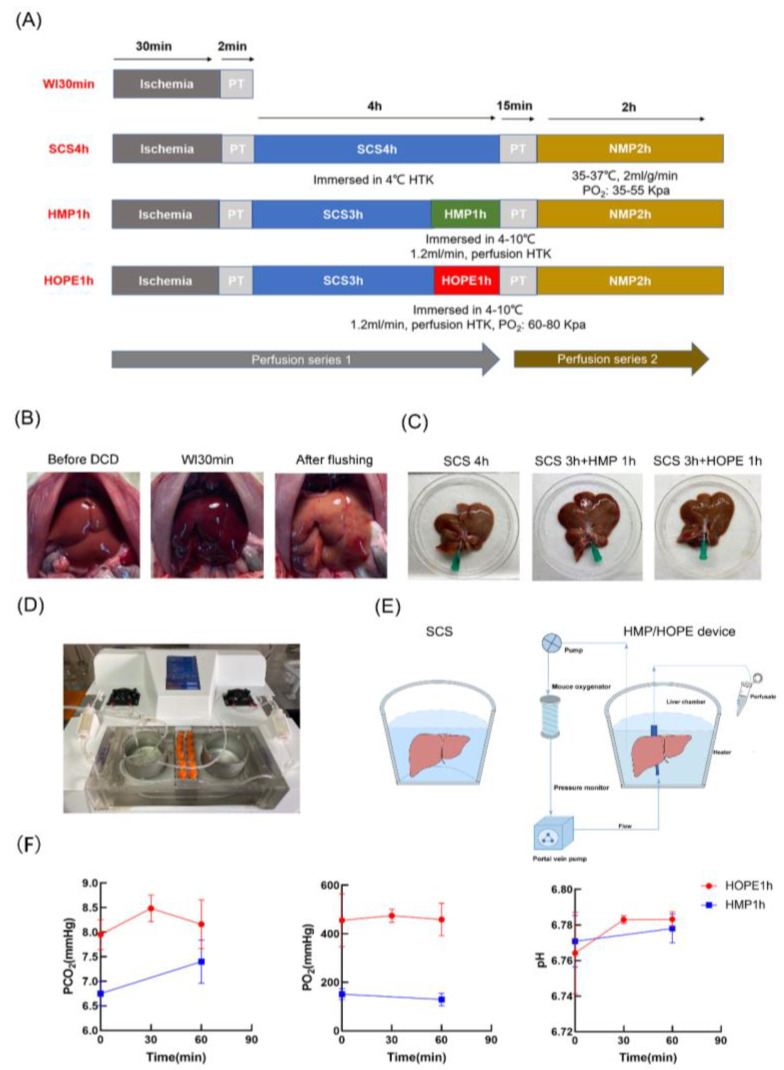
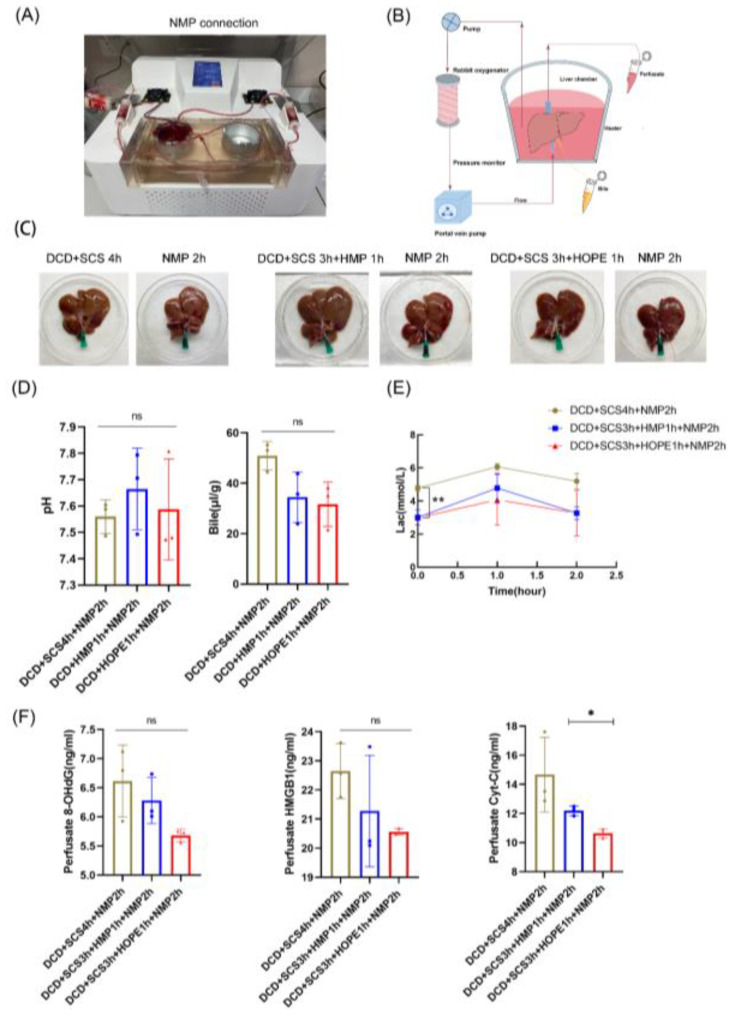
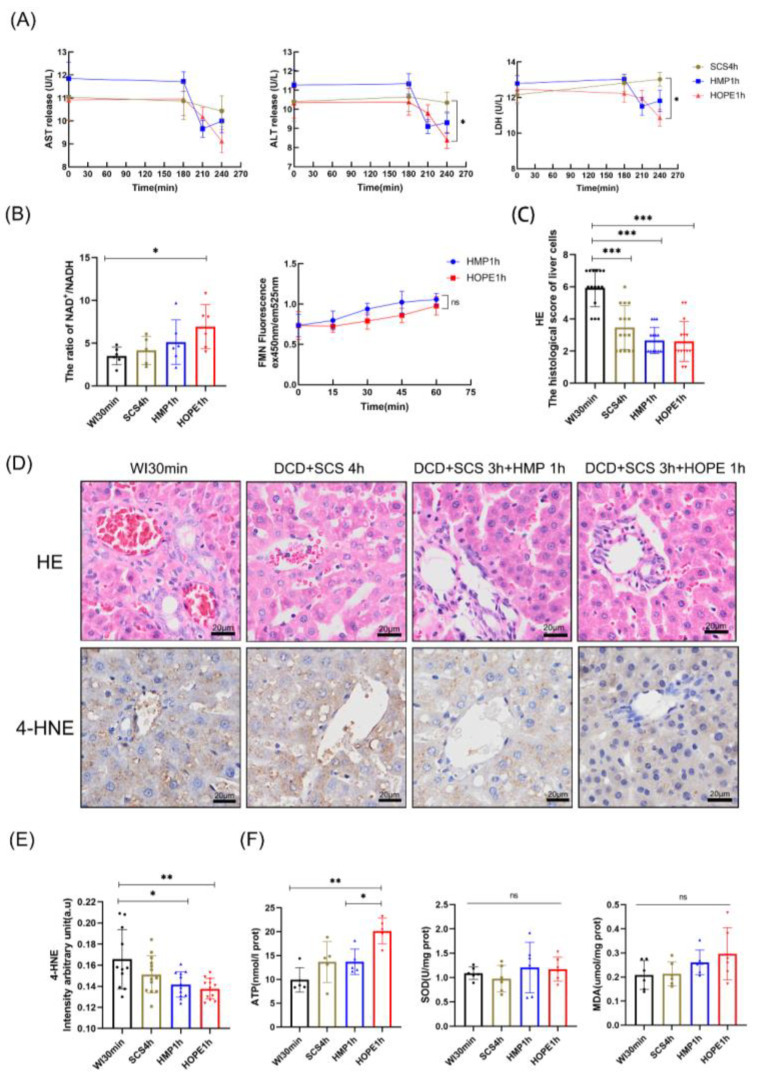
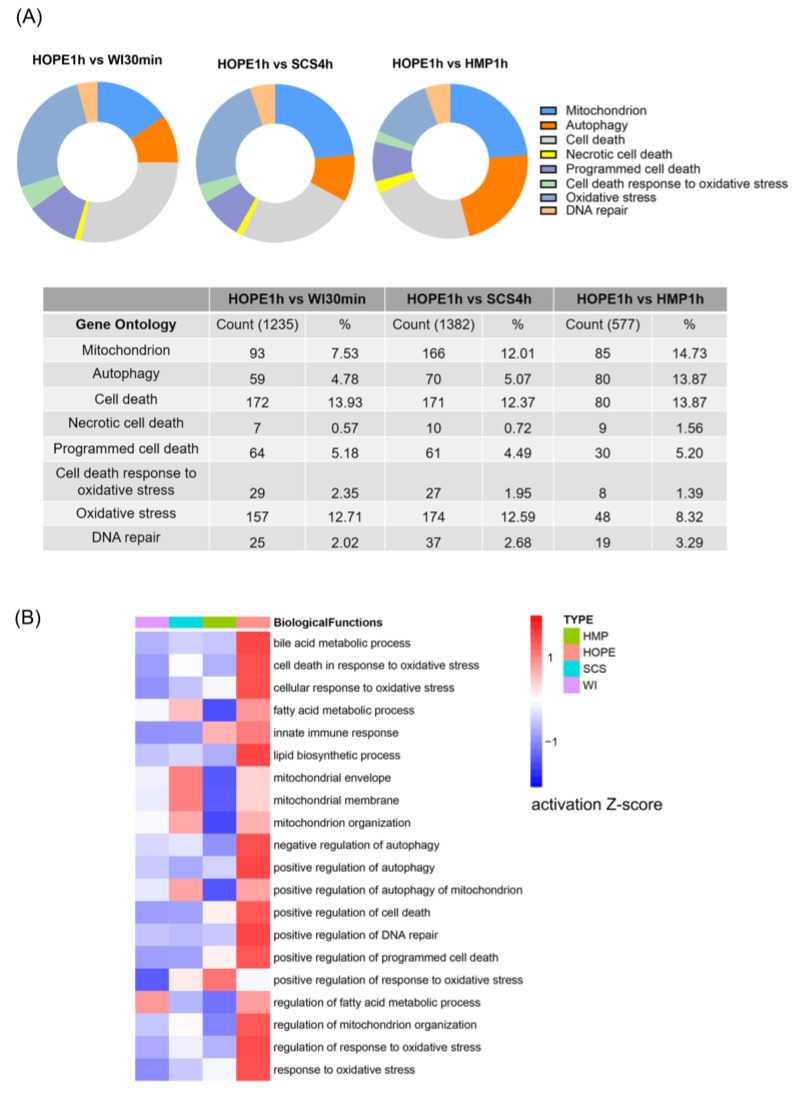
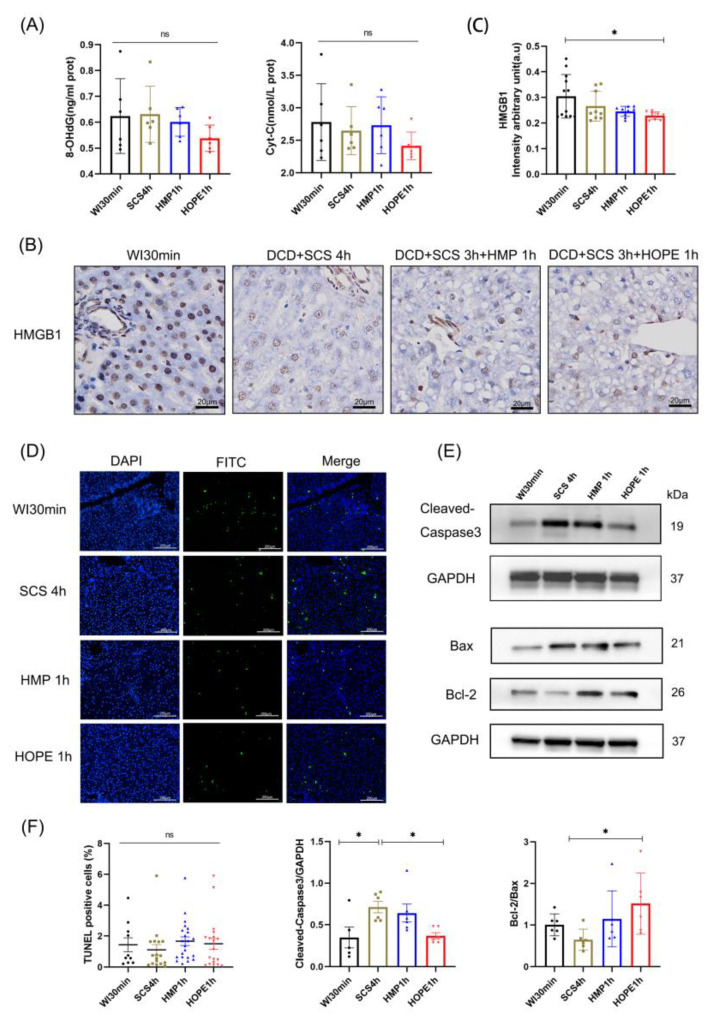
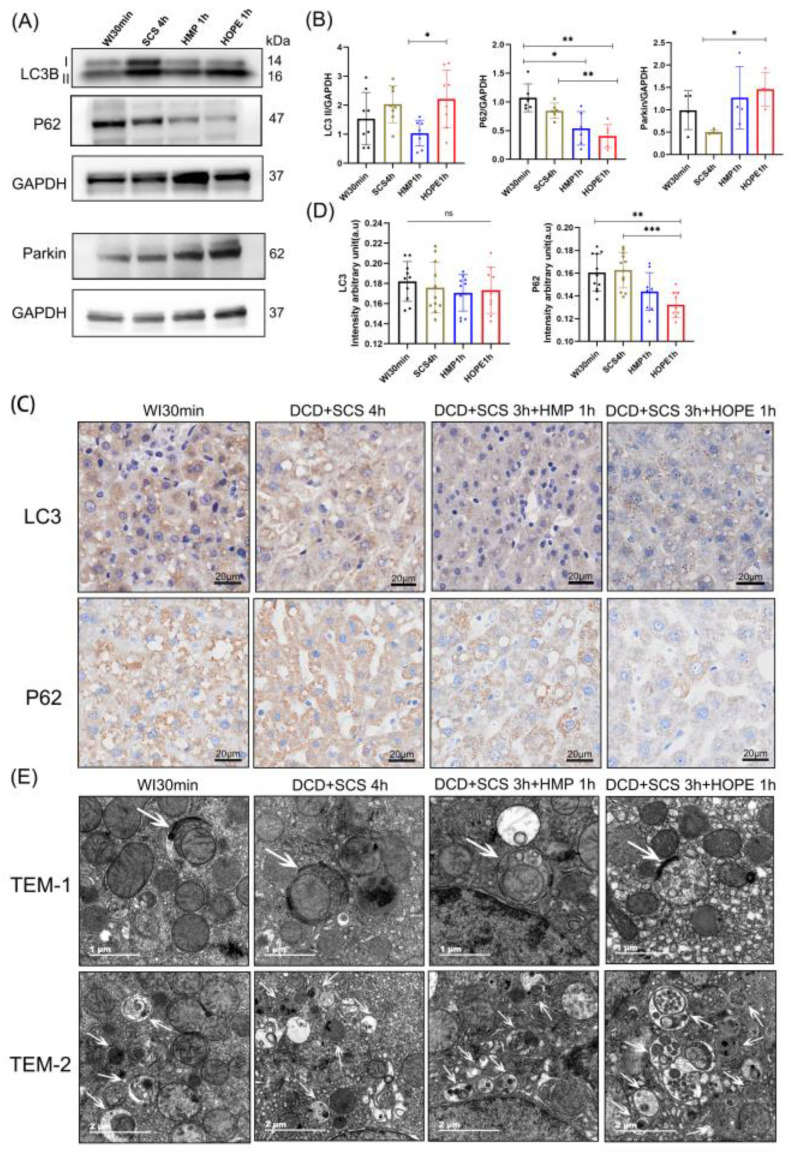
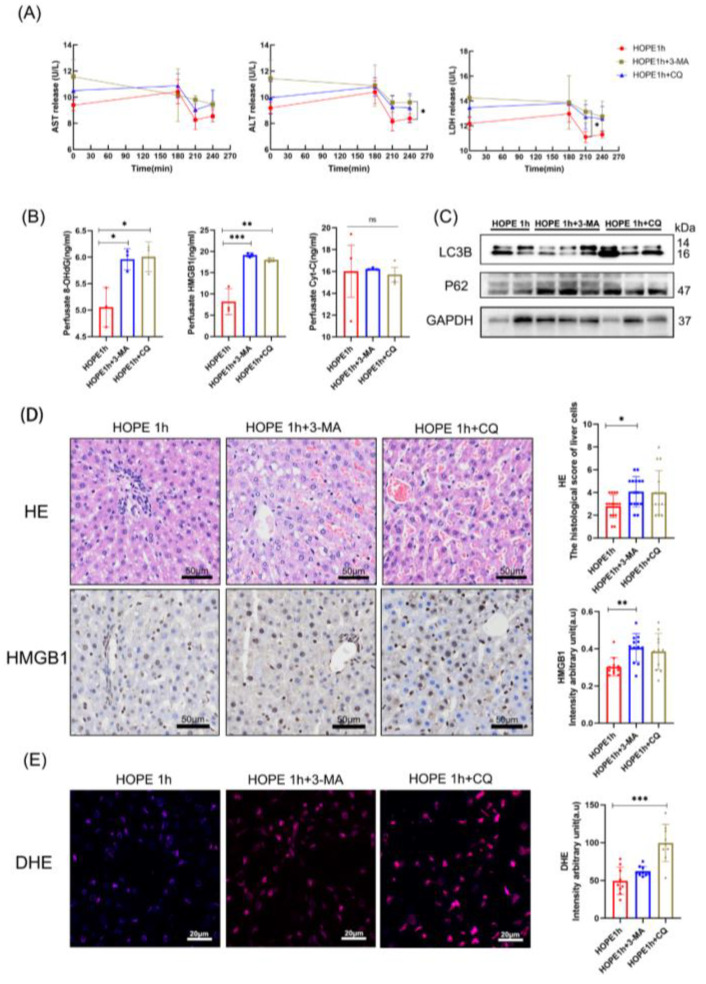
Hypothermic oxygenated machine perfusion (HOPE) can enhance organ preservation and protect mitochondria from hypoxia-ischemic injury; however, an understanding of the underlying HOPE mechanism that protects mitochondria is somewhat lacking. We hypothesized that mitophagy may play an important role in HOPE mitochondria protection. Experimental rat liver grafts were exposed to 30 min of in situ warm ischemia. Then, grafts were procured, followed by cold storage for 3 or 4 h to mimic the conventional preservation and transportation time in donation after circulatory death (DCD) in clinical contexts. Next, the grafts underwent hypothermic machine perfusion (HMP) or HOPE for 1 h through portal vein only perfusion. The HOPE-treated group showed a better preservation capacity compared with cold storage and HMP, preventing hepatocyte damage, nuclear injury, and cell death. HOPE can increase mitophagy marker expression, promote mitophagy flux via the PINK1/Parkin pathway to maintain mitochondrial function, and reduce oxygen free radical generation, while the inhibition of autophagy by 3-methyladenine and chloroquine could reverse the protective effect. HOPE-treated DCD liver also demonstrated more changes in the expression of genes responsible for bile metabolism, mitochondrial dynamics, cell survival, and oxidative stress. Overall, HOPE attenuates hypoxia-ischemic injury in DCD liver by promoting mitophagy flux to maintain mitochondrial function and protect hepatocytes. Mitophagy could pave the way for a protective approach against hypoxia-ischemic injury in DCD liver.
低温氧合机器灌注(HOPE)可以增强器官保存效果,并保护线粒体免受缺氧缺血损伤;然而,对保护线粒体的 HOPE 机制的理解还不够充分。我们假设自噬可能在 HOPE 保护线粒体中发挥重要作用。实验性大鼠肝移植物经历 30 分钟的原位热缺血。然后,获取移植物,进行 3 或 4 小时的冷藏,模拟在循环死亡后捐赠(DCD)的临床情况下的传统保存和运输时间。接下来,通过门静脉仅灌注进行低温机器灌注(HMP)或 HOPE 灌注 1 小时。与冷藏和 HMP 相比,HOPE 处理组显示出更好的保存能力,可防止肝细胞损伤、核损伤和细胞死亡。HOPE 可以增加自噬标志物的表达,通过 PINK1/Parkin 途径促进自噬通量,维持线粒体功能,并减少氧自由基的产生,而 3-甲基腺嘌呤和氯喹对自噬的抑制可以逆转保护作用。HOPE 处理的 DCD 肝脏也显示出与胆汁代谢、线粒体动力学、细胞存活和氧化应激相关的基因表达的更多变化。总体而言,HOPE 通过促进自噬通量来维持线粒体功能并保护肝细胞,从而减轻 DCD 肝脏的缺氧缺血损伤。自噬可能为防治 DCD 肝脏缺氧缺血损伤开辟途径。