Mierziak Justyna, Wojtasik Wioleta, Kulma Anna, Żuk Magdalena, Grajzer Magdalena, Boba Aleksandra, Dymińska Lucyna, Hanuza Jerzy, Szperlik Jakub, Szopa Jan
Department of Genetic Biochemistry, Faculty of Biotechnology, Wroclaw University, Przybyszewskiego Str. 63, 51-148 Wroclaw, Poland.
Department of Dietetics and Bromatology, Faculty of Pharmacy, Wroclaw Medical University, Borowska 211, 50-556 Wroclaw, Poland.
Metabolites. 2023 Mar 17;13(3):437. doi: 10.3390/metabo13030437.
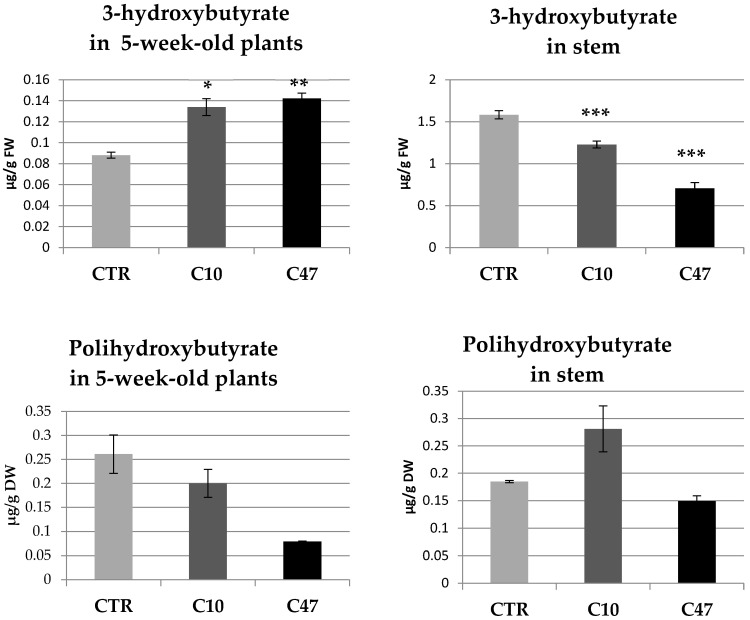
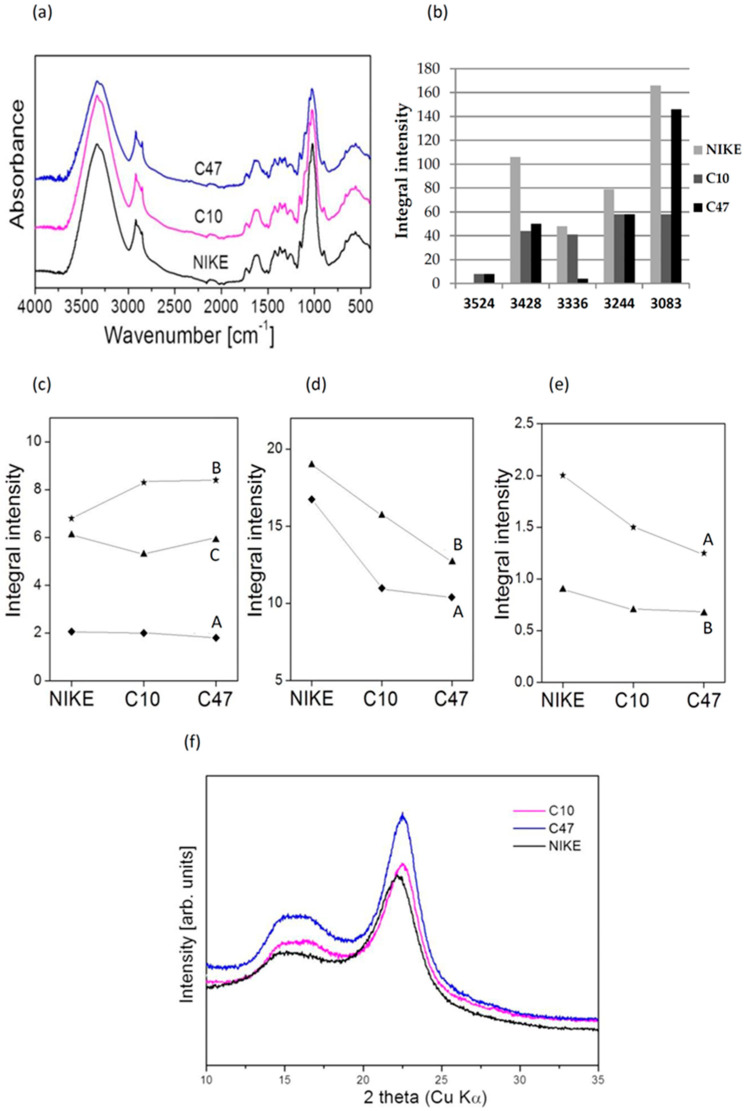
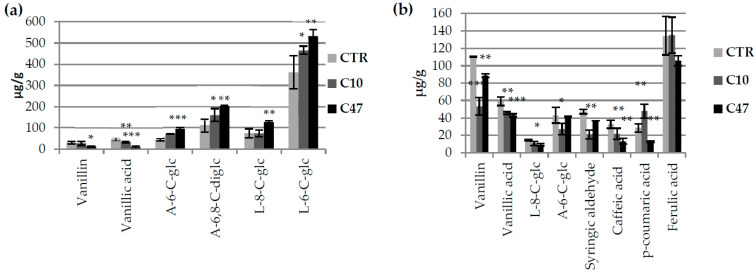
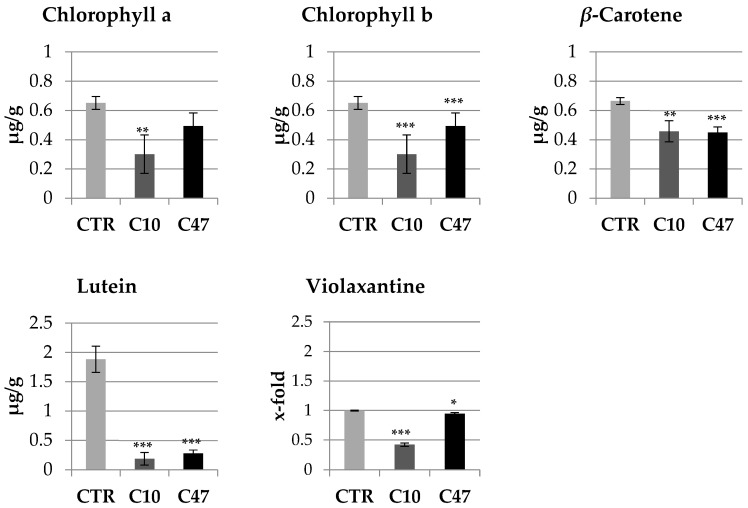
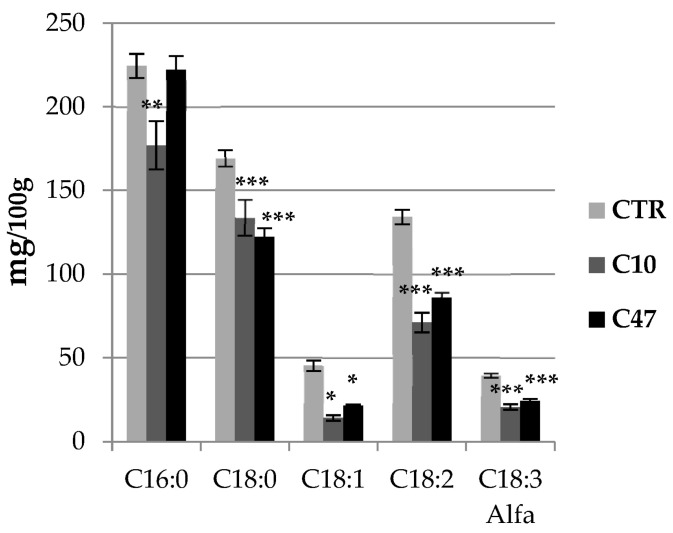
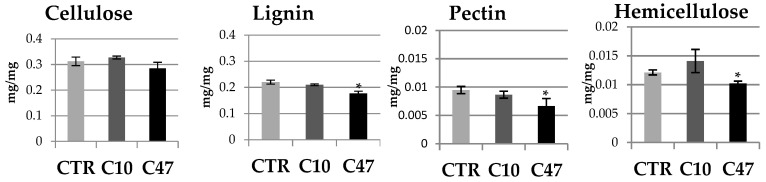
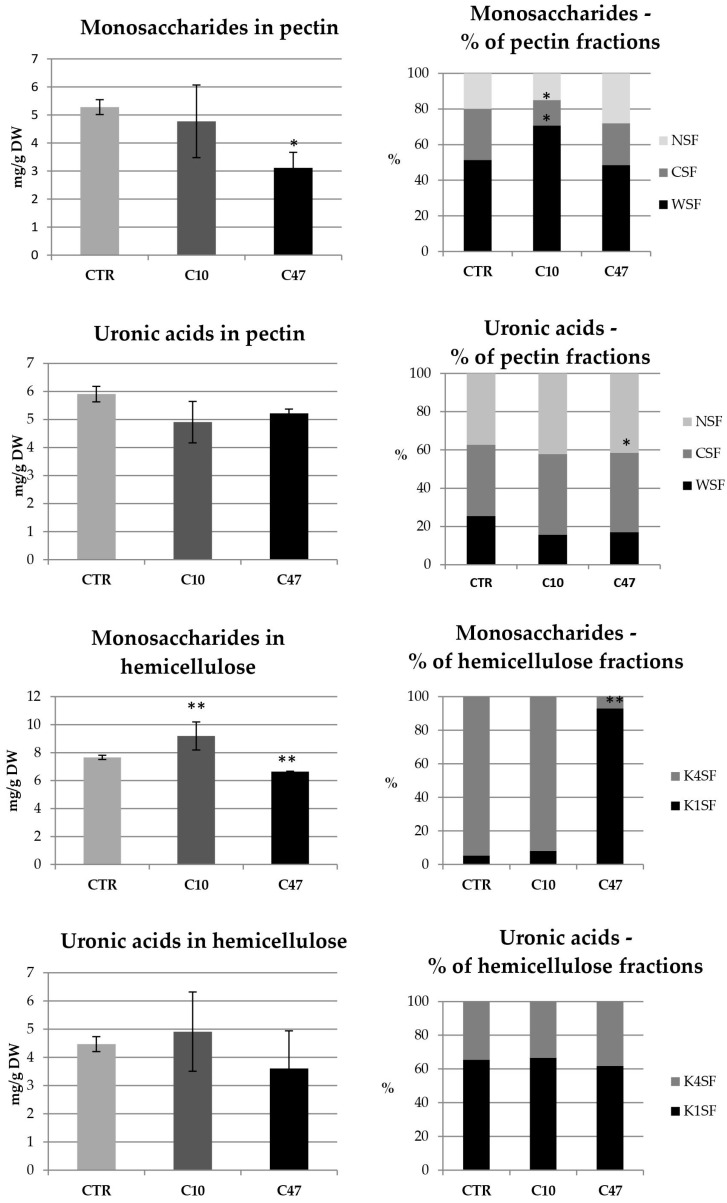
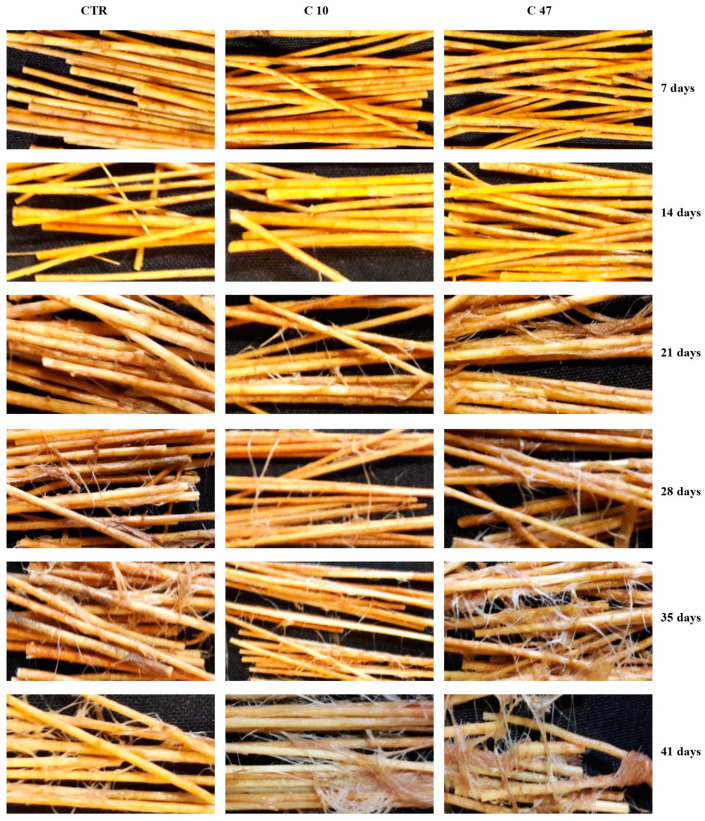
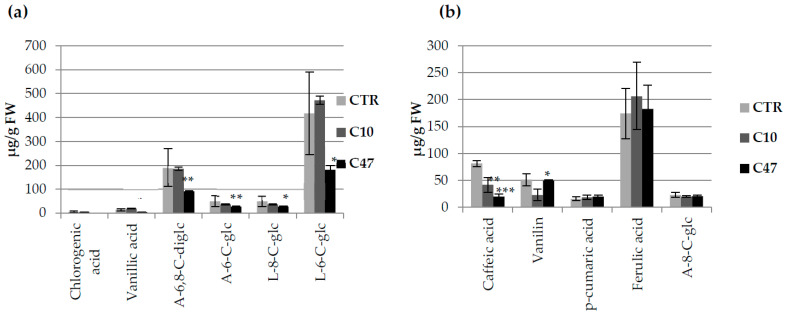
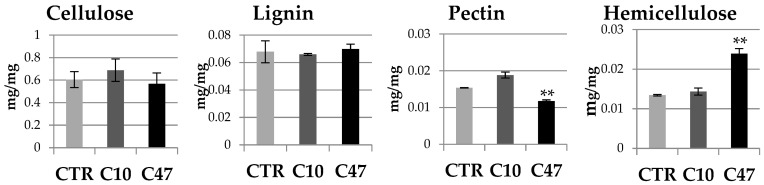
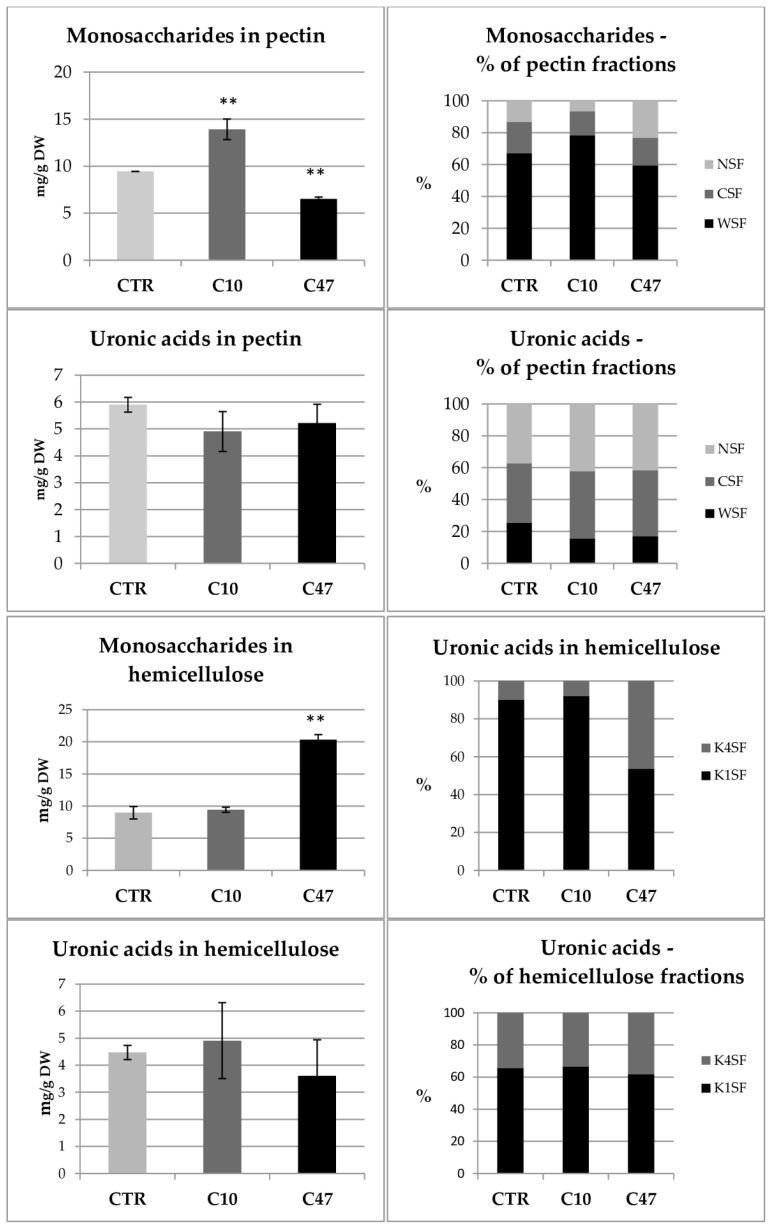
Beta-ketothiolases are involved in the beta-oxidation of fatty acids and the metabolism of hormones, benzenoids, and hydroxybutyrate. The expression of bacterial beta-ketothiolase in flax ( L.) results in an increase in endogenous beta-ketothiolase mRNA levels and beta-hydroxybutyrate content. In the present work, the effect of overexpression of beta-ketothiolase on retting and stem and fibre composition of flax plants is presented. The content of the components was evaluated by high-performance liquid chromatography, gas chromatography-mass spectrometry, Fourier-transform infrared spectroscopy, and biochemical methods. Changes in the stem cell walls, especially in the lower lignin and pectin content, resulted in more efficient retting. The overexpression of beta-ketothiolase reduced the fatty acid and carotenoid contents in flax and affected the distribution of phenolic compounds between free and cell wall-bound components. The obtained fibres were characterized by a slightly lower content of phenolic compounds and changes in the composition of the cell wall. Based on the IR analysis, we concluded that the production of hydroxybutyrate reduced the cellulose crystallinity and led to the formation of shorter but more flexible cellulose chains, while not changing the content of the cell wall components. We speculate that the changes in chemical composition of the stems and fibres are the result of the regulatory properties of hydroxybutyrate. This provides us with a novel way to influence metabolic composition in agriculturally important crops.
β-酮硫解酶参与脂肪酸的β-氧化以及激素、苯类化合物和羟基丁酸的代谢。细菌β-酮硫解酶在亚麻中的表达导致内源性β-酮硫解酶mRNA水平和β-羟基丁酸含量增加。在本研究中,展示了β-酮硫解酶过表达对亚麻植株沤麻以及茎和纤维组成的影响。通过高效液相色谱、气相色谱-质谱联用、傅里叶变换红外光谱和生化方法评估了各成分的含量。茎细胞壁的变化,尤其是较低的木质素和果胶含量,使得沤麻更高效。β-酮硫解酶的过表达降低了亚麻中的脂肪酸和类胡萝卜素含量,并影响了酚类化合物在游离成分和细胞壁结合成分之间的分布。所获得的纤维的特征是酚类化合物含量略低以及细胞壁组成发生变化。基于红外分析,我们得出结论,羟基丁酸的产生降低了纤维素结晶度,并导致形成更短但更灵活的纤维素链,同时不改变细胞壁成分的含量。我们推测,茎和纤维化学成分的变化是羟基丁酸调节特性的结果。这为我们提供了一种影响重要农作物代谢组成的新方法。