Atiakshin Dmitri, Soboleva Mariya, Nikityuk Dmitry, Alexeeva Nataliya, Klochkova Svetlana, Kostin Andrey, Shishkina Viktoriya, Buchwalow Igor, Tiemann Markus
Research and Educational Resource Center for Immunophenotyping, Digital Spatial Profiling and Ultrastructural Analysis Innovative Technologies, Peoples' Friendship University of Russia, 117198 Moscow, Russia.
Burdenko Voronezh State Medical University, 394036 Voronezh, Russia.
Pharmaceuticals (Basel). 2023 Feb 24;16(3):348. doi: 10.3390/ph16030348.
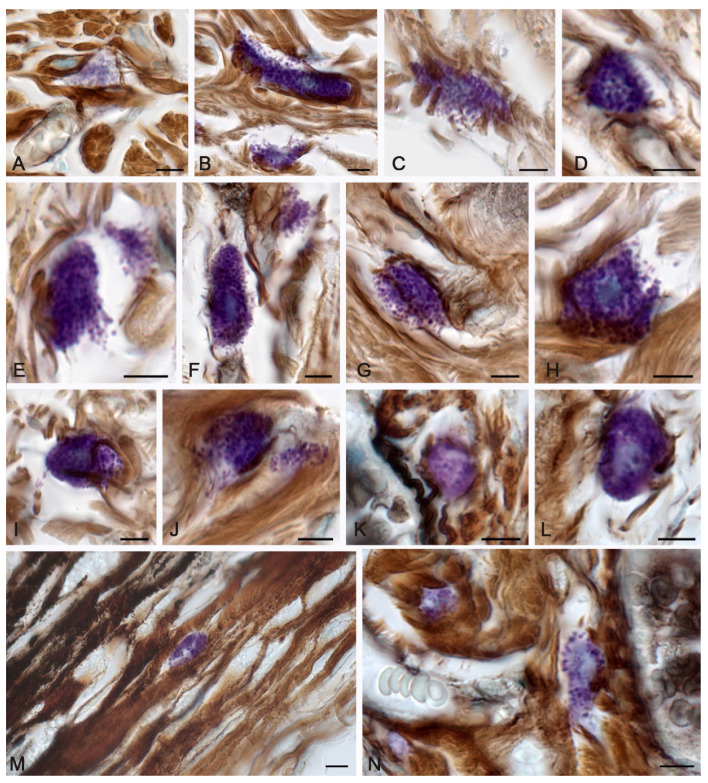
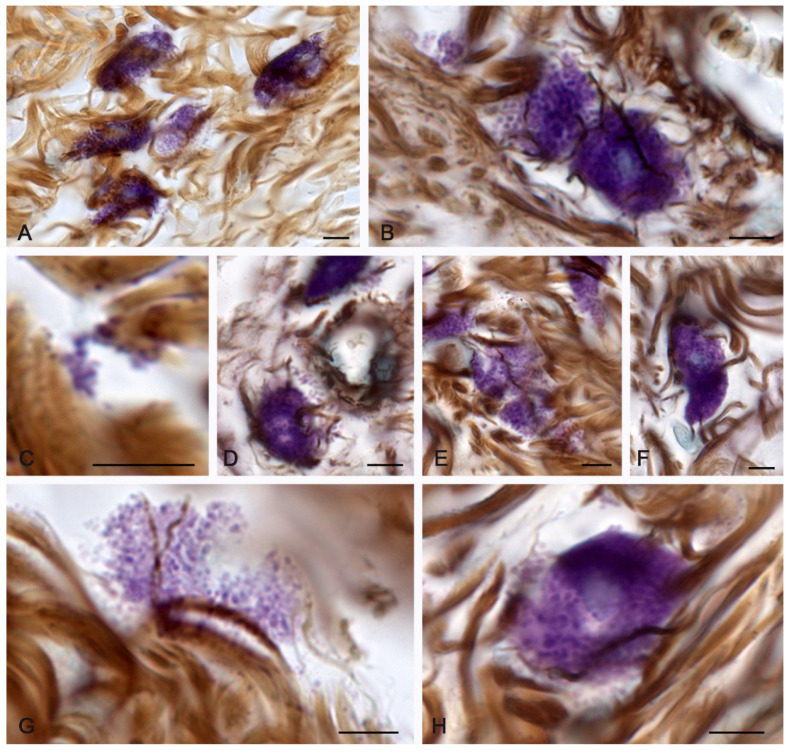
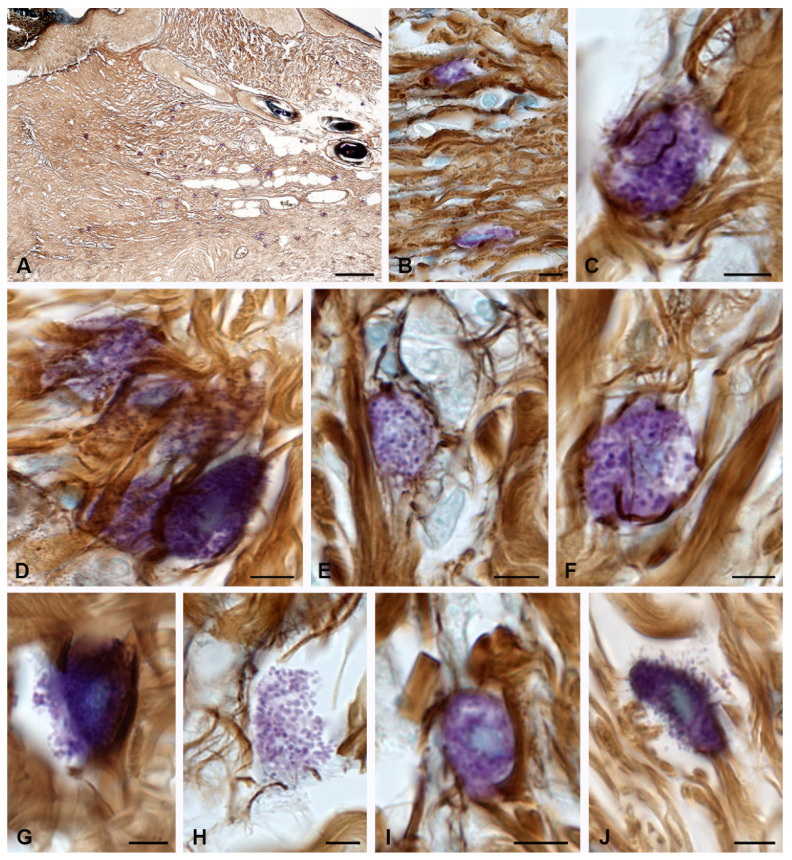
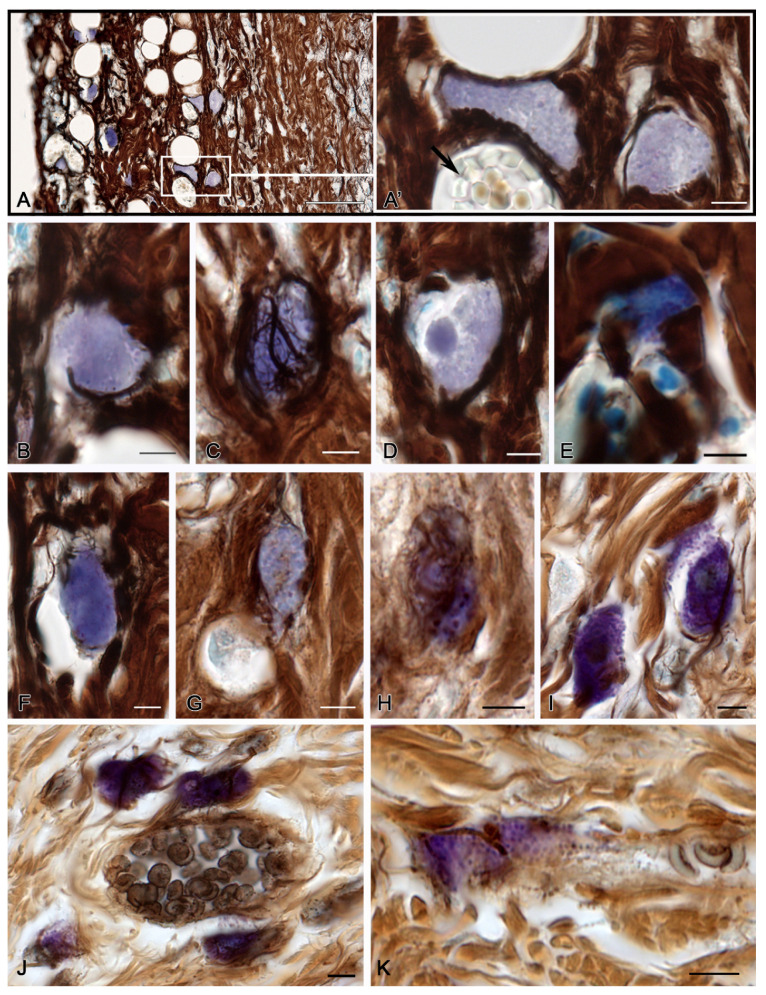
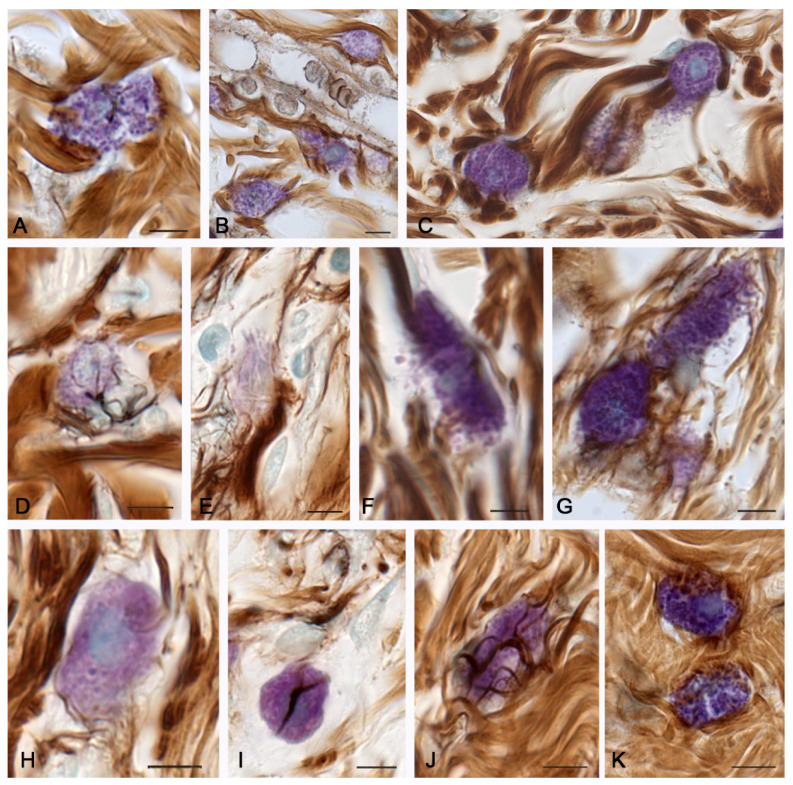
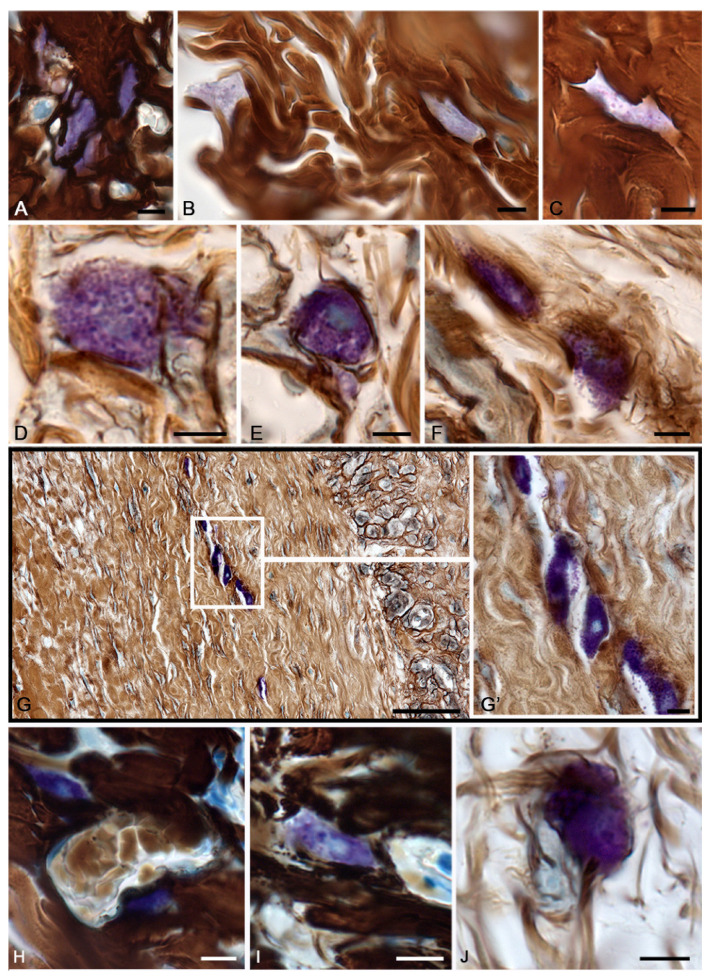
The mechanisms of regeneration for the fibrous component of the connective tissue of the dermis are still insufficiently studied. The aim of this study was to evaluate the effectiveness of the use of molecular hydrogen on the local therapy of a II degree burn wound with the intensification of collagen fibrillogenesis in the skin. We analyzed the involvement of mast cells (MCs) in the regeneration of the collagen fibers of the connective tissue using water with a high content of molecular hydrogen and in a therapeutic ointment for the cell wounds. Thermal burns led to an increase in the skin MC population, accompanied by a systemic rearrangement of the extracellular matrix. The use of molecular hydrogen for the treatment of burn wounds stimulated the regeneration processes by activating the formation of the fibrous component of the dermis, accelerating wound healing. Thus, the intensification of collagen fibrillogenesis was comparable to the effects of a therapeutic ointment. The remodeling of the extracellular matrix correlated with a decrease in the area of damaged skin. Skin regeneration induced by the activation of the secretory activity of MCs may be one of the possible points of implementation of the biological effects of molecular hydrogen in the treatment of burn wounds. Thus, the positive effects of molecular hydrogen on skin repair can be used in clinical practice to increase the effectiveness of therapy after thermal exposure.
真皮结缔组织纤维成分的再生机制仍未得到充分研究。本研究的目的是评估使用分子氢对Ⅱ度烧伤创面进行局部治疗并强化皮肤中胶原纤维形成的有效性。我们分析了肥大细胞(MCs)在结缔组织胶原纤维再生中的作用,使用了富含分子氢的水以及用于细胞创面的治疗性软膏。热烧伤导致皮肤MCs数量增加,同时伴随着细胞外基质的系统性重排。使用分子氢治疗烧伤创面通过激活真皮纤维成分的形成来刺激再生过程,加速伤口愈合。因此,胶原纤维形成的强化与治疗性软膏的效果相当。细胞外基质的重塑与受损皮肤面积的减少相关。由MCs分泌活性激活诱导的皮肤再生可能是分子氢在治疗烧伤创面中生物学效应的可能作用点之一。因此,分子氢对皮肤修复的积极作用可用于临床实践,以提高热暴露后治疗的有效性。